Audio Best in category 2 results Generative Music AI Tool

Popular AI tools in the Generative Music field of Audio include Staccato、Instant Singer, etc., helping you quickly improve efficiency.

Staccato

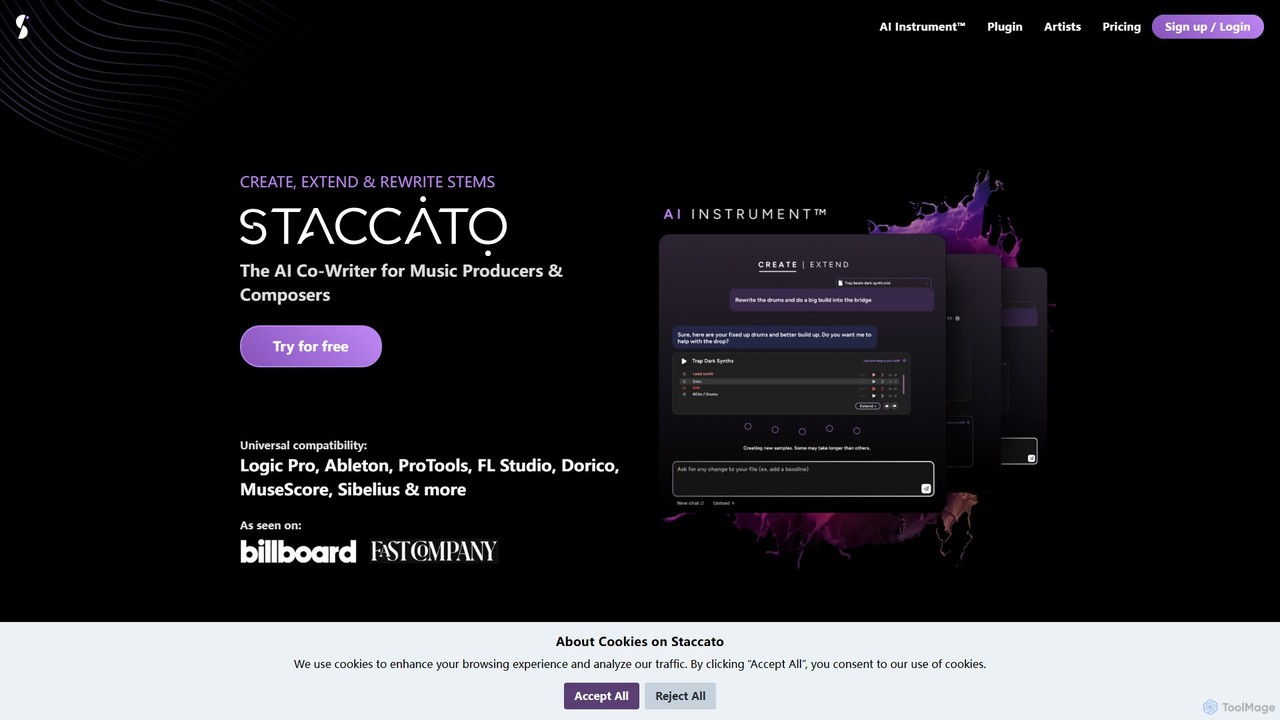
Staccato

Staccato is an AI co-writer for music producers, composers, and songwriters. It generates unique, royalty-free MIDI music and …

33.0K
Instant Singer

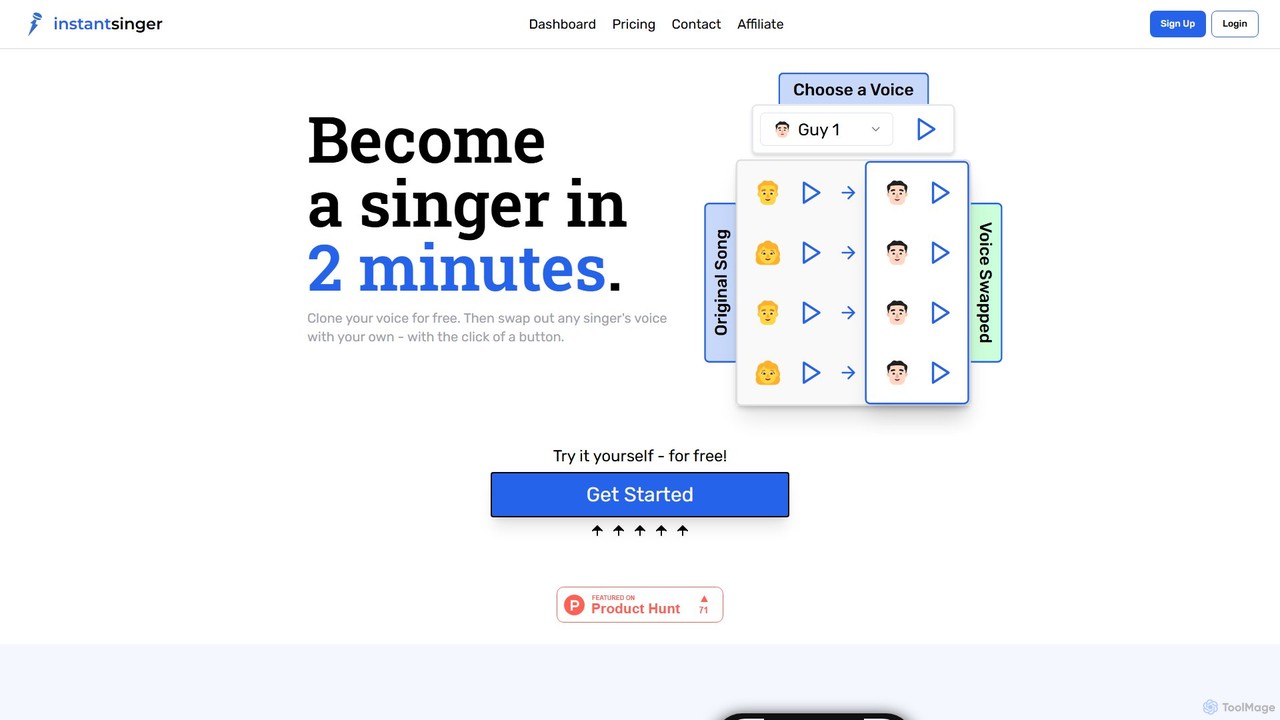
Instant Singer

Instant Singer is an AI-powered tool that clones your voice in just two minutes, allowing you to replace …

2.7K

About Generative Music

Generative Music tools are a class of AI applications that create original, royalty-free music from text prompts, genre selections, or mood descriptions. They leverage advanced deep learning models to compose melodies, harmonies, and rhythms from scratch. This enables creators, developers, and businesses to quickly produce custom soundtracks for videos, games, and podcasts without needing musical expertise. Unlike traditional sample libraries, these tools offer infinite variations and unique compositions on demand.

Core Features

  • Text-to-Music Generation: Create music from descriptive text prompts, specifying style, instruments, and tempo.
  • Genre & Mood Synthesis: Generate tracks based on selected genres like Lo-fi or Cinematic, and moods like Uplifting or Calm.
  • Style Transfer: Apply the musical style of one track to the composition of another.
  • Royalty-Free Licensing: Provide commercially usable music, avoiding complex copyright issues and claims.
  • Stem Export: Offer individual instrument tracks (stems) for advanced editing and mixing in Digital Audio Workstations (DAWs).

Use Cases

These tools are ideal for video creators needing unique background music, game developers requiring adaptive soundtracks, and podcasters seeking intro/outro themes. Marketers also use them to create engaging audio for social media ads, while musicians can use them to break creative blocks and generate new ideas.

How to Choose

When selecting a tool, consider the quality and musicality of the generated audio. Evaluate the level of user control over parameters like instruments and arrangement. It is also crucial to check the clarity of the licensing terms for commercial use and the available export formats, such as MP3, WAV, or multi-track stems.

Generative MusicUse Cases

1

Creating Background Music for YouTube Videos

A content creator needs a unique, copyright-safe lo-fi track for a 10-minute vlog. Instead of spending hours searching through stock music libraries, they use a generative music tool. They enter a prompt like 'calm lo-fi hip hop beat, chill, study focus, no vocals' and set the duration. Within minutes, the AI generates several original options. The creator previews them, selects the best fit, and downloads a high-quality audio file, ensuring their video is free from copyright claims while having a perfectly matched soundtrack.

2

Prototyping Adaptive Game Soundtracks

An indie game developer needs adaptive music for different game states, such as exploration and combat. Using a generative music tool, they create a base theme with a prompt like 'fantasy, orchestral, adventurous'. Then, they generate variations by adding keywords like 'tense, percussive' for combat or 'calm, ambient' for exploration. This allows for rapid prototyping of the game's audio landscape, testing how different musical moods affect gameplay without needing to commission a composer for every iteration, saving significant time and budget in early development stages.

3

Producing Custom Podcast Intros and Outros

A podcaster wants a memorable and consistent musical theme for their new show. They use a generative music tool to produce a 30-second track. They specify 'upbeat, electronic, futuristic, optimistic' to match their tech-focused content. The tool provides several options, and they can even regenerate parts they don't like. The final result is a professional, brand-aligned audio signature that they own the license to, ensuring a consistent and polished listener experience across all episodes without recurring licensing fees.

4

Generating Audio for Social Media Ads

A social media marketer needs short, engaging music clips for multiple video ads on Instagram and TikTok. To avoid using overused stock tracks, they turn to a generative music AI. For each product ad, they generate 15-second clips with prompts like 'high-energy pop, catchy synth melody' or 'funky bassline, upbeat drums'. This allows them to produce a high volume of ad creatives with unique, trend-aligned music quickly, helping the ads stand out and potentially improving engagement rates by providing a fresh audio experience.

5

Inspiring Musical Ideas for Producers

A music producer is experiencing writer's block and needs a fresh starting point. They use a generative music tool not for a final track, but for inspiration. They input a prompt like 'soulful piano chord progression in C minor, 90 bpm, with a simple drum loop'. The AI generates several musical ideas. The producer then exports the MIDI or audio stems of their favorite progression, imports them into their Digital Audio Workstation (DAW), and uses it as a foundation to build upon with their own instruments and arrangement, effectively breaking the creative block.

6

Creating Soundscapes for Wellness Apps

A developer creating a meditation and sleep app needs hours of long-form, non-distracting ambient music. Commissioning this amount of music would be prohibitively expensive. Instead, they use a generative music AI to create extended tracks. They use prompts like 'ambient, calming, nature sounds, binaural beats, no abrupt changes' and set the duration to 20 minutes or more. This allows them to populate their app with a vast library of unique, royalty-free soundscapes, enhancing the user experience and providing varied content without high licensing costs.

Generative MusicFrequently Asked Questions