A.V. Mapping
A.V. Mapping is an AI-powered, one-stop platform for video music matching and licensing. It intelligently analyzes video content …
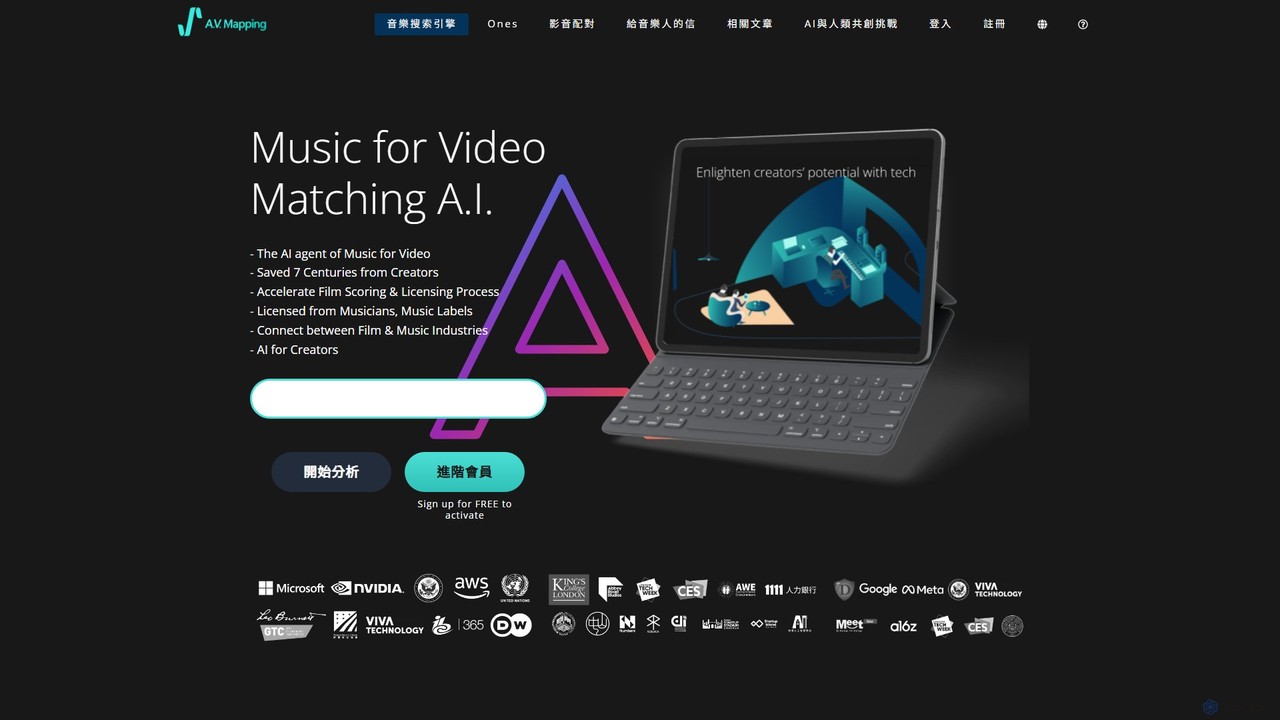
A.V. Mapping is an AI-powered, one-stop platform for video music matching and licensing. It intelligently analyzes video content to recommend the perfect soundtrack and sound effects, streamlining the creative process for filmmakers and content creators while offering musicians a new monetization channel with blockchain-secured copyrights.
About Music Licensing
AI Music Licensing tools are platforms that use artificial intelligence to streamline the discovery and legal acquisition of music for media projects. These tools leverage AI algorithms to analyze and tag vast music libraries, enabling users to search based on mood, genre, instrumentation, or even visual context. This technology simplifies the complex process of finding the right track and securing the appropriate usage rights, making high-quality music accessible for creators and businesses. The primary advantage is a significant reduction in search time and the assurance of legal compliance for content creation.
Core Features
- AI-Powered Semantic Search: Search for music using natural language descriptions, emotional tones, or scene descriptions instead of just keywords.
- Automated Music Analysis: AI automatically analyzes and tags tracks with detailed metadata, including mood, genre, BPM, and instrumentation.
- License Management: Simplifies the process of selecting and purchasing the correct license for specific use cases like social media, advertising, or film.
- Sound-Alike Finder: Upload a reference track, and the AI will find acoustically similar songs within the library, speeding up the creative process.
- Integration with Editing Software: Many platforms offer plugins or extensions for popular video editing software, allowing direct access to the music library.
Applicable Scenarios
These tools are essential for video content creators, podcasters, filmmakers, marketing agencies, and game developers. For instance, a YouTuber can quickly find background music for a travel vlog by searching for "upbeat, adventurous, tropical," while a marketing team can source a track for a commercial that is licensed for paid advertising across multiple platforms.
Selection Criteria
When choosing an AI Music Licensing tool, consider the size and quality of the music library, the sophistication of the AI search capabilities, and the clarity of the licensing terms. Also, evaluate the pricing model (subscription vs. per-track) and whether the platform offers integrations with your existing creative workflow and software.

Music LicensingUse Cases
Finding Background Music for YouTube Videos
A content creator specializing in travel vlogs needs upbeat and atmospheric music to match their video's visuals. Instead of manually browsing through thousands of tracks with generic tags, they use an AI music licensing platform. They input a search query like "adventurous, uplifting, cinematic score for a drone shot over mountains." The AI analyzes the semantic meaning and returns a curated list of highly relevant tracks, saving hours of searching. They can then select a track and purchase a standard license that covers YouTube monetization directly on the platform.
Sourcing Music for a Social Media Ad Campaign
A marketing agency is creating a short video ad for a client's new product to be run on Instagram and TikTok. They need a trendy, energetic track that is properly licensed for paid commercial use. Using an AI tool, they can search for "modern, electronic, confident beat for a product launch ad." The platform not only provides suitable music but also clearly outlines the licensing options, ensuring the agency purchases a commercial license that covers paid social media advertising, protecting both the agency and their client from copyright infringement issues.
Creating a Sonic Identity for a Podcast
A podcast producer wants to establish a consistent sonic brand with unique intro, outro, and transition music. They have a specific reference track in mind but cannot use it due to licensing costs. They use an AI platform's "find similar" feature by uploading the reference track. The AI analyzes its tempo, instrumentation, and mood, then generates a list of acoustically similar, royalty-free alternatives. This allows the producer to find a track that captures the desired feel while remaining affordable and legally compliant, ensuring a professional and consistent sound for their show.
Scoring an Independent Film on a Budget
An indie filmmaker needs a complete score for their short film but lacks the budget to hire a composer. They use an AI music licensing platform to build the score piece by piece. For a tense scene, they search for "suspenseful, minimalist, slow-building strings." For a romantic scene, they search for "gentle, hopeful piano melody." The AI helps them find stylistically consistent tracks from different artists, allowing them to create a cohesive and emotionally impactful score. They can license all the necessary tracks for a fraction of the cost of a custom score, making professional-sounding film scoring accessible.
Finding Unobtrusive Background Music for Corporate Videos
A corporate communications team produces internal training and external promotional videos. They require background music that is professional and enhances the message without distracting the viewer. Using an AI-powered platform, they can filter for instrumental tracks and use search terms like "inspirational, corporate, tech, optimistic." The AI's ability to understand context ensures the results are appropriate for a business setting. This process is far more efficient than browsing generic "corporate" playlists, and the clear licensing ensures the company can use the videos on their website and social channels without legal risk.
Generating Unique, Royalty-Free Music for a Game App
An indie game developer is creating a mobile puzzle game and needs multiple background tracks for different levels. To avoid the repetitive feel of common stock music and ensure complete ownership, they use an AI music generation platform that includes licensing. They can specify parameters like genre (e.g., 'lo-fi chill'), mood ('relaxing'), and duration. The AI generates a unique, previously non-existent track that fits their needs. The license is simple and perpetual, granting them the rights to use the music in their game worldwide without worrying about future royalty claims, providing a cost-effective and legally secure solution.