Audio Best in category 2 results Personalized Audio AI Tool

Popular AI tools in the Personalized Audio field of Audio include Vital、Toypal, etc., helping you quickly improve efficiency.

Vital

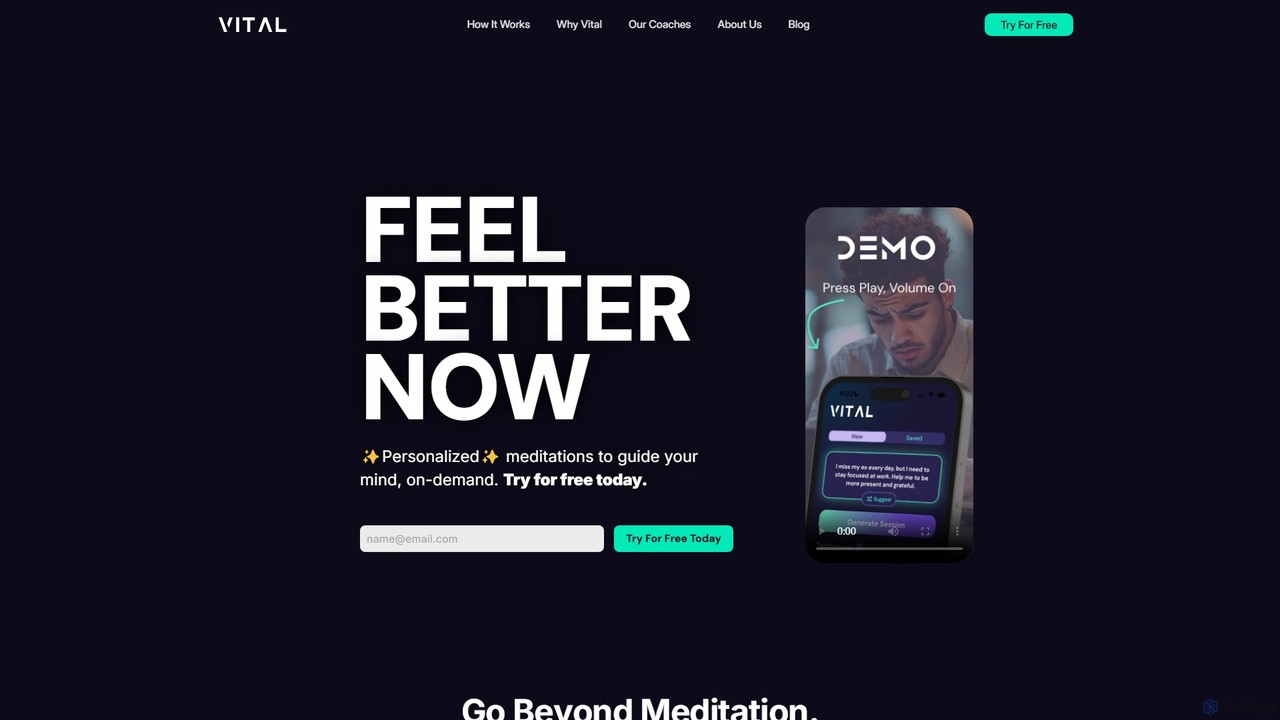
Vital

Vital is an AI-powered meditation app that creates personalized, on-demand audio sessions to guide your mind. Simply type …

5.7K
Toypal

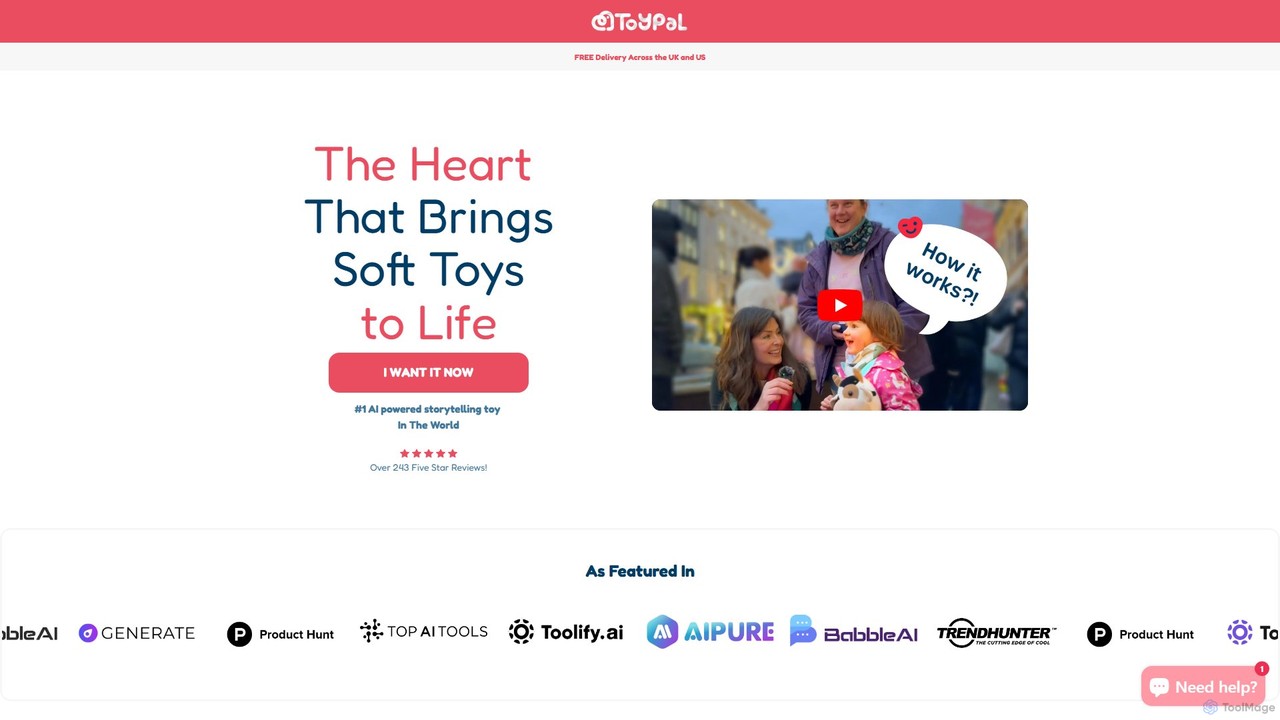
Toypal

Toypal is an AI-powered, heart-shaped smart device that attaches to any soft toy, transforming it into a personalized …

3.3K

About Personalized Audio

Personalized Audio tools are a class of AI applications that dynamically create or adapt audio content to suit an individual's preferences, context, or even physiological state. These tools use algorithms to analyze user data, environmental cues, or real-time biometric feedback to modify elements like tempo, composition, and volume. The primary value is creating highly immersive and effective audio experiences for wellness, entertainment, and marketing that are unique to each listener. Unlike static playlists, they offer a responsive and ever-changing auditory journey.

Core Features

  • Dynamic Adaptation: Adjusts audio characteristics in real-time based on inputs like heart rate, location, or time of day.
  • User Profile Synthesis: Generates audio based on learned user preferences, listening history, and explicit feedback.
  • Context-Aware Generation: Creates suitable soundscapes or audio streams for specific activities such as focus, sleep, or exercise.
  • Biometric Integration: Connects with wearables and sensors to use physiological data as a direct input for audio modification.
  • Procedural Audio Creation: Generates original sound and music algorithmically, rather than just re-arranging pre-recorded tracks.

Use Cases

Personalized Audio tools are primarily used in sectors requiring deep user engagement. In the wellness industry, they power meditation and sleep apps with adaptive soundscapes. Fitness applications use them to match music tempo to workout intensity. They also enable next-generation experiences in immersive gaming, interactive storytelling, and context-aware advertising.

How to Choose

When selecting a Personalized Audio tool, consider the required data inputs (e.g., biometrics, user preferences, environmental sensors). Evaluate the level of personalization—whether it simply curates playlists or generates entirely new audio. Assess its integration capabilities with other apps and devices, such as wearables. Finally, carefully review the tool's data privacy policy, as they often handle sensitive user information.

Personalized AudioUse Cases

1

Adaptive Soundscapes for Deep Focus

A software developer or writer needs to maintain concentration for extended periods. They use a personalized audio application that generates a subtle, non-distracting soundscape. The tool analyzes the time of day and the user's project calendar to create a generative audio stream that evolves slowly, preventing auditory fatigue. For instance, the sound might become slightly more complex during designated 'deep work' blocks and simpler during breaks, helping to structure the workday and enhance productivity without conscious effort.

2

Biometric-Synced Fitness Music

An athlete uses a fitness app integrated with a personalized audio engine and a heart rate monitor. During a run, the app dynamically adjusts the music's tempo and intensity to match their performance. As their heart rate increases during a sprint, the beat becomes faster and more energetic. During the cool-down phase, the tempo slows, and the music shifts to a more calming tone. This real-time bio-feedback loop helps optimize workout effectiveness and keeps the athlete motivated by perfectly syncing the audio to their physical state.

3

Dynamic Audio for Immersive Gaming

A game developer implements a personalized audio system to enhance player immersion. The in-game soundtrack is not a fixed loop but is procedurally generated based on the player's actions and the game's state. For example, during exploration, the music is calm and ambient. When an enemy is near, a subtle, tense layer is added. In a full-blown combat sequence, the music becomes a dynamic, orchestral piece that reflects the intensity of the battle. This makes every playthrough feel unique and heightens the emotional impact of the gameplay.

4

Context-Aware Audio Advertising

A digital marketing agency uses a personalized audio platform for an ad campaign. The platform delivers audio ads to listeners of a streaming service. Instead of one generic ad, the system adapts it based on context. An ad for a coffee brand might feature a calm, acoustic background in the morning, but a more upbeat, energetic track in the afternoon. The voiceover might even mention the listener's city or the current weather, creating a highly relevant and less intrusive advertising experience that leads to higher engagement rates.

5

Personalized Audio Guides for Museums

A museum curator wants to offer a more engaging visitor experience. They deploy an app with a personalized audio guide. The guide adapts its commentary based on the visitor's path through the museum, how long they linger at an exhibit, and even their stated interests (e.g., 'art history' or 'painting techniques'). If a visitor spends extra time at a specific painting, the guide might offer deeper, more detailed information or related anecdotes, creating a unique and educational tour for every individual.

6

Adaptive Audio for Sleep and Relaxation

A user of a wellness app struggles with falling asleep. They activate the app's 'sleep journey' feature, powered by a personalized audio engine. The app begins with a guided meditation and then transitions into a generative soundscape of gentle rain. Using the phone's microphone to detect subtle changes in breathing patterns, the system adjusts the soundscape's intensity and complexity. As the user falls into a deeper sleep, the audio becomes simpler and quieter, helping to maintain sleep quality throughout the night without abrupt changes.

Personalized AudioFrequently Asked Questions