ToolMage
Sign in

Best 2 Royalty Free Music AI tools for Audio

Popular Royalty Free Music AI tools in Audio include Uppbeat and beatopia, helping you work more efficiently.

beatopia
Freemium

beatopia

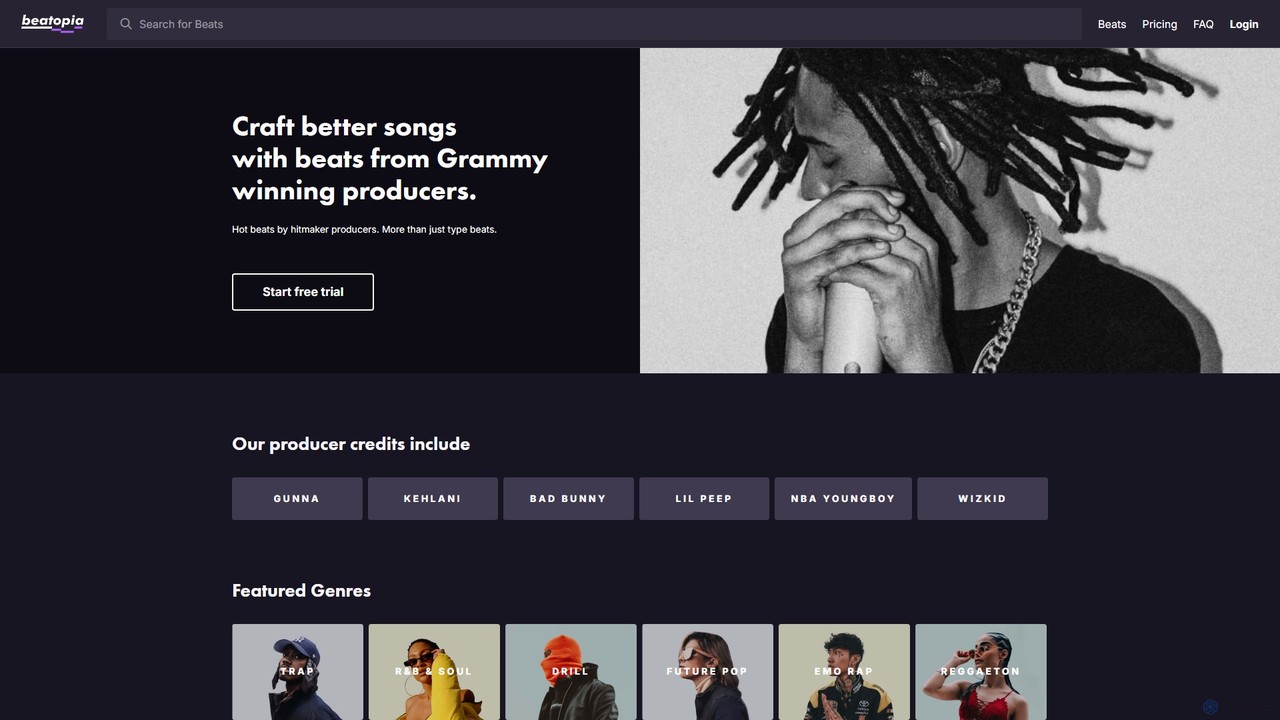
beatopia is a subscription-based music platform offering unlimited access to exclusive, high-quality beats from Grammy-winning producers. Designed for rappers, vocalists, and creators, it provides unlimited rights licenses, WAV files, and stems for every track, empowering artists to create without limits.

Music Production
Visits 15.3KFavorites 136Likes 129
Uppbeat
Freemium

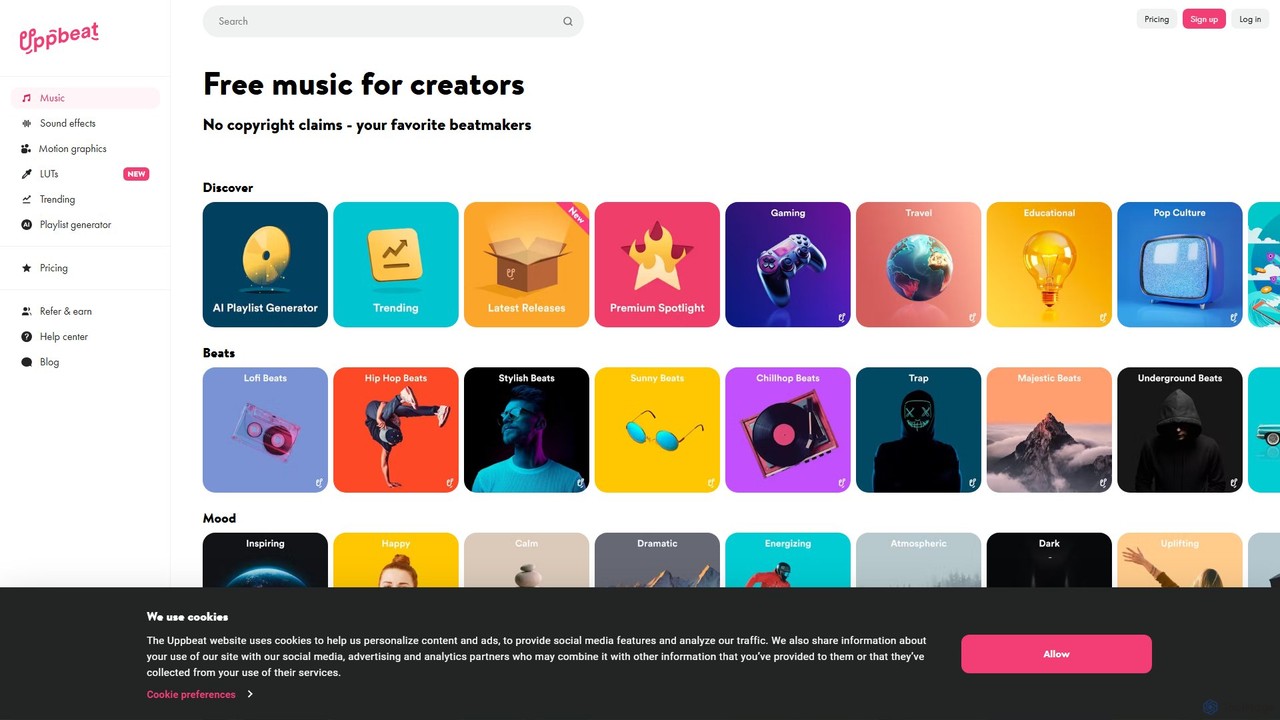
Uppbeat

Uppbeat is a premier platform offering free, high-quality, royalty-free music and sound effects for content creators. Designed to eliminate copyright strikes, it provides a vast library of curated tracks from top artists, perfect for YouTube videos, podcasts, social media, and more. It operates on a freemium model, ensuring accessibility for creators at all levels.

Royalty Free Music
Visits 1.7MFavorites 178Likes 171

About Royalty Free Music

Royalty Free Music refers to a category of audio assets that can be used in various projects without the need for recurring royalty payments for each use. These tools provide a vast library of tracks licensed under a one-time fee model, granting users broad usage rights for their content. It enables creators, marketers, and businesses to legally integrate high-quality background music, sound effects, and scores into their productions, ensuring compliance and cost-effectiveness across diverse media platforms.

Core Features

  • One-time Licensing: Pay a single fee to acquire usage rights, eliminating ongoing royalty payments.
  • Diverse Genres & Moods: Access a wide selection of musical styles, instruments, and emotional tones to match any project.
  • Clear Usage Rights: Licenses explicitly define permissible uses, including commercial, broadcast, and online distribution.
  • High-Quality Audio Files: Provides professional-grade sound suitable for film, video, podcasts, and presentations.
  • Efficient Search & Filtering: Advanced tools to quickly find tracks by genre, mood, instrument, tempo, or duration.

Applicable Scenarios

Royalty Free Music is indispensable for content creators producing YouTube videos, podcasts, or social media clips, ensuring legal compliance and enhancing audience engagement. Businesses utilize it for marketing campaigns, corporate presentations, and in-store ambiance, maintaining a professional brand image without complex licensing negotiations. Game developers also leverage these libraries for affordable and diverse soundtracks, enriching the player experience across various game environments.

How to Choose

When selecting royalty-free music, prioritize platforms offering clear and comprehensive licensing terms that cover your intended use, especially for commercial projects. Evaluate the size and diversity of the music library to ensure a wide range of options for current and future needs. Consider the audio quality and available file formats, as well as the platform's search and filtering capabilities for efficient discovery. Finally, compare pricing models, whether it's a subscription service or individual track purchases, to align with your budget and usage frequency.

Royalty Free Music use cases

1

Enhancing YouTube Video Production

YouTube creators, vloggers, and educators frequently need background music for their videos. Royalty Free Music allows them to legally add engaging soundtracks to tutorials, reviews, or daily vlogs without worrying about copyright strikes or complex licensing, ensuring their content remains monetizable and professional.

2

Professional Podcast Intros & Backgrounds

Podcasters require distinctive and legally compliant music for their show's intro, outro, and transitional segments. Utilizing royalty-free tracks helps establish a consistent brand identity and improves listener experience, providing high-quality audio without the burden of recurring performance rights fees.

3

Creating Engaging Social Media Ads

Digital marketers and advertisers use royalty-free music to create impactful short video ads for platforms like Instagram, TikTok, and Facebook. The right music can capture audience attention, convey brand emotion, and drive engagement, all while ensuring legal usage across various advertising campaigns.

4

Background Music for Business Presentations

Corporate professionals and trainers often incorporate subtle background music into their presentations, webinars, or e-learning modules. Royalty-free options provide a professional and unobtrusive audio backdrop that enhances focus and sets a positive tone, without the legal complexities of traditional music licensing.

5

Soundtracks for Indie Game Development

Independent game developers with limited budgets need diverse and affordable music for their game's levels, menus, and cinematic sequences. Royalty-free music libraries offer a cost-effective solution, providing a wide array of genres and moods to create immersive audio experiences without breaking the bank.

6

Adding Ambiance to Commercial Spaces

Businesses such as cafes, retail stores, or spas use royalty-free music to create a pleasant and inviting atmosphere for their customers. This ensures that the background music played in public spaces is fully licensed and compliant, avoiding potential legal issues associated with public performance rights for copyrighted music.

Royalty Free Music FAQ

What is Royalty Free Music?

Royalty Free Music is a type of music licensing where you pay a one-time fee to use a piece of music in your projects, without needing to pay recurring royalties for each subsequent use or performance. This license grants you broad rights to use the music in various media, making it a cost-effective and legally straightforward option for content creators and businesses.

How does Royalty Free Music differ from Copyrighted Music?

The primary difference lies in the payment structure and usage rights. With Royalty Free Music, you pay once for a license that covers multiple uses, freeing you from ongoing royalty payments. Copyrighted music, conversely, typically requires per-use licensing, performance rights payments, or synchronization licenses, which can be complex and costly, especially for commercial or public broadcasts.

Can I use Royalty Free Music for commercial projects?

Yes, most Royalty Free Music is specifically designed and licensed for commercial use. However, it's crucial to always review the specific license terms provided by the platform or artist. Licenses can vary, sometimes having limitations on broadcast reach, advertising budget, or specific types of commercial distribution. Always ensure the license covers your intended commercial application.

What factors should I consider when choosing a Royalty Free Music platform?

When selecting a platform, consider the size and diversity of its music library to ensure you find suitable tracks for various projects. Evaluate the clarity and scope of its licensing terms, especially regarding commercial use and attribution requirements. Look for high-quality audio files and robust search/filtering tools. Finally, compare pricing models, whether it's a subscription, credit system, or individual track purchases, to match your budget and usage frequency.

Is Royalty Free Music truly "free"?

The term "Royalty Free" can be misleading. It means "free from royalties," not necessarily "free of cost." You typically pay an upfront fee for the license to use the music without ongoing royalty payments. While some platforms offer a selection of tracks for free (often requiring attribution), the vast majority of high-quality royalty-free music requires a purchase or subscription.