ToolMage
Sign in

Best 2 Summarization AI tools for Audio

Popular Summarization AI tools in Audio include twitterspacegpt and PodcastPixel, helping you work more efficiently.

Freemium

PodcastPixel

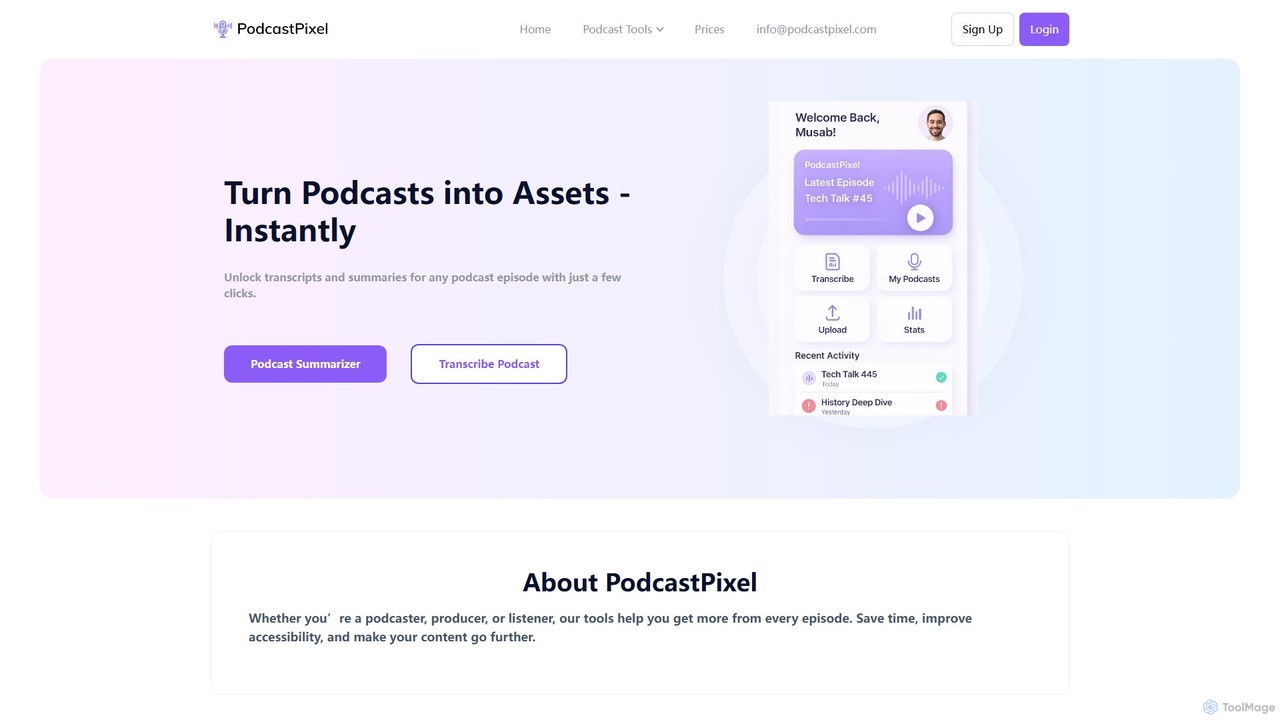
PodcastPixel is an AI-powered tool for podcasters, producers, and listeners. It instantly generates accurate text transcripts and concise, intelligent summaries for any podcast episode. With no sign-up required to start and a generous free tier, it helps save time, improve content accessibility and SEO, and effortlessly repurpose audio content into various formats.

Summarization
Visits 3.5KFavorites 116Likes 101
Freemium

twitterspacegpt

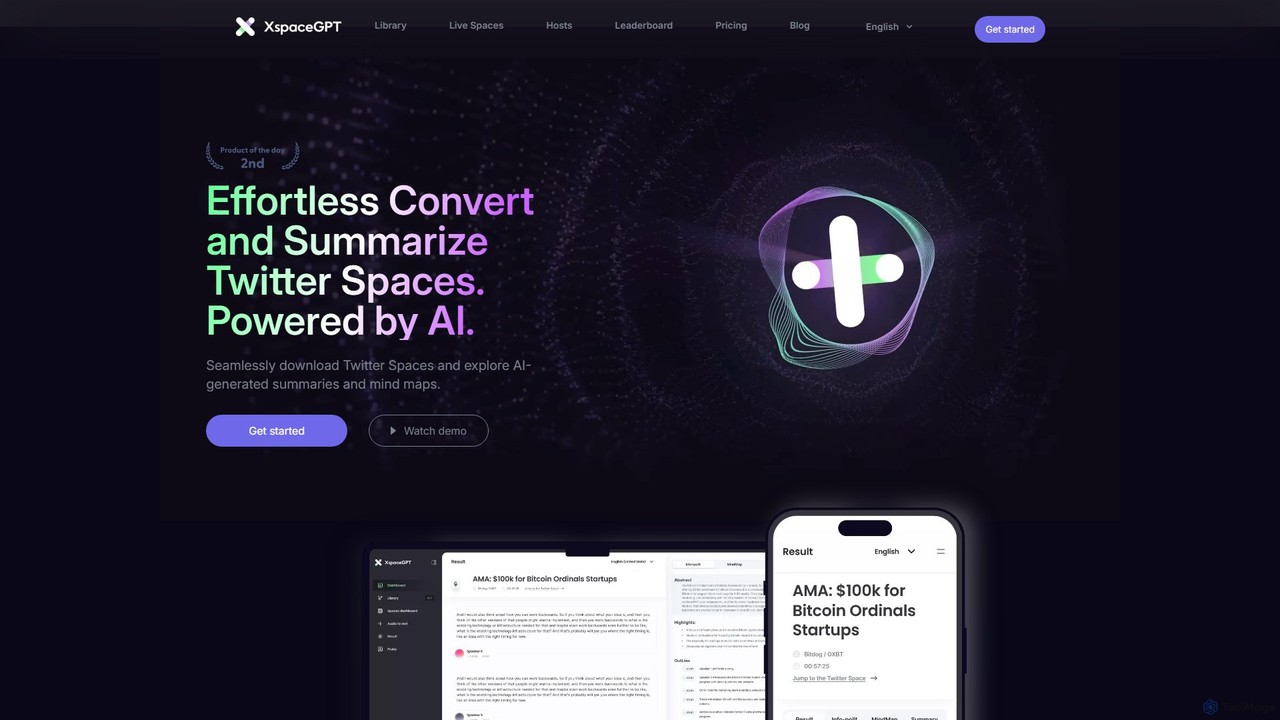
An AI-powered platform that converts Twitter Spaces into text, summaries, and mind maps. Effortlessly download, transcribe, and analyze audio conversations to save time and unlock key insights from long-form audio content.

Summarization
Visits 42.7KFavorites 123Likes 119

About Summarization

AI Audio Summarization tools are specialized applications that automatically condense spoken content from audio files into concise, readable text. These tools utilize advanced speech-to-text (STT) and natural language processing (NLP) to transcribe audio and then identify key points, topics, and action items. The primary value is transforming long recordings like meetings, lectures, or interviews into digestible summaries, saving significant time and effort in review. They often feature capabilities like speaker identification and timestamping for easy reference.

Core Features

  • Speaker Identification (Diarization): Distinguishes between different speakers in the audio and attributes summary points to the correct person.
  • Action Item & Topic Extraction: Automatically identifies tasks, decisions, deadlines, and main themes discussed in the conversation.
  • Timestamped Summaries: Links each part of the summary to the corresponding moment in the original audio file for quick verification.
  • Customizable Summary Formats: Allows users to generate summaries in various formats, such as paragraphs, bullet points, or detailed notes, to fit different needs.
  • Multi-language Support: Transcribes and summarizes audio content from a wide range of languages, breaking down communication barriers.

Use Cases

These tools are invaluable for professionals and students who regularly work with audio content. Project managers use them to generate meeting minutes and track action items. Journalists and researchers quickly process interviews and field recordings. Students condense hours of lectures for efficient studying, while podcasters create show notes and highlight clips with ease.

How to Choose

When selecting an AI Audio Summarization tool, consider transcription accuracy and speaker identification quality as top priorities. Evaluate its integration capabilities with platforms you use, such as Zoom, Google Meet, or Slack. Check the list of supported languages and the tool's data privacy and security policies, especially for sensitive content. Finally, compare pricing models based on your expected volume of audio processing.

Featured tool rankings

Summarization use cases

1

Generate Meeting Minutes and Action Items

For project managers and team leads, manually creating detailed meeting minutes is time-consuming. An AI Audio Summarization tool can process a recording of a one-hour meeting in minutes. It automatically identifies different speakers, extracts key decisions made, and lists all action items with assigned owners and deadlines. The output can be shared immediately with attendees, ensuring everyone is aligned and accountable, reducing post-meeting administrative work by over 90%.

2

Analyze Podcast and Interview Content

Podcast creators and journalists can upload hours of interview audio to an AI summarizer. The tool generates a detailed summary, identifies key themes, and pulls out memorable quotes with timestamps. This allows creators to quickly draft show notes, write articles, or create promotional content like social media posts and audiograms. It transforms the content repurposing workflow, enabling a single recording to be efficiently converted into multiple content formats.

3

Condense Academic Lectures for Study

Students can record university lectures and use an AI summarizer to create concise study notes. Instead of re-listening to a two-hour lecture, a student gets a bullet-point summary of key concepts, definitions, and examples in under ten minutes. Timestamps allow them to jump directly to complex parts of the lecture for clarification. This method significantly improves study efficiency and knowledge retention, especially when preparing for exams.

4

Streamline Call Center Quality Assurance

Quality assurance managers in call centers need to review numerous customer interactions. Instead of listening to full call recordings, they can use an AI tool to summarize conversations. The summary highlights customer sentiment, issues raised, and the resolution provided. This allows managers to quickly assess agent performance, identify training needs, and spot recurring customer problems across thousands of calls, improving both agent quality and customer satisfaction efficiently.

5

Review Legal Depositions and Hearings

Legal professionals, including lawyers and paralegals, often deal with lengthy audio recordings of depositions, court hearings, and client meetings. An AI summarizer can process these recordings to create a chronological summary of events, identify key testimonies, and flag important statements. This saves countless hours of manual review, helps in case preparation, and allows legal teams to quickly locate critical pieces of information needed for building their arguments.

6

Enhance Accessibility for Hearing-Impaired Users

Organizations can use AI audio summarization to make spoken content more accessible. By processing webinars, public announcements, or internal training videos, they can provide accurate text summaries alongside the original audio. This serves as a powerful accessibility aid for individuals who are deaf or hard of hearing, ensuring they receive the same critical information as other audience members. It's a practical application of AI to foster a more inclusive environment.

Summarization FAQ

What are AI Audio Summarization tools?

AI Audio Summarization tools are applications that use artificial intelligence to analyze audio recordings and generate concise text summaries. They first convert speech to text (transcription) and then use natural language processing (NLP) to understand the content, identify key points, and condense them into a shorter format. These tools are designed to save time by providing the essence of long audio files like meetings, interviews, or lectures without needing to listen to the entire recording.

How do I choose the right AI Audio Summarization tool?

To choose the right tool, consider these factors:

  • Accuracy: Check the quality of both the transcription and the summary. Look for tools that handle different accents and background noise well.
  • Speaker Identification: For multi-person conversations like meetings, a tool that can accurately distinguish between speakers (diarization) is essential.
  • Integrations: Ensure the tool connects with your existing workflow, such as video conferencing platforms (Zoom, Google Meet) or communication apps (Slack).
  • Security: If you handle sensitive information, verify the tool's data privacy policies and security measures.
  • Language Support: Confirm that the tool supports the languages you work with.
What's the difference between Audio Summarization and simple transcription?

Simple transcription is the process of converting speech from an audio file into written text, creating a word-for-word transcript. Audio Summarization goes a step further. After transcribing the audio, it uses AI to analyze the text, understand its meaning and context, and then generate a shorter, condensed version that captures the main ideas and key information. In short, transcription gives you *everything* that was said, while summarization gives you a digest of *what was important*.

Who can benefit from using AI Audio Summarization tools?

A wide range of individuals and professionals can benefit from these tools. This includes:

  • Business Professionals: To quickly review meetings, sales calls, and webinars.
  • Students and Academics: For summarizing lectures and research interviews.
  • Journalists and Content Creators: To process interviews and create content outlines.
  • Legal Professionals: For reviewing depositions and client consultations.
  • Product Managers and UX Researchers: To analyze customer feedback calls and usability tests.

Essentially, anyone who regularly deals with long-form audio content and needs to extract key information efficiently can find significant value in these tools.

How accurate are AI-generated audio summaries?

The accuracy of AI-generated audio summaries depends heavily on two factors: the quality of the initial transcription and the sophistication of the summarization algorithm. High-quality audio with clear speakers and minimal background noise will produce a more accurate transcript, which in turn leads to a better summary. Modern tools have achieved high levels of accuracy, but they are not infallible. For critical applications, it's a good practice to briefly review the AI-generated summary and cross-reference it with the original audio or transcript if needed.