
lowcarbai
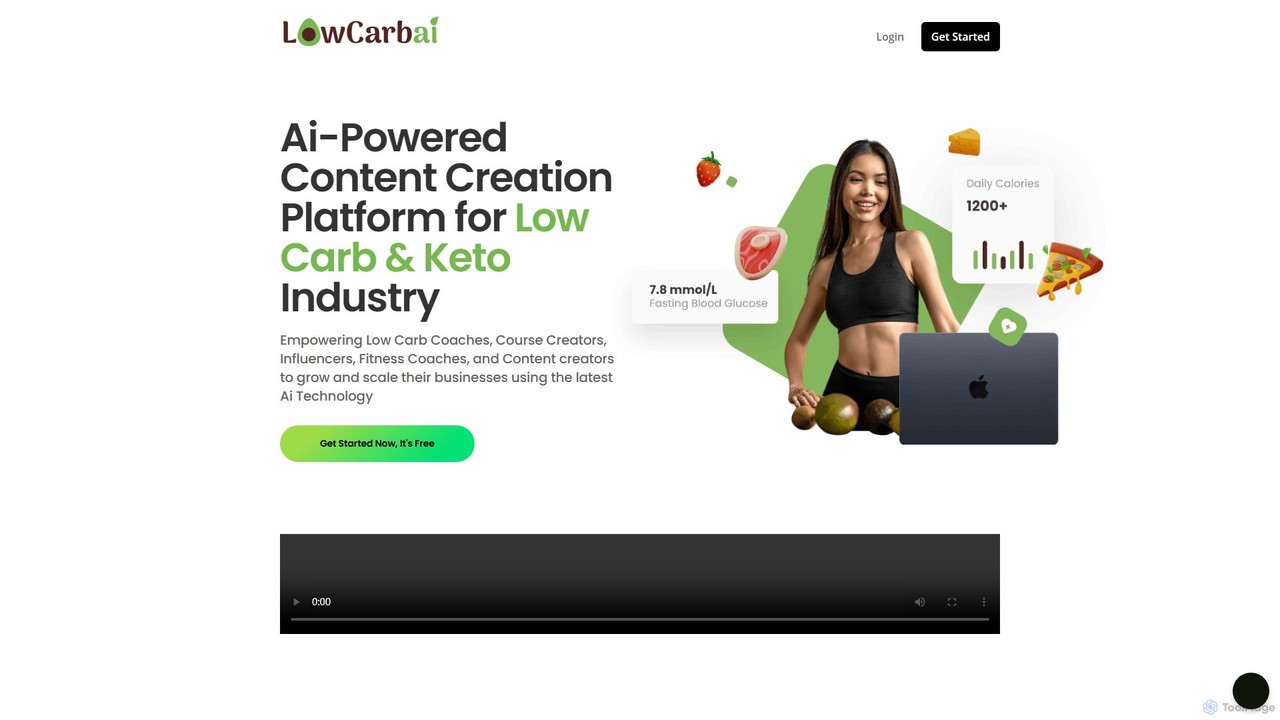
lowcarbai is a specialized AI-powered content creation platform designed for the Low Carb and Keto industry. It empowers …
lowcarbai is a specialized AI-powered content creation platform designed for the Low Carb and Keto industry. It empowers coaches, influencers, and entrepreneurs to generate niche-specific content, from SEO-optimized articles and ad copy to AI-driven meal plans and recipes. The platform also includes advanced speech-to-text and text-to-speech capabilities to easily create audio content like podcasts and course materials.
About Voice Conversion
Voice Conversion tools are a specialized category of AI audio software that transforms the vocal characteristics of a source audio recording into a different target voice. These tools analyze the content and prosody (intonation, rhythm) of the original speech and then re-synthesize it using the timbre and style of another voice. This allows users to make one person sound like another, create unique character voices, or anonymize speech while preserving the original emotional expression. Unlike Text-to-Speech (TTS) which generates audio from text, Voice Conversion modifies an existing audio input.
Core Features
- Real-time Voice Transformation: Change your voice live during calls, streams, or online gaming with low latency.
- Voice Cloning: Create a digital model of a specific voice from audio samples, allowing you to convert any speech to that voice.
- File-based Conversion: Upload an audio file (e.g., a podcast or voiceover) and convert the voice to a different one.
- Acoustic Parameter Control: Fine-tune aspects like pitch, tone, and emotion to customize the output voice.
- Speaker Anonymization: Obscure the identity of a speaker for privacy or security while retaining the speech's clarity and intonation.
Use Cases
Voice Conversion technology is widely used by content creators for dubbing and character creation, gamers and streamers for immersive role-playing, and in post-production for dialogue replacement. It also serves critical functions in privacy applications, such as protecting the identity of sources in investigative journalism, and in accessibility for individuals who wish to use a different vocal identity.
How to Choose
When selecting a Voice Conversion tool, consider the quality and realism of the voice output, checking for robotic artifacts. Evaluate the latency for real-time applications. Assess the size and diversity of the pre-existing voice library and whether the tool supports custom voice cloning. Finally, consider the user interface's simplicity and the platform's compatibility with your existing software (e.g., streaming apps, DAWs).
Voice ConversionUse Cases
Enhancing Live Streams with Character Voices
A video game streamer wants to increase audience engagement during their role-playing game sessions. Using a real-time voice conversion tool, they can instantly transform their voice into that of their in-game character, whether it's a deep-voiced knight or a high-pitched fantasy creature. The tool integrates directly with their streaming software, applying the voice effect with minimal latency. This creates a more immersive and entertaining experience for viewers, leading to increased watch time, more followers, and higher interaction in the chat.
Creating Voiceovers with Cloned Voices
A content creator produces documentary-style videos and wants a consistent narrator's voice across all their content. They use a voice conversion tool with a cloning feature. After providing a few minutes of a professional voice actor's recording (with permission), the tool creates a high-quality voice model. Now, the creator can simply record the script in their own voice, focusing on pacing and emotion, and then use the tool to convert their recording into the cloned professional narrator's voice. This saves significant costs on hiring voice actors for every new video and ensures brand consistency.
Anonymizing Interviews for Investigative Journalism
An investigative journalist has a sensitive audio interview with an anonymous source whose identity must be protected. Traditional pitch-shifting methods sound unnatural and can still be deanonymized. Instead, the journalist uses an AI voice conversion tool. They upload the interview audio and convert the source's voice to a completely different, synthetically generated voice. The AI preserves the original intonation, pauses, and emotional cues, ensuring the source's testimony remains authentic and compelling, while their vocal identity is completely obscured, providing robust protection.
Creating Unique Vocal Effects in Music Production
A music producer is working on an electronic track and wants to create a unique, otherworldly vocal harmony. Instead of using standard synthesizers, they record a simple vocal line. They then process this recording through a voice conversion tool, transforming it into several different character voices—one with a robotic tone, another with an ethereal quality. By layering these converted vocal tracks, they create a complex and distinctive choir effect that would be impossible to achieve with a single vocalist or traditional effects, adding a signature sound to their production.
Automated Dialogue Replacement (ADR) in Film
In film post-production, an actor's on-set dialogue is unusable due to background noise. The actor re-records their lines in a quiet studio (ADR). However, their studio performance lacks the exact emotional tone of the original. A sound editor uses a voice conversion tool to transfer the prosody (intonation and rhythm) from the original on-set audio to the clean studio recording. This process aligns the new dialogue perfectly with the on-screen performance, preserving the actor's original intent while achieving pristine audio quality, saving hours of manual editing and multiple re-takes.
Personalizing Accessibility Tools
An individual who has lost their ability to speak due to a medical condition uses an assistive communication device that speaks for them. Standard text-to-speech voices can feel impersonal. Using a voice conversion tool with cloning capabilities, they can create a synthetic voice based on old recordings of their own voice. Now, when they type a message, the device speaks it in a voice that sounds like them, preserving a key part of their identity. This provides a more personal and dignified communication experience, greatly improving their quality of life and social interactions.