ToolMage
Sign in

Best 17 Computer Vision AI tools

Popular Computer Vision AI tools include Seed, Overview.ai, SwitchOn, Rekor, Intelgic, Unitlab, Ocular AI, QuickCount, Slaice, and Fyusion, helping you work more efficiently.

AIGoMarket
Paid

AIGoMarket

AIGoMarket is an Edge AI Foundry and marketplace designed to democratize edge AI development. It enables creators to upload and monetize their optimized AI models, while providing developers with a platform to discover, license, and deploy high-performance AI solutions for various edge devices and applications.

Model Marketplace
Visits 4.2KFavorites 18Likes 18
SwitchOn

SwitchOn

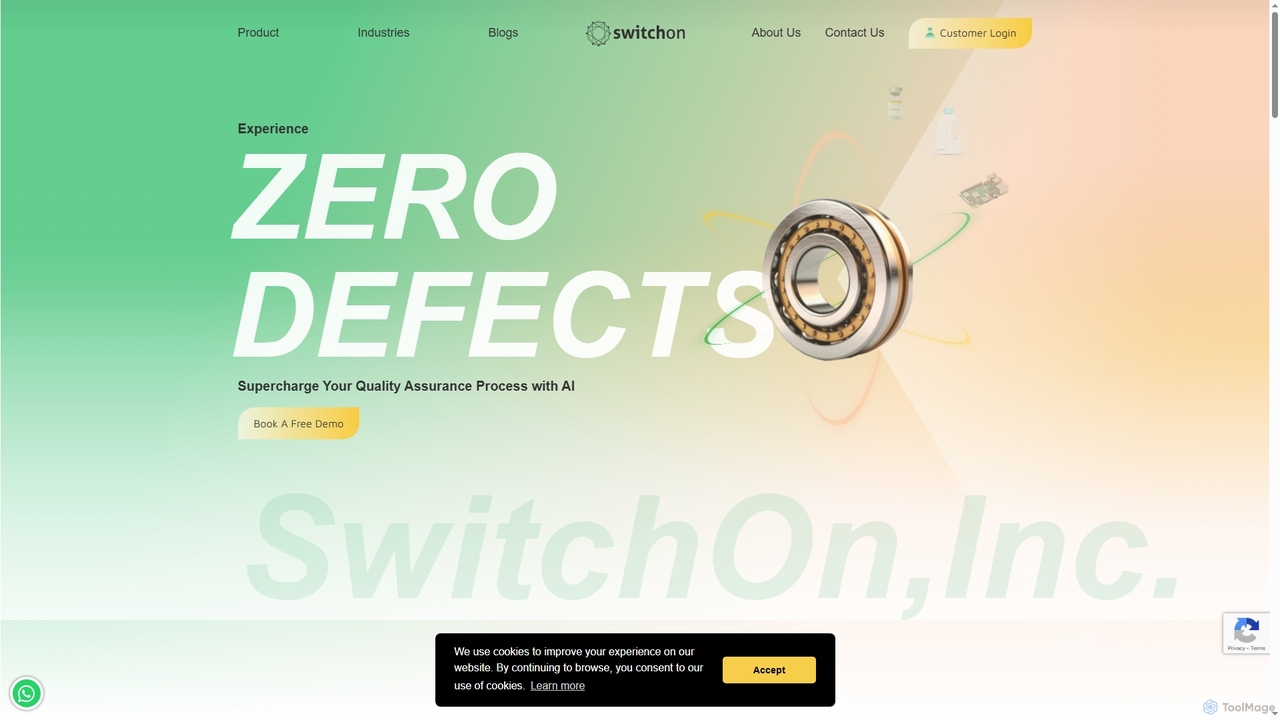
SwitchOn is an AI-powered quality inspection platform for manufacturers, leveraging advanced computer vision to ensure zero-defect production. It rapidly detects visual defects across various industries like automotive, pharma, consumer goods, and electronics, significantly reducing costs and boosting accuracy to over 99.95% at high speeds of 1000+ parts per minute.

Defect Detection
Visits 26.3KFavorites 24Likes 23
Seed

Seed

Seed is ByteDance's advanced AI research initiative focused on building general artificial intelligence. They develop foundational models across various domains including multimodal, vision, speech, robotics, and LLMs, driving innovation in both academic research and real-world applications.

Foundational Models
Visits 884KFavorites 106Likes 105
Scematics
Paid

Scematics

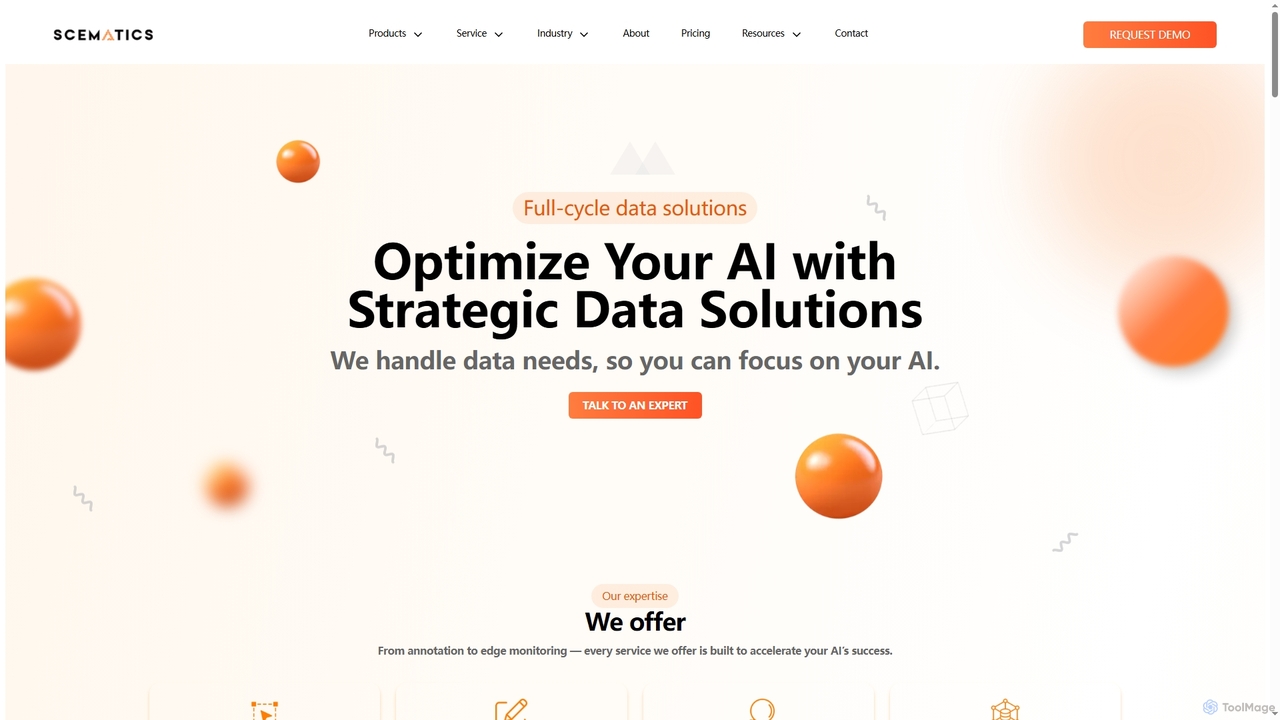
Scematics is an all-in-one data annotation and labeling platform that provides strategic data solutions to optimize AI models. It offers intuitive tools, expert annotation services, edge case monitoring, and synthetic data generation, enabling teams to build high-quality, scalable training datasets for various AI applications across diverse industries.

3D
Visits 4KFavorites 114Likes 110
OneNine

OneNine

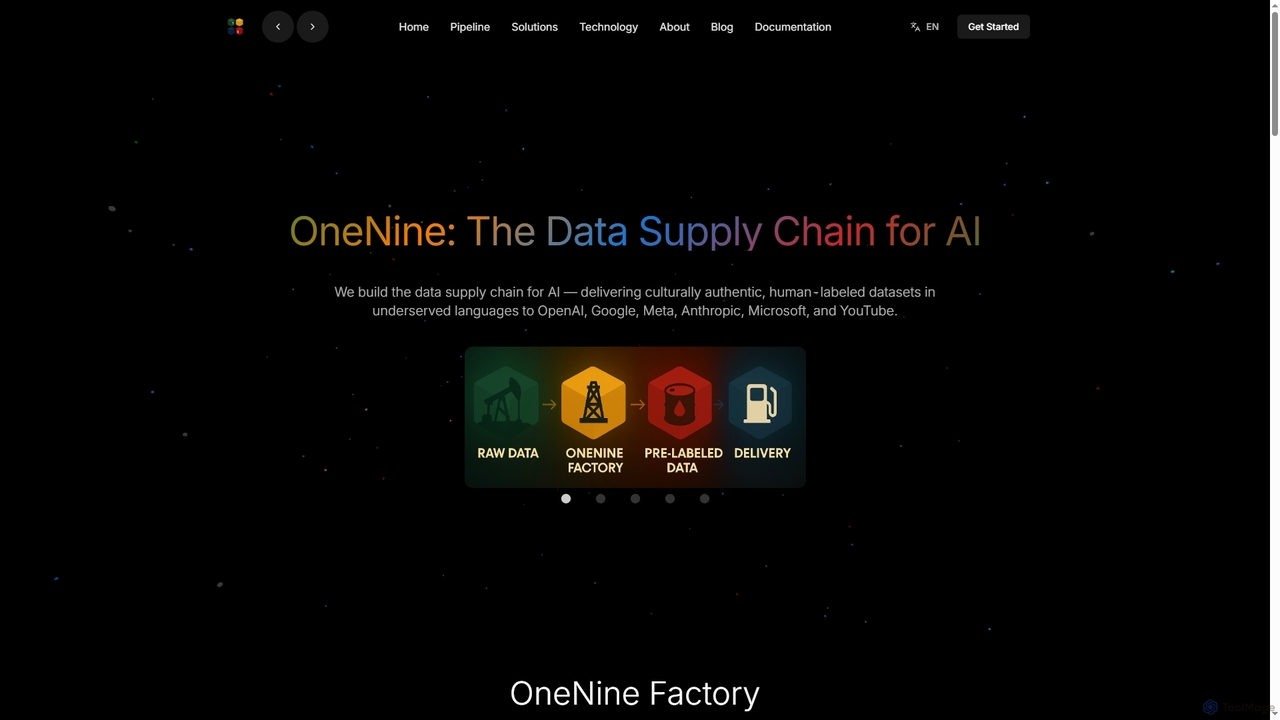
OneNine is the data supply chain for AI, specializing in delivering high-quality, culturally authentic, human-labeled datasets in underserved languages to leading AI companies. It bridges the linguistic gap, enabling more inclusive and accurate AI models globally.

Training Data
Visits 4.2KFavorites 128Likes 127
Slaice
Freemium

Slaice

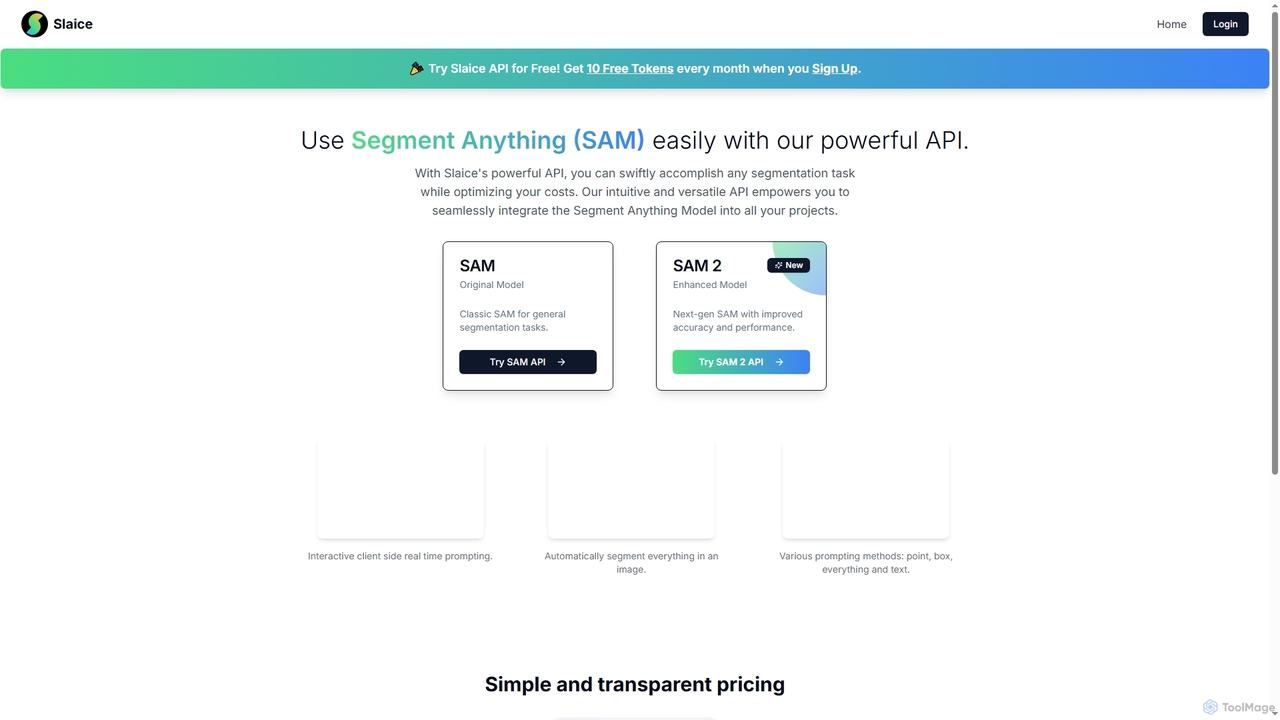
Slaice provides a powerful and intuitive API for seamless integration of the Segment Anything Model (SAM) into any project. It offers both the classic SAM and the enhanced SAM 2, enabling efficient and cost-optimized image segmentation tasks. Users can leverage various prompting methods like point, box, everything, and text for precise object isolation.

Object Detection
Visits 6.1KFavorites 146Likes 140
Overview.ai

Overview.ai

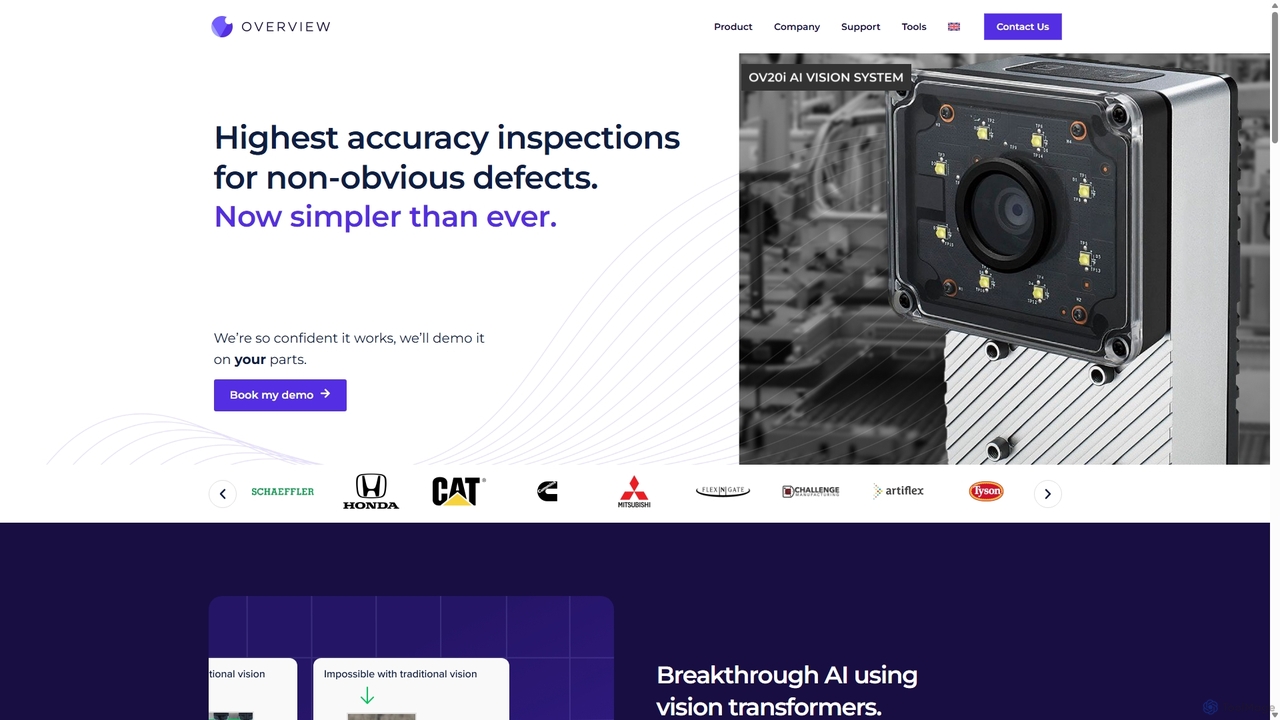
Overview.ai provides a next-generation AI industrial vision system, the OV20i, designed for high-accuracy defect detection in manufacturing. Leveraging vision transformers and deep learning, it identifies non-obvious flaws that traditional systems and human inspectors miss. The system is incredibly easy to use, requires no programming, and deploys in hours, dramatically accelerating time-to-value for manufacturers in automotive, medical, and other industries.

Defect Detection
Visits 38.8KFavorites 107Likes 111
Chooch
Freemium

Chooch

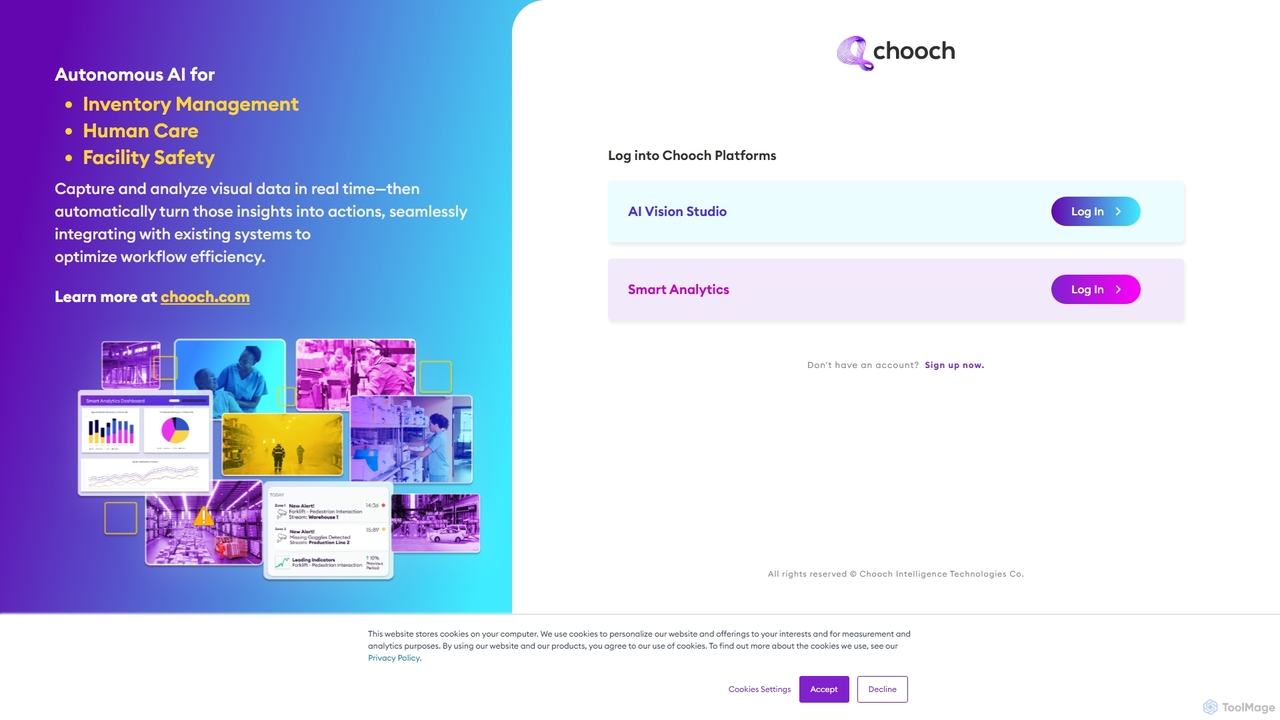
Chooch is an advanced AI computer vision platform that enables real-time analysis of visual data from any camera source. It specializes in autonomous solutions for inventory management, facility safety, and human care. The platform allows users to build, train, and deploy custom AI models to detect objects, actions, and anomalies, seamlessly integrating with existing systems to automate workflows and enhance operational efficiency.

Workflow Automation
Visits 4.3KFavorites 127Likes 129
Fyusion
Paid

Fyusion

Fyusion is an advanced AI platform specializing in automotive visual intelligence. It uses computer vision and 3D imaging technology to create interactive 360° vehicle models and automatically detect damage like dents, dings, and scratches. This technology provides objective, detailed condition reports, streamlining processes for dealerships, auctions, and fleet management.

Vehicle Inspection
Visits 4.6KFavorites 136Likes 134
Ocular AI
Paid

Ocular AI

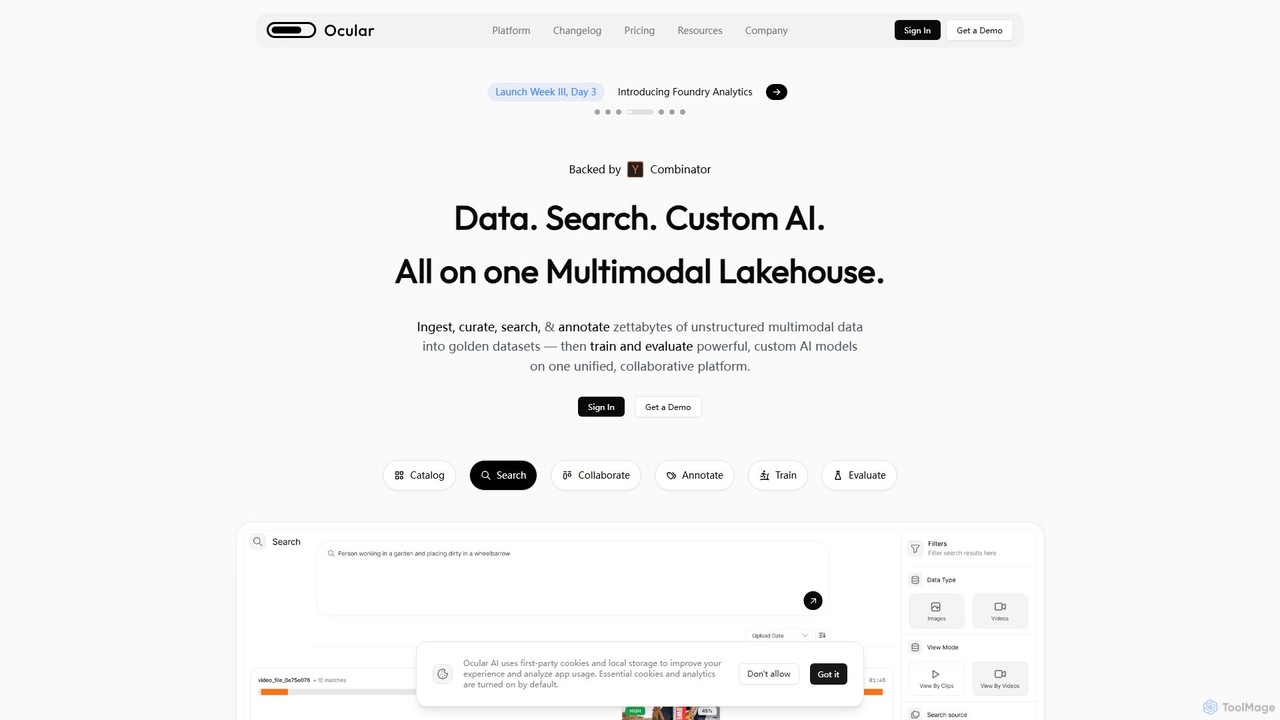
Ocular AI is an end-to-end platform for the multimodal AI era, enabling teams to ingest, curate, search, and annotate zettabytes of unstructured data. It provides a unified multimodal lakehouse, advanced search, and tools for training and evaluating custom AI models, accelerating the entire AI development lifecycle.

Image Recognition
Visits 7.2KFavorites 100Likes 102
PowerSpect
Paid

PowerSpect

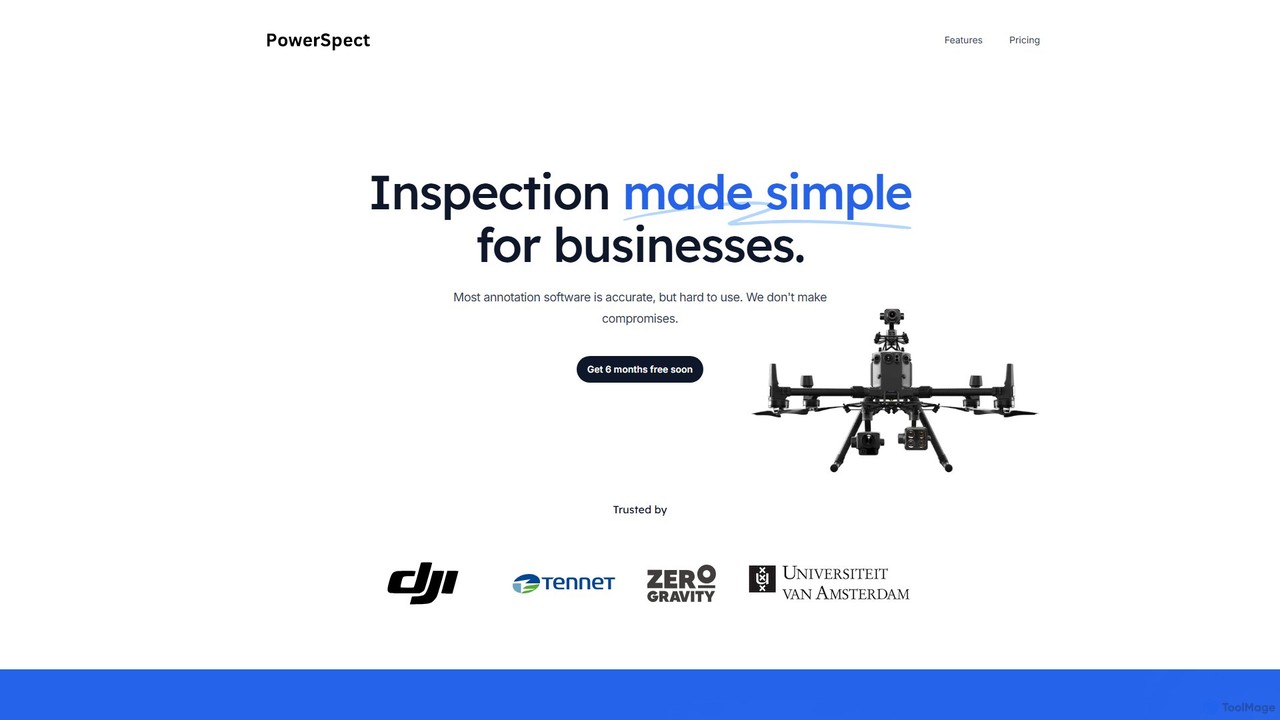
PowerSpect is an AI-powered platform that simplifies and automates infrastructure inspection. It utilizes advanced computer vision, 3D modeling, and predictive analytics to analyze data from images and sensors. Designed for industries like energy and utilities, it helps detect potential issues, forecast maintenance needs, and ensure the safety and reliability of critical assets like transmission towers.

Object Detection
Visits 4.1KFavorites 120Likes 134
Rekor
Paid

Rekor

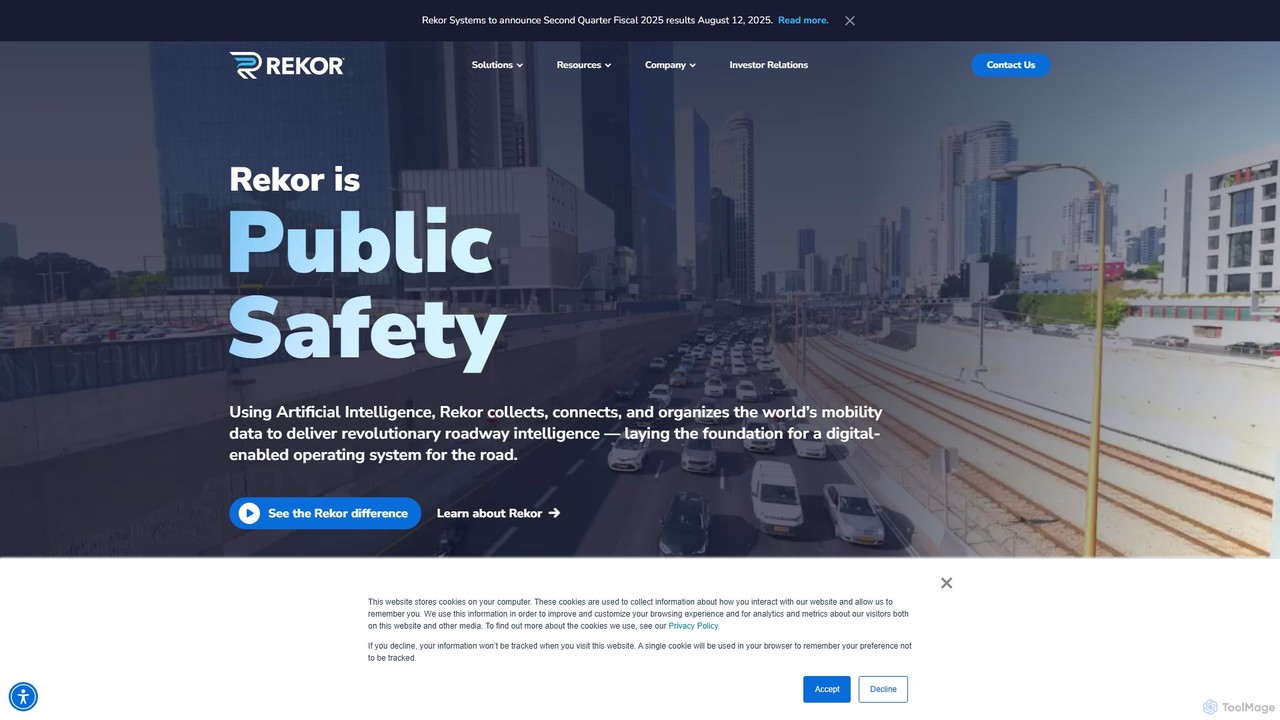
Rekor is an AI-powered roadway intelligence platform that collects, connects, and organizes global mobility data. It provides actionable insights for transportation, government, law enforcement, and commercial sectors to enhance safety, efficiency, and urban planning through advanced computer vision and machine learning.

Image Recognition
Visits 22.4KFavorites 120Likes 119
SnapMeasureAI
Freemium

SnapMeasureAI

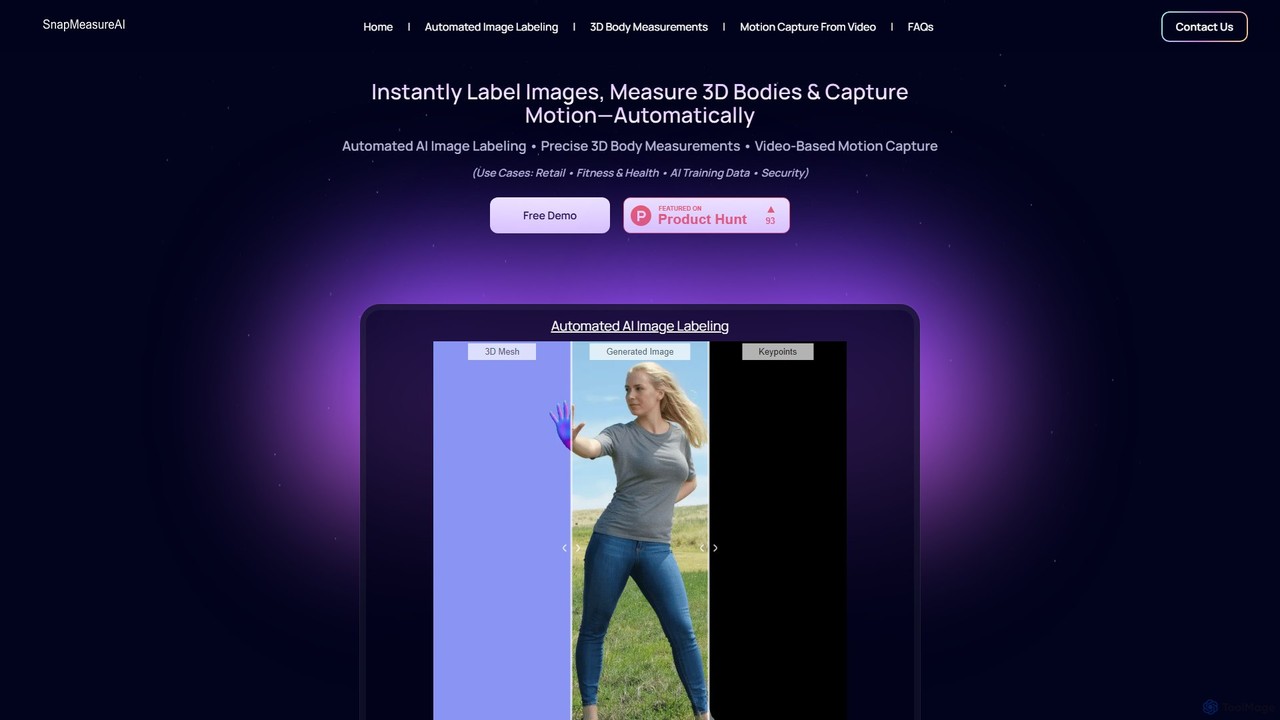
SnapMeasureAI is an advanced AI platform offering three core solutions: precise 3D body measurements from photos to reduce retail returns, automated generation of perfectly labeled image datasets for AI training, and markerless 3D motion capture from standard videos for animation and analysis.

Motion Capture
Visits 4.4KFavorites 115Likes 131
Intelgic
Paid

Intelgic

Intelgic provides comprehensive AI-powered machine vision solutions for industrial automation. Specializing in high-speed, high-precision defect detection, their system integrates custom hardware (cameras, lighting, robotics) with proprietary "Live Vision AI" software to ensure quality control in manufacturing environments like automotive, electronics, and material processing.

Industrial Automation
Visits 21.5KFavorites 89Likes 111
Fyusion
Paid

Fyusion

Fyusion is an advanced AI technology company specializing in vehicle damage detection and 3D imaging for the automotive industry. By combining high-resolution imagery with sophisticated machine learning, Fyusion provides detailed and accurate vehicle condition reports, helping dealerships, auctions, and fleets streamline inspections and enhance transparency.

Vehicle Inspection
Visits 4.4KFavorites 108Likes 118
Unitlab
Paid

Unitlab

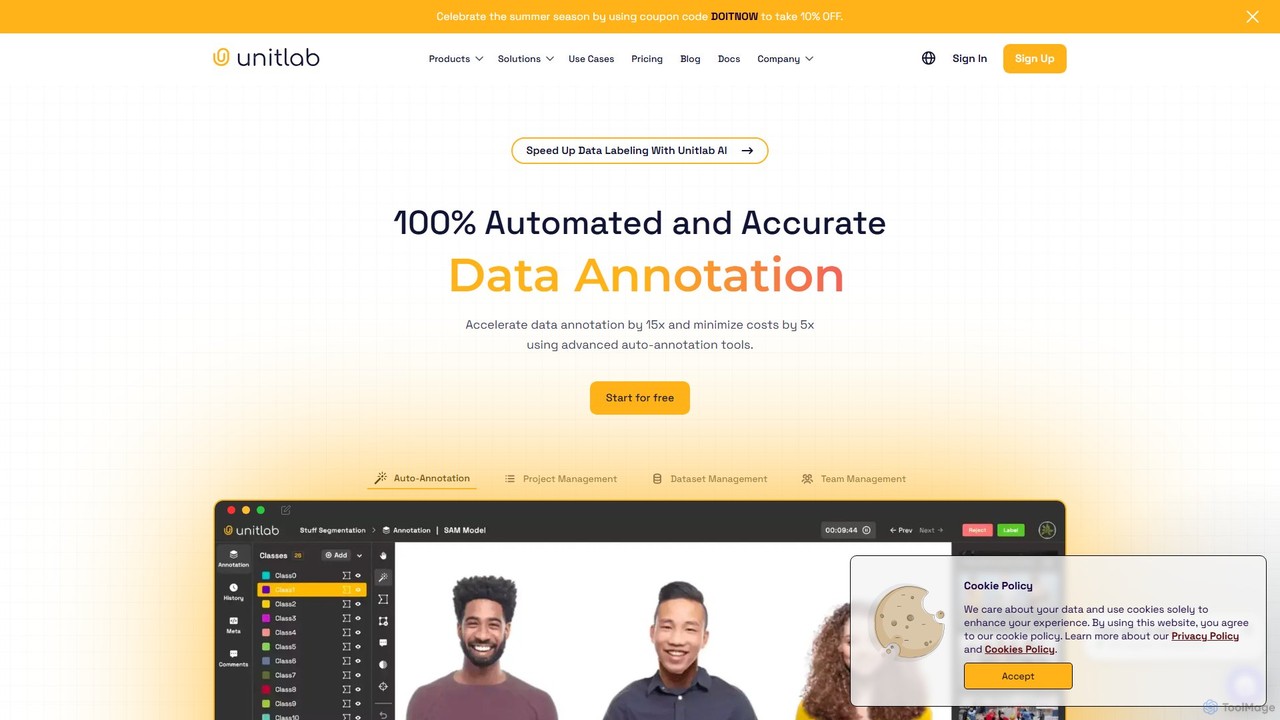
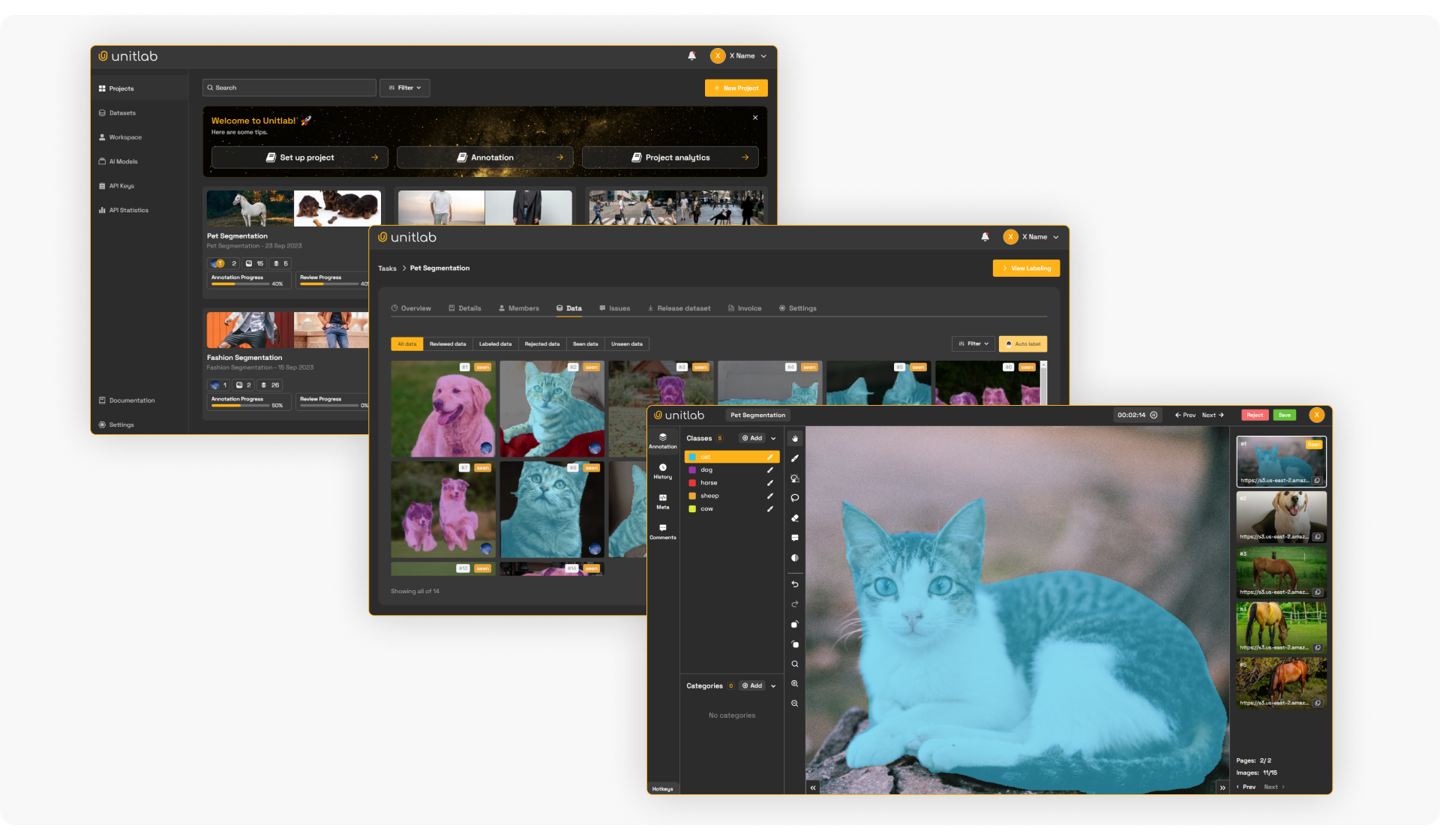
Unitlab is a streamlined data annotation platform designed for computer vision projects. It provides a comprehensive suite of tools for data annotation, dataset management, and model management. The platform supports various annotation types and offers AI-assisted labeling to accelerate workflows, making it ideal for industries like healthcare, agriculture, robotics, and autonomous driving.

Dataset Management
Visits 8.6KFavorites 131Likes 116

About Computer Vision

Computer Vision tools are AI-powered solutions that enable computers to interpret and understand visual information from the world, much like human eyes and brains. These tools leverage advanced machine learning algorithms, including deep learning, to process and analyze images and videos. They are invaluable for tasks ranging from object detection and facial recognition to autonomous navigation and quality control, transforming industries by automating visual inspection and data extraction. By converting visual data into actionable insights, Computer Vision enhances efficiency and accuracy across diverse applications.

Core Features

  • Object Detection & Recognition: Identifies and locates specific objects within images or video streams.
  • Image Segmentation: Divides an image into multiple segments or objects, often pixel by pixel.
  • Facial Recognition & Analysis: Detects and identifies human faces, analyzing expressions or attributes.
  • Optical Character Recognition (OCR): Extracts text from images, converting it into machine-readable format.
  • Motion Tracking & Analysis: Monitors and analyzes the movement of objects or individuals over time.

Use Cases

Computer Vision tools are widely adopted across various sectors. In manufacturing, they automate quality control by detecting defects on production lines. Autonomous vehicles rely on Computer Vision for real-time environment perception, including lane keeping and pedestrian detection. Healthcare professionals use these tools for analyzing medical images like X-rays and MRIs, assisting in disease diagnosis and treatment planning.

How to Choose

When selecting Computer Vision tools, prioritize accuracy and robustness for reliable performance in diverse conditions. Consider scalability to handle varying data volumes and processing speeds. Evaluate integration capabilities with existing systems and platforms. Finally, assess the ease of use, including API documentation and available pre-trained models, to ensure efficient implementation and development.

Featured tool rankings

Computer Vision use cases

1

Automated Defect Detection in Manufacturing

Manufacturing engineers use Computer Vision to automatically inspect products on assembly lines, identifying flaws like scratches, misalignments, or missing components. This reduces manual inspection time by up to 90% and ensures consistent product quality, preventing defective items from reaching consumers.

2

Customer Behavior Analysis in Retail Stores

Retail managers deploy Computer Vision systems to analyze customer traffic patterns, dwell times in specific areas, and product interactions. This data helps optimize store layouts, product placement, and staffing levels, leading to improved sales strategies and enhanced shopping experiences.

3

Real-time Environmental Perception for Autonomous Vehicles

Autonomous vehicle developers integrate Computer Vision to enable cars to "see" and understand their surroundings. The tools detect pedestrians, other vehicles, traffic signs, and lane markings, providing critical data for navigation, collision avoidance, and safe operation in complex environments.

4

Assisting Medical Image Analysis and Diagnosis

Radiologists and medical researchers utilize Computer Vision to analyze complex medical images such as X-rays, MRIs, and CT scans. These tools can highlight anomalies, detect early signs of diseases like tumors, and quantify changes over time, significantly aiding in faster and more accurate diagnoses.

5

Enhanced Security Monitoring and Anomaly Detection

Security personnel use Computer Vision for intelligent surveillance systems. These tools can automatically detect unusual activities, identify unauthorized access, or track suspicious individuals in real-time across large areas, improving response times and overall safety in public or private spaces.

6

Precision Agriculture for Crop Health and Yield Optimization

Farmers and agronomists employ Computer Vision to monitor crop health, detect diseases, and assess nutrient deficiencies from drone or satellite imagery. This allows for targeted interventions, optimizing pesticide and fertilizer use, and ultimately increasing crop yields and sustainability.

Computer Vision FAQ

What is Computer Vision?

Computer Vision is a field of artificial intelligence that trains computers to interpret and understand the visual world. It enables machines to process images and videos to perform tasks like object detection, facial recognition, and scene understanding. These tools are crucial for automating visual tasks and extracting valuable insights from visual data across various industries.

How do I choose the right Computer Vision tool for my project?

To choose the right Computer Vision tool, consider your specific application's accuracy requirements, the type and volume of data you'll process, and the necessary processing speed. Evaluate the tool's integration capabilities with your existing infrastructure, its scalability, and the availability of pre-trained models or customization options. Also, factor in cost, support, and ease of development.

What are the main functions of Computer Vision tools?

Computer Vision tools offer a range of core functions. These include object detection and recognition (identifying specific items), image segmentation (dividing images into meaningful regions), facial recognition (identifying individuals), optical character recognition (extracting text), and motion tracking (analyzing movement). These functions form the basis for diverse applications.

Which industries benefit most from Computer Vision?

Many industries significantly benefit from Computer Vision. Manufacturing uses it for quality control, healthcare for diagnostics, retail for customer analytics, and automotive for autonomous driving. Security and surveillance, agriculture, logistics, and media also leverage Computer Vision for automation, analysis, and enhanced decision-making.

What is the difference between Computer Vision and traditional Image Processing?

While related, Computer Vision goes beyond traditional Image Processing. Image Processing focuses on manipulating and enhancing images (e.g., filtering, resizing) using predefined algorithms. Computer Vision, however, aims to enable machines to "understand" the content of images and videos, often using AI and machine learning to interpret complex visual data and make decisions, rather than just altering pixels.