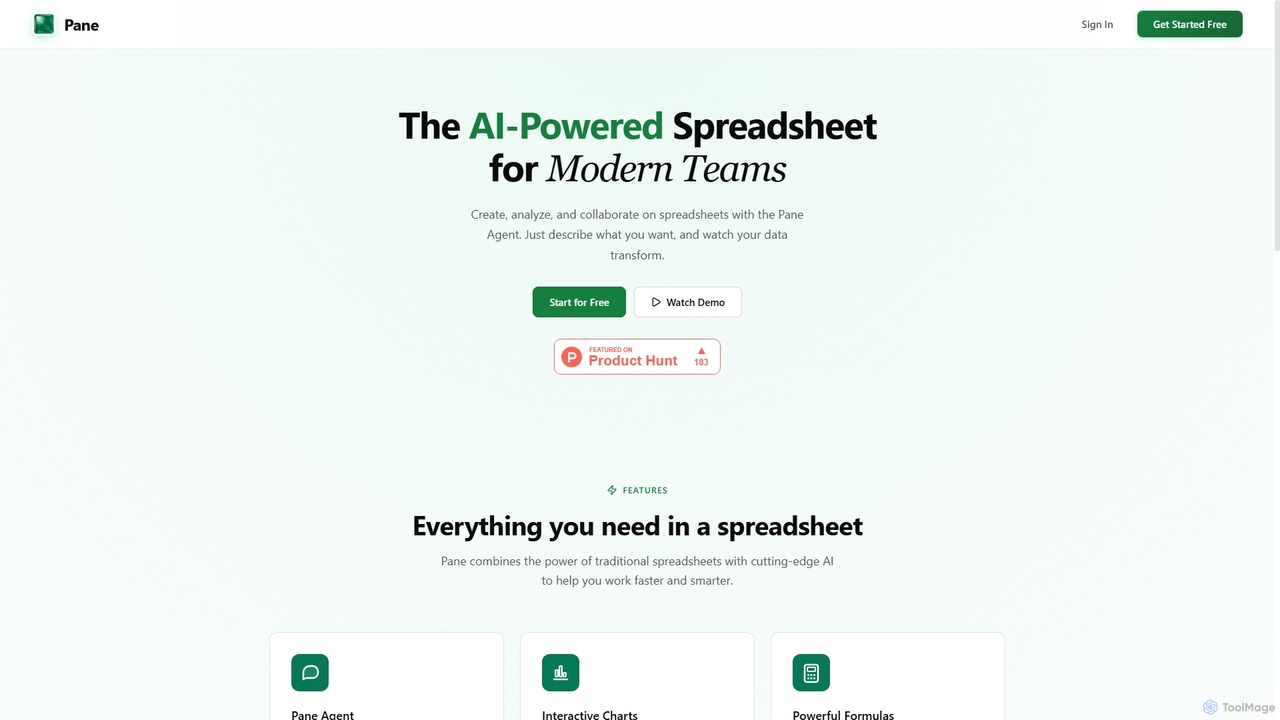
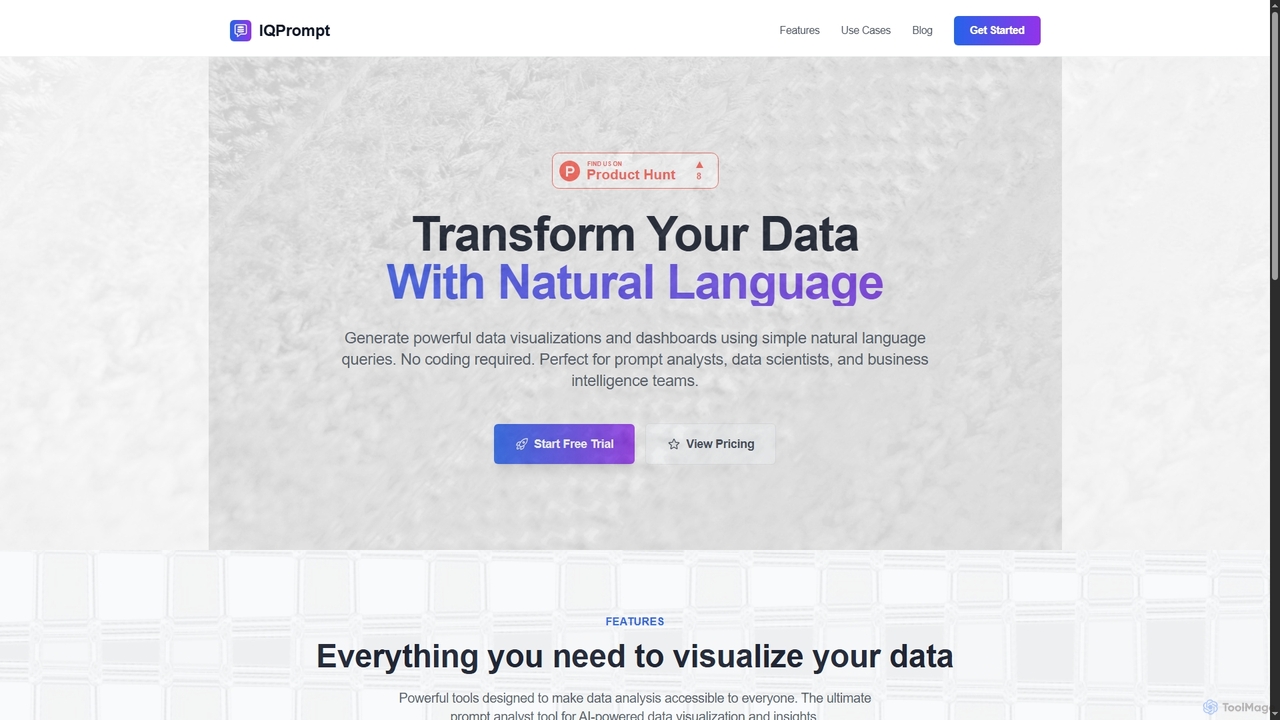
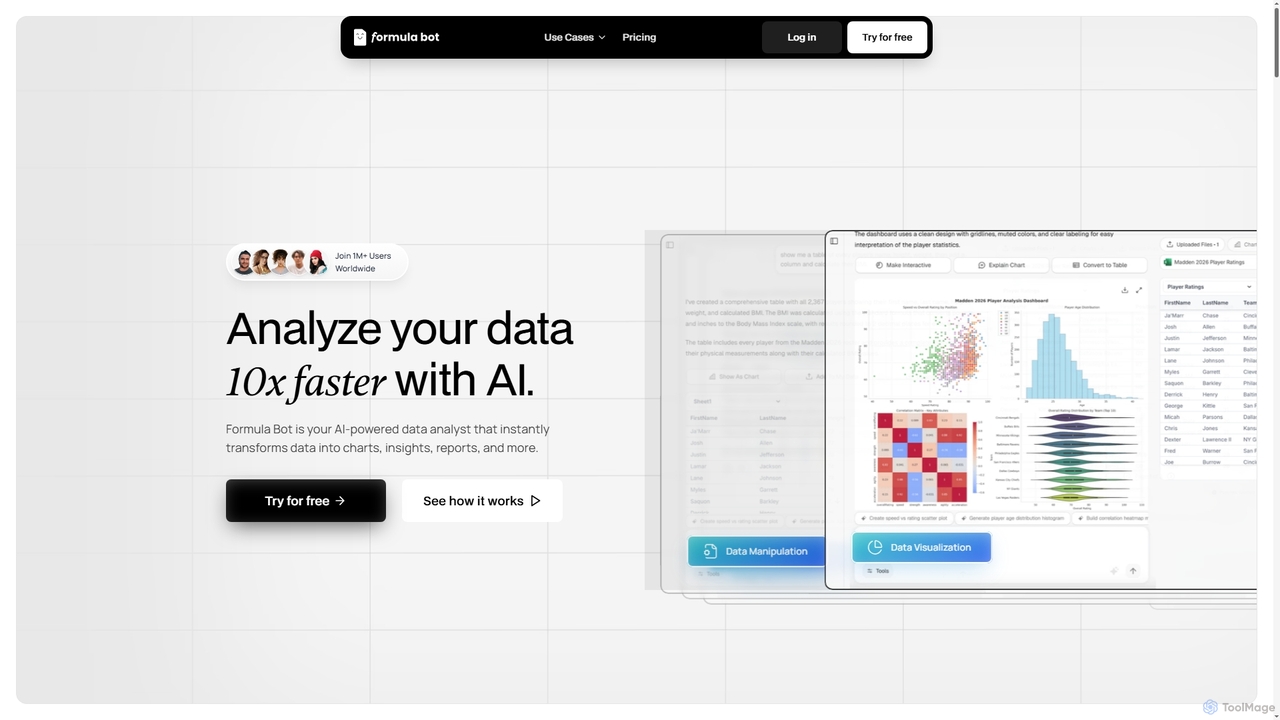
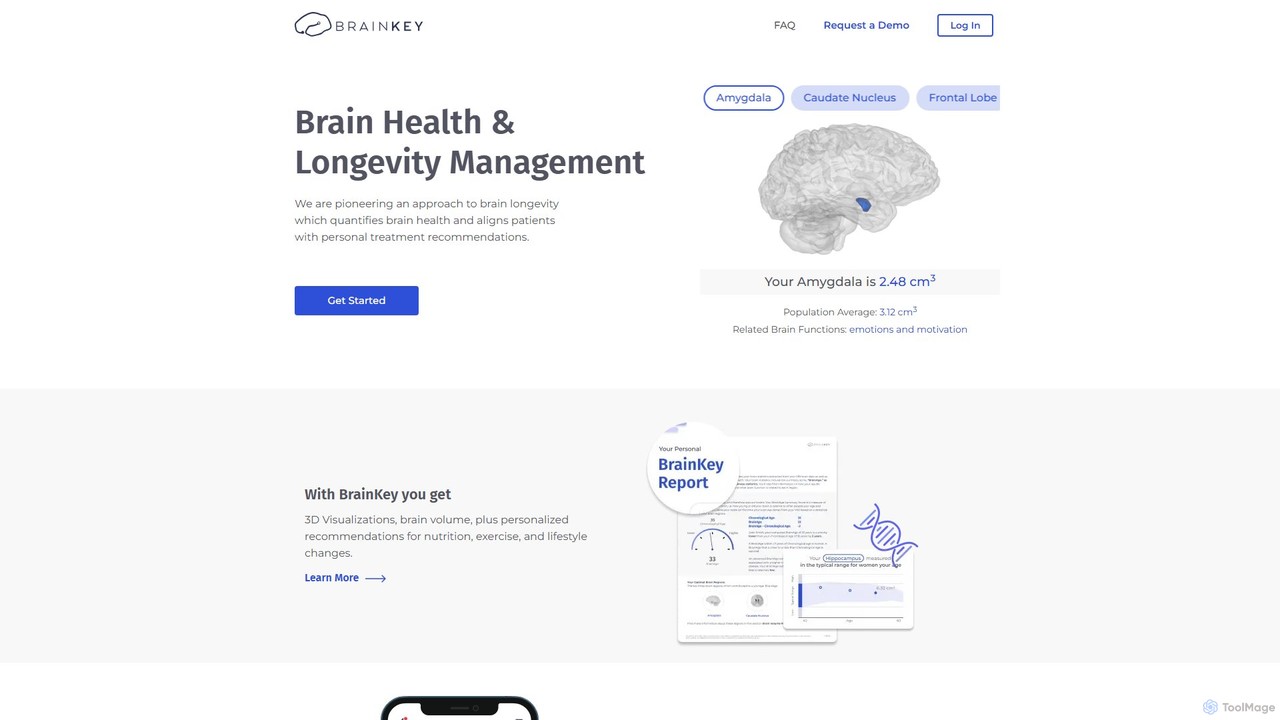
Visualization tools are AI-powered platforms that transform complex datasets into intuitive visual representations. They leverage artificial intelligence to automate chart generation, identify hidden patterns, and enable interactive data exploration. These tools empower users to quickly grasp insights, communicate findings effectively, and make data-driven decisions. Their advanced capabilities extend beyond traditional charting, offering predictive and prescriptive visual analytics.
Core Features
- Automated Chart Generation: AI suggests and creates optimal charts (e.g., bar, line, scatter, heatmaps) based on data characteristics and user queries.
- Interactive Dashboards: Dynamic, customizable dashboards allow users to drill down into data, filter, and explore relationships in real-time.
- Anomaly Detection: AI algorithms automatically highlight unusual data points or outliers that might indicate critical issues or opportunities.
- Natural Language Query (NLQ): Users can ask questions in plain language (e.g., "Show me sales by region last quarter") to generate visualizations instantly.
- Predictive Visualization: Tools can forecast future trends and visualize potential outcomes based on historical data and AI models.
Applicable Scenarios
Business analysts use visualization tools to create performance dashboards, tracking KPIs like sales, marketing ROI, and operational efficiency. Data scientists leverage them for exploratory data analysis, identifying correlations and distributions in large datasets. Marketing teams utilize these tools to visualize campaign performance, customer behavior, and market trends, optimizing strategies for better engagement.
How to Choose
When selecting an AI visualization tool, consider its data source compatibility (e.g., databases, cloud services, spreadsheets), the range of visualization types offered, and its ease of use for non-technical users. Evaluate the AI capabilities for automated insights and natural language processing, as well as integration options with existing business intelligence platforms. Scalability for large datasets and pricing models are also crucial factors.