Best of the Year 5 results Data Analysis AI Tools

Popular AI tools in the Data Analysis field include Meeko、Kairo、SnapScale、Fitwoody、Locks, etc., helping you quickly improve efficiency.

SnapScale

SnapScale

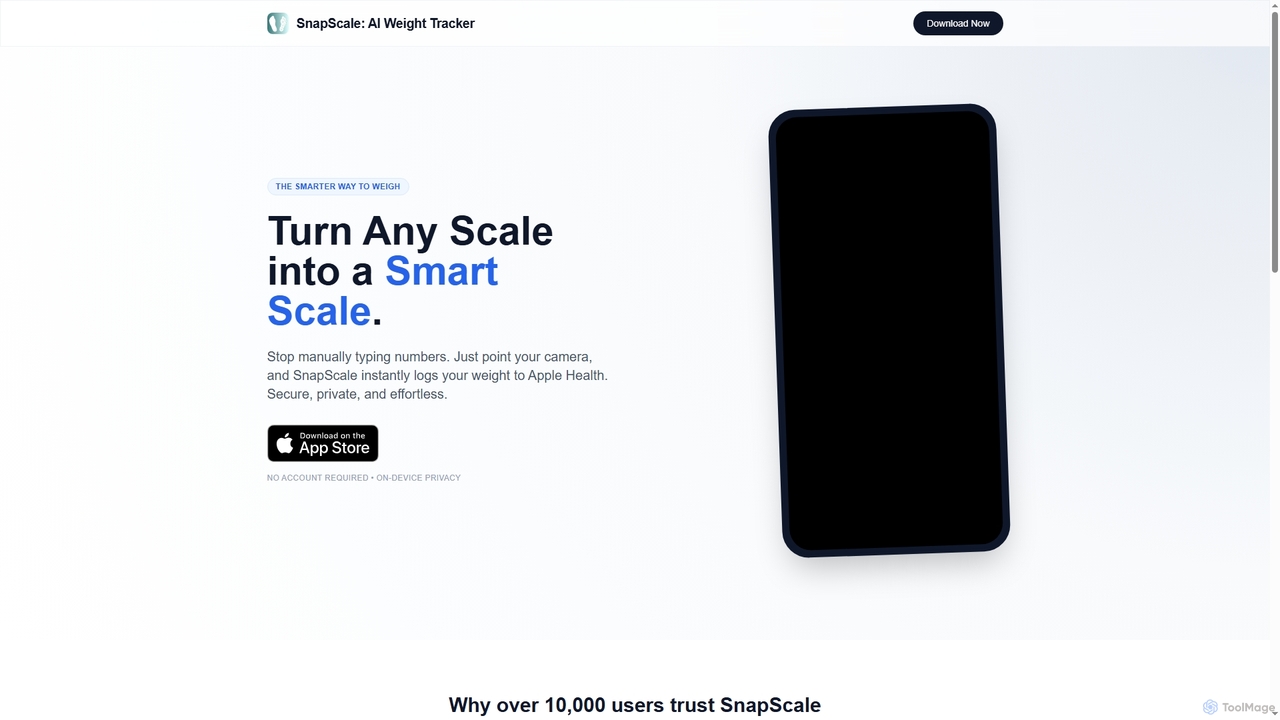
SnapScale is an innovative mobile application that transforms any traditional bathroom scale into a smart weight tracking device. …

2.4K
Kairo

Kairo

Kairo is an AI-powered desktop assistant for macOS that integrates seamlessly into your workflow, eliminating the need to …

2.7K
Fitwoody

Fitwoody

Fitwoody is an intelligent fitness app that builds lasting habits by adapting to your unique energy and mood. …

2.2K
Meeko

Meeko

Meeko is an AI-powered coach for League of Legends, designed to help players improve their gameplay 24/7. It …

21.9K
Locks

Locks

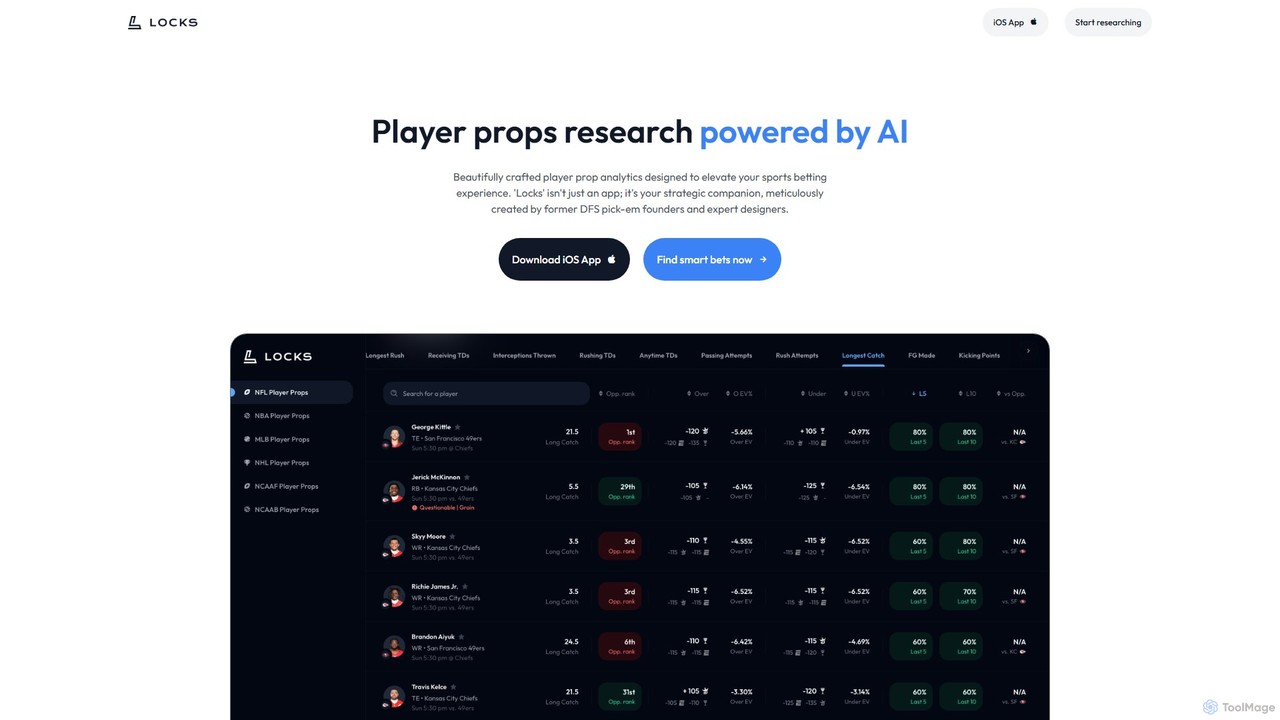
An AI-powered iOS app for sports betting research, specializing in player props. It uses proprietary algorithms to identify …

2.1K

About Data Analysis

Data Analysis AI tools are AI-powered solutions designed to process, interpret, and visualize complex datasets to uncover valuable insights. These tools leverage machine learning algorithms, natural language processing, and advanced statistical models to automate data preparation, identify patterns, predict future trends, and support informed decision-making. They transform raw data into actionable intelligence, enabling businesses and individuals to gain a competitive edge and optimize operations.

Core Features

  • Automated Data Cleaning: Automatically identifies and corrects errors, inconsistencies, and missing values in datasets.
  • Predictive Modeling: Builds models to forecast future outcomes, trends, and behaviors based on historical data.
  • Anomaly Detection: Pinpoints unusual patterns or outliers in data that may indicate critical issues or opportunities.
  • Natural Language Query: Allows users to ask data-related questions in plain language and receive instant, insightful answers.
  • Interactive Visualization: Generates dynamic charts, graphs, and dashboards for clear and intuitive data exploration.

Use Cases

These tools are indispensable across various sectors, from finance and marketing to healthcare and logistics. Businesses utilize them for market trend analysis, customer segmentation, and operational optimization. Researchers apply them for complex scientific data interpretation, while financial institutions rely on them for risk assessment and fraud detection.

How to Choose

When selecting a Data Analysis AI tool, consider its compatibility with your existing data sources and formats, the depth of its analytical capabilities (e.g., predictive, prescriptive), its ease of use and visualization features, and its integration potential with other business intelligence platforms. Scalability, security, and pricing models are also crucial factors to ensure it meets your long-term needs.

Data AnalysisUse Cases

1

Predictive Sales Forecasting

Sales teams utilize AI data analysis tools to forecast future sales volumes and revenue with high accuracy. By analyzing historical sales data, market trends, seasonal patterns, and external economic indicators, these tools provide actionable insights, helping managers optimize inventory, allocate resources effectively, and set realistic sales targets, leading to improved revenue generation and reduced stockouts.

2

Customer Behavior Segmentation

Marketing professionals employ AI to segment customer bases into distinct groups based on purchasing habits, demographics, and online interactions. This allows for highly personalized marketing campaigns, product recommendations, and customer service strategies. Understanding these segments enables businesses to tailor their offerings, increase customer engagement, and maximize conversion rates.

3

Financial Fraud Detection

Financial institutions deploy AI data analysis to identify and flag suspicious transactions in real-time. By continuously monitoring vast amounts of transaction data, AI algorithms can detect subtle anomalies and patterns indicative of fraudulent activity that human analysts might miss. This proactive approach significantly reduces financial losses and enhances security for customers.

4

Optimizing Supply Chain Logistics

Logistics and operations managers leverage AI to analyze complex supply chain data, including inventory levels, shipping routes, supplier performance, and demand fluctuations. AI tools identify inefficiencies, predict potential disruptions, and recommend optimal strategies for inventory management, route planning, and warehouse operations, leading to cost savings and improved delivery times.

5

Healthcare Patient Outcome Prediction

Medical professionals use AI data analysis to interpret patient data, including medical images, lab results, and electronic health records. AI algorithms can assist in identifying disease patterns, predicting patient risks, and suggesting personalized treatment plans. This enhances diagnostic accuracy, supports clinical decision-making, and ultimately improves patient outcomes.

6

Automated Market Trend Analysis

Business strategists and market researchers utilize AI to continuously scan and analyze vast amounts of unstructured data from news, social media, and industry reports. These tools automatically identify emerging market trends, competitive shifts, and consumer sentiment, providing timely intelligence that informs strategic planning, product development, and competitive positioning.

Data AnalysisFrequently Asked Questions