Data Best in category 2 results Data Aggregation AI Tool

Popular AI tools in the Data Aggregation field of Data include getphyllo、smartvel, etc., helping you quickly improve efficiency.

getphyllo

getphyllo

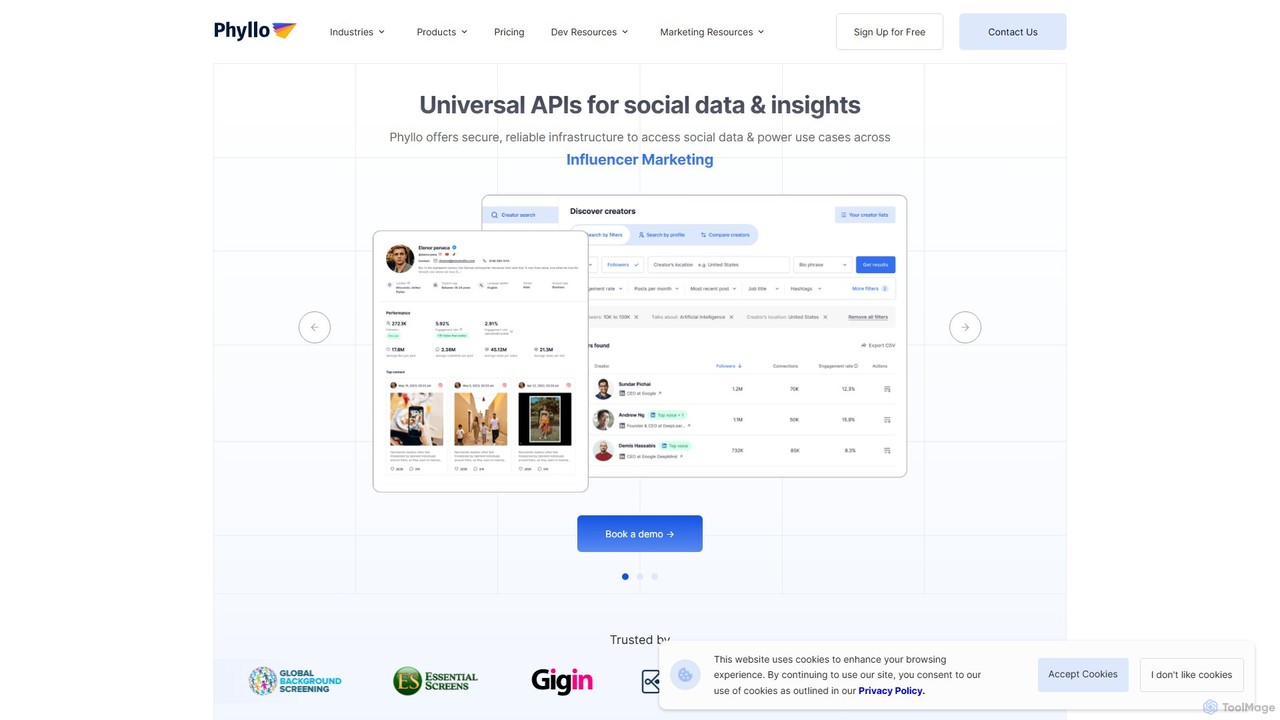
Phyllo provides a universal API for developers to securely access consented creator and social media data from over …

91.9K
smartvel

smartvel

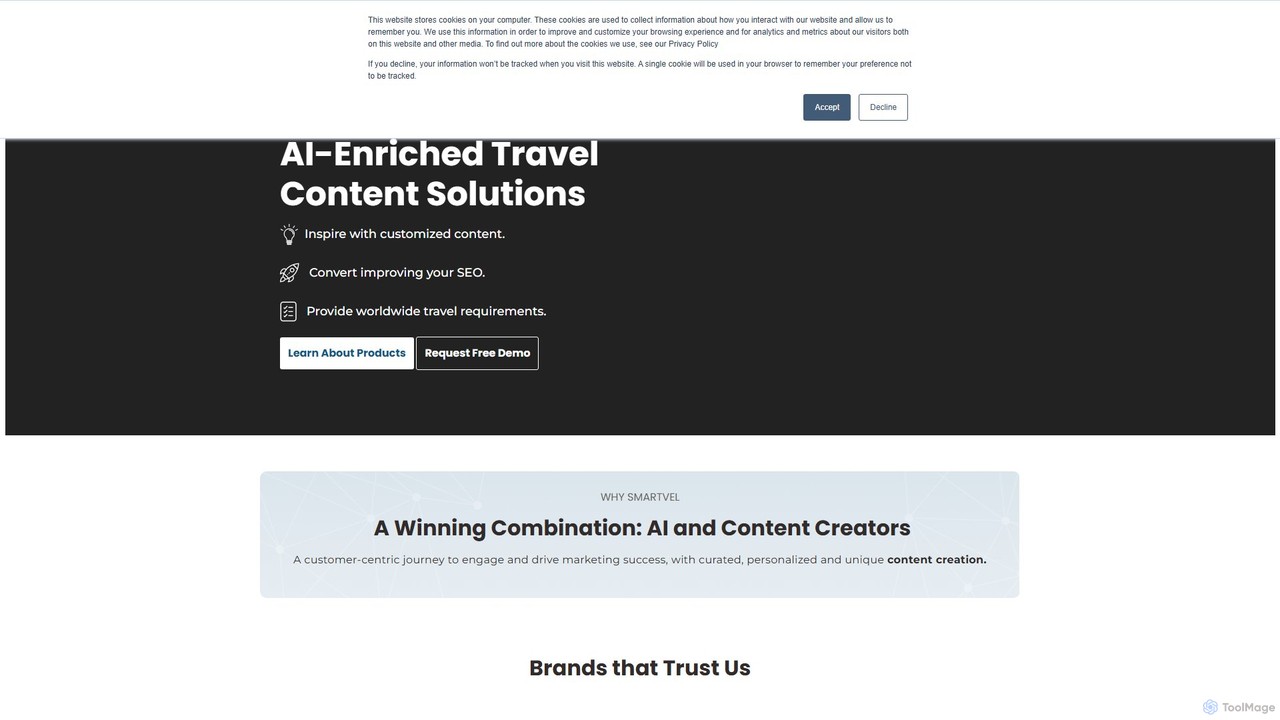
Smartvel is a B2B AI-powered Content-as-a-Service platform for the travel industry. It provides dynamic, multilingual, and customizable destination …

14.7K

About Data Aggregation

Data Aggregation tools are AI-powered platforms designed to automatically collect, combine, and consolidate information from multiple disparate sources into a single, unified dataset. These tools utilize advanced techniques like intelligent web scraping, API integration, and database connectors to gather both structured and unstructured data. Their primary value lies in creating a comprehensive and structured data foundation for analysis, enabling businesses to perform market research, competitive intelligence, and financial monitoring with greater accuracy and efficiency. Unlike simple data collection, AI-driven aggregators often include features for data cleaning, normalization, and structuring, preparing the information for immediate use.

Core Features

  • Multi-Source Collection: Gathers data from a wide range of sources including websites, APIs, social media, databases, and documents.
  • Automated Data Extraction: Uses AI to intelligently identify and extract specific data points from web pages and unstructured text, adapting to layout changes.
  • Data Consolidation and Unification: Merges information from different origins, removes duplicates, and standardizes formats into a single cohesive dataset.
  • Scheduled Automation: Allows users to set up recurring data collection tasks to ensure information is consistently up-to-date without manual intervention.
  • Data Transformation and Cleansing: Provides functionalities to clean, normalize, and structure raw data, making it ready for analysis or integration into other systems.

Use Cases

Data Aggregation tools are widely used by data analysts, market researchers, financial professionals, and sales teams. For instance, an e-commerce company might aggregate competitor pricing data from various online stores to optimize its own pricing strategy. A financial firm could consolidate market news, stock prices, and economic indicators from multiple feeds for comprehensive investment analysis.

How to Choose

When selecting a Data Aggregation tool, consider the following: First, evaluate its source compatibility—ensure it supports the websites, APIs, and databases you need to access. Second, assess its scalability to handle the volume and frequency of your data collection needs. Third, consider the user interface and technical requirements; some tools are no-code for business users, while others are API-first for developers. Finally, examine the tool's data quality and transformation capabilities to minimize manual data preparation.

Data AggregationUse Cases

1

Monitor Competitor Pricing in E-commerce

An e-commerce strategy manager needs to maintain competitive pricing for thousands of products. They use a data aggregation tool to automatically scrape product pages from key competitor websites every day. The tool extracts product names, prices, stock availability, and promotions. This data is consolidated into a centralized dashboard, allowing the manager to instantly compare prices, identify market trends, and adjust their own pricing strategy in near real-time to maximize sales and profit margins, saving dozens of manual hours each week.

2

Aggregate Financial News for Investment Analysis

A financial analyst at an investment firm needs to stay ahead of market-moving news. They set up a data aggregation tool to monitor hundreds of financial news websites, regulatory filing portals, and economic data sources in real-time. The tool is configured to filter for news related to specific companies and industries, aggregating headlines, summaries, and key figures into a single, structured feed. This automated process replaces hours of manual browsing, providing the analyst with timely, consolidated information to make faster and more informed trading decisions.

3

Build a Comprehensive Lead Generation List

A sales development representative (SDR) is tasked with building a list of potential leads in a new market segment. Instead of manually searching various platforms, the SDR uses a data aggregation tool. They configure it to scrape professional networking sites for individuals with specific job titles, extract company information from business directories, and pull contact details from corporate websites. The tool then consolidates this information, removes duplicates, and presents a clean, enriched list of prospects, reducing lead generation time by over 70% and improving the quality of initial outreach.

4

Track Brand Mentions and Public Sentiment

A public relations specialist needs to monitor how their brand is perceived online. They use a data aggregation tool to continuously scan social media platforms, news sites, blogs, and forums for mentions of their company and products. The AI-powered tool not only collects these mentions but also performs basic sentiment analysis, categorizing them as positive, negative, or neutral. This provides a real-time overview of public opinion, allowing the PR team to quickly respond to negative feedback, amplify positive stories, and measure the impact of their campaigns.

5

Compile Data for Academic Research

A university researcher is conducting a meta-analysis that requires data from hundreds of published studies across various online journals and databases. Manually finding and extracting this data would be extremely time-consuming. The researcher uses a data aggregation tool to automate the process. They provide the tool with a list of target journals and keywords. The tool then systematically scrapes the abstracts and results sections of relevant papers, extracting key statistics and findings into a structured spreadsheet. This automation accelerates the data collection phase of the research project from months to days.

6

Analyze the Real Estate Market

A real estate investment firm analyzes market trends to identify profitable opportunities. They employ a data aggregation tool to collect vast amounts of data from multiple sources: property listings from major real estate websites, historical sales data from public records, and demographic information from census databases. The tool consolidates all this information, allowing analysts to correlate property prices with neighborhood statistics, identify undervalued areas, and forecast market movements. This data-driven approach provides a significant competitive advantage over traditional analysis methods.

Data AggregationFrequently Asked Questions