ToolMage
Sign in

Best 5 Data Entry AI tools for Data

Popular Data Entry AI tools in Data include ValueMate, Logistify, SearchGPT, Get Colby, and ascenscia, helping you work more efficiently.

SearchGPT
Freemium

SearchGPT

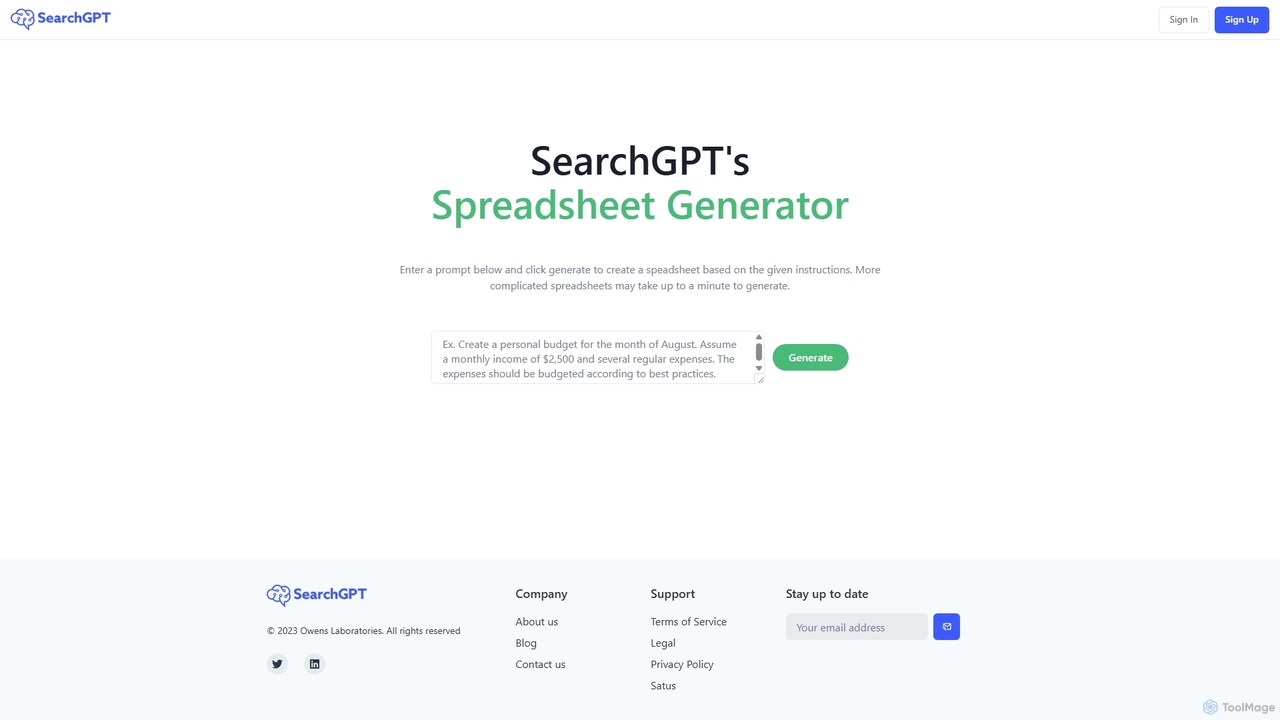
SearchGPT is an AI-powered spreadsheet generator that transforms simple text prompts into fully functional and data-populated spreadsheets. Instantly create complex tables, formulas, and reports, automating tedious data entry and analysis tasks to boost productivity.

Finance
Visits 5.1KFavorites 117Likes 125

Logistify
Freemium

Logistify

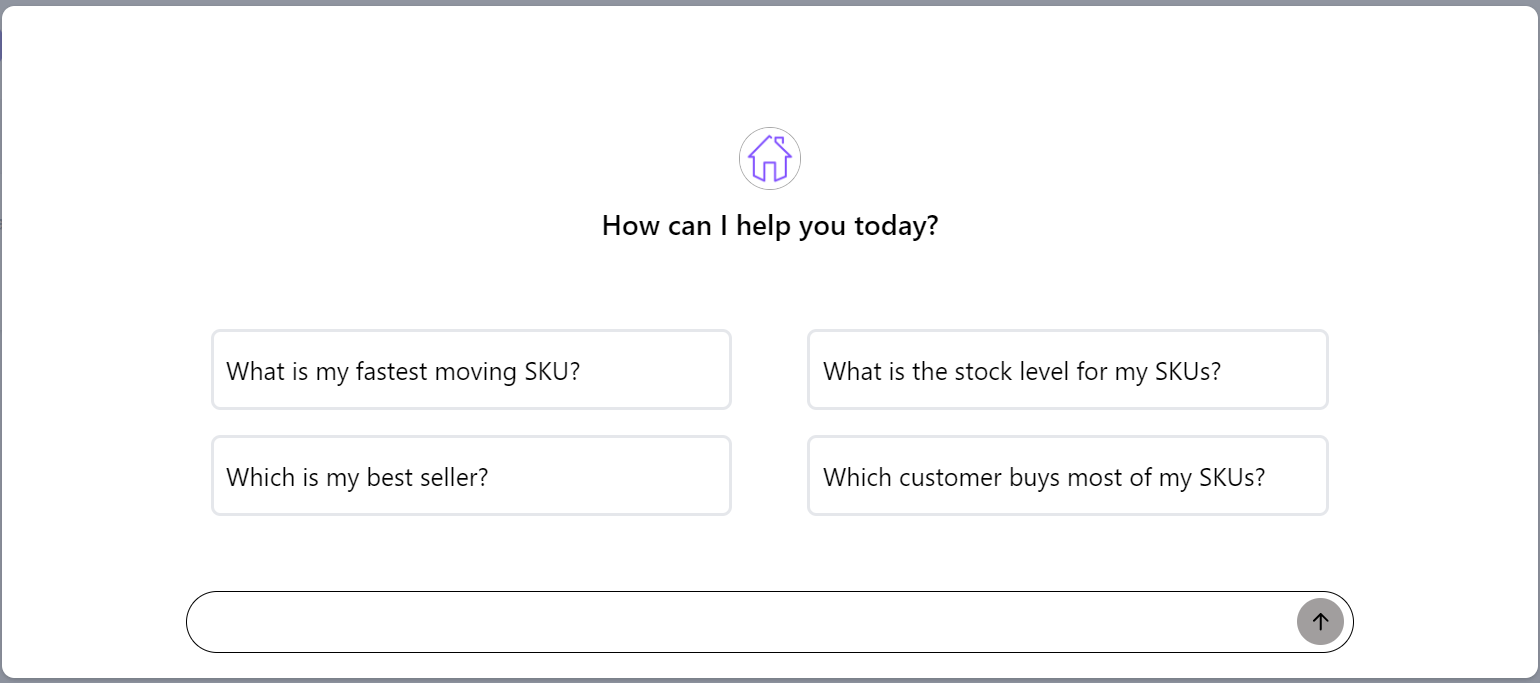
Logistify is an AI-powered assistant designed for supply chain and logistics managers. It deploys specialized AI agents to automate the entire lead-to-cash cycle, from demand forecasting and lead generation to sales order entry, inventory management, and procurement. By integrating seamlessly with existing ERP, WMS, and IMS systems, Logistify eliminates manual data entry, reduces errors, and frees up teams to focus on strategic growth.

Supply Chain Management
Visits 5.2KFavorites 138Likes 140
ascenscia
Paid

ascenscia

Ascenscia is a specialized AI voice assistant designed for scientific laboratories. It enables hands-free interaction with lab data, automates data capture, and integrates with existing ELN and LIMS systems. This tool helps optimize workflows, reduce errors, and accelerate R&D cycles with 97% accuracy in understanding complex scientific terminology.

Data Entry
Visits 3.4KFavorites 96Likes 103
ValueMate
Paid

ValueMate

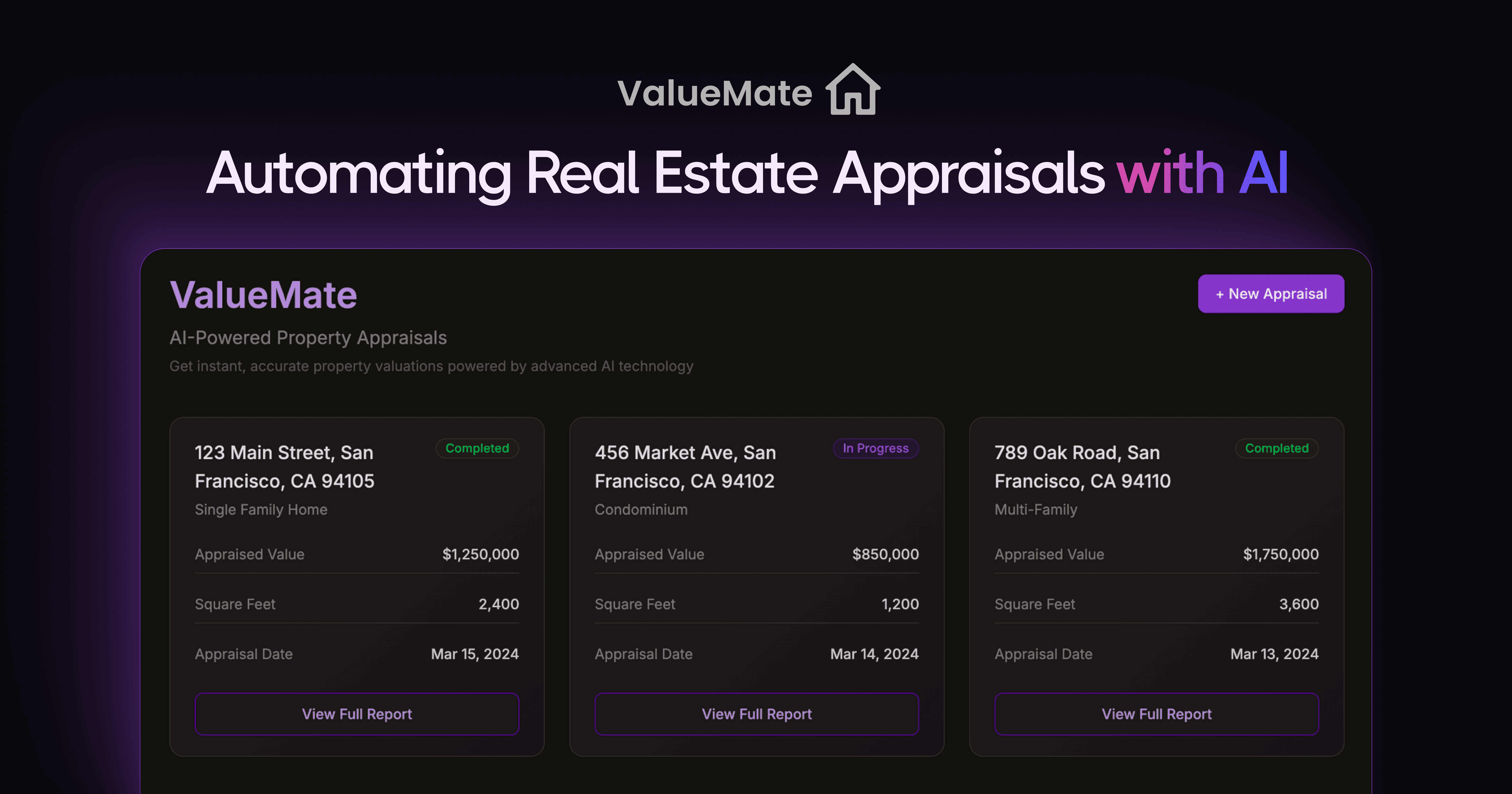
ValueMate is an AI-powered platform designed for residential property appraisers to streamline their workflow. By using mobile LiDAR scanning and AI, it automates the creation of 3D models, ANSI-compliant floorplans, and UAD 3.6 compliant appraisal reports. This enables appraisers to work up to 5 times faster, reduce turnaround times by over 80%, and ensure regulatory compliance with ease.

Operations
Visits 9.2KFavorites 127Likes 137

About Data Entry

AI Data Entry tools are a class of software that automates the extraction and input of information from various sources into structured digital formats. These tools leverage technologies like Optical Character Recognition (OCR) and Natural Language Processing (NLP) to read documents, identify key data points, and populate databases or spreadsheets without manual intervention. Their primary value lies in drastically reducing the time, cost, and human error associated with manual data entry tasks. This makes them essential for businesses looking to streamline document-heavy workflows and improve data accuracy.

Core Features

  • Automated Data Extraction: Intelligently pulls specific information like names, dates, invoice numbers, and line items from unstructured documents.
  • Multi-Format Document Processing: Capable of handling various file types, including PDFs, scanned images (JPG, PNG), emails, and Word documents.
  • Data Validation and Cleansing: Automatically checks extracted data against predefined rules or existing databases to ensure accuracy and consistency.
  • System Integration: Seamlessly connects and pushes extracted data to ERPs, CRMS, accounting software, and other business systems via APIs.

Use Cases

AI Data Entry tools are widely adopted in industries like finance for invoice processing, healthcare for digitizing patient records, and logistics for managing shipping documents. Roles such as accountants, administrative assistants, and data analysts use these tools to automate repetitive tasks, freeing up time for more strategic work. For example, an accounts payable team can automate the entire process from receiving an invoice to entering it into their accounting system.

How to Choose

When selecting an AI Data Entry tool, first consider the specific document types you need to process and the required accuracy level. Evaluate its integration capabilities with your existing software stack, such as your CRM or ERP system. Also, assess the pricing model—whether it's per-document, subscription-based, or usage-based—to ensure it aligns with your processing volume and budget. Finally, consider the user interface and the level of technical expertise required for setup and maintenance.

Featured tool rankings

Data Entry use cases

1

Automating Accounts Payable Invoice Processing

An accounts payable specialist in a medium-sized enterprise receives hundreds of supplier invoices weekly in various formats like PDF and scanned images. Using an AI Data Entry tool, they can create a workflow that automatically ingests these invoices from an email inbox. The AI extracts key fields such as invoice number, vendor name, amount due, and line-item details. The extracted data is then validated against purchase orders in the ERP system and, upon approval, is automatically entered into the accounting software. This process reduces manual entry time by over 80% and minimizes payment errors.

2

Digitizing Patient Intake Forms in Healthcare

A hospital's administrative staff spends significant time manually transcribing patient information from paper intake forms into the Electronic Health Record (EHR) system. By implementing an AI Data Entry solution, paper forms are scanned upon submission. The AI tool reads the forms, including handwritten text, and accurately extracts patient demographics, insurance details, and medical history. This data is then structured and directly populated into the correct fields in the EHR. This not only accelerates the patient registration process but also enhances data accuracy, which is critical for patient care and billing.

3

Extracting Data from Logistics Documents

A logistics company handles thousands of bills of lading, packing lists, and customs declarations daily. Manually entering data from these documents into their transport management system (TMS) is slow and prone to errors. An AI Data Entry tool automates this by extracting key information like shipper/consignee details, cargo descriptions, and tracking numbers. The tool can handle diverse layouts and languages, standardizing the data before feeding it into the TMS. This automation provides real-time visibility into shipments, speeds up customs clearance, and improves overall supply chain efficiency.

4

Automating Customer Onboarding from ID Documents

Financial institutions and telecom companies require new customers to submit identification documents like passports or driver's licenses for KYC (Know Your Customer) compliance. An AI Data Entry tool with advanced OCR can scan these documents, extract personal information such as name, date of birth, and address, and even verify the document's authenticity. The extracted data is then used to auto-fill registration forms and create a customer profile in the CRM system. This significantly reduces the time for customer onboarding from days to minutes and ensures compliance with regulatory requirements.

5

Aggregating Market Research from Surveys

A market research firm collects thousands of responses from paper-based and digital surveys. Manually inputting this data into a statistical analysis tool is a bottleneck. They can use an AI Data Entry tool to process scanned paper surveys and digital PDF forms. The AI recognizes checkboxes, multiple-choice answers, and even open-ended written responses. It then aggregates all the data into a structured format like a CSV or Excel file, ready for analysis. This allows researchers to get insights from the data faster and focus on interpreting results rather than on data transcription.

6

Populating E-commerce Product Catalogs

An e-commerce manager needs to add hundreds of new products to their online store. They receive product information from suppliers in various formats, including PDF catalogs and spreadsheets. Manually copying and pasting product SKUs, descriptions, prices, and specifications is tedious. An AI Data Entry tool can extract this structured and semi-structured data directly from the source files. It can then map the extracted information to the corresponding fields in the e-commerce platform's database, automating the creation of new product listings. This accelerates time-to-market for new products and ensures catalog consistency.

Data Entry FAQ

What are AI Data Entry tools?

AI Data Entry tools are applications that use artificial intelligence, primarily Optical Character Recognition (OCR) and Natural Language Processing (NLP), to automatically extract data from documents and input it into digital systems. Unlike manual entry, these tools can read PDFs, images, and even handwritten forms to identify, capture, and structure information. They are designed to eliminate repetitive, error-prone tasks, significantly increasing efficiency and data accuracy for businesses.

How to choose the right AI Data Entry tool?

To choose the right tool, consider these factors:

  • Document Types: Ensure the tool supports the specific formats you work with, such as invoices, receipts, contracts, or handwritten notes.
  • Accuracy Requirements: Check the tool's claimed accuracy rates and whether it offers features like human-in-the-loop validation for critical data.
  • Integration Capabilities: Verify that it can seamlessly connect with your existing software (ERP, CRM, accounting systems) to automate your entire workflow.
  • Scalability and Pricing: Evaluate the pricing model (per page, per document, or subscription) and ensure it can handle your current and future document volume.
What's the difference between AI Data Entry and traditional OCR?

Traditional OCR (Optical Character Recognition) simply converts an image of text into machine-readable text characters. It doesn't understand the context or structure of the data. AI Data Entry goes a step further by using machine learning and NLP to not only read the text but also understand what it means. For example, it can identify that a specific number on an invoice is the 'Total Amount' and another is the 'Invoice Number', and then place them in the correct database fields. Traditional OCR would just provide a block of text and numbers without this contextual understanding.

What types of data can AI Data Entry tools process?

AI Data Entry tools are versatile and can process a wide range of data types from various documents. This includes:

  • Structured Data: Information from tables and forms with clear labels, like spreadsheets or registration forms.
  • Semi-structured Data: Data with some organizational properties but not a rigid structure, such as invoices or purchase orders.
  • Unstructured Data: Information from free-form text like emails, contracts, and even handwritten notes.

Advanced tools can also handle complex layouts, multiple languages, and different file formats like PDF, JPG, PNG, and DOCX.

Who benefits most from using AI Data Entry tools?

Any organization or individual dealing with a high volume of documents can benefit significantly. Key users include:

  • Finance and Accounting Departments: For automating invoice processing, expense reporting, and bank statement reconciliation.
  • Healthcare Providers: For digitizing patient records, lab results, and insurance claims.
  • Logistics and Supply Chain Companies: For processing bills of lading, customs forms, and proof of delivery documents.
  • Human Resources: For extracting information from resumes, employee onboarding forms, and performance reviews.

Essentially, any role that involves manual data transcription from documents to digital systems can be transformed by these tools.