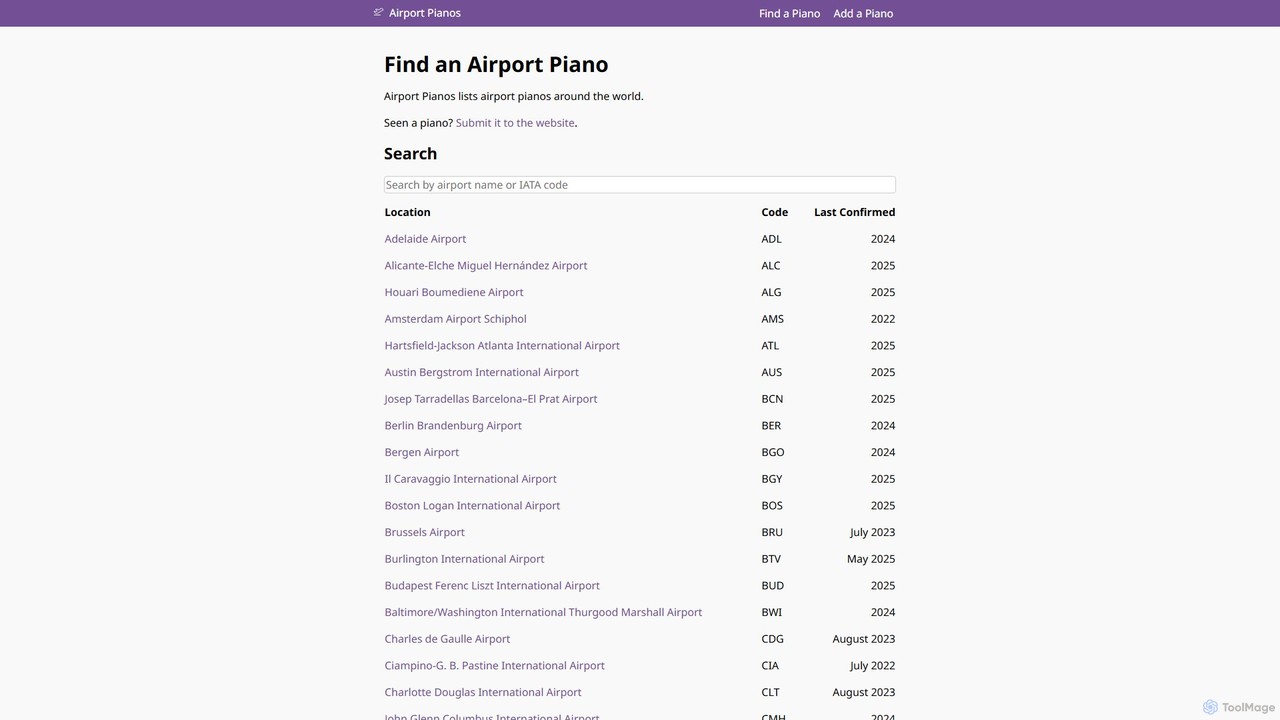
Public Databases are openly accessible collections of structured or unstructured data, often maintained by governments, research institutions, or non-profits. These vast repositories provide foundational raw data crucial for AI model training, research, and application development. Unlike proprietary datasets, public databases democratize access to information, enabling transparent analysis, validating hypotheses, and fostering innovation across various domains. They are essential for building robust AI systems and conducting large-scale data-driven studies.
Core Features
- Open Accessibility: Data is freely available via web interfaces, APIs, or bulk downloads, ensuring broad access.
- Diverse Data Types: Includes numerical, textual, geospatial, image, and scientific data, catering to varied research needs.
- Standardized Formats: Often provided in common formats like CSV, JSON, XML, or SQL dumps for easy integration.
- Regular Updates: Many databases are actively maintained and frequently updated with new information, ensuring data freshness.
- Comprehensive Metadata: Detailed documentation on data sources, fields, and collection methodologies enhances usability.
Applicable Scenarios
Public databases are invaluable for various data-driven initiatives. Researchers utilize them for scientific studies and validating hypotheses, while AI developers leverage them to train and benchmark machine learning models. Businesses can analyze public economic or demographic data for market research, identifying trends and informing strategic decisions. They also support data journalists in uncovering stories and policymakers in evidence-based decision-making.
How to Choose
When selecting a public database, consider its relevance to your project, ensuring the data aligns with your objectives. Evaluate data quality, accuracy, and the frequency of updates to guarantee reliability and freshness. Understand the licensing terms for usage rights and assess the ease of access through APIs or download formats for seamless integration into your workflows. Also, check for comprehensive metadata and community support.