AI Assets tools are specialized AI-powered platforms designed to generate, optimize, and manage digital assets crucial for various development projects. These tools leverage advanced machine learning algorithms, including generative adversarial networks (GANs) and transformer models, to automate the creation of visual, audio, and textual resources. By streamlining asset production and management, they significantly enhance developer productivity, reduce manual effort, and accelerate project timelines, allowing teams to focus on core innovation rather than repetitive asset creation tasks.
Core Features
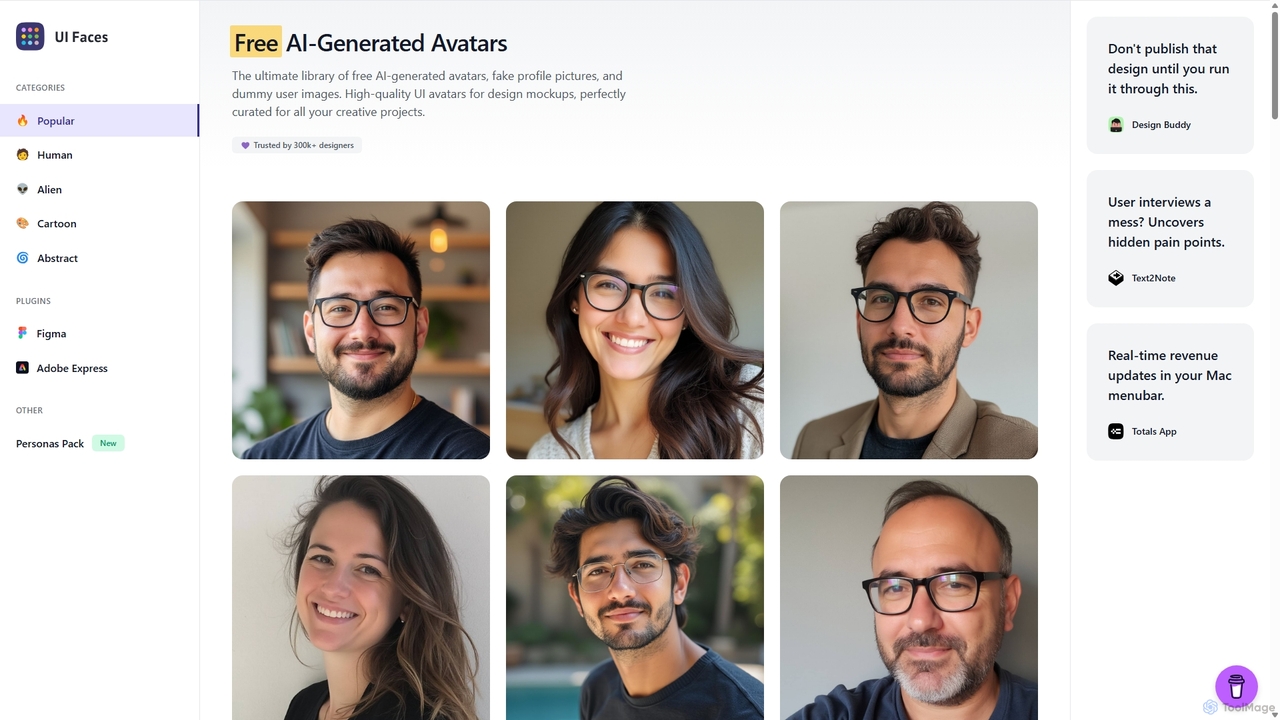
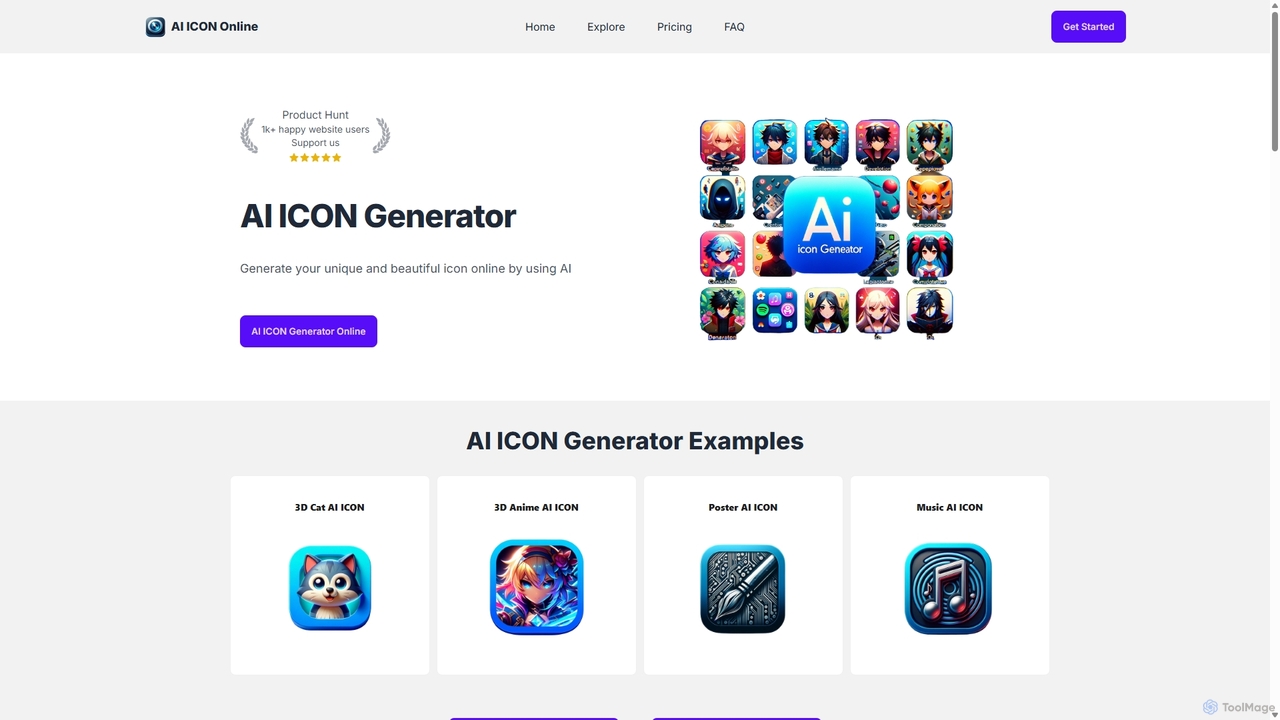
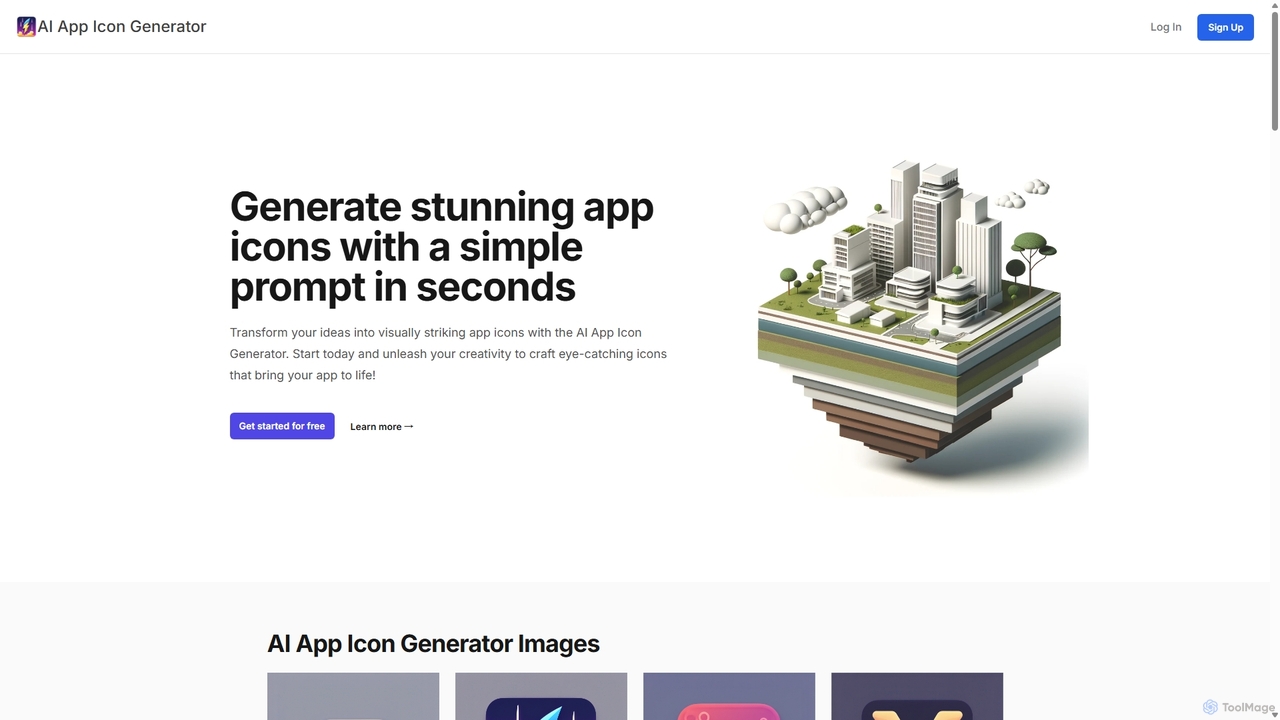
- Generative Asset Creation: Automatically produce high-quality 3D models, textures, sound effects, music, or UI elements from simple text prompts, sketches, or basic input parameters.
- Asset Optimization & Enhancement: Utilize AI to compress, convert formats, upscale resolutions, remove backgrounds, or apply consistent stylistic changes to existing digital assets efficiently.
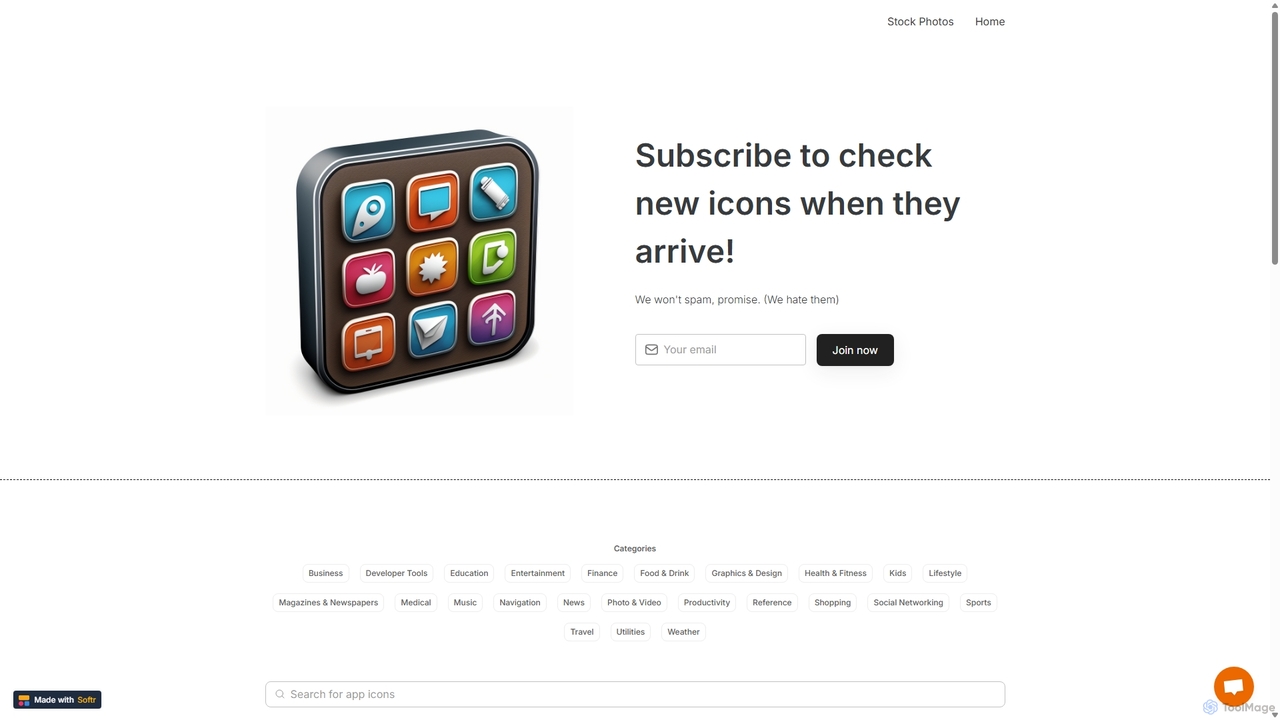
- Intelligent Asset Management: Implement automated tagging, categorization, version control, and advanced search functionalities for vast libraries of development assets, improving discoverability and organization.
- Code & Script Generation: Assist developers by generating boilerplate code, shaders, procedural content scripts, or even entire game levels based on high-level descriptions.
- Workflow Integration: Offer robust APIs and plugins for seamless integration of AI asset generation and processing capabilities directly into popular development environments and content pipelines.
Applicable Scenarios
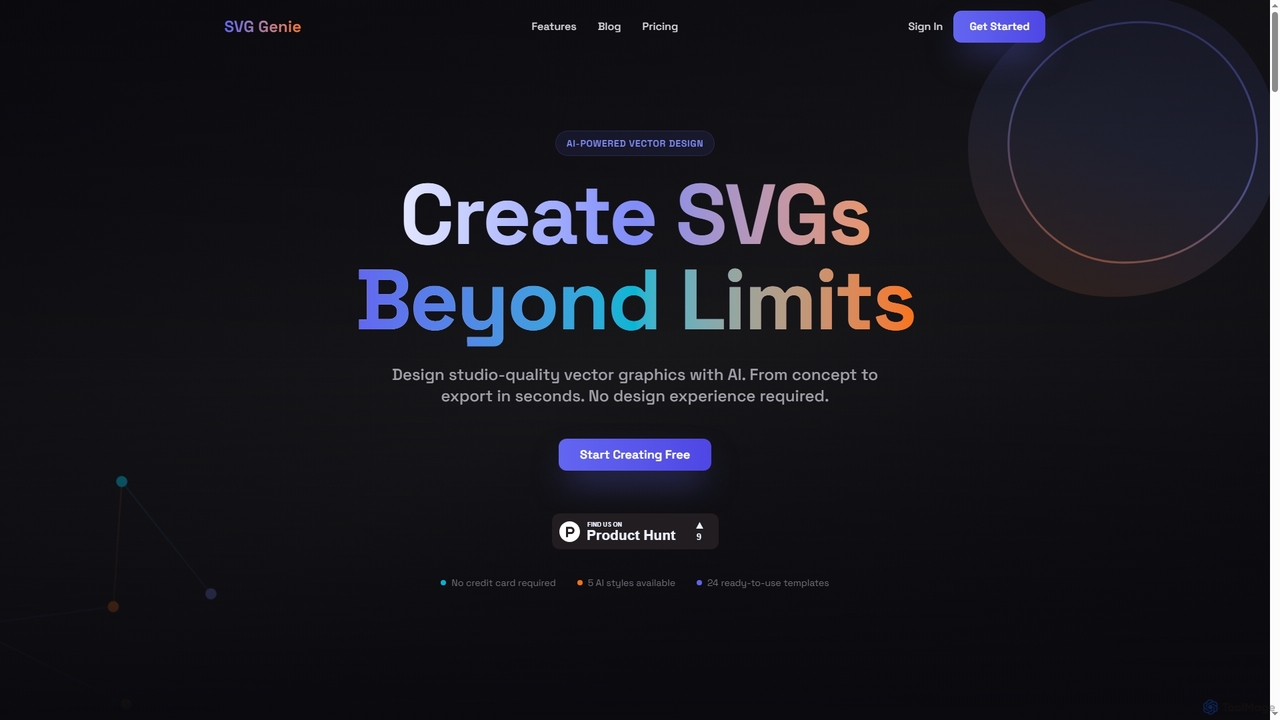
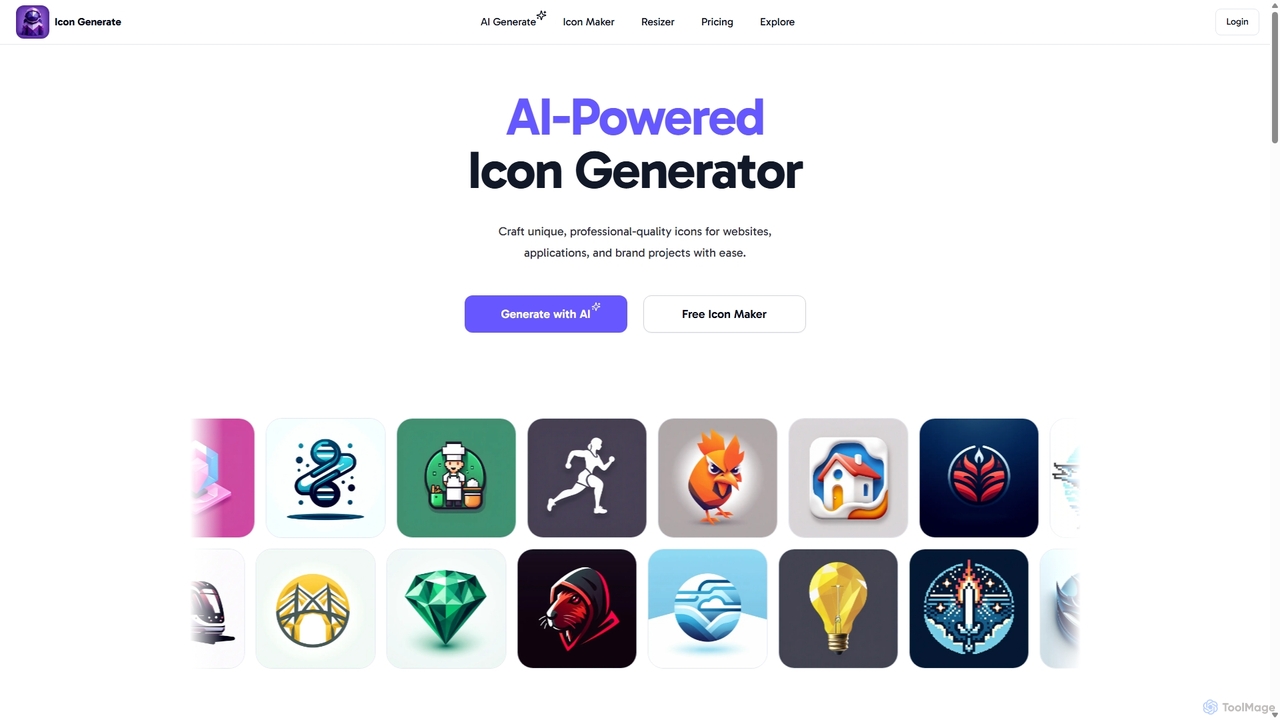
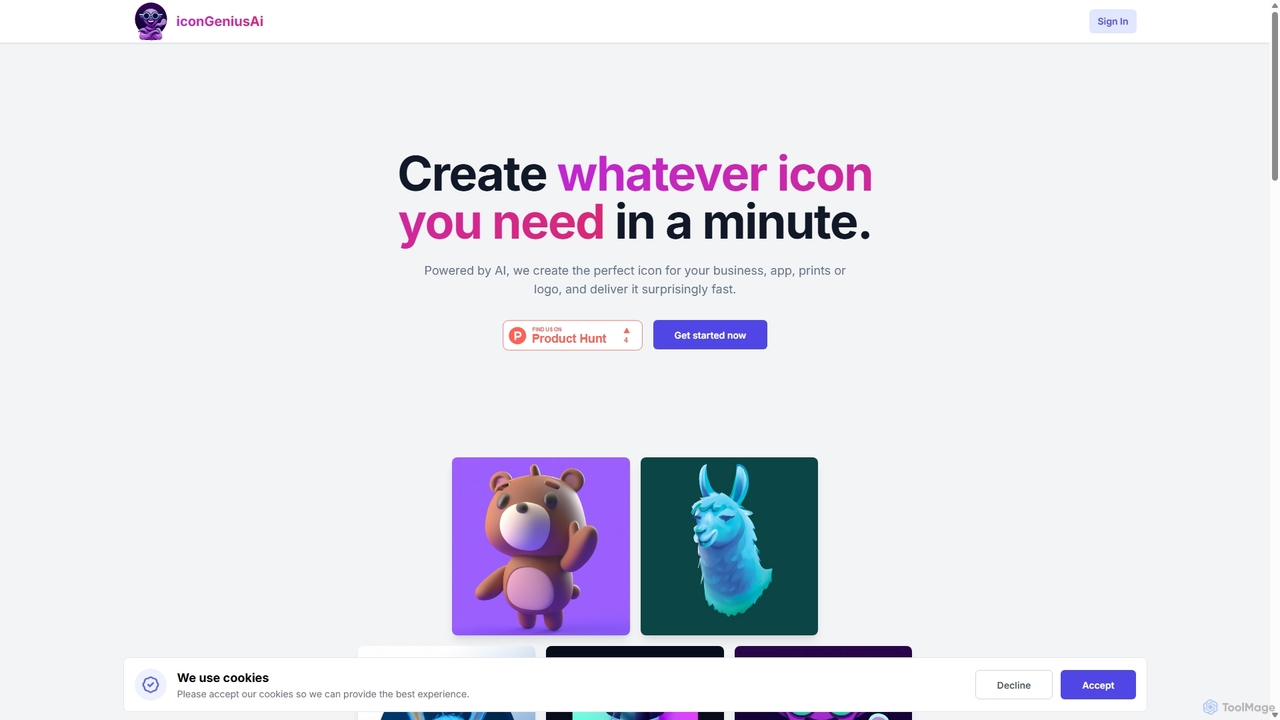
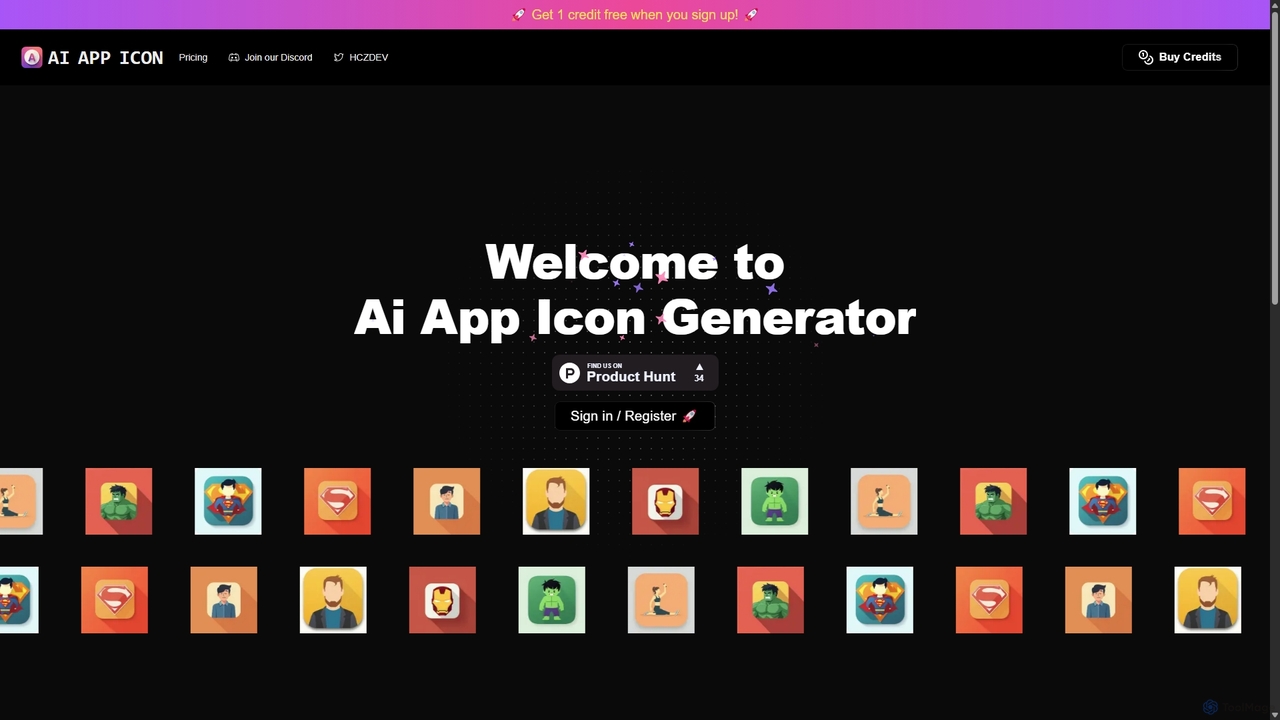
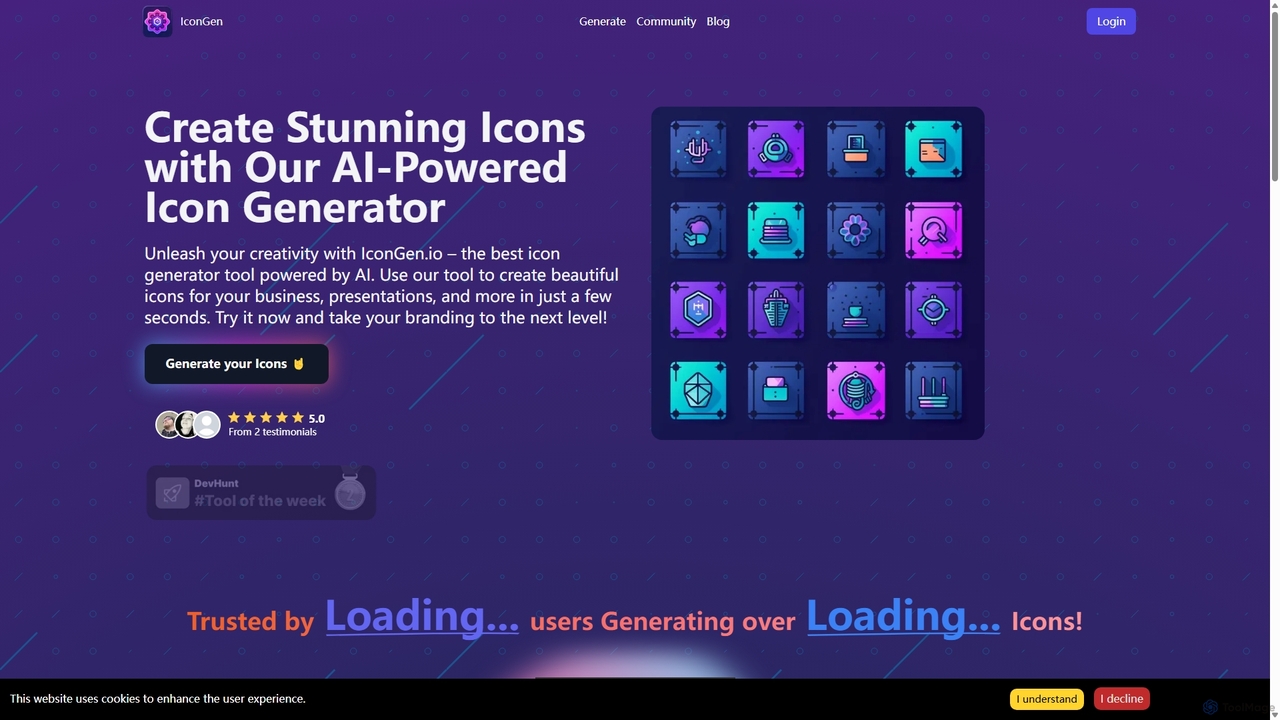
Developers across game design, web development, virtual reality (VR), and multimedia production extensively utilize AI Assets tools. For instance, game studios can rapidly prototype environments by generating diverse textures and 3D models, while web developers can quickly produce custom UI icons and animations. Content creators also benefit from automating the creation of background music or sound effects, significantly speeding up production cycles.
How to Choose
When selecting AI Assets tools, consider the specific asset types supported (e.g., 3D models, audio, UI components) and the quality, style, and fidelity of the AI-generated output. Evaluate its integration capabilities with your existing development environment, such as game engines or design software. Additionally, assess the level of customization offered, the pricing model, and the technical expertise required for your team to effectively leverage the tool, ensuring it aligns with your project's scope and budget.