Developer Tools Best in category 3 results Compliance AI Tool

Popular AI tools in the Compliance field of Developer Tools include UserWay、Responsible AI Institute、ZeroTrusted.ai, etc., helping you quickly improve efficiency.

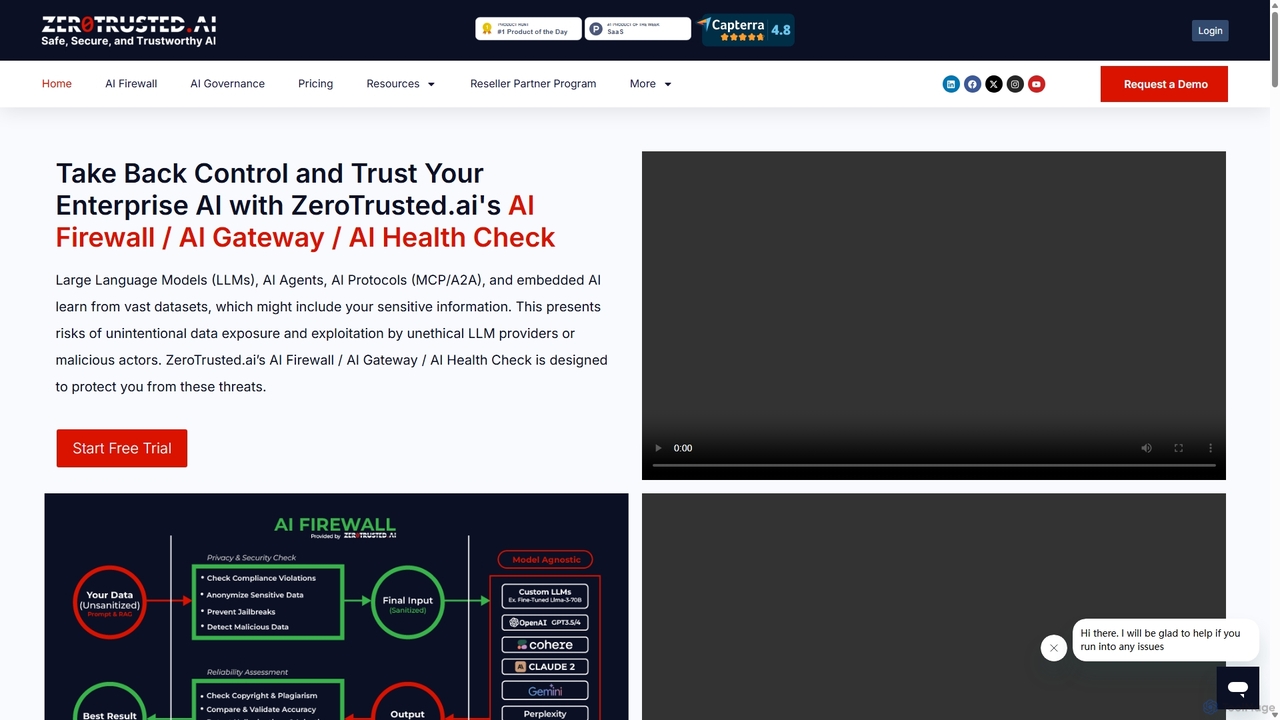
ZeroTrusted.ai

ZeroTrusted.ai

ZeroTrusted.ai is an advanced AI security platform offering an AI Firewall, Gateway, and Health Check to protect enterprise …

6.7K
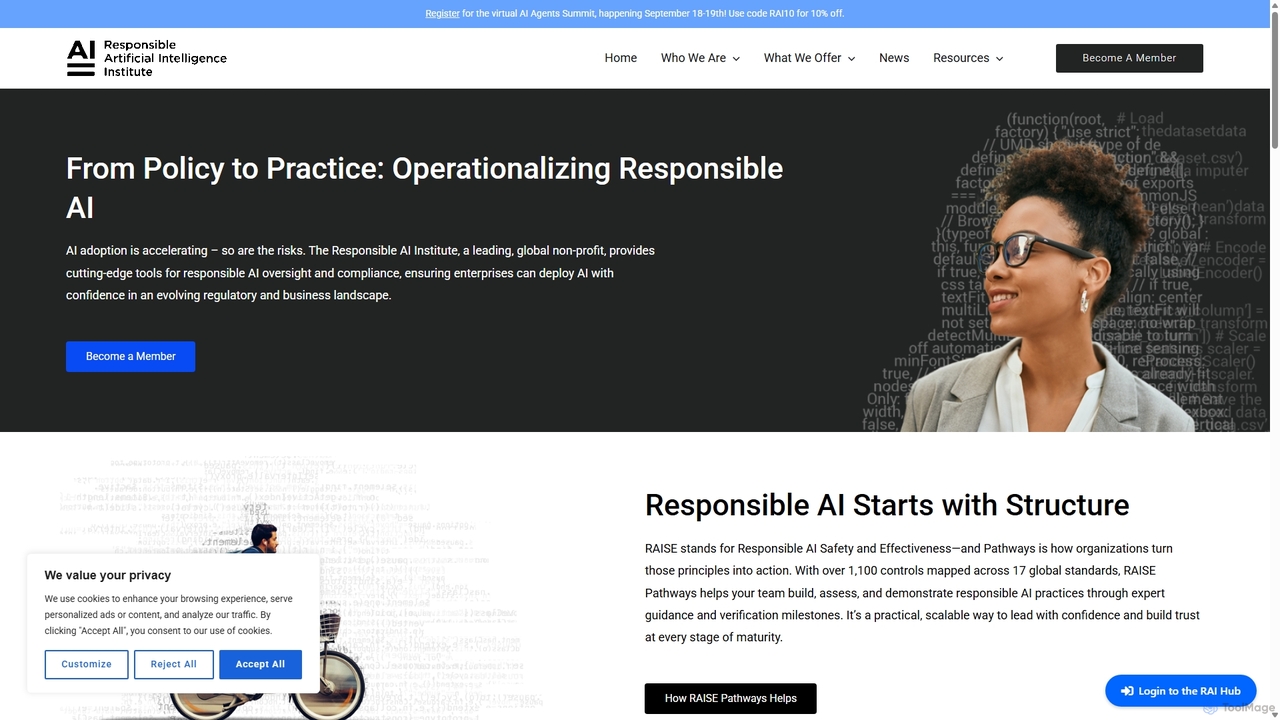
Responsible AI Institute

Responsible AI Institute

The Responsible AI Institute is a global non-profit providing tools, frameworks, and independent assessments for enterprises to build, …

26.8K
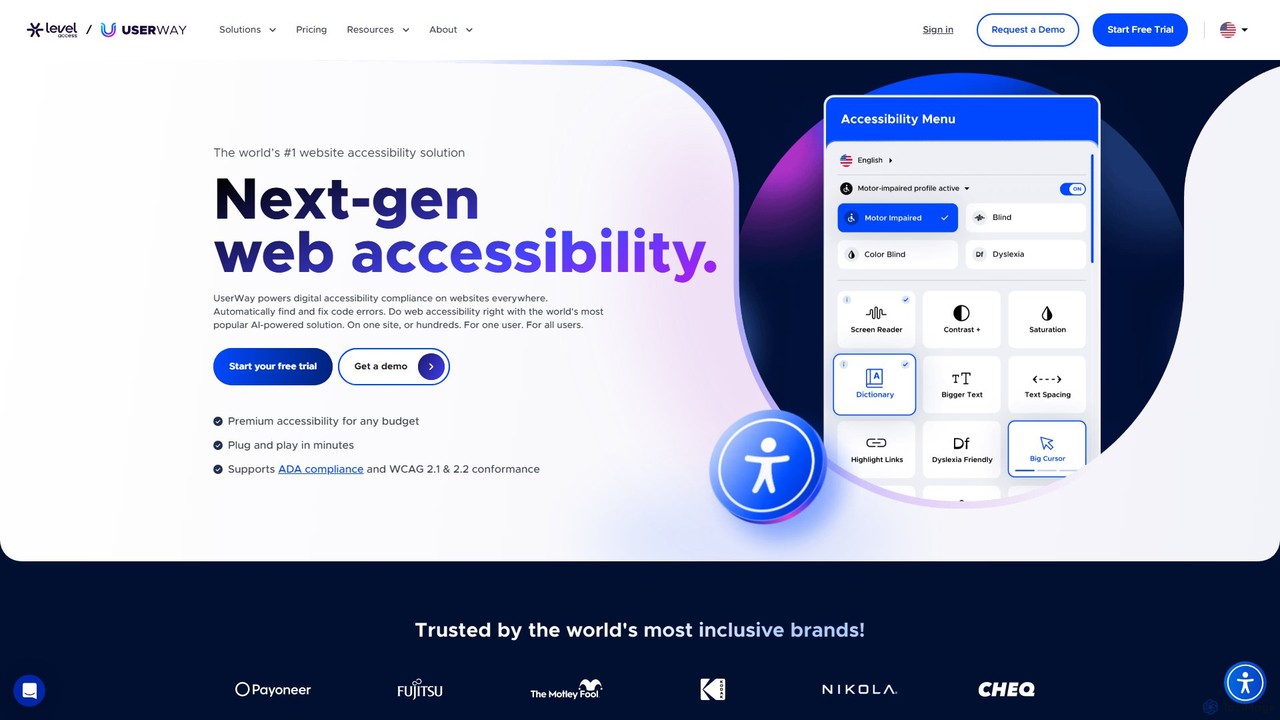
UserWay

UserWay

UserWay is an AI-powered web accessibility solution that helps websites achieve and maintain compliance with standards like WCAG …

606.2K

About Compliance

AI Compliance tools are a specialized category of developer utilities that use artificial intelligence to automate and manage regulatory and policy adherence within the software development lifecycle. These tools leverage machine learning and natural language processing to analyze code, dependencies, and infrastructure configurations for potential violations. They help development teams proactively identify and remediate security vulnerabilities, data privacy risks (like GDPR, CCPA), and open-source license issues. By integrating directly into CI/CD pipelines, AI Compliance tools streamline the process of building secure and compliant software from the start.

Core Features

  • Automated Code Scanning: Uses AI to detect security vulnerabilities, data privacy violations, and adherence to coding standards directly in the source code.
  • Dependency & License Analysis: Automatically identifies open-source components, checks for license compatibility, and flags known security exploits.
  • Policy as Code (PaC) Enforcement: Allows teams to define compliance rules as code and automatically enforces them throughout the development pipeline.
  • Compliance Reporting: Generates detailed audit trails and reports to demonstrate adherence to standards like SOC 2, HIPAA, or ISO 27001.

Use Cases

These tools are essential for organizations in regulated industries such as finance, healthcare, and e-commerce. They are used by DevOps engineers to secure CI/CD pipelines, by developers to write compliant code, and by security teams to maintain a continuous state of compliance without slowing down development.

How to Choose

When selecting an AI Compliance tool, consider its integration capabilities with your existing toolchain (e.g., GitHub, Jenkins, Jira). Evaluate the breadth and depth of supported regulations and standards. Assess the accuracy of its detection engine to minimize false positives, and review its reporting features to ensure they meet your audit requirements.

ComplianceUse Cases

1

Automating Open-Source License Scans in CI/CD

A development team working on a large enterprise application regularly incorporates open-source libraries to accelerate development. To avoid legal risks from incompatible licenses (e.g., GPL in a commercial product), they integrate an AI Compliance tool into their CI/CD pipeline. When a developer pushes new code, the tool automatically scans all dependencies, identifies their licenses, and cross-references them against company policy. If a restrictive license is detected, the build fails, and the developer is immediately notified with details, preventing legal issues before they reach production.

2

Proactive Data Privacy Checks for GDPR Compliance

A fintech company must ensure its mobile banking app is fully compliant with GDPR. Developers use an AI Compliance tool that scans code for potential data privacy violations. The tool uses NLP to identify Personally Identifiable Information (PII) handling in the code, such as logging unencrypted user data or transmitting sensitive information without proper consent flags. It alerts developers in their IDE with specific code-level suggestions for remediation, ensuring that privacy-by-design principles are followed and reducing the risk of costly data breaches and regulatory fines.

3

Ensuring Cloud Infrastructure Compliance with IaC Scanning

A DevOps team manages a complex cloud environment on AWS using Terraform (Infrastructure as Code). To maintain SOC 2 compliance, they use an AI Compliance tool to scan their Terraform scripts before deployment. The AI model is trained on SOC 2 controls and best practices. It automatically detects misconfigurations like public S3 buckets, unrestricted security group rules, or missing encryption settings. The tool provides automated pull request comments with the exact code to fix the issue, enabling the team to enforce security and compliance policies consistently across all environments.

4

Generating Audit-Ready Compliance Documentation

A healthcare technology company is preparing for a HIPAA audit. Instead of manually compiling evidence of compliance, they use an AI Compliance tool. The tool continuously monitors their codebase, infrastructure, and development processes. It automatically generates comprehensive reports that map technical controls directly to specific HIPAA requirements. For example, it can produce a report showing all data encryption-in-transit and at-rest implementations across the application. This automates a significant portion of the audit preparation, saving hundreds of hours and providing auditors with clear, verifiable evidence.

5

Intelligent Secret Detection Before Committing Code

A developer accidentally includes an API key in a source code file. Before they can even commit the code to the repository, an AI Compliance tool installed as a pre-commit hook scans the changes. Using pattern recognition and contextual analysis, the AI identifies the string as a high-entropy secret (like an API key or password). It blocks the commit and provides an immediate, private alert to the developer, explaining the risk and suggesting the use of a secrets management service. This prevents sensitive credentials from ever being exposed in the version control history, a common and serious security risk.

6

Continuously Monitoring for Third-Party API Compliance

A SaaS platform relies on dozens of third-party APIs for its functionality. The legal team is concerned about data processing agreements and compliance changes from these vendors. An AI Compliance tool is configured to monitor the terms of service, privacy policies, and API documentation of these third-party services. When a vendor updates its policy in a way that impacts data handling (e.g., a change in data residency), the AI tool flags the change, analyzes its potential impact, and creates a ticket for the legal and development teams to review. This provides proactive oversight of supply chain compliance risks.

ComplianceFrequently Asked Questions