Developer Tools Best in category 4 results Llm AI Tool

Popular AI tools in the Llm field of Developer Tools include GPT4All、Sylph AI、Msty、Trainkore, etc., helping you quickly improve efficiency.

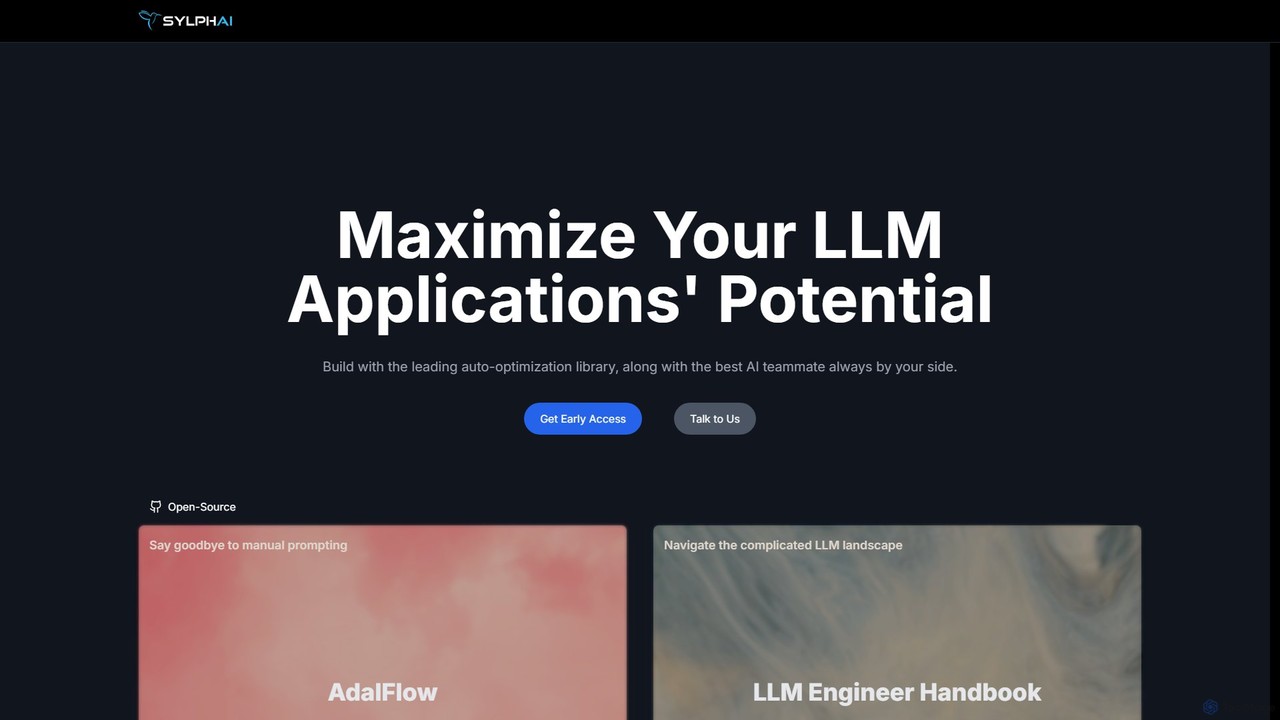
Sylph AI

Sylph AI

Sylph AI is a development platform designed to maximize the potential of LLM applications. It features AdalFlow, a …

27.9K
Free
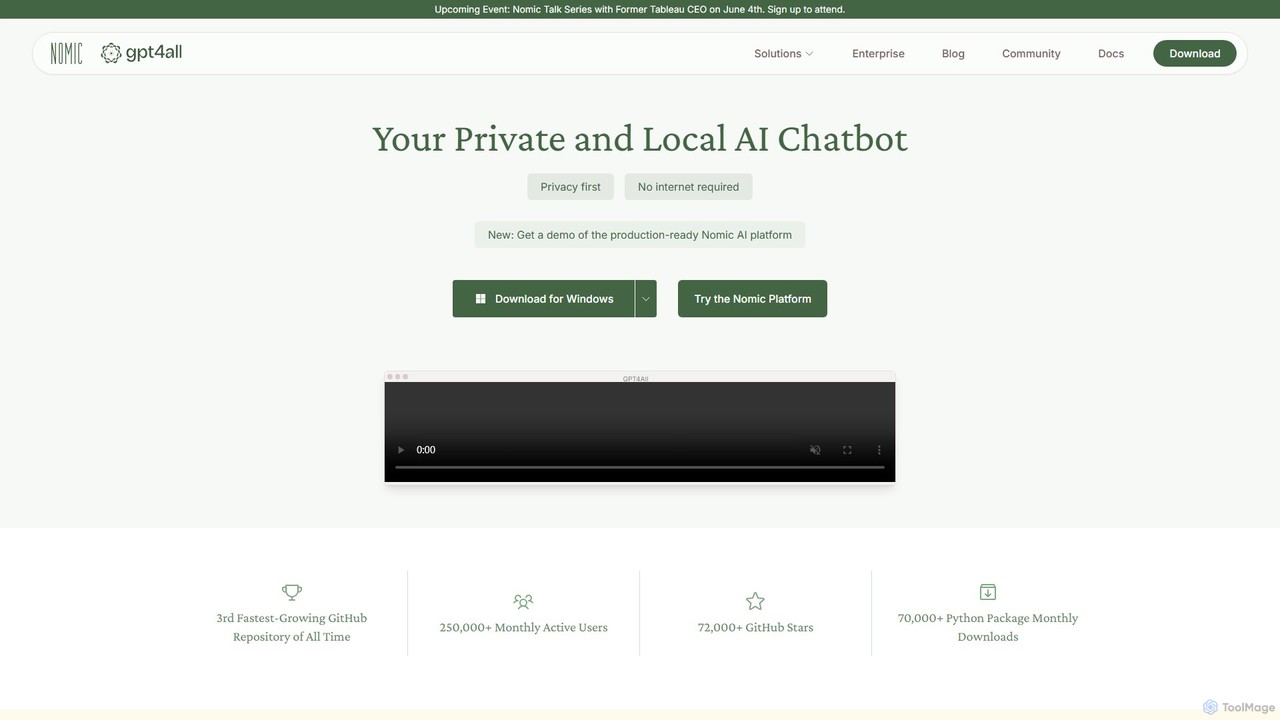
GPT4All

GPT4All

GPT4All is a free, open-source, and privacy-focused desktop application that allows you to run powerful large language models …

186.1K
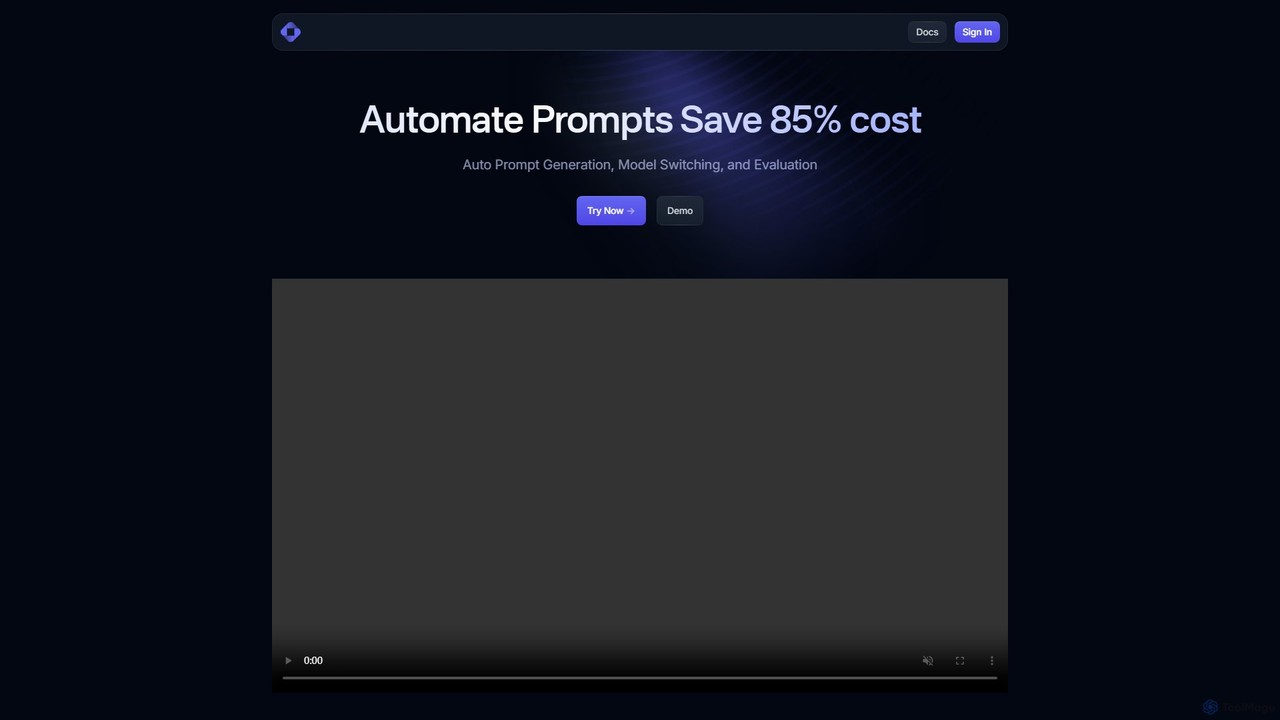
Trainkore

Trainkore

Trainkore is a unified platform for developers to optimize LLM operations. It automates prompt generation, dynamically switches between …

2.1K
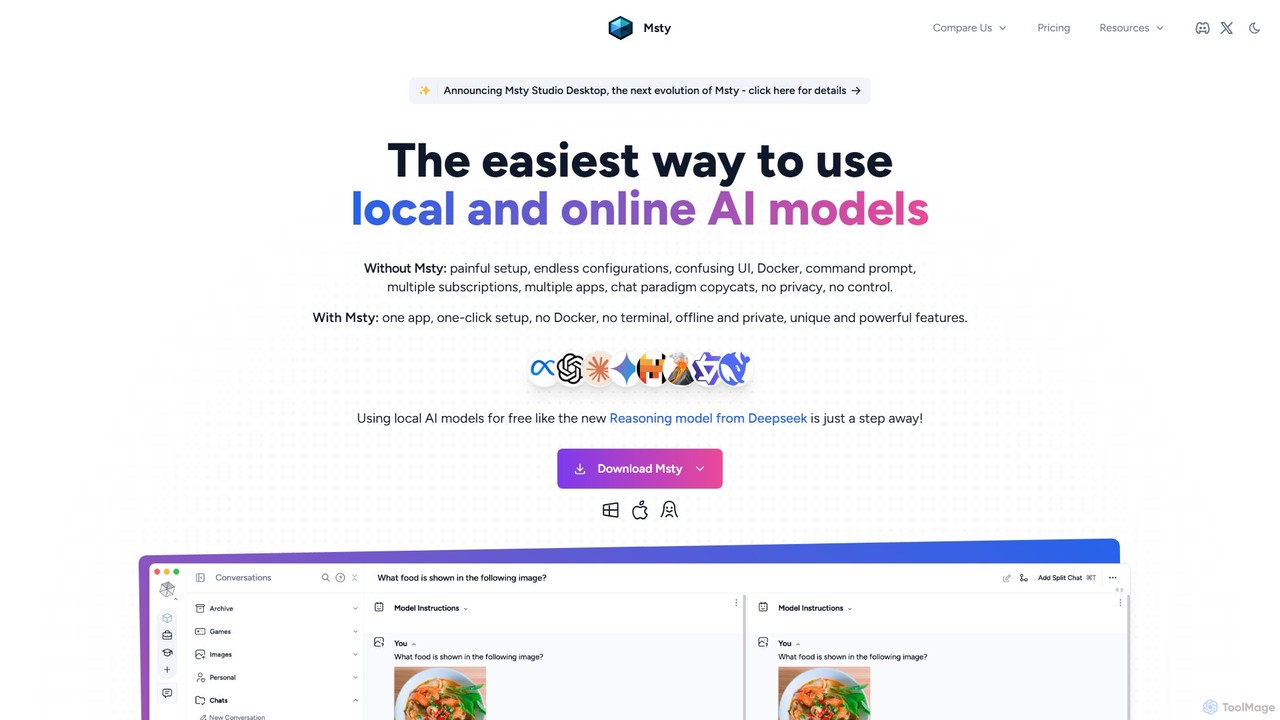
Msty

Msty

Msty is a user-friendly desktop application that simplifies running both local and online AI models. It offers a …

13.5K

About Llm

LLMs (Large Language Models) are advanced AI models designed to understand, generate, and process human language with remarkable fluency and coherence. As a crucial component within developer tools, LLMs empower engineers and data scientists to integrate sophisticated natural language capabilities into their applications, ranging from intelligent chatbots to automated content creation systems. These models leverage vast datasets and deep learning architectures to perform a wide array of language-related tasks, offering unprecedented opportunities for innovation in AI-driven development.

Core Features

  • Natural Language Understanding (NLU): Accurately interprets user intent, sentiment, and entities from text inputs.
  • Text Generation: Creates human-like text for various purposes, including articles, summaries, code, and creative content.
  • Fine-tuning Capabilities: Allows developers to adapt pre-trained models to specific domains or tasks using custom datasets.
  • API Access & Integration: Provides programmatic interfaces for seamless integration into existing software and platforms.
  • Prompt Engineering Tools: Offers frameworks and techniques to optimize model outputs through carefully crafted input prompts.

Applicable Scenarios

LLMs are indispensable for developers building next-generation AI applications. They are used by software engineers to create conversational AI interfaces, by data scientists for advanced text analytics, and by product teams to embed intelligent content generation features directly into their platforms. From automating customer support interactions to powering sophisticated search engines, LLMs provide the linguistic intelligence needed for complex digital solutions.

How to Choose

Selecting the right LLM involves evaluating several factors critical for development. Consider the model's performance and size relative to your application's needs and computational budget. Assess the flexibility and documentation of its API, along with the availability of fine-tuning options for domain-specific tasks. Evaluate data privacy and security features, especially for sensitive applications, and compare pricing models for API usage or deployment. Finally, consider the community support and ecosystem for integration ease.

LlmUse Cases

1

Building Custom Conversational AI

Software developers utilize LLM APIs to create highly intelligent chatbots and virtual assistants for customer service, internal support, or interactive user experiences. By feeding user queries to the LLM, developers can generate contextually relevant and natural-sounding responses, significantly enhancing user engagement and automating routine interactions without extensive rule-based programming.

2

Automating Content Generation for Platforms

Content managers and platform developers integrate LLMs to automatically generate diverse textual content, such as product descriptions for e-commerce, marketing copy for campaigns, or news summaries. This allows for rapid content scaling, personalization, and A/B testing, drastically reducing manual writing efforts and ensuring a consistent brand voice across various digital touchpoints.

3

Developing Intelligent Code Assistants

Developers leverage LLMs to build tools that assist with coding tasks, including code completion, bug detection, and generating code snippets from natural language descriptions. These assistants accelerate development cycles, improve code quality, and help junior developers learn faster by providing intelligent suggestions and explanations directly within their IDEs.

4

Enhancing Search and Information Retrieval

Data engineers and search specialists employ LLMs to improve the relevance and understanding of search queries and document content. By using LLMs for semantic search, question answering over large knowledge bases (RAG), or summarizing search results, users can find more precise information faster, transforming traditional keyword-based searches into intelligent conversational interfaces.

5

Fine-tuning Models for Domain-Specific Tasks

AI engineers and researchers fine-tune pre-trained LLMs with proprietary datasets to specialize them for niche applications, such as legal document analysis, medical report generation, or financial market sentiment analysis. This process tailors the model's knowledge and response style to specific industry jargon and requirements, achieving higher accuracy and relevance than general-purpose models.

6

Implementing Natural Language Interfaces for Data Analysis

Business intelligence developers and data analysts integrate LLMs to enable natural language querying of databases and data visualization tools. Users can ask questions in plain English (e.g., "Show me sales trends for Q3 in Europe"), and the LLM translates these into SQL queries or commands, democratizing data access and making complex analytics accessible to non-technical users.

LlmFrequently Asked Questions