Developer Tools Best in category 8 results Project Management AI Tool

Popular AI tools in the Project Management field of Developer Tools include pre.dev、timemaster、Dirac、PubliclyBuild、Whatshouldibuildnext、dailystatus.ai、Memolect、Visionari, etc., helping you quickly improve efficiency.

Dirac

Dirac

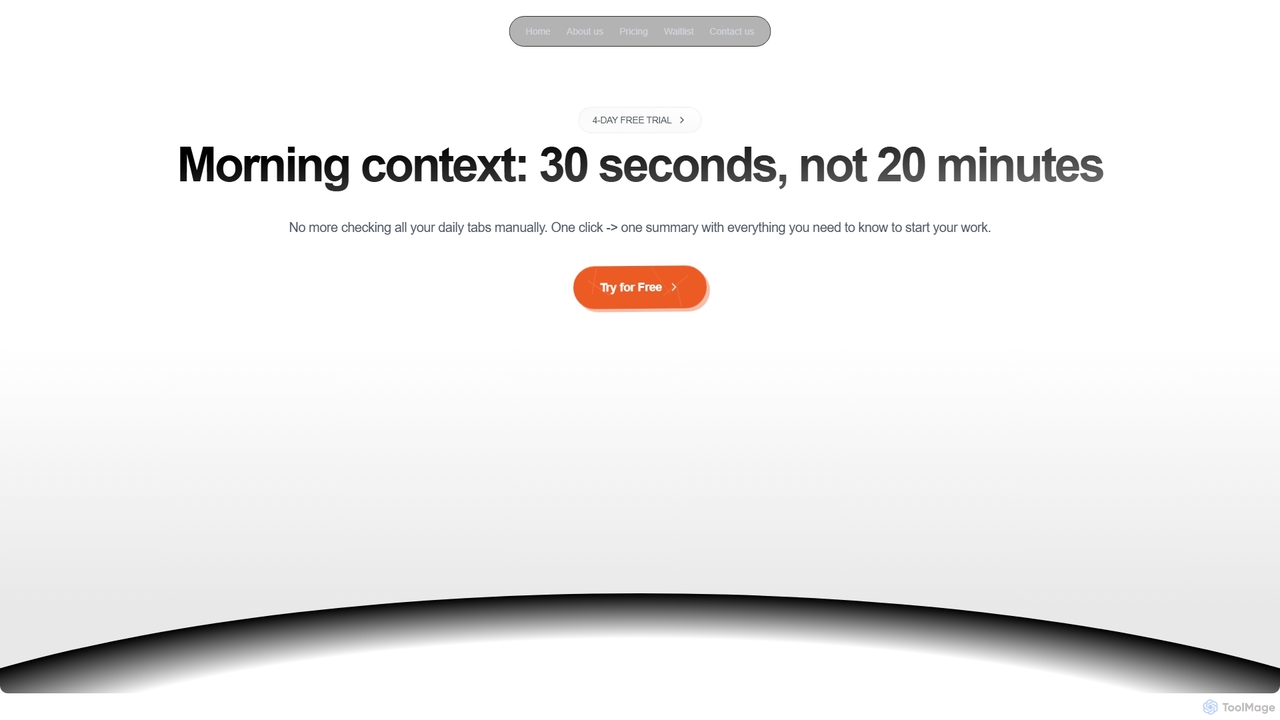
Dirac is a Mac application that automates your morning routine, consolidating updates from GitHub, Gmail, Stripe, and other …

2.1K
Whatshouldibuildnext

Whatshouldibuildnext

An AI-powered idea generation platform designed for entrepreneurs, developers, and creators. It helps you discover, validate, and brainstorm …

2.1K
Memolect

Memolect

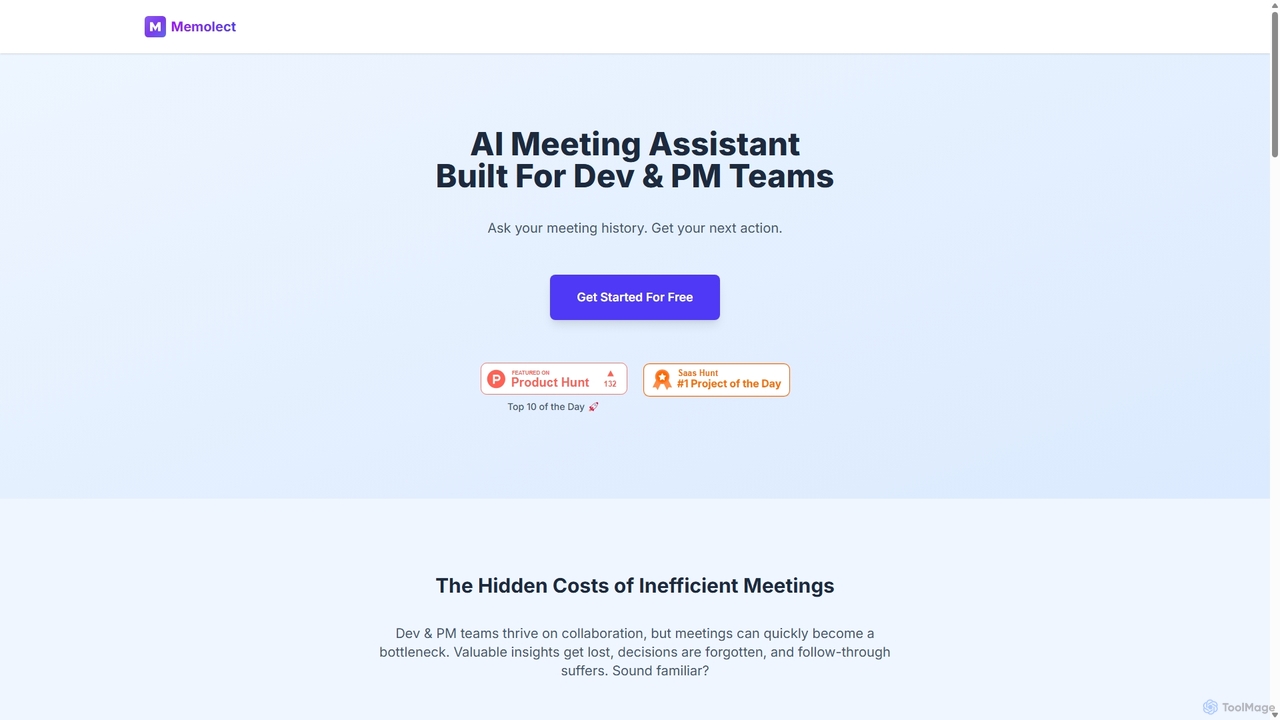
Memolect is an AI meeting assistant specifically designed for development and product management teams. It transcribes meetings, makes …

2.1K
timemaster

timemaster

timemaster is an AI-powered, privacy-first time and productivity tracker for macOS. It automatically monitors your activities in the …

2.8K
pre.dev

pre.dev

pre.dev is an AI-powered platform that transforms software ideas into full-stack architecture, interactive prototypes, and actionable roadmaps in …

13.5K
PubliclyBuild

PubliclyBuild

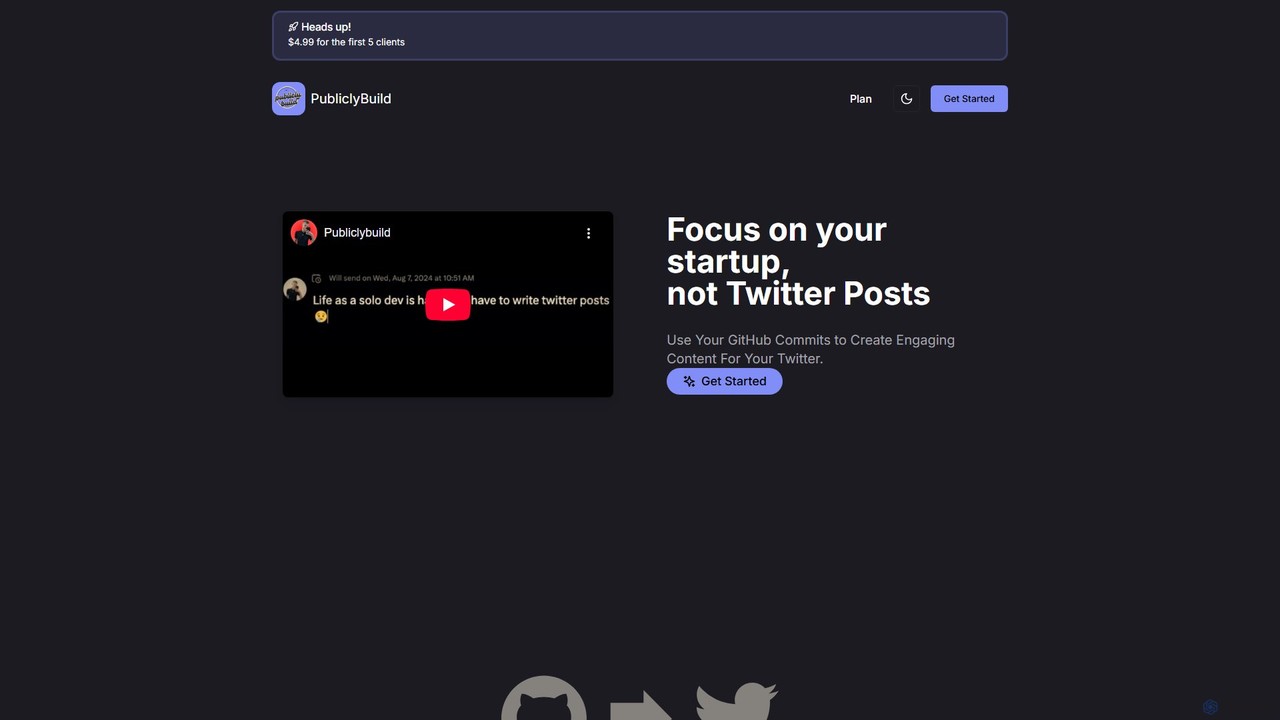
PubliclyBuild is an AI-powered tool that automatically converts your GitHub commits into engaging Twitter posts. It's designed for …

2.1K
Visionari

Visionari

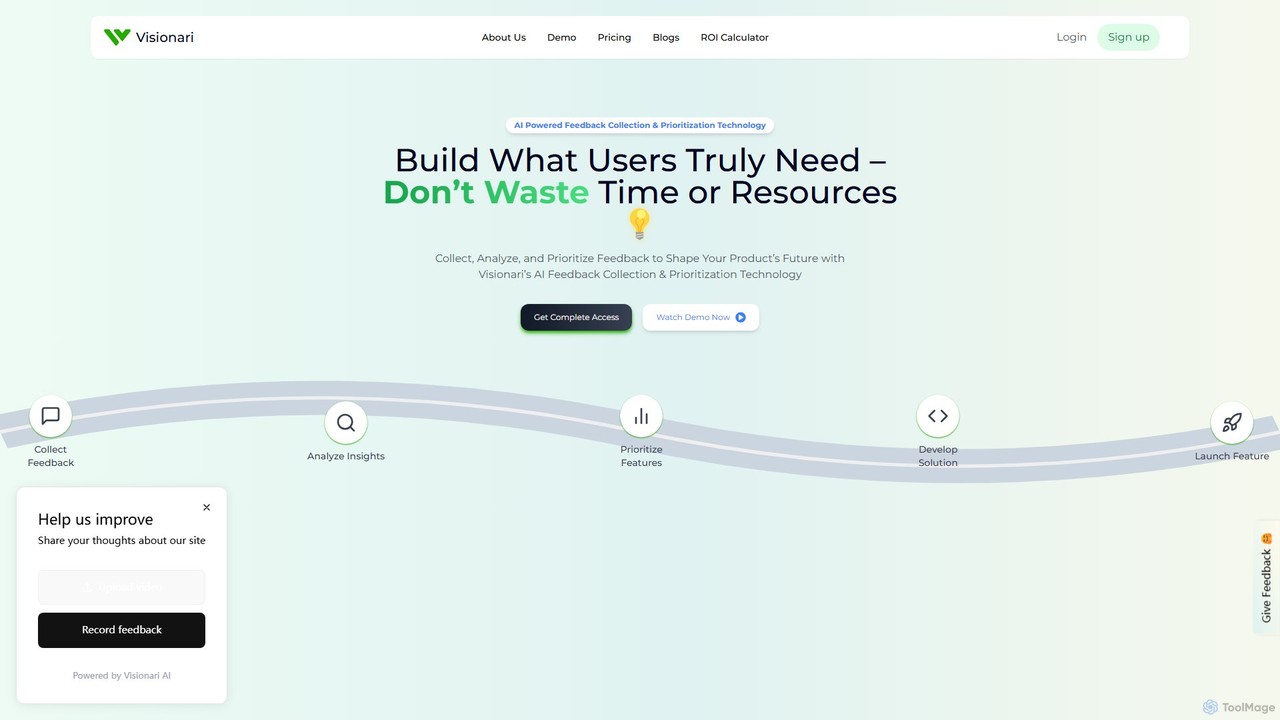
Visionari is an AI-powered platform designed to help businesses collect, analyze, and prioritize user feedback. It centralizes feedback …

2.0K
dailystatus.ai

dailystatus.ai

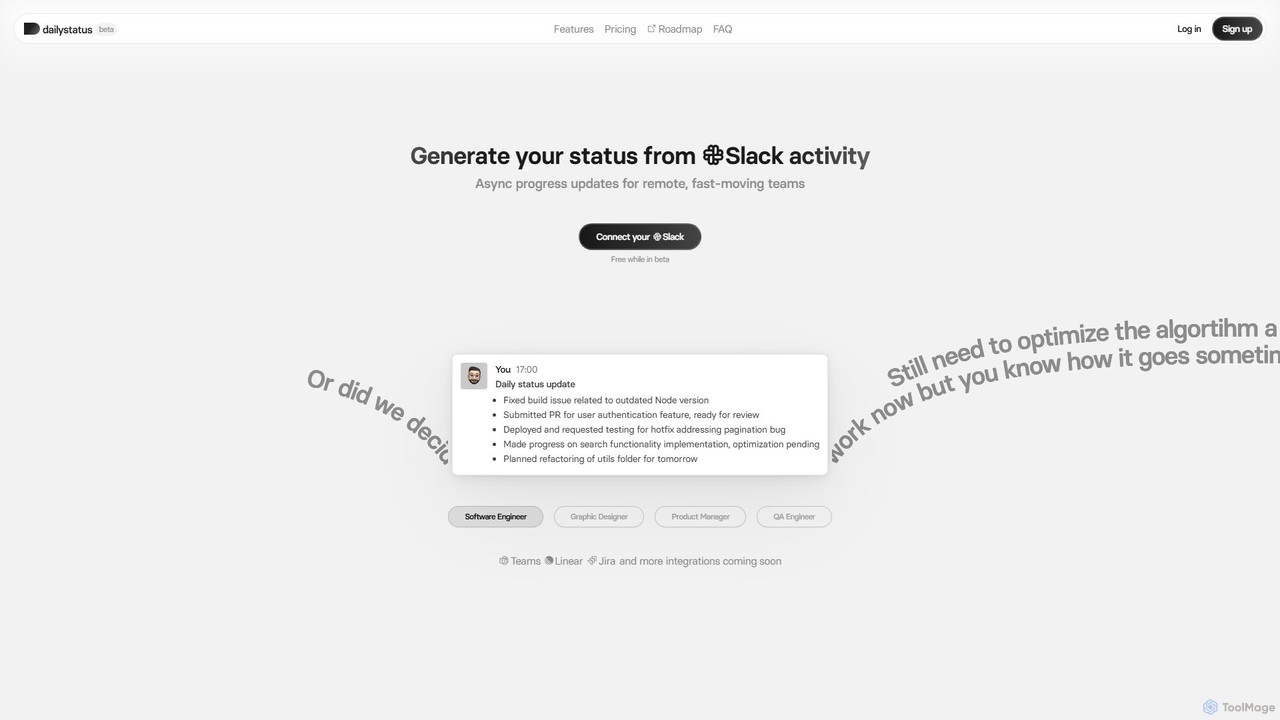
dailystatus.ai is an AI-powered tool that automates daily progress updates for remote teams. It intelligently generates concise status …

2.1K

About Project Management

AI Project Management tools are a specialized category of software that leverages artificial intelligence to automate, predict, and optimize project planning and execution. They utilize machine learning algorithms to analyze historical data, forecast timelines, and identify potential risks before they impact development cycles. This intelligent automation helps software teams and other technical groups streamline workflows, allocate resources more effectively, and improve the accuracy of project delivery forecasts. As a key part of the Developer Tools ecosystem, they transform passive data into actionable, predictive insights.

Core Features

  • Predictive Analytics: Forecasts project timelines, budgets, and potential risks by analyzing past performance data.
  • Intelligent Task Automation: Automatically assigns tasks, sets priorities, and schedules work based on team capacity and skills.
  • Automated Reporting: Generates real-time progress reports and performance dashboards without manual data compilation.
  • Resource Optimization: Recommends the optimal allocation of team members and resources to maximize efficiency and prevent burnout.
  • Natural Language Processing (NLP): Converts meeting notes, emails, or chat messages into structured, actionable tasks in the project plan.

Applicable Scenarios

These tools are particularly effective for software development, IT operations, and engineering projects that follow Agile or Scrum methodologies. They are ideal for managing complex projects with tight deadlines, multiple dependencies, and a need for data-driven decision-making. Digital agencies and R&D departments also use them to improve resource planning and project outcome predictability.

Selection Criteria

When choosing an AI Project Management tool, evaluate its integration capabilities with your existing developer stack (e.g., Git, Jira, Slack). Assess the specificity of its AI models for your industry or methodology. Prioritize tools with robust data privacy and security policies. Finally, consider its scalability to support your team's growth and increasing project complexity.

Project ManagementUse Cases

1

Automated Sprint Planning for Agile Teams

A Scrum Master for a software development team uses an AI tool to plan an upcoming sprint. The AI analyzes the product backlog, historical team velocity, and individual developer skills to suggest a realistic sprint scope. It automatically populates the sprint with prioritized tasks, estimates effort, and flags potential bottlenecks, such as a developer being over-allocated. This reduces manual planning time by hours and significantly improves the accuracy of sprint commitments, leading to more predictable delivery cycles.

2

Proactive Risk Detection in Complex Projects

A project manager overseeing a large-scale construction project uses an AI platform to monitor progress. The system continuously analyzes dependencies, resource availability, supply chain data, and even weather forecasts to identify tasks at high risk of delay. It provides early warnings and suggests mitigation strategies, such as reordering tasks or allocating additional resources. This allows the manager to shift from reactive problem-solving to proactive risk management, keeping the project on schedule and within budget.

3

Intelligent Resource Allocation for a Creative Agency

A studio manager at a digital marketing agency needs to staff multiple client projects simultaneously. The AI tool assesses the requirements of each project (e.g., design, copywriting, video editing) and matches them with available team members. It considers not only skills but also current workload, time zones, and past performance on similar tasks. The system generates an optimal staffing plan that balances project needs with employee well-being, preventing burnout and ensuring the right talent is on the right project.

4

Generating Automated Project Status Reports

A team lead is required to provide weekly progress reports to stakeholders. Instead of manually compiling data from various sources like task boards, time trackers, and budget sheets, the AI project management tool does it automatically. It generates a comprehensive report summarizing completed tasks, tracking budget versus actual spending, updating timeline forecasts, and highlighting key achievements and risks. This saves the lead several hours each week and provides stakeholders with consistent, data-backed updates.

5

Converting Meeting Notes into Actionable Tasks

After a project kickoff meeting, a product manager uploads the meeting transcript or recording to the AI tool. The tool's NLP capabilities analyze the conversation to identify action items, decisions, and deadlines. It then automatically creates corresponding tasks in the project plan, assigns them to the relevant team members mentioned, and sets due dates. This ensures that verbal commitments are captured and tracked, preventing critical action items from being forgotten or overlooked.

6

Forecasting Project Completion Dates with High Accuracy

A release manager for a software product needs to provide an accurate launch date to the marketing team. The AI tool analyzes the project's entire history, including task completion rates, scope changes, and historical delays. It runs thousands of simulations (like a Monte Carlo analysis) to generate a probabilistic forecast, showing not just one date, but a range of likely completion dates with confidence levels (e.g., '90% chance of finishing by October 15th'). This data-driven approach provides a much more reliable forecast than manual estimation.

Project ManagementFrequently Asked Questions