Developer Tools Best in category 4 results Sdks AI Tool

Popular AI tools in the Sdks field of Developer Tools include Eyeware、Metorial、flowRL、Cirtus AI, etc., helping you quickly improve efficiency.

Cirtus AI

Cirtus AI

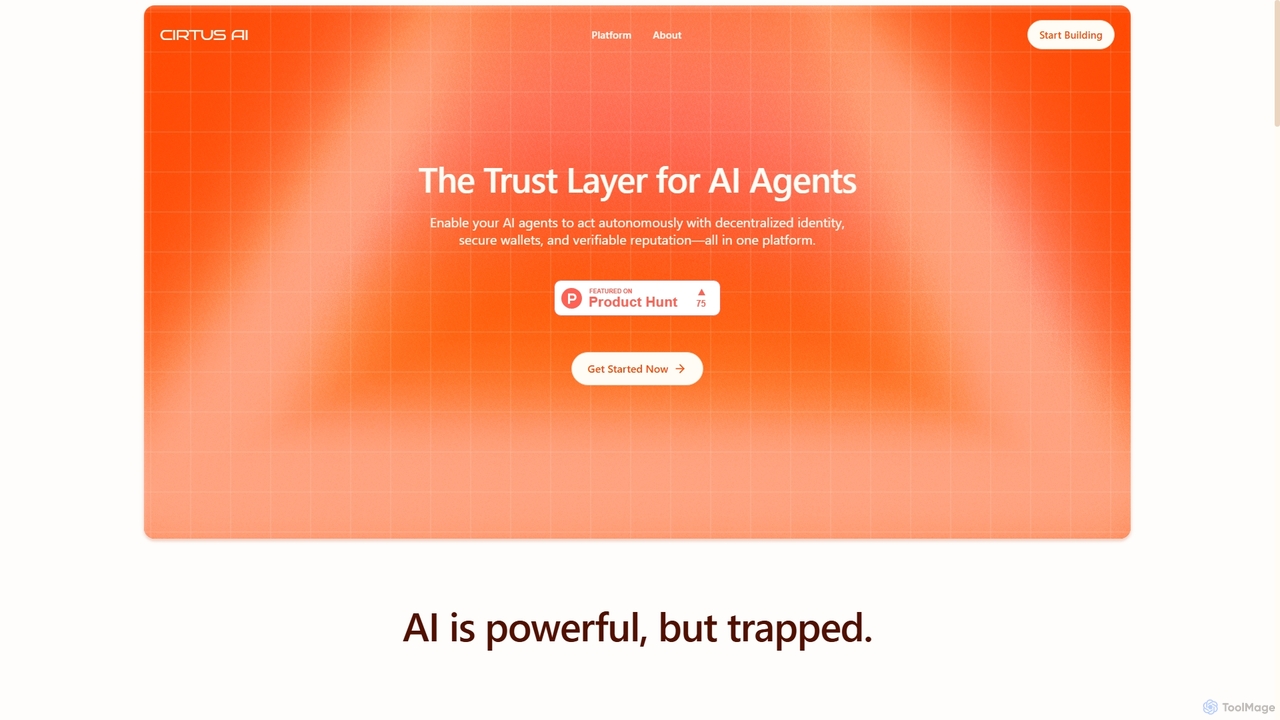
Cirtus AI is the trust layer for autonomous AI agents, providing decentralized identity, secure isolated wallets, and verifiable …

2.1K
Metorial

Metorial

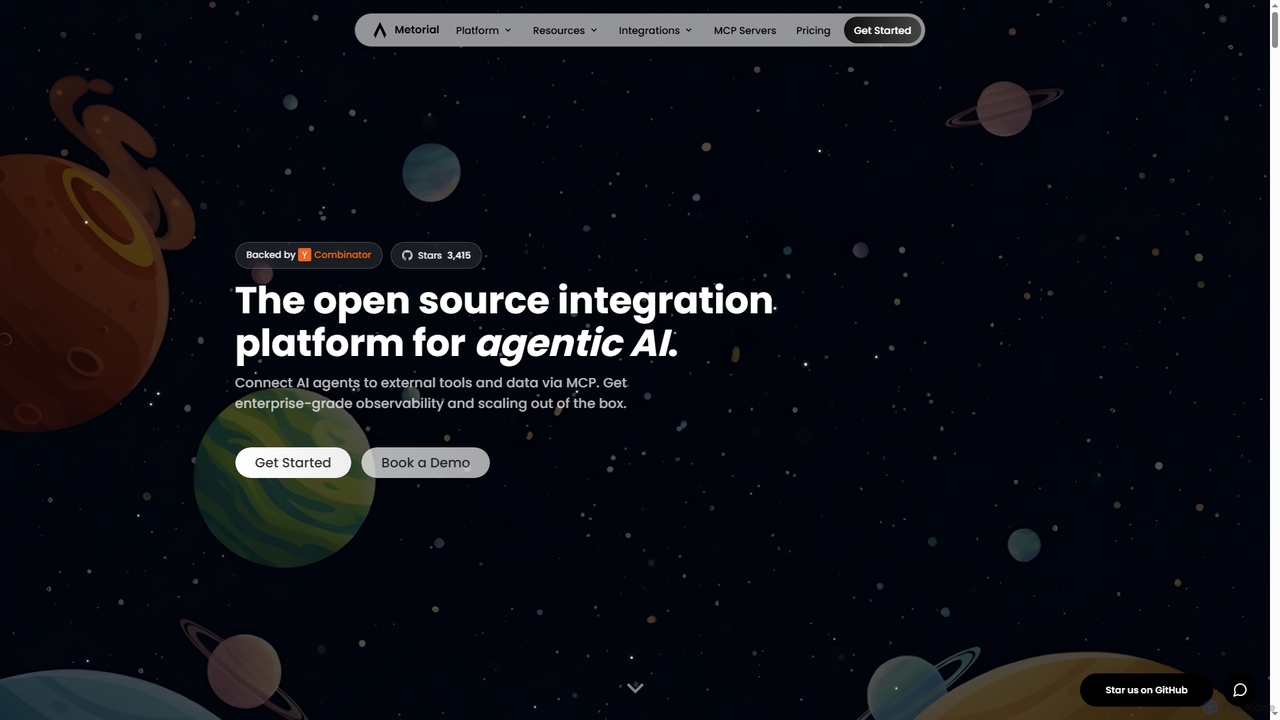
Metorial is an integration platform for AI agents, enabling developers to quickly build, deploy, and monitor powerful agentic …

6.6K
Eyeware

Eyeware

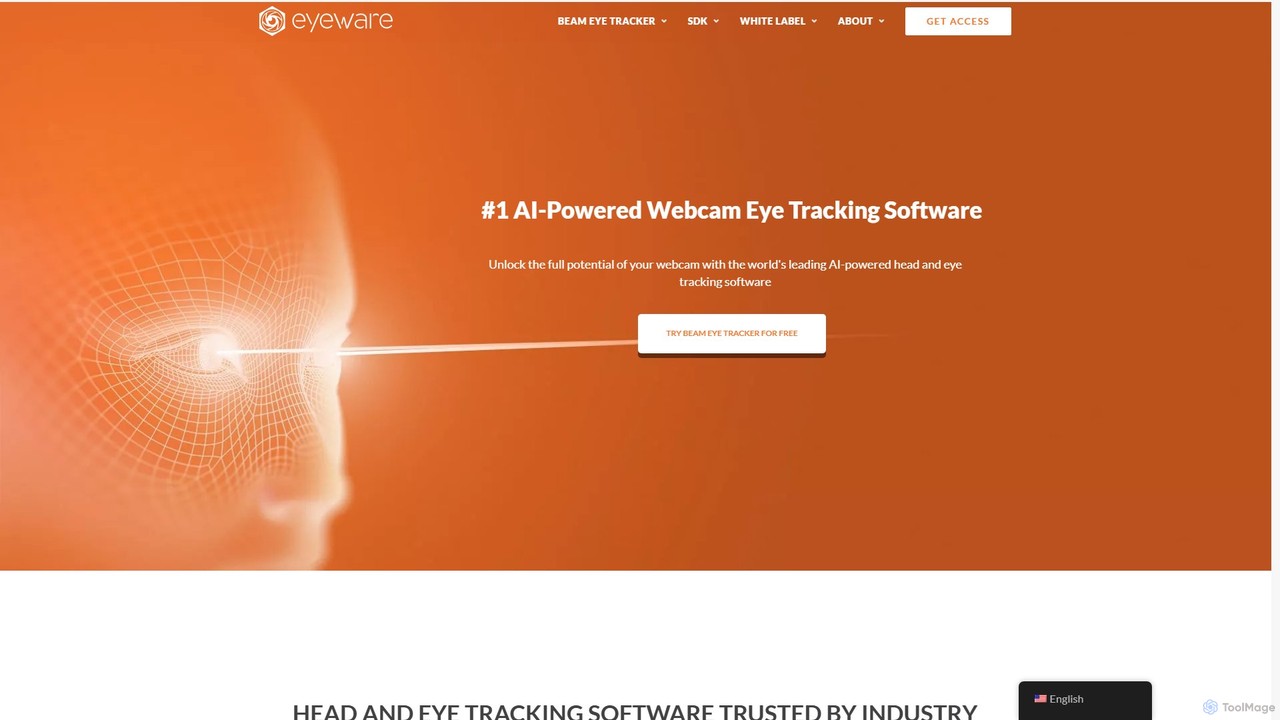
Eyeware provides AI-powered head and eye tracking software that transforms standard webcams into powerful tracking devices. It offers …

135.6K
flowRL

flowRL

flowRL is an AI-powered platform that delivers real-time UI personalization to boost product revenue and user engagement. Using …

2.1K

About Sdks

AI SDKs (Software Development Kits) are comprehensive toolkits that enable developers to integrate artificial intelligence capabilities directly into their applications. They bundle pre-written code, libraries, APIs, and documentation, abstracting away the complexity of underlying machine learning models. This allows for the rapid implementation of features like natural language processing or computer vision without requiring deep AI expertise. As a key category within Developer Tools, AI SDKs significantly accelerate the development lifecycle for AI-powered software.

Core Features

  • Pre-built AI Models: Provides access to trained models for tasks like image recognition, sentiment analysis, or speech-to-text.
  • Simplified API Interface: Offers high-level functions that make complex AI operations accessible through simple code calls.
  • Platform Optimization: Includes libraries and binaries optimized for specific platforms such as iOS, Android, web, or desktop.
  • Development Utilities: Contains tools for debugging, testing, and managing the AI model lifecycle within an application.

Use Cases

AI SDKs are widely used by mobile and web developers to add intelligent features to user-facing applications. For instance, a social media app might use a computer vision SDK for face filters, while an e-commerce app could integrate a recommendation engine SDK. They are also crucial in enterprise software for embedding data analysis and automation capabilities.

How to Choose

When selecting an AI SDK, consider the specific AI functionality you need (e.g., NLP, vision). Evaluate its compatibility with your programming language and target platforms. Also, review the licensing model (open-source vs. commercial), the quality of documentation and community support, and its performance and resource consumption footprint.

SdksUse Cases

1

Integrating a Chatbot into a Mobile App

A mobile developer for an e-commerce company needs to add a 24/7 customer support feature. Instead of building a conversational AI from scratch, they use a specialized AI SDK. The SDK provides pre-built modules for intent recognition, dialogue management, and integration with messaging platforms. The developer can focus on defining the conversation flows specific to their business, such as order tracking and product inquiries. This approach reduces development time from months to weeks and provides a robust, scalable chatbot solution within their existing application.

2

Adding Image Recognition to a Web Application

A web developer is building a social media platform where users can upload photos. To improve content moderation and searchability, they need to automatically tag images with relevant keywords. By integrating a computer vision SDK, they gain access to powerful image recognition models. With a few lines of code, the application can now analyze uploaded images and generate tags like 'beach', 'dog', or 'sunset'. This automates a previously manual task, enhances user experience by making content discoverable, and helps enforce community guidelines by identifying inappropriate content.

3

Developing a Voice-Controlled Smart Home Device

An IoT developer is creating a new smart lamp that can be controlled by voice. To enable this functionality, they integrate a speech recognition and synthesis SDK designed for embedded systems. This SDK provides lightweight libraries for on-device keyword spotting ('Hey, Lamp'), cloud-based speech-to-text for command processing ('turn blue'), and text-to-speech for confirmation ('Okay, changing color to blue'). Using the SDK saves the developer from the complex task of training their own speech models and allows them to focus on the lamp's hardware and unique lighting features.

4

Embedding Predictive Analytics in Business Software

A software engineer at a fintech company is tasked with adding a fraud detection feature to their payment processing platform. They use a machine learning SDK that specializes in tabular data analysis. The SDK provides tools for data preprocessing, feature engineering, and training classification models. By integrating the SDK, the engineer can build and deploy a model that scores transactions in real-time for fraud risk, without needing a dedicated data science team. This enhances the platform's security and value proposition for its customers.

5

Creating AR Effects for a Social Media App

A developer team is building a new social media application and wants to include engaging augmented reality (AR) filters. They leverage an AR SDK that combines computer vision and 3D rendering. This SDK provides robust face tracking capabilities, allowing them to accurately overlay virtual objects like glasses or hats onto a user's face in real-time. It also includes a rendering engine to display these 3D models realistically. By using the SDK, the team avoids the immense complexity of building a tracking and rendering engine, enabling them to focus on designing creative and unique AR effects for their users.

6

Automating Document Processing

A backend developer is working on a system to automate invoice processing for an accounting firm. The goal is to extract key information like vendor name, invoice number, and total amount from thousands of PDF invoices. They use an AI SDK that combines Optical Character Recognition (OCR) and Natural Language Processing (NLP). The SDK's OCR component converts the scanned documents into machine-readable text, and the NLP component then identifies and extracts the required data fields. This integration automates a highly repetitive data entry task, reducing errors and freeing up accounting staff to focus on more analytical work.

SdksFrequently Asked Questions