Ecommerce Best in category 4 results Customer Service AI Tool

Popular AI tools in the Customer Service field of Ecommerce include Ringly.io、DigitalGenius、Intellichat、Airkit.ai, etc., helping you quickly improve efficiency.

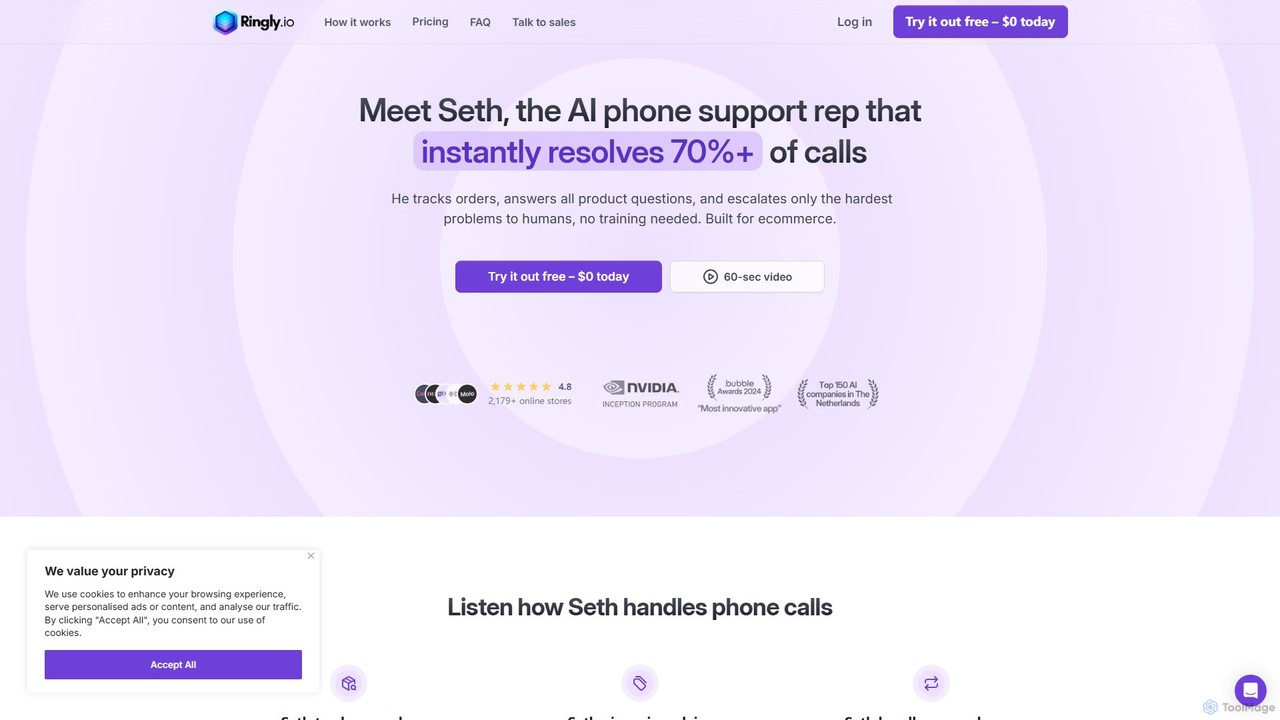
Ringly.io

Ringly.io

Ringly.io is an advanced AI phone agent designed for e-commerce businesses. It automates customer support calls, handling inquiries …

49.1K
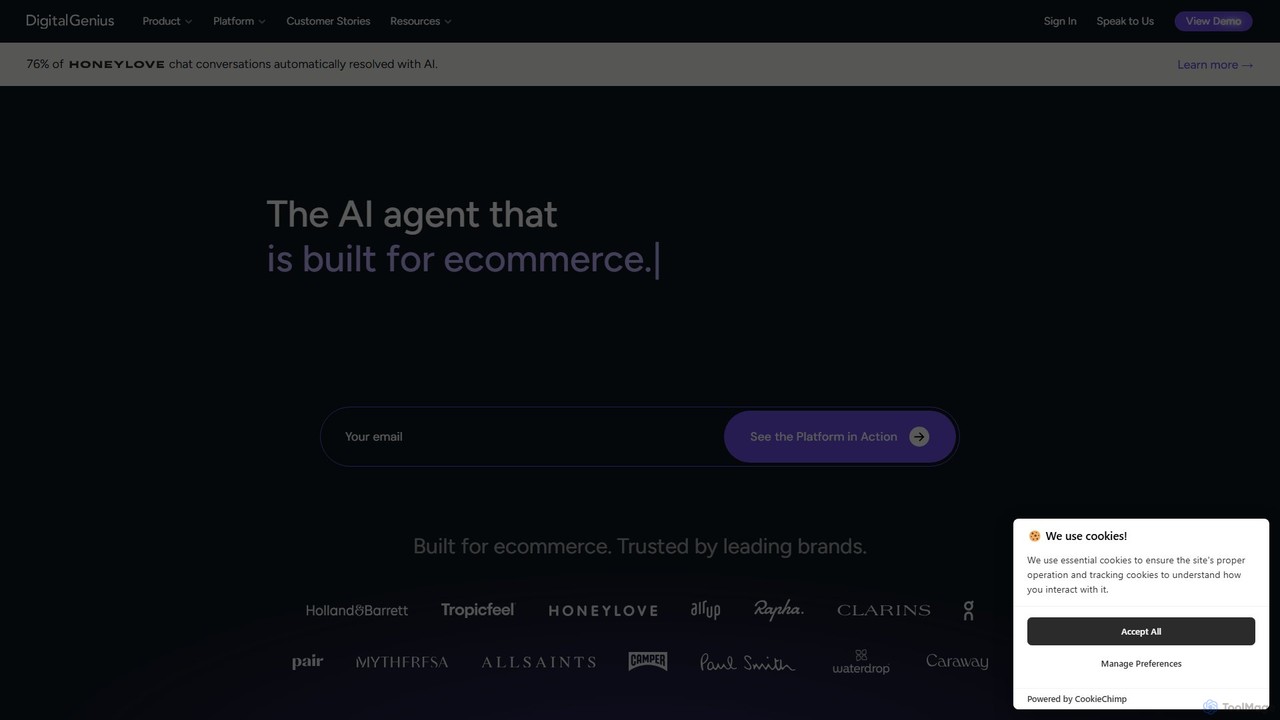
DigitalGenius

DigitalGenius

DigitalGenius is an advanced AI agent specifically designed for ecommerce. It goes beyond standard chatbots to fully resolve …

45.9K
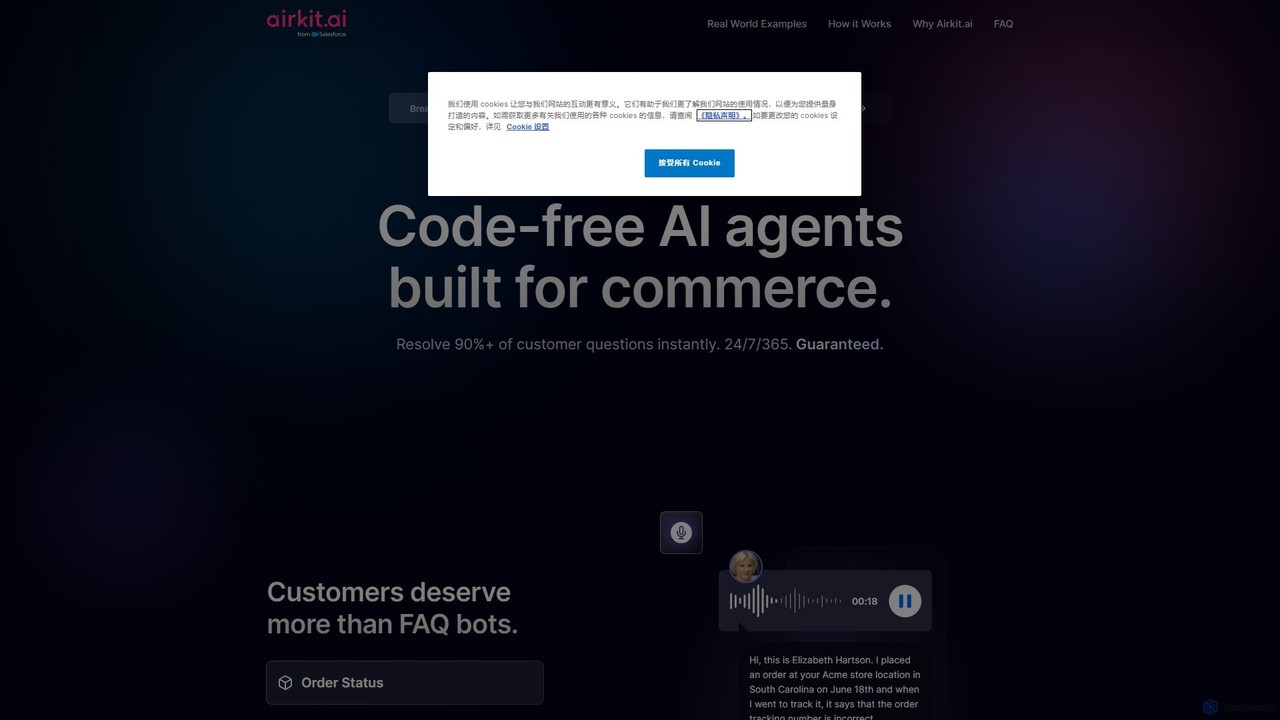
Airkit.ai

Airkit.ai

Airkit.ai provides no-code, GPT-4 powered AI agents specifically designed for eCommerce. It automates over 90% of customer service …

2.7K
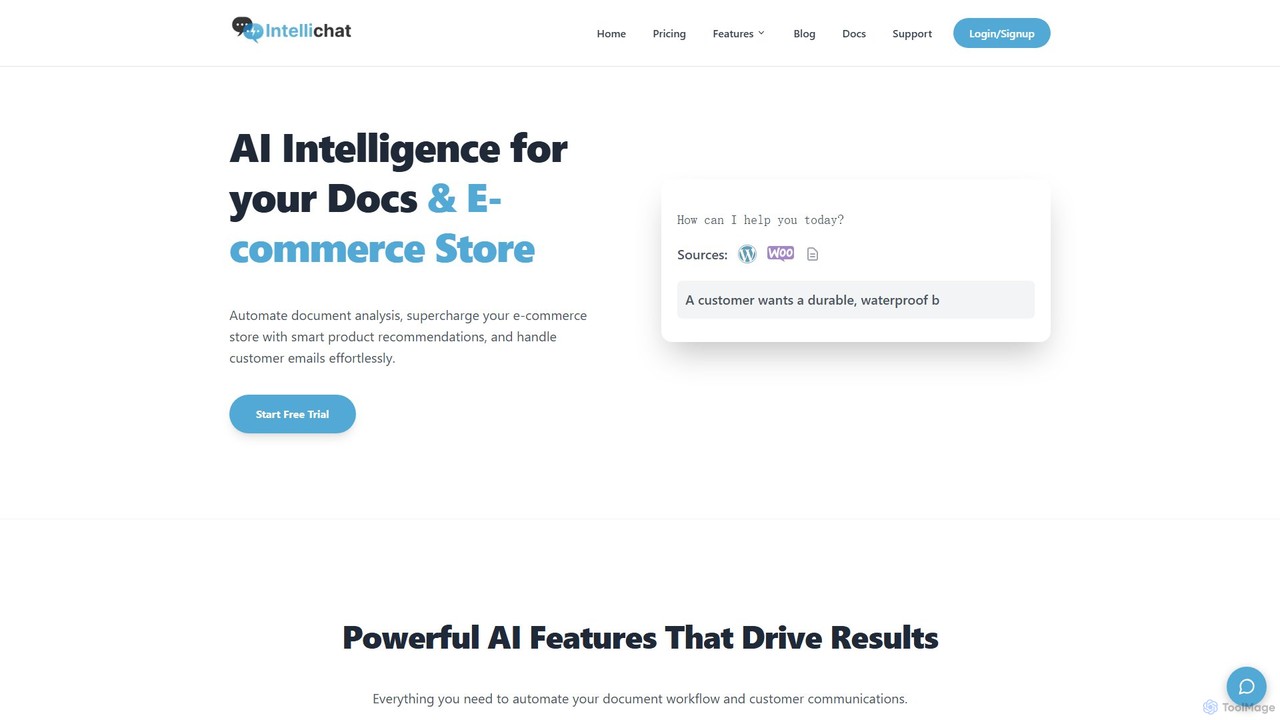
Intellichat

Intellichat

Intellichat is an AI-powered chatbot platform designed to automate customer support and engagement for websites, e-commerce stores, and …

2.7K

About Customer Service

AI Customer Service tools are AI-powered solutions designed to automate and enhance customer interactions across various channels. Leveraging advanced Natural Language Processing (NLP) and machine learning, these tools can understand, respond to, and resolve customer inquiries efficiently. They are invaluable for businesses, especially within e-commerce, aiming to provide 24/7 support, improve response times, and personalize the customer experience, ultimately boosting satisfaction and operational efficiency.

Core Features

  • AI Chatbots & Virtual Assistants: Automate responses to common questions, guide users through processes, and handle routine tasks.
  • Sentiment Analysis: Detect customer emotions and urgency in interactions to prioritize cases and tailor empathetic responses.
  • Automated Ticketing & Routing: Categorize and assign support tickets to the most appropriate agents or departments based on inquiry type.
  • Knowledge Base Integration: Provide instant access to relevant information for both customers and support agents, ensuring consistent answers.
  • Personalized Recommendations: Suggest products, services, or solutions based on customer history, preferences, and current context.

Applicable Scenarios

These tools are widely adopted across industries to streamline support operations. In e-commerce, they manage order status inquiries, product information requests, and facilitate returns. Financial institutions use them for account FAQs and transaction support, while healthcare providers leverage them for appointment scheduling and general information dissemination.

How to Choose

When selecting an AI Customer Service tool, prioritize its integration capabilities with existing CRM and e-commerce platforms. Evaluate its scalability to handle varying interaction volumes and its NLP accuracy for understanding diverse queries. Consider customization options to tailor the AI to your specific business needs and brand voice, alongside robust language support.

Customer ServiceUse Cases

1

Automated Order Status & Tracking

E-commerce customers can instantly check their order status, shipping details, or return policy via an AI chatbot, significantly reducing the volume of direct calls and emails to support agents. This provides immediate gratification and frees up human staff for complex issues, enhancing the post-purchase experience.

2

Personalized Product Recommendations

An AI assistant analyzes a customer's browsing history, past purchases, and expressed preferences to proactively suggest relevant products or services. This enhances the shopping experience, drives cross-selling, and increases average order value within e-commerce platforms, leading to higher conversion rates.

3

24/7 Multilingual Support for Global Markets

Businesses operating internationally can deploy AI customer service tools to offer round-the-clock support in multiple languages. This ensures customers worldwide receive immediate, culturally appropriate assistance, overcoming time zone differences and language barriers, which is crucial for global e-commerce success.

4

Proactive Issue Identification & Resolution

AI monitors customer interactions and identifies potential issues, such as delayed shipments or common product complaints, before they escalate. The system can then proactively inform affected customers and offer solutions, improving satisfaction and reducing churn, especially critical in fast-paced e-commerce environments.

5

Efficient Complaint Handling & Escalation

AI tools categorize customer complaints based on sentiment analysis and keywords, automatically routing urgent or complex issues to specialized human agents. Simultaneously, the AI can provide initial empathetic responses and gather necessary information, streamlining the resolution process and ensuring no critical feedback is missed.

6

Automated FAQ & Knowledge Base Access

Customers can quickly find answers to common questions about products, services, or company policies through an AI-powered knowledge base or chatbot. This self-service option empowers users, reduces repetitive inquiries for agents, and ensures consistent information delivery, significantly improving overall support efficiency.

Customer ServiceFrequently Asked Questions