Ecommerce Best in category 5 results Platform AI Tool

Popular AI tools in the Platform field of Ecommerce include Shopify、Fynd、Pietra Studio、GrubMarket、dg1, etc., helping you quickly improve efficiency.

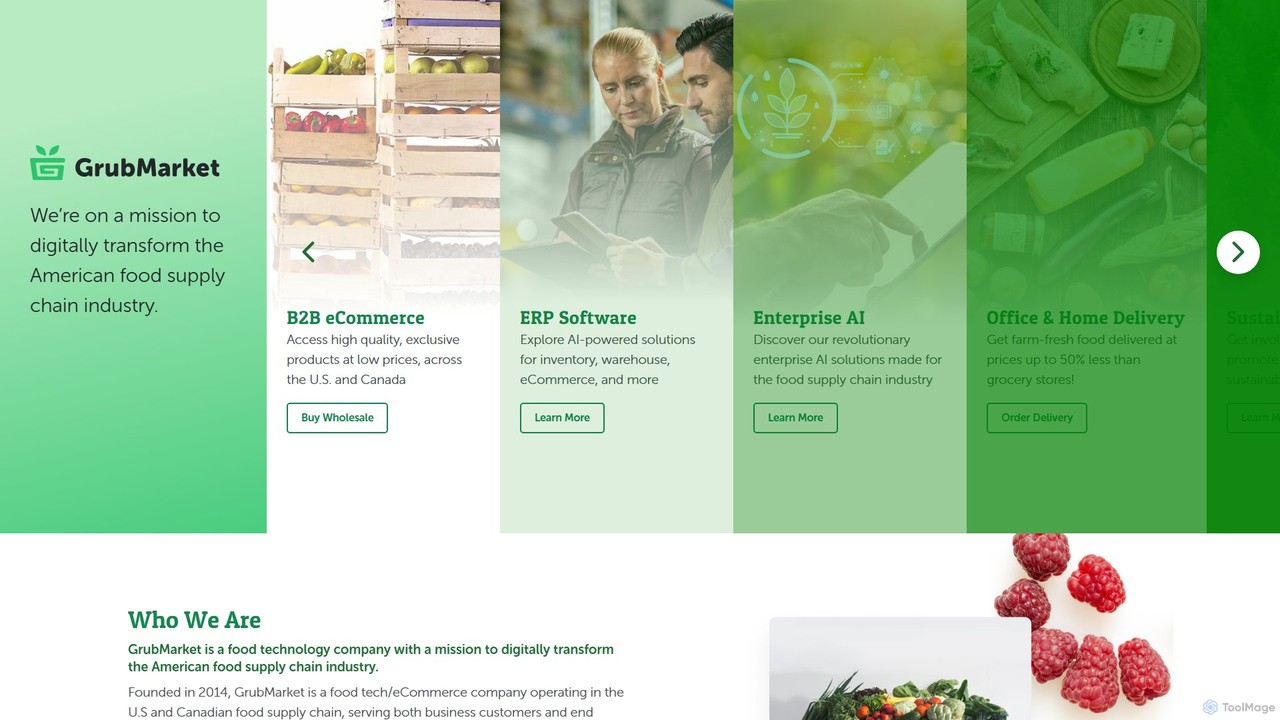
GrubMarket

GrubMarket

GrubMarket is an AI-powered technology platform revolutionizing the food supply chain. It provides B2B eCommerce, enterprise ERP software …

26.7K
dg1

dg1

dg1 is an all-in-one AI-powered platform for building and managing websites, e-commerce stores, and marketing campaigns. It integrates …

10.6K
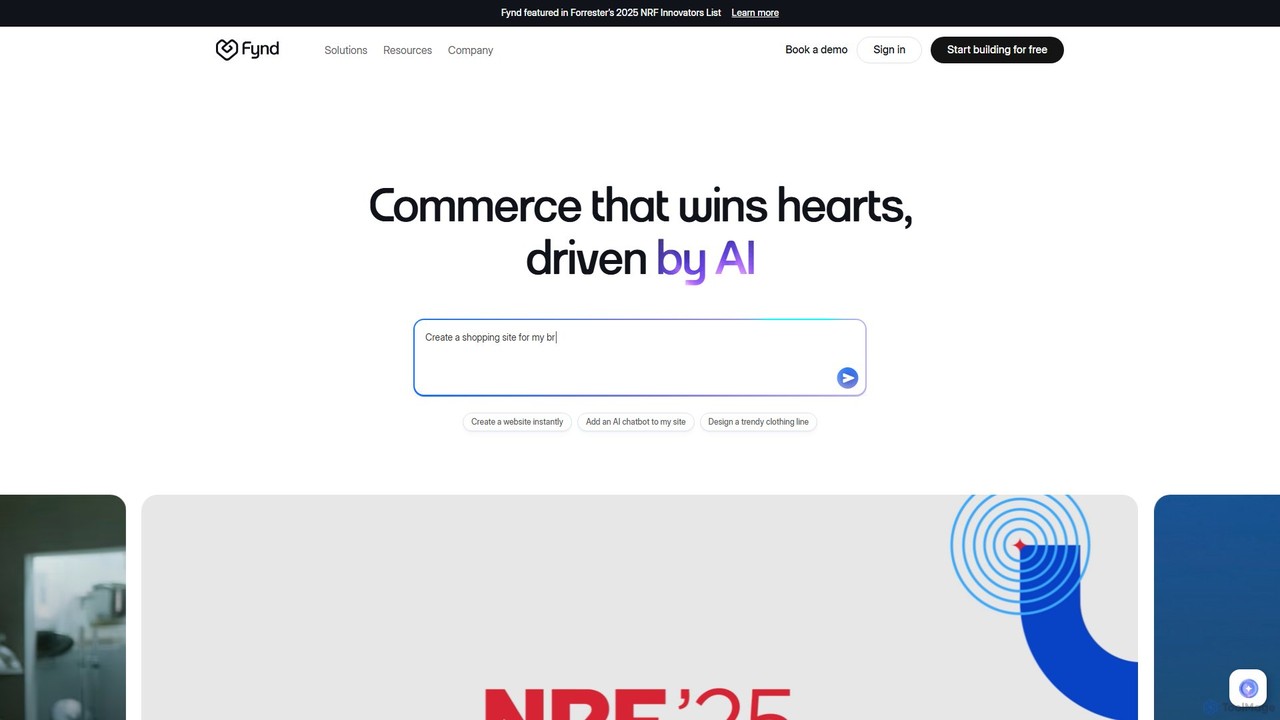
Fynd

Fynd

Fynd is an AI-powered omnichannel commerce platform designed for retail businesses. It provides a comprehensive suite of tools …

212.6K
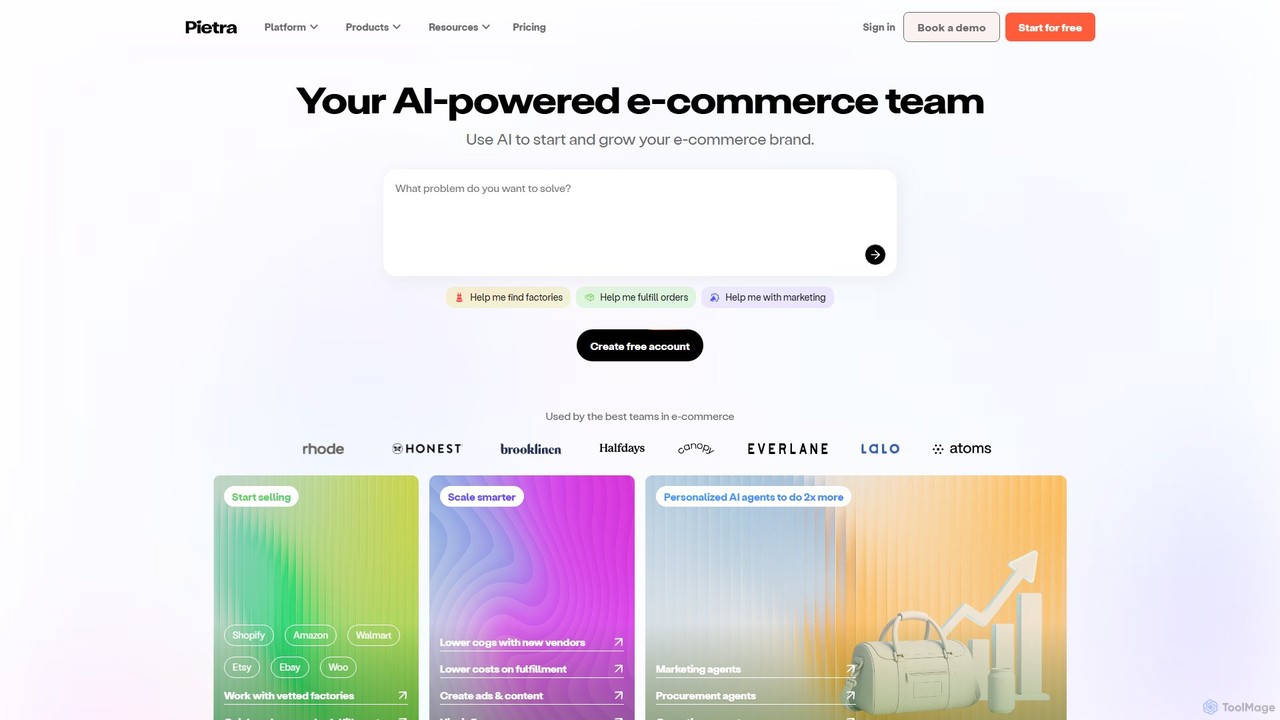
Pietra Studio

Pietra Studio

Pietra Studio is an AI-powered, all-in-one e-commerce platform designed to help entrepreneurs and brands start and scale their …

86.0K
Shopify

Shopify

Shopify is an all-in-one commerce platform to start, run, and grow a business. It allows you to create …

215.3M

About Platform

AI E-commerce Platforms are integrated solutions leveraging artificial intelligence to optimize various aspects of online retail operations. These platforms utilize advanced machine learning algorithms to enhance customer experience, streamline backend processes, and drive sales growth. They provide a unified environment for businesses to deploy AI-powered tools, from personalized recommendations to intelligent inventory management, enabling data-driven decision-making and operational efficiency.

Core Features

  • Personalized Recommendations: AI analyzes customer behavior and preferences to suggest relevant products, increasing conversion rates.
  • Automated Customer Support: AI chatbots handle inquiries, provide instant assistance, and resolve common issues 24/7, improving customer satisfaction.
  • Dynamic Pricing Optimization: Algorithms analyze market trends, competitor pricing, and demand to adjust product prices in real-time for maximum profitability.
  • Intelligent Inventory Management: AI forecasts demand, optimizes stock levels, and automates reordering processes to minimize overstocking and stockouts.
  • AI-driven Content Generation: Automatically creates engaging product descriptions, marketing copy, and ad creatives based on product data and target audience.

Applicable Scenarios

Online retailers seeking to deliver highly personalized shopping experiences and automate routine tasks benefit significantly. E-commerce managers utilize these platforms to optimize pricing strategies, manage inventory efficiently, and gain deeper insights into market dynamics. Marketing teams leverage AI for automated content creation, targeted advertising, and improved customer engagement across various channels.

How to Choose

When selecting an AI E-commerce Platform, consider its integration capabilities with existing CRM, ERP, and marketing systems. Evaluate the breadth and depth of its AI features, such as natural language processing for chatbots or computer vision for product tagging. Assess its scalability to accommodate business growth and its pricing model for cost-effectiveness. User-friendliness and vendor support are also crucial for successful implementation and adoption.

PlatformUse Cases

1

Enhancing Personalized Shopping Experiences

E-commerce businesses use AI platforms to analyze customer browsing history, purchase patterns, and demographic data. This enables the delivery of highly relevant product recommendations, personalized promotions, and tailored content, significantly improving customer engagement and conversion rates.

2

Automating Customer Service and Support

Retailers deploy AI chatbots and virtual assistants embedded within these platforms to handle a wide range of customer inquiries, from order status checks to product information. This provides instant, 24/7 support, reduces the workload on human agents, and ensures consistent customer satisfaction.

3

Optimizing Product Pricing and Promotion Strategies

E-commerce managers leverage AI platforms to dynamically adjust product prices based on real-time market demand, competitor pricing, inventory levels, and customer segmentation. This ensures optimal profitability while remaining competitive and responsive to market changes.

4

Intelligent Inventory Management and Demand Forecasting

Businesses utilize AI platforms to predict future product demand with high accuracy by analyzing historical sales data, seasonal trends, and external factors. This leads to optimized inventory levels, reduced carrying costs, minimized stockouts, and improved supply chain efficiency.

5

Generating High-Quality Product Descriptions at Scale

Content creators and marketing teams use AI platforms to automatically generate unique, engaging, and SEO-friendly product descriptions from basic product attributes. This accelerates content creation, ensures consistency, and improves product visibility in search engines.

6

Improving E-commerce Search and Product Discovery

AI-powered search functionalities within these platforms understand natural language queries and user intent more effectively. This results in more accurate search results, intelligent product filtering, and enhanced product discovery, helping customers find what they need faster.

PlatformFrequently Asked Questions