Ecommerce Best in category 3 results Pricing Optimization AI Tool

Popular AI tools in the Pricing Optimization field of Ecommerce include goaura、Competera、dynawooai, etc., helping you quickly improve efficiency.

goaura

goaura

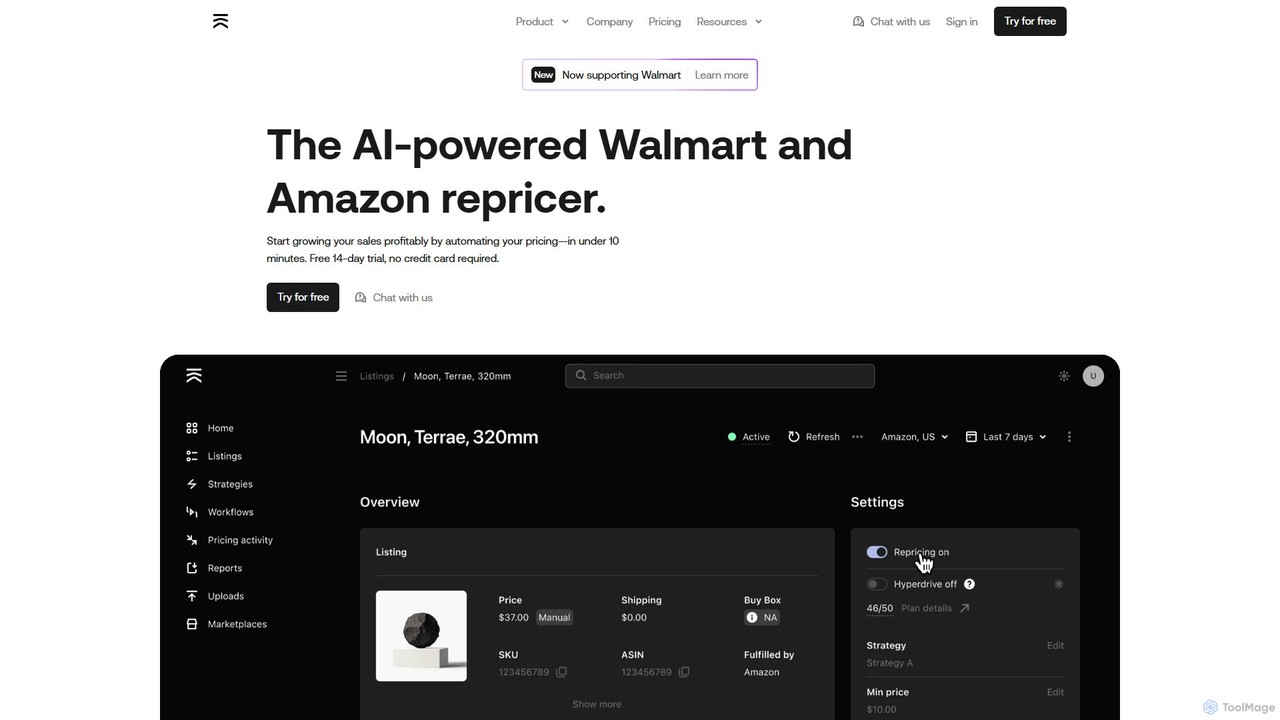
goaura is an AI-powered repricing tool for Amazon and Walmart sellers. It automates pricing strategies in real-time to …

113.9K
Competera

Competera

Competera is an AI-powered pricing platform for online and omnichannel retailers. It provides real-time competitor price monitoring, dynamic …

34.0K
dynawooai

dynawooai

DynaWooAi is an AI-powered dynamic pricing and discount plugin for WooCommerce. It helps e-commerce stores maximize profitability by …

2.5K

About Pricing Optimization

Pricing Optimization tools are AI-driven platforms that automate and refine pricing strategies for businesses, particularly within the ecommerce sector. These tools analyze vast datasets, including competitor prices, market demand, customer behavior, and inventory levels, to recommend the optimal price for each product in real-time. This data-centric approach helps businesses maximize revenue and profit margins while staying competitive. Unlike manual pricing, these AI systems can adjust prices dynamically at scale, responding instantly to market fluctuations.

Core Features

  • Dynamic Pricing: Automatically adjusts product prices in real-time based on market demand, competitor actions, and inventory levels.
  • Competitor Price Monitoring: Continuously tracks and analyzes pricing strategies of competitors to inform your own pricing decisions.
  • Demand Forecasting: Utilizes machine learning models to predict future product demand, enabling proactive pricing adjustments.
  • Price Elasticity Analysis: Determines how changes in price will likely affect customer demand and sales volume for specific products.
  • Rule-Based Pricing Engine: Allows users to set custom pricing rules and constraints, such as maintaining a minimum profit margin or undercutting a specific competitor.

Use Cases

These tools are essential for ecommerce managers, revenue managers, and marketing strategists in competitive industries like online retail, travel, and SaaS. They are used to manage pricing for large product catalogs, run promotional campaigns like flash sales, and respond to aggressive competitor pricing without manual intervention.

How to Choose

When selecting a Pricing Optimization tool, consider its integration capabilities with your ecommerce platform (e.g., Shopify, Magento). Evaluate the sophistication of its AI algorithms, the range of data sources it can analyze, and the level of control it offers between full automation and manual overrides. Also, assess the clarity of its analytics and reporting features to understand the impact of pricing changes.

Pricing OptimizationUse Cases

1

Dynamic Pricing for E-commerce Flash Sales

An ecommerce manager for a fashion brand is launching a 24-hour flash sale. Instead of setting a single discount, they use a pricing optimization tool to implement a dynamic strategy. The tool initially sets a deep discount to attract traffic. As the sale progresses and inventory for popular items decreases, the AI automatically reduces the discount slightly to maximize profit on the remaining stock. This results in clearing out inventory effectively while capturing a higher average selling price than a static discount would have allowed.

2

Competitive Pricing for Retail Electronics

A category manager for an online electronics retailer needs to price a new smartphone competitively. They use a pricing optimization tool to continuously monitor the prices of this model across five major competitors. The manager sets a rule: 'Always be priced within 2% of the lowest competitor, but never below our minimum profit margin.' The AI engine then automatically adjusts the price throughout the day, ensuring the product remains attractive to price-sensitive shoppers without sacrificing profitability.

3

Demand-Based Pricing for Travel & Hospitality

A revenue manager at a hotel chain uses a pricing optimization tool to set room rates. The AI analyzes historical booking data, local events, flight schedules, weather forecasts, and competitor rates. Based on this data, it forecasts periods of high and low demand. The system automatically increases rates for a weekend when a major concert is announced and lowers them for midweek stays during the off-season, ensuring the hotel maximizes its revenue per available room (RevPAR) throughout the year.

4

Inventory-Driven Price Adjustments for Fashion Retail

A fast-fashion retailer faces the challenge of clearing seasonal stock. They use a pricing optimization tool that integrates with their inventory management system. The tool identifies items with high stock levels and low sales velocity. It then recommends a series of automated, gradual markdowns over several weeks. This strategy avoids a single, deep discount that devalues the brand, instead creating urgency and clearing stock efficiently before the new season's collection arrives, minimizing losses from unsold goods.

5

A/B Testing Pricing Strategies for SaaS Products

A product manager for a SaaS company wants to test a new pricing model. Using a pricing optimization tool, they set up an A/B test. 50% of new visitors see the existing three-tier pricing, while the other 50% see a new usage-based pricing model. The tool tracks conversion rates, average revenue per user (ARPU), and churn for both segments over a month. The data clearly shows that the new model increases ARPU by 15% without negatively impacting conversions, providing a clear, data-backed decision to switch pricing models.

6

Geo-Targeted Pricing for International E-commerce

An online store selling digital goods globally uses a pricing optimization tool to implement geo-targeted pricing. The tool analyzes local purchasing power, competitor prices in each country, and currency exchange rates. It then automatically displays prices in the local currency and adjusts them to be competitive and appropriate for each market. For example, the price for a software license might be set lower in a developing market compared to a developed one, maximizing the total number of global sales and overall revenue.

Pricing OptimizationFrequently Asked Questions