Ecommerce Best in category 5 results Shopify Apps AI Tool

Popular AI tools in the Shopify Apps field of Ecommerce include Postscript、Pixify、TxtCart、AdTrace、Tinyeinstein, etc., helping you quickly improve efficiency.

Tinyeinstein

Tinyeinstein

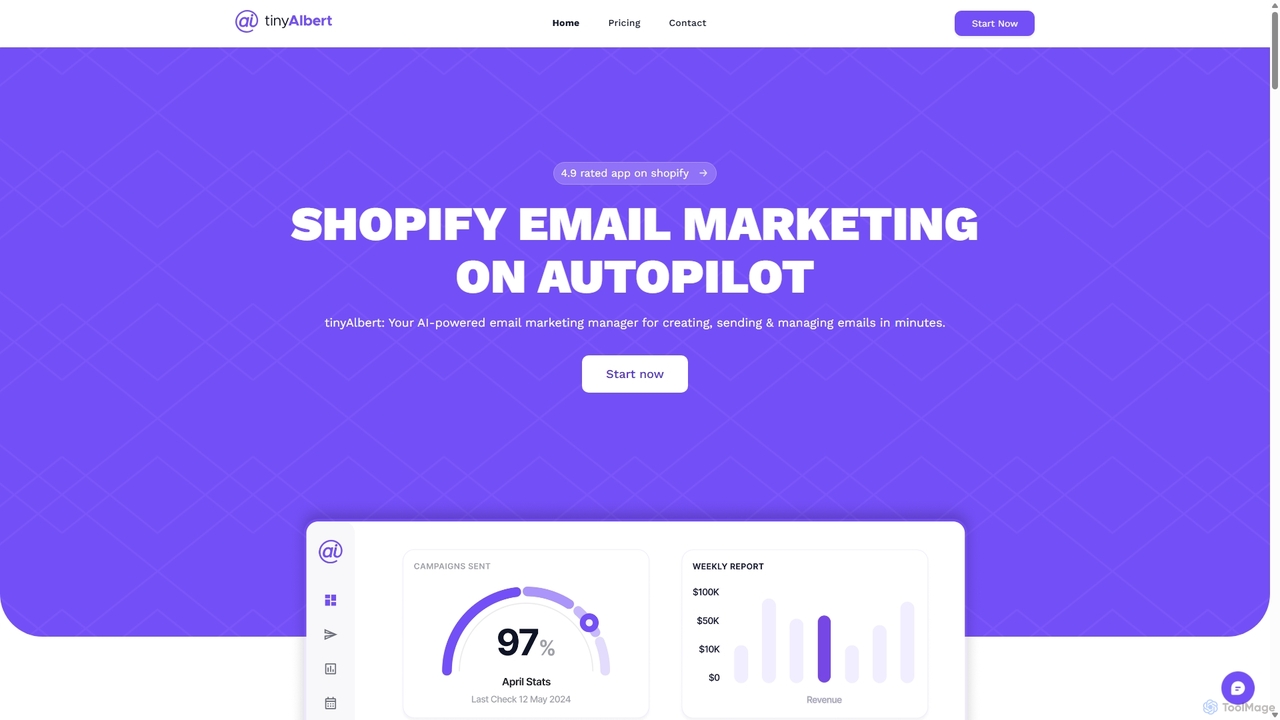
Tinyeinstein is an AI-powered email marketing manager for Shopify, designed to automate your entire email strategy. It helps …

2.8K
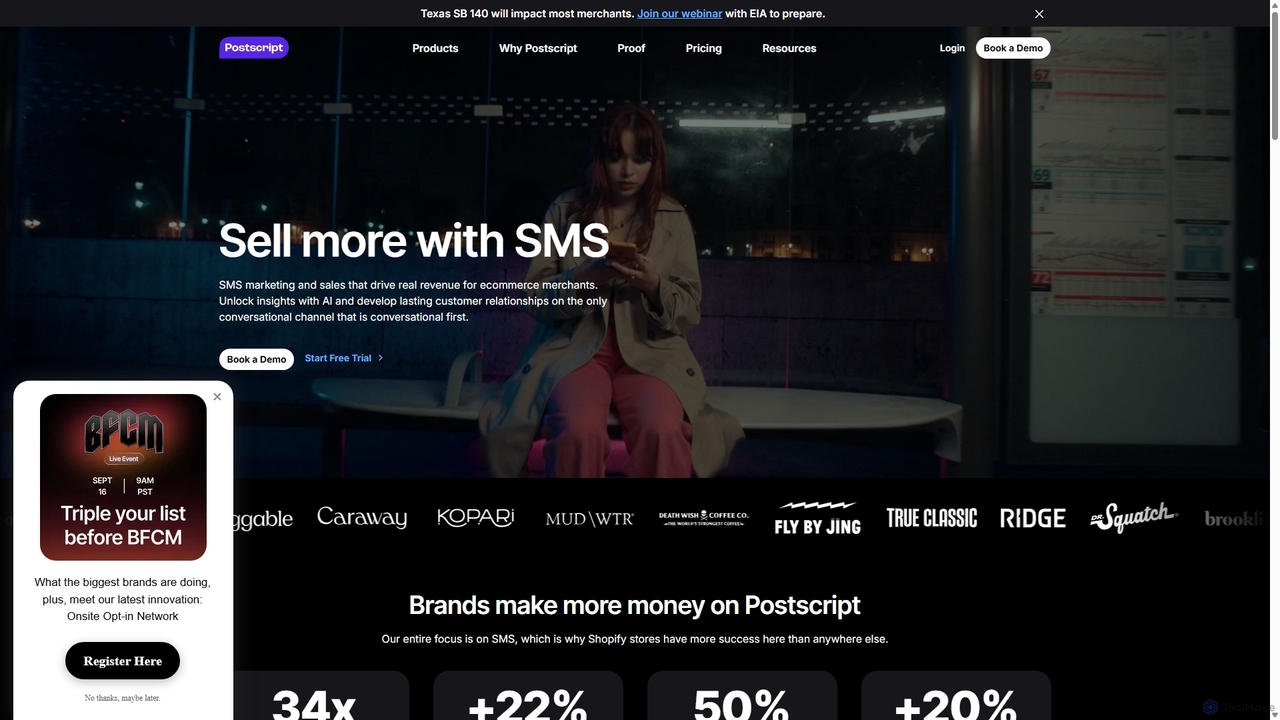
Postscript

Postscript

Postscript is a leading AI-powered SMS marketing and sales platform designed specifically for Shopify brands. It enables e-commerce …

218.2K
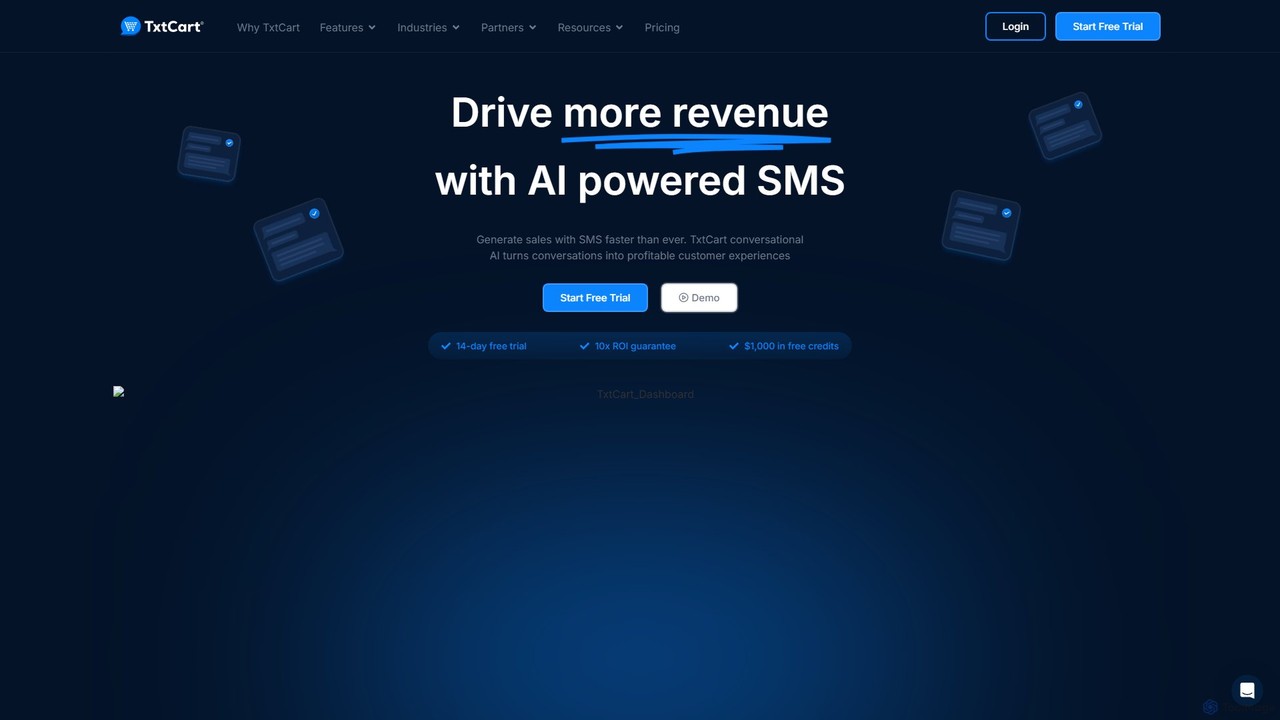
TxtCart

TxtCart

TxtCart is an AI-powered conversational SMS marketing platform designed for Shopify brands. It drives revenue by recovering abandoned …

17.0K
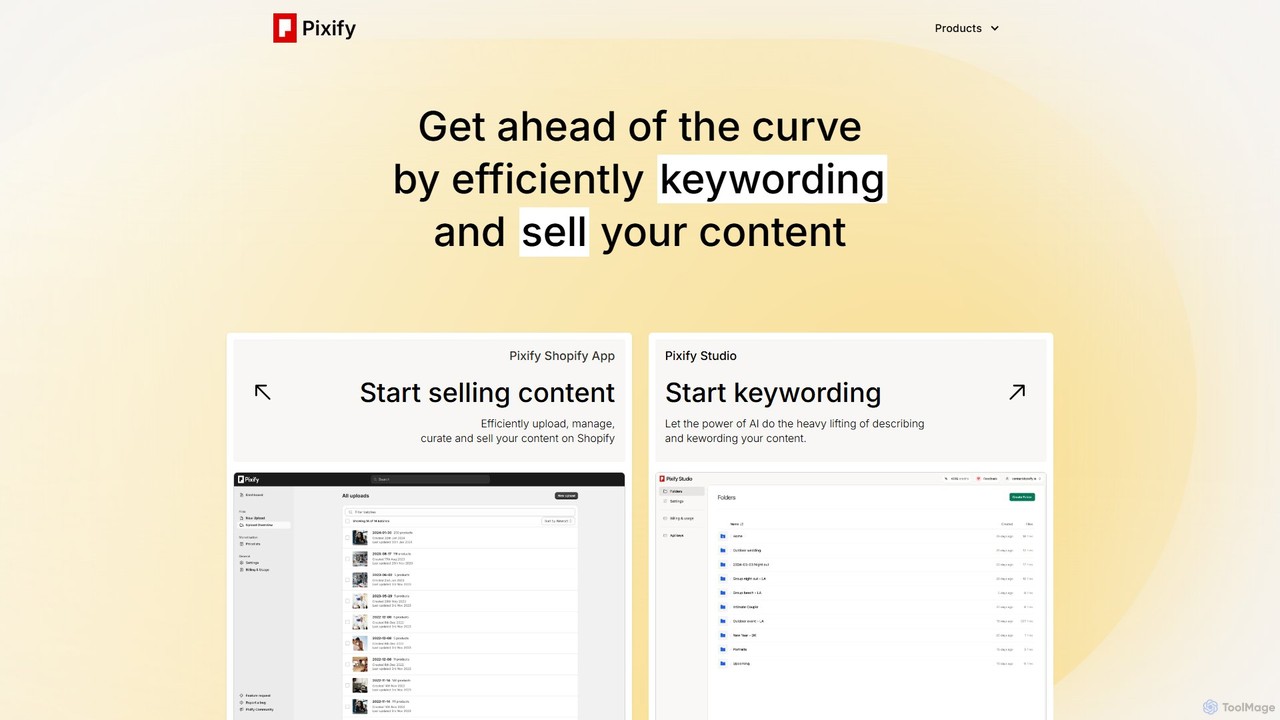
Pixify

Pixify

Pixify is an AI-powered platform designed for content creators to automate metadata generation. It efficiently creates titles, descriptions, …

20.0K
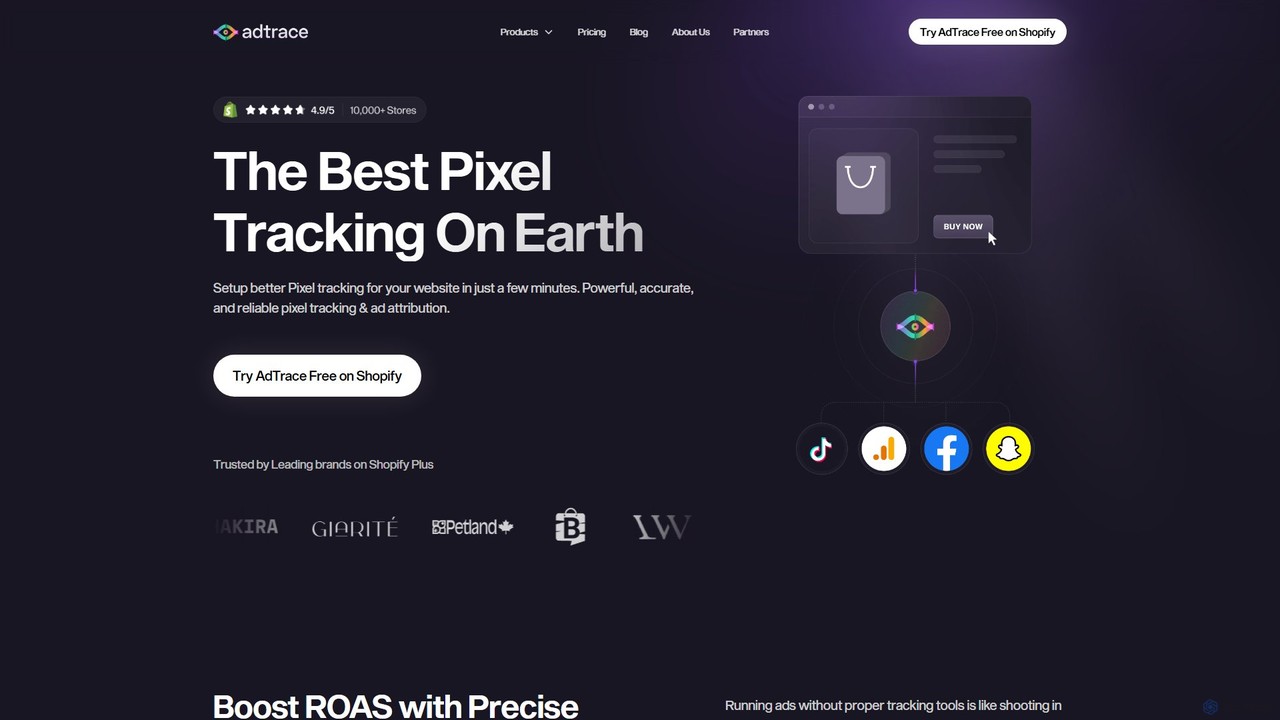
AdTrace

AdTrace

AdTrace is a powerful ad attribution and server-side pixel tracking platform designed for Shopify eCommerce stores. It provides …

10.0K

About Shopify Apps

AI Shopify Apps are specialized plugins designed to integrate directly with the Shopify platform, using artificial intelligence to automate and optimize various aspects of an online store. These tools leverage machine learning algorithms to analyze customer data, predict trends, and personalize user experiences in real-time. By automating complex tasks like customer segmentation, product recommendations, and inventory forecasting, these apps empower merchants to increase sales, enhance customer loyalty, and streamline their operations without needing deep technical expertise.

Core Features

  • AI-Powered Product Recommendations: Analyzes user behavior to suggest relevant products, increasing average order value.
  • Automated Customer Segmentation: Groups customers based on purchasing habits and engagement for targeted marketing campaigns.
  • Dynamic Pricing Optimization: Adjusts product prices automatically based on demand, competition, and inventory levels.
  • Predictive Inventory Forecasting: Uses historical sales data to predict future stock needs, preventing stockouts and overstocking.
  • AI-Driven Fraud Detection: Identifies and flags suspicious transactions in real-time to minimize chargebacks and losses.

Use Cases

These apps are essential for Shopify store owners of all sizes, from small startups to large enterprises. Marketing managers use them to create personalized email and ad campaigns. Operations teams rely on them for efficient inventory management and demand planning. Customer service departments can leverage AI chatbots integrated within Shopify for 24/7 support, resolving common queries instantly.

How to Choose

When selecting an AI Shopify App, first identify your primary business goal, whether it's marketing automation, operational efficiency, or customer support. Evaluate the app's integration depth with your existing Shopify theme and other apps. Consider the pricing model—whether it's a flat monthly fee, usage-based, or a percentage of generated revenue. Finally, check user reviews and case studies to assess its real-world performance and ease of use for non-technical users.

Shopify AppsUse Cases

1

Automate Personalized Product Recommendations

An e-commerce manager for a fashion brand uses an AI Shopify App to enhance the shopping experience. The app analyzes a visitor's browsing history, past purchases, and items in their cart in real-time. Based on this data, it dynamically displays a 'You Might Also Like' section with highly relevant products on product pages and at checkout. This level of personalization encourages impulse buys and helps customers discover new items, resulting in a measurable increase in average order value and conversion rates without manual curation.

2

Generate SEO-Optimized Product Descriptions in Bulk

A Shopify store owner with thousands of products faces the daunting task of writing unique descriptions for each. By using an AI Shopify App, they can automate this process. The app connects to their product catalog, and by providing a few keywords and features for each product type, it generates compelling, SEO-friendly descriptions in multiple languages. This saves hundreds of hours of manual work, improves the store's search engine ranking by avoiding duplicate content, and ensures a consistent brand voice across all listings.

3

Optimize Customer Support with an AI Chatbot

A direct-to-consumer brand integrates an AI chatbot app into their Shopify store to handle customer inquiries 24/7. The chatbot is trained on the store's FAQ, shipping policies, and product information. It can instantly answer common questions like 'Where is my order?' or 'What is your return policy?'. For more complex issues, it intelligently collects customer information and creates a support ticket for a human agent. This reduces response times, frees up the support team to handle high-priority cases, and improves overall customer satisfaction.

4

Prevent Fraudulent Orders with Real-Time Analysis

A high-volume electronics store uses an AI-powered fraud detection app on their Shopify platform. The app analyzes hundreds of data points for each transaction in real-time, including IP address location, device fingerprint, and unusual order patterns. It assigns a risk score to each order. High-risk orders are automatically flagged for manual review or canceled, preventing chargebacks and product loss. This proactive approach allows the business to confidently accept more orders while minimizing financial risk, a task that would be impossible to perform manually at scale.

5

Create Targeted Marketing Segments Automatically

A marketing manager for a subscription box service uses an AI Shopify App to segment their customer base. Instead of manual filtering, the app automatically creates dynamic segments like 'High-Value Customers,' 'At-Risk of Churn,' and 'Potential Brand Advocates' based on purchase frequency, order value, and engagement. The manager can then sync these segments directly with their email marketing platform to send highly targeted campaigns, such as exclusive offers to loyal customers or re-engagement emails to those at risk, significantly improving campaign ROI and customer retention.

6

Forecast Inventory Demand to Prevent Stockouts

An operations manager for a growing Shopify store struggles with inventory planning, often facing stockouts of popular items. They install an AI forecasting app that analyzes historical sales data, seasonality, and recent sales velocity. The app provides accurate predictions on how much stock of each product will be needed for the upcoming weeks and months. It sends automated alerts when inventory levels are low and suggests reorder quantities, helping the business optimize cash flow, avoid lost sales due to stockouts, and reduce excess inventory costs.

Shopify AppsFrequently Asked Questions