Freemium
Coworker
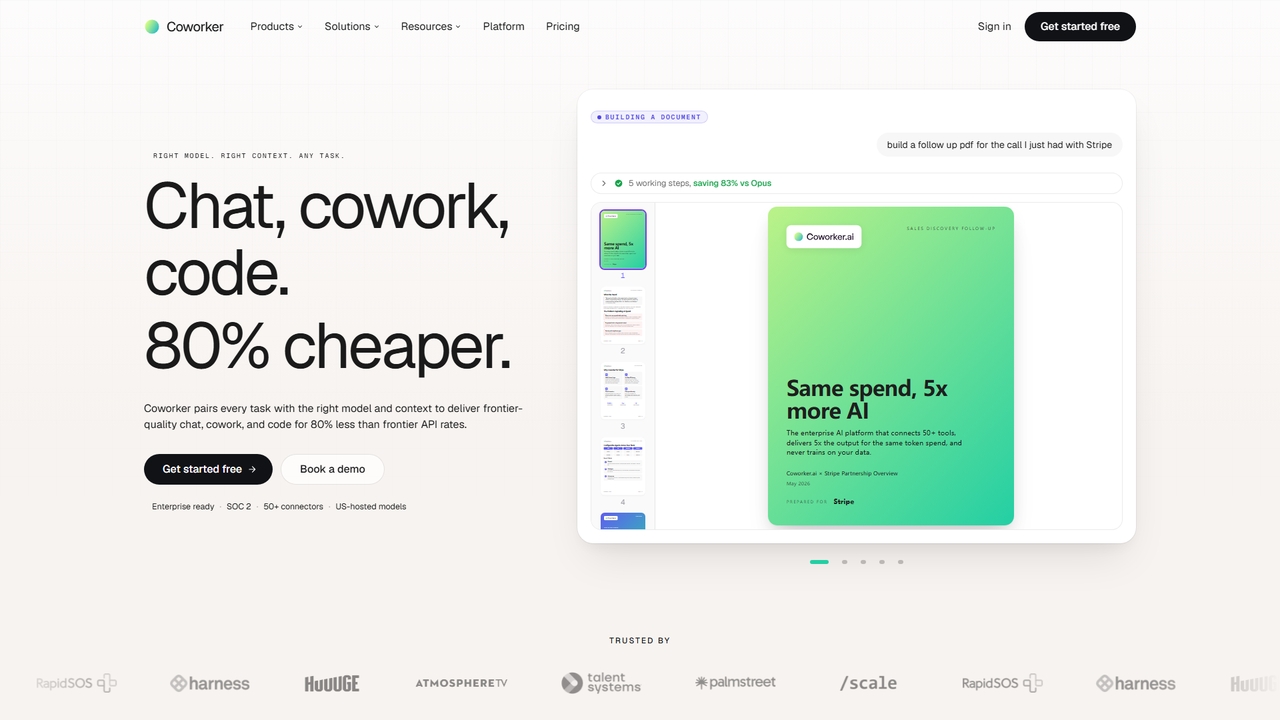
An enterprise AI platform that connects 50+ tools, delivers 5x output for the same token spend, and never trains on your data for secure, cost-effective automation.
Conversational AiVisits 58.9KFavorites 36Likes 18
Popular Enterprise AI tools include Coworker, Liminal, HP IQ, Band, Shufflrr, CTGT, TheNoah, BeyondGuard, Airflo, and ChatBetter, helping you work more efficiently.
An enterprise AI platform that connects 50+ tools, delivers 5x output for the same token spend, and never trains on your data for secure, cost-effective automation.
Conversational Ai
Enterprise-grade interaction infrastructure for multi-agent AI systems. Enables real-time collaboration, delegation, and governance between heterogeneous AI agents and humans through a shared mesh.
Ai Agent Infrastructure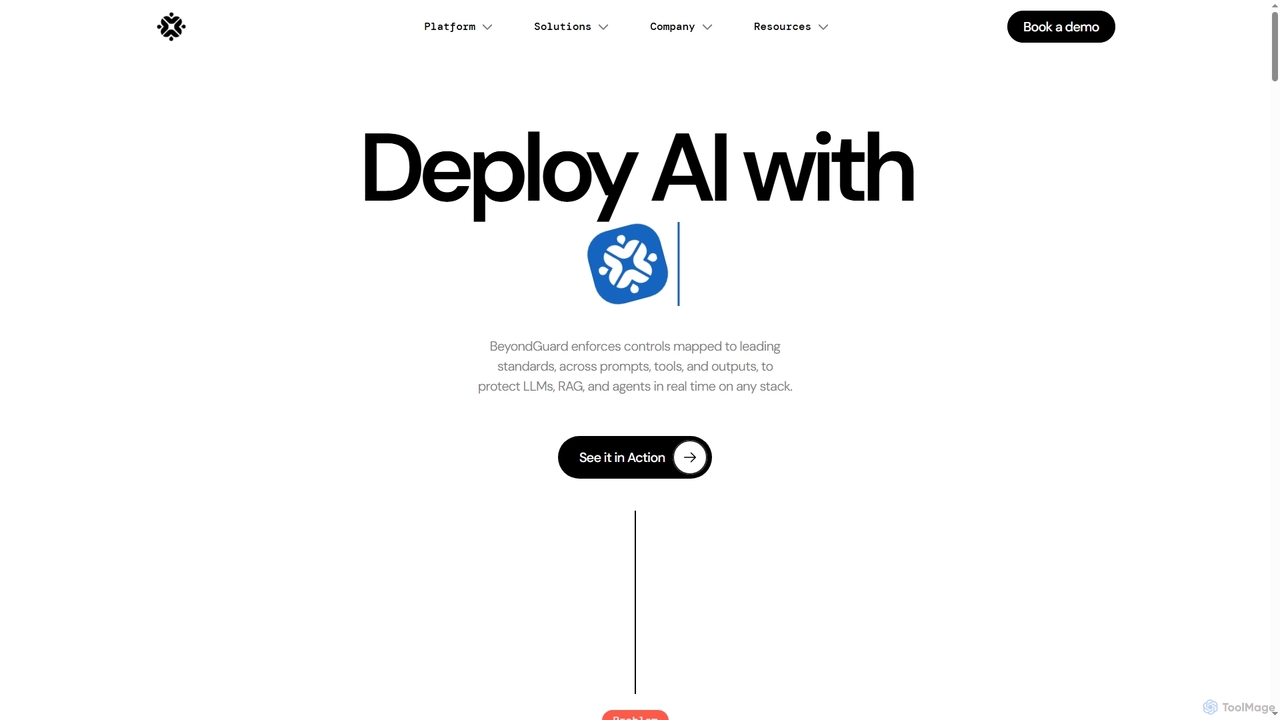
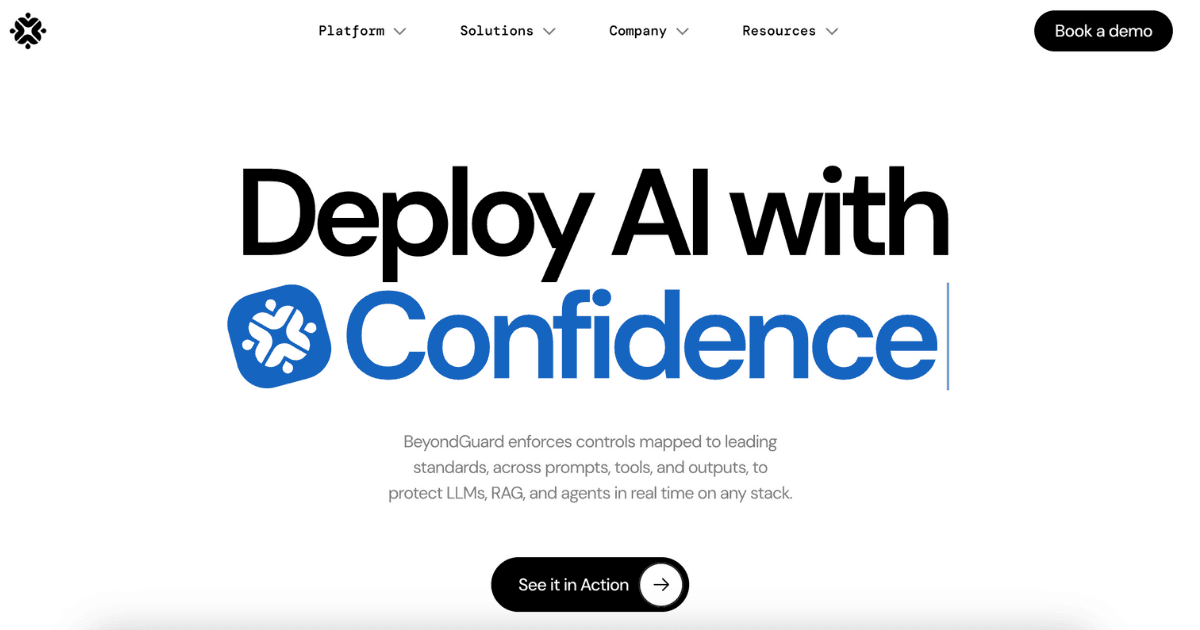
BeyondGuard is an enterprise AI security platform providing real-time threat blocking, low-code policy control, and unified risk visibility for LLMs, RAG, and AI agents. It protects against prompt injection, data leakage, jailbreaks, and unauthorized tool use, ensuring compliant and safe AI deployment across any stack.
Data Governance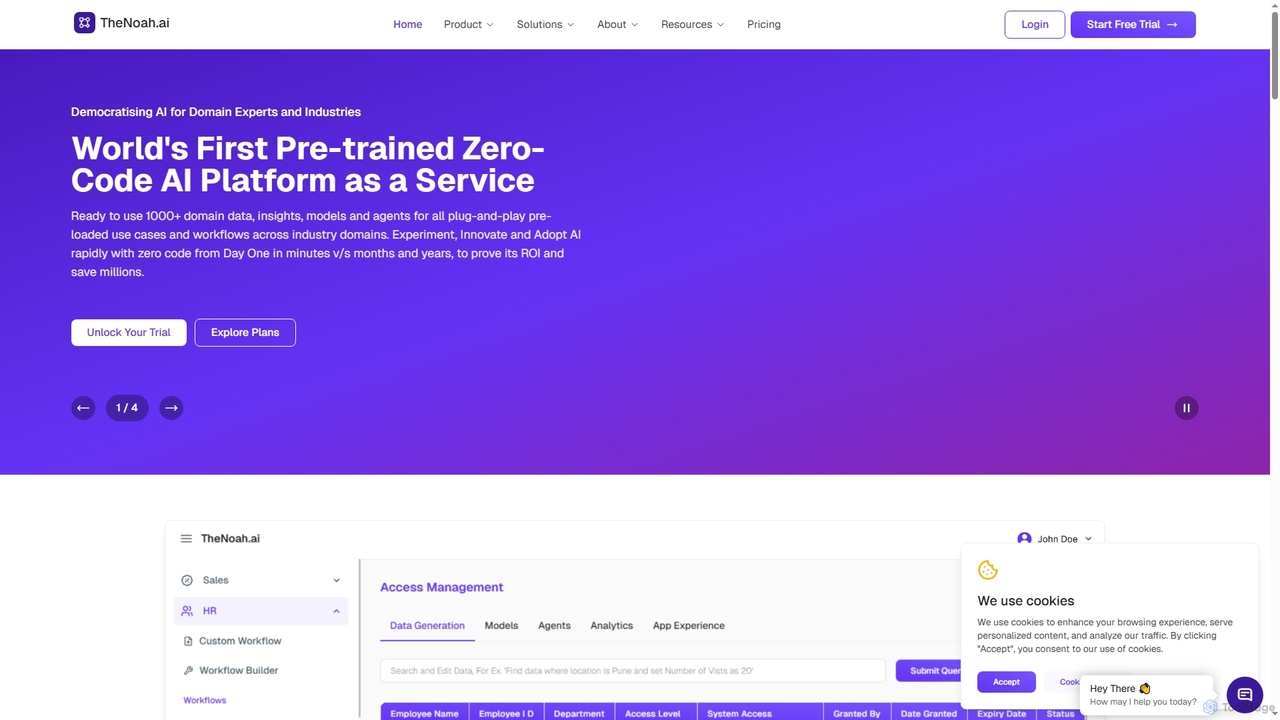
TheNoah is the world's first pre-trained, zero-code AI platform designed for enterprises and domain experts. It offers over 1000 ready-to-use domain-specific models, AI agents, and data simulation capabilities to rapidly automate workflows, generate actionable insights, and accelerate AI adoption across industries without requiring technical expertise.
Data Simulation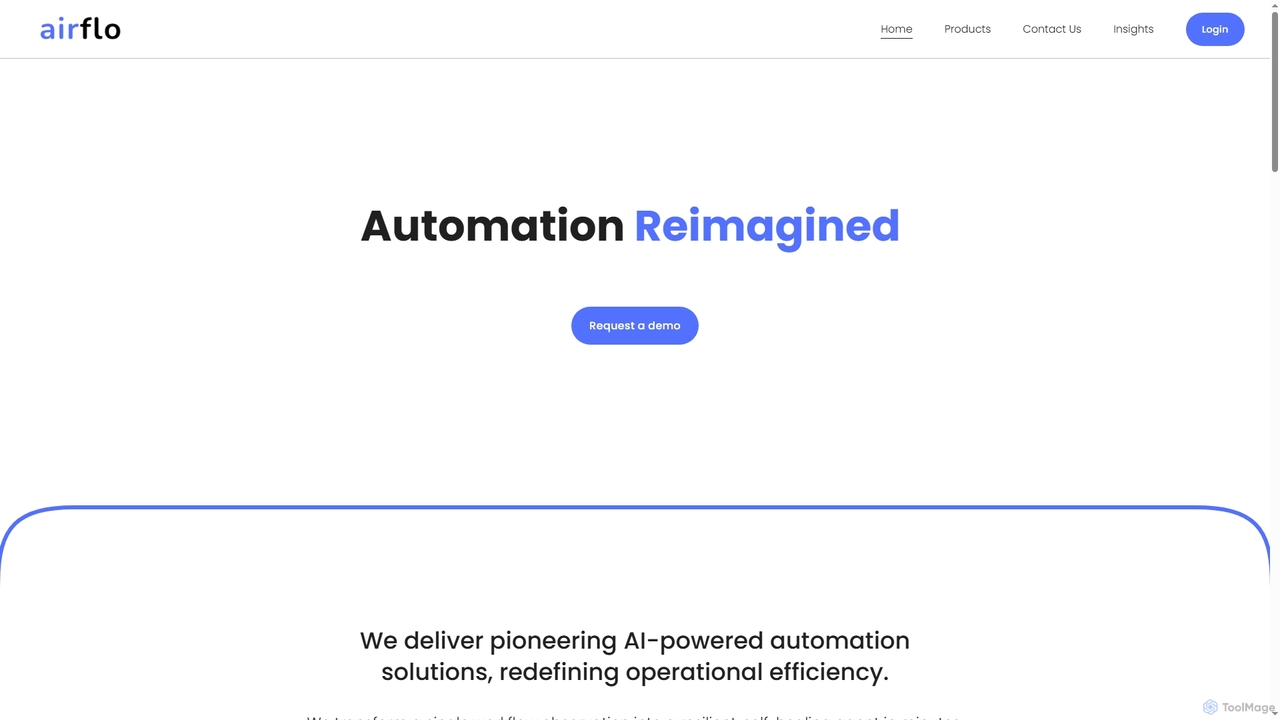
Airflo is a pioneering AI-powered automation platform that transforms single workflow observations into resilient, self-healing agents in minutes. Utilizing proprietary Small Action Models (SAMs), it understands steps, intent, and context to create adaptive automation that works across cloud, ERP, and legacy systems with zero code, APIs, or training data, significantly enhancing operational efficiency.
Machine Learning Applications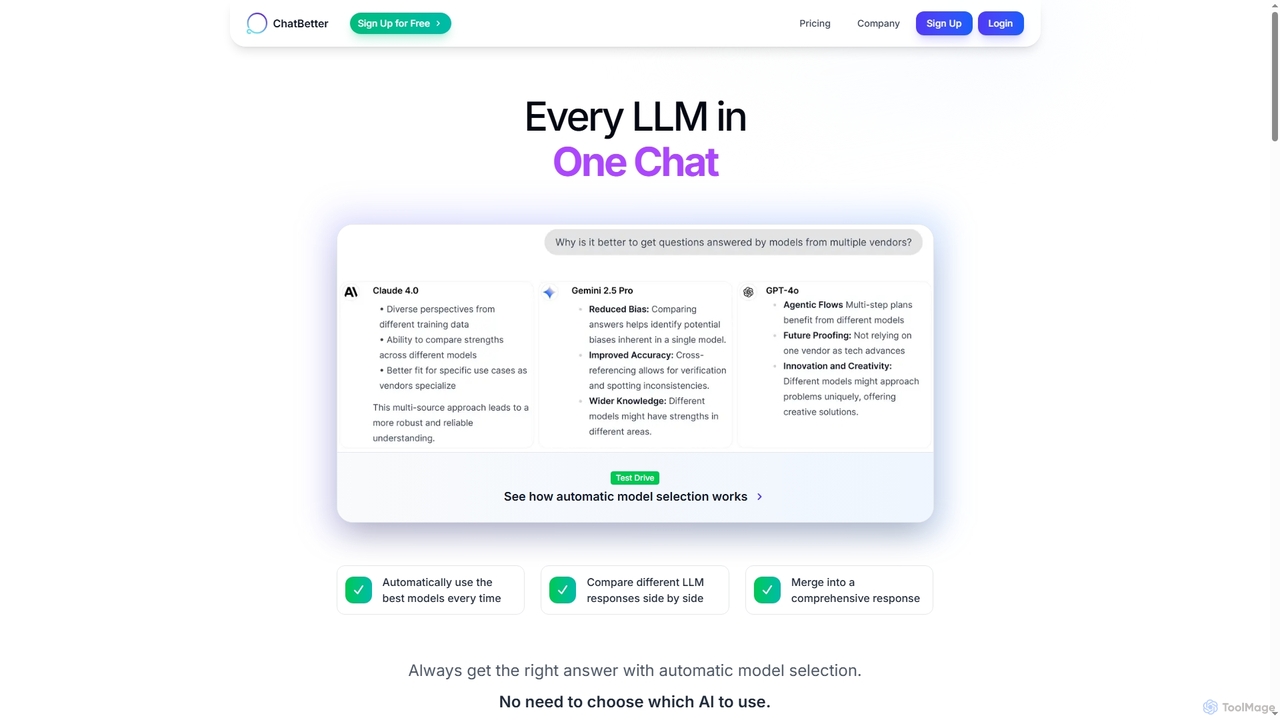
ChatBetter is an advanced AI chat platform that consolidates all major large language models (LLMs) into a single interface. It automatically selects the best model for your query, compares responses side-by-side, and merges insights for comprehensive answers, enhancing productivity for both individual users and enterprise teams.
Team Collaboration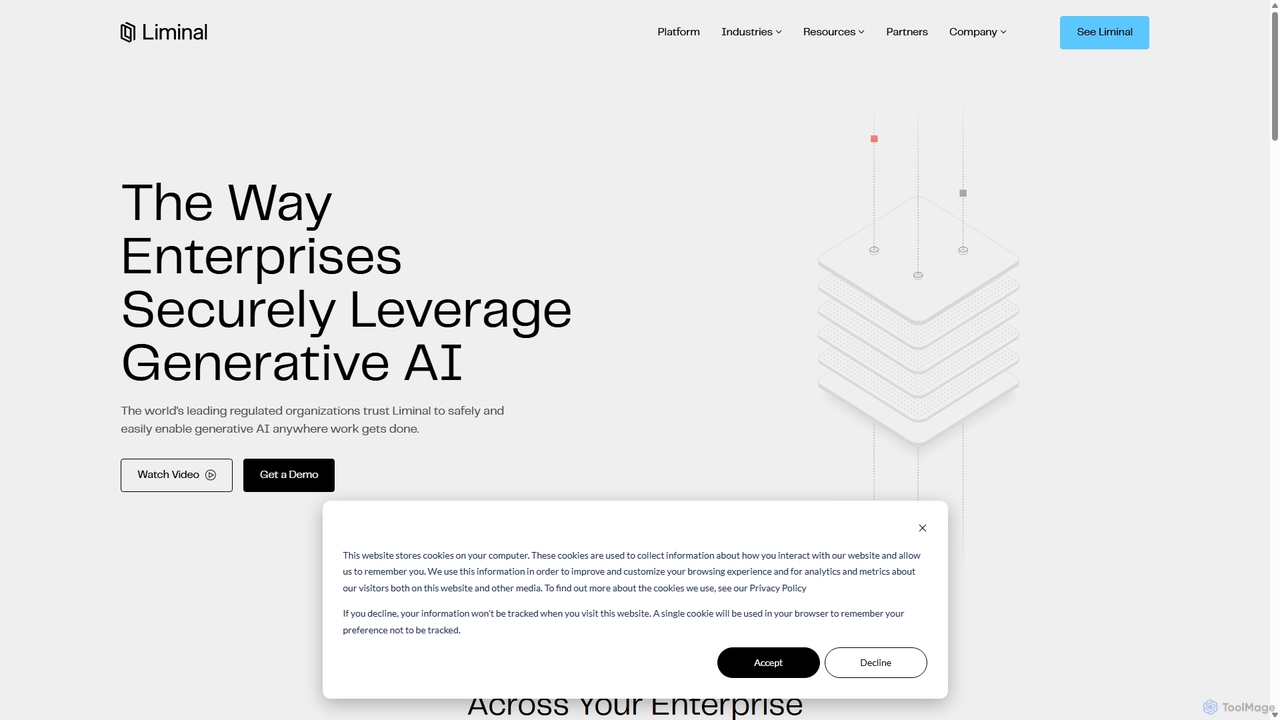
Liminal is an enterprise-grade security platform designed to help organizations safely adopt and leverage generative AI. It provides a secure gateway that protects sensitive data, ensures compliance, and offers comprehensive governance and observability across all AI interactions, integrating seamlessly into existing workflows.
Compliance
HP IQ is an advanced AI ecosystem, born from the acquisition of Humane, featuring the Ai Pin wearable and the intelligent CosmOS. It offers a screen-free, context-aware computing experience through voice, gestures, and a laser-projected display. Designed for both personal and enterprise use, it aims to enhance productivity and integrate AI seamlessly into daily life, prioritizing intuitive interaction and user privacy.
Workforce Collaboration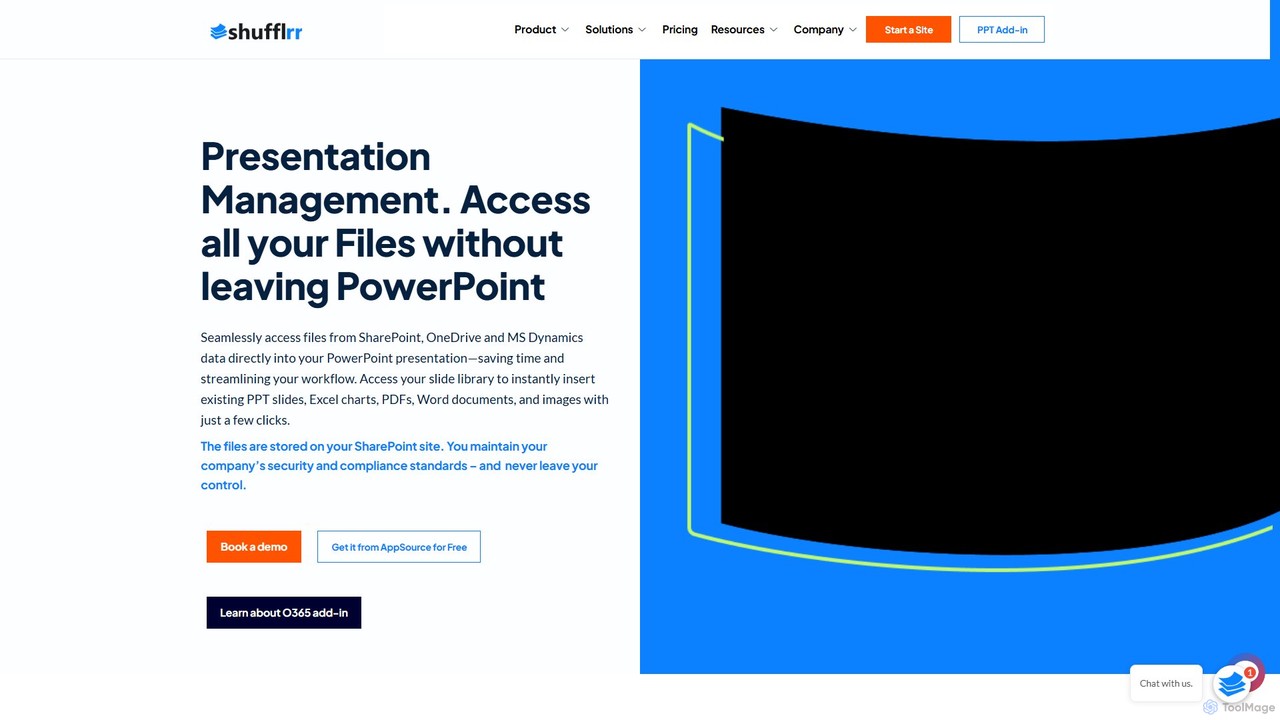
Shufflrr is an enterprise-grade presentation management platform that integrates directly with PowerPoint. It centralizes all your presentation assets, including slides, documents, and videos, into a searchable slide library. This ensures brand consistency, streamlines content creation, and provides performance analytics to help teams build more effective presentations faster. It also features an AI presentation generator.
Sales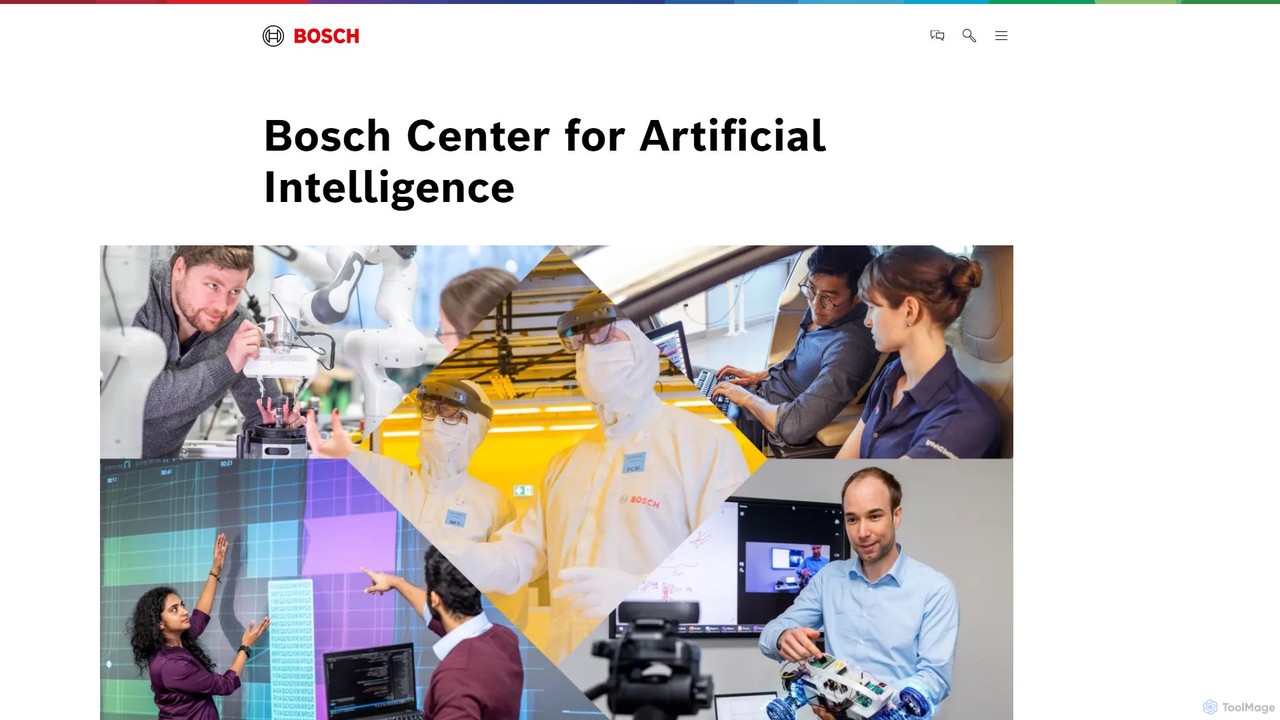
Bosch Center for Artificial Intelligence (BCAI) is Bosch's center of excellence for AI, driving the development and deployment of safe, robust, and explainable AI solutions across industrial sectors. It bridges fundamental research with real-world applications in manufacturing, automotive, and supply chain management.
Autonomous Driving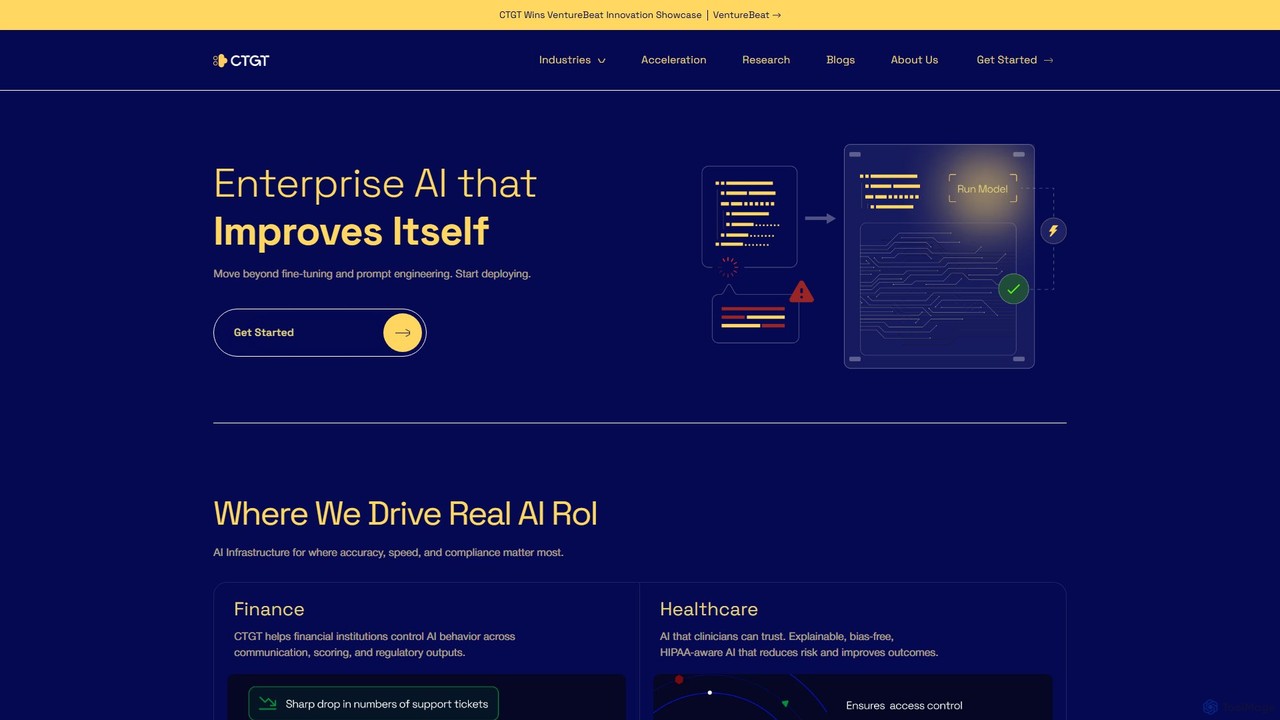
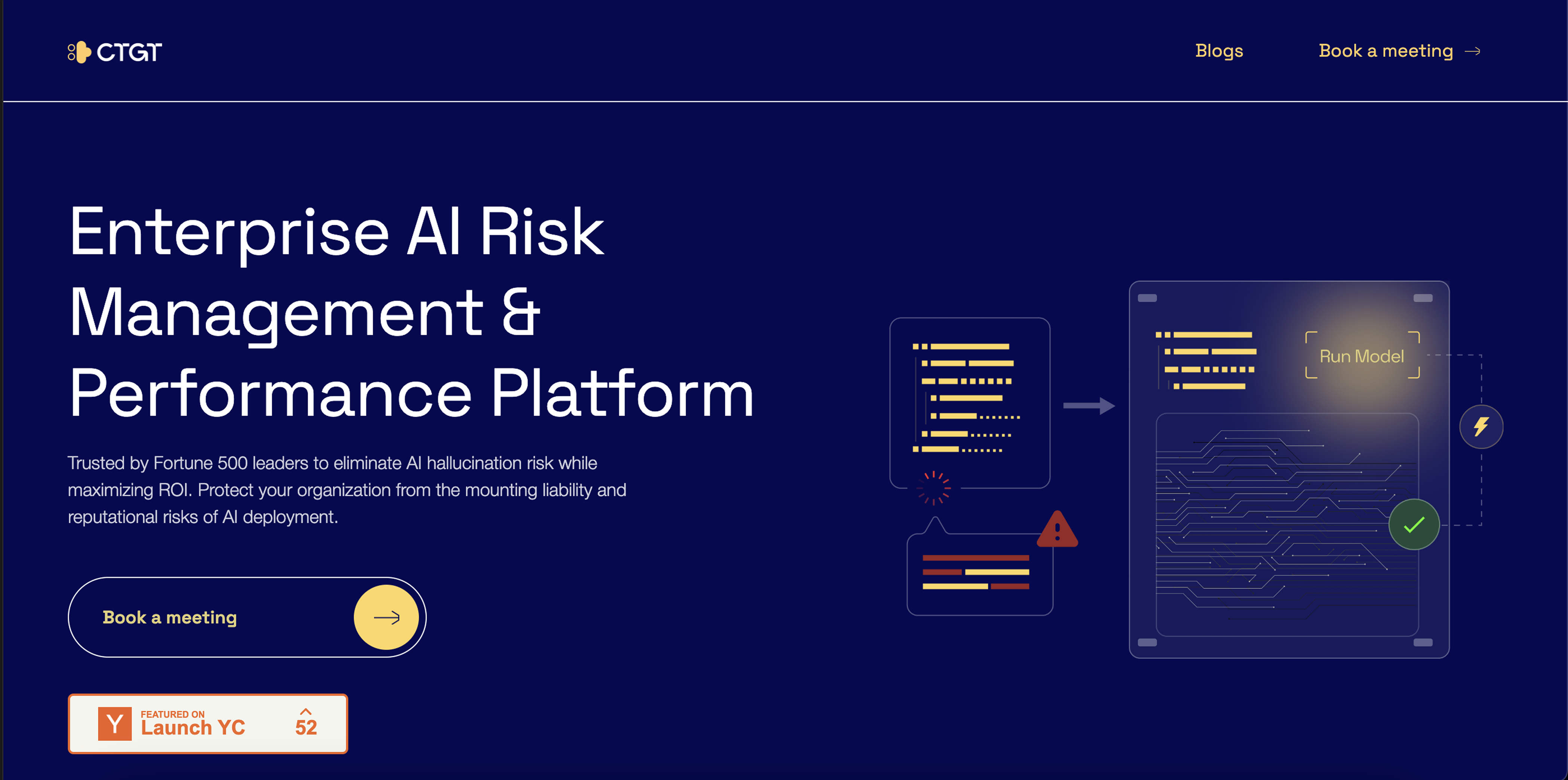
CTGT is an enterprise AI platform that provides fine-grained control over AI models without retraining. It ensures accuracy, compliance, and security for high-stakes industries like finance, healthcare, and legal by directly intervening in the model's internal processes, moving beyond traditional fine-tuning and prompt engineering.
Model ManagementEnterprise AI tools are AI-powered solutions designed to address complex business challenges and drive strategic growth within organizations. These advanced platforms leverage machine learning, natural language processing, and data analytics to automate processes, enhance decision-making, and optimize operational efficiency across various departments. They empower businesses to transform their workflows, gain deeper insights from vast datasets, and deliver superior customer experiences, ultimately fostering innovation and competitive advantage in a rapidly evolving market.
Enterprise AI tools are deployed across diverse sectors, from finance and healthcare to manufacturing and retail. They are crucial for large corporations seeking to streamline global operations, manage extensive customer bases, and innovate at scale. Typical applications include automating supply chain management, personalizing customer engagement, and optimizing resource allocation for complex projects.
Selecting the right Enterprise AI tool requires evaluating several key factors. Consider the tool's integration capabilities with your existing IT infrastructure, its scalability to handle future growth, and the level of customization offered to meet specific business needs. Assess the vendor's support, security protocols, and compliance certifications, alongside the total cost of ownership and the potential for measurable ROI.
For large enterprises managing millions of customer inquiries daily, AI-powered chatbots and virtual assistants can handle routine questions, provide instant support, and guide users through common processes. This frees up human agents to focus on complex issues, significantly reducing response times and improving overall customer satisfaction while lowering operational costs.
Marketing and sales teams in enterprise settings utilize AI to analyze vast customer data, predict purchasing behaviors, and identify high-value leads. This enables the creation of highly personalized marketing campaigns and sales strategies, optimizing resource allocation and significantly increasing conversion rates and revenue generation.
Manufacturing and retail enterprises with complex global supply chains use AI to forecast demand, optimize inventory levels, and streamline logistics. AI algorithms can identify potential disruptions, suggest alternative routes, and manage warehouse operations more efficiently, leading to reduced costs, minimized waste, and improved delivery times.
HR departments in large organizations deploy AI tools for talent acquisition, employee engagement, and performance management. AI can analyze resumes to identify best-fit candidates, personalize learning paths, and predict employee turnover risks, leading to more efficient recruitment, higher retention rates, and a more engaged workforce.
Financial institutions and large corporations use enterprise AI to detect fraudulent transactions and manage financial risks in real-time. AI models analyze patterns in vast datasets to identify anomalies that indicate fraud or potential compliance breaches, significantly reducing financial losses and ensuring regulatory adherence.
Enterprises dealing with high volumes of unstructured data, such as legal documents, invoices, or contracts, leverage AI for intelligent document processing (IDP). AI tools can automatically extract, classify, and validate information, transforming manual, error-prone tasks into efficient, accurate, and scalable digital workflows, saving significant time and resources.
Enterprise AI tools are sophisticated artificial intelligence solutions specifically developed to meet the complex needs of large organizations. They leverage advanced AI technologies like machine learning, natural language processing, and computer vision to automate business processes, provide deep data insights, and support strategic decision-making across various departments. These tools are designed for scalability, integration with existing systems, and adherence to enterprise-level security and compliance standards.
Choosing the right Enterprise AI solution involves several critical considerations. First, assess your specific business challenges and objectives to ensure the tool aligns with your strategic goals. Evaluate its integration capabilities with your current IT infrastructure, data security features, and compliance certifications. Consider the vendor's support, implementation services, and the solution's scalability to accommodate future growth. Finally, analyze the total cost of ownership and the potential return on investment (ROI) to justify the expenditure.
Implementing Enterprise AI tools offers numerous significant benefits. They drive substantial operational efficiency by automating repetitive tasks, freeing up human resources for more strategic work. Businesses gain deeper, data-driven insights for better decision-making, leading to improved forecasting and risk management. AI enhances customer experiences through personalized interactions and faster support. Furthermore, these tools foster innovation, enable competitive differentiation, and ensure scalability to support evolving business demands, ultimately contributing to sustainable growth and profitability.
Implementing Enterprise AI can present several challenges. A primary hurdle is data quality and availability, as AI models require vast amounts of clean, relevant data. Integration with legacy systems can be complex and time-consuming. There's also the need for specialized AI talent and a clear understanding of ethical AI use and regulatory compliance. Overcoming resistance to change within the organization and ensuring proper governance and monitoring of AI systems are also crucial for successful deployment and adoption.
The future of Enterprise AI is marked by several key trends. We anticipate increased adoption of explainable AI (XAI) to enhance transparency and trust in AI-driven decisions, especially in regulated industries. Edge AI will become more prevalent, enabling real-time processing closer to data sources. The convergence of AI with other emerging technologies like IoT and blockchain will create more powerful and secure solutions. Furthermore, AI will become more democratized, with low-code/no-code platforms making it accessible to a broader range of business users, driving widespread innovation.