Finance Best in category 7 results Bookkeeping AI Tool

Popular AI tools in the Bookkeeping field of Finance include Kick、Clemta、Snap2List、ReceiptsAI、cc:Monet、igsbookkeeping、withbilly, etc., helping you quickly improve efficiency.

cc:Monet

cc:Monet

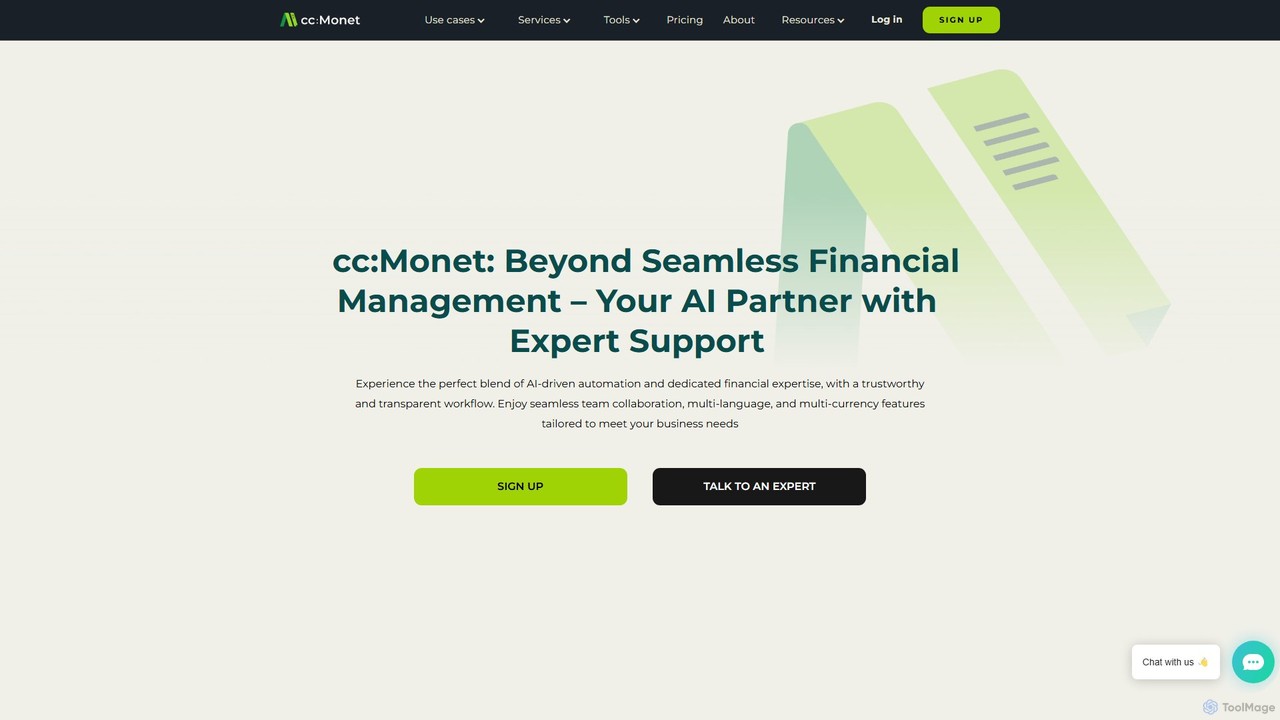
cc:Monet is an AI-powered finance assistant designed to automate and streamline bookkeeping for businesses of all sizes. It …

13.2K
igsbookkeeping

igsbookkeeping

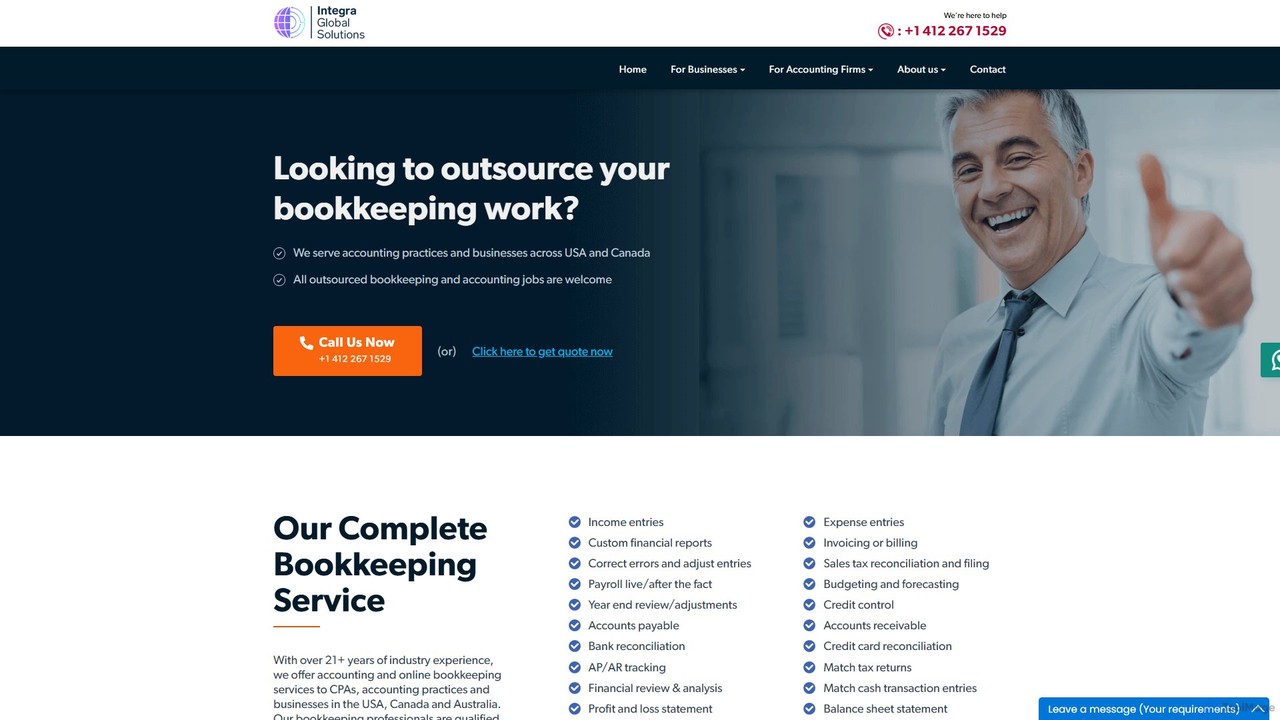
igsbookkeeping offers expert outsourced bookkeeping and accounting services for businesses and CPA firms. Leveraging over 20 years of …

8.8K
withbilly

withbilly

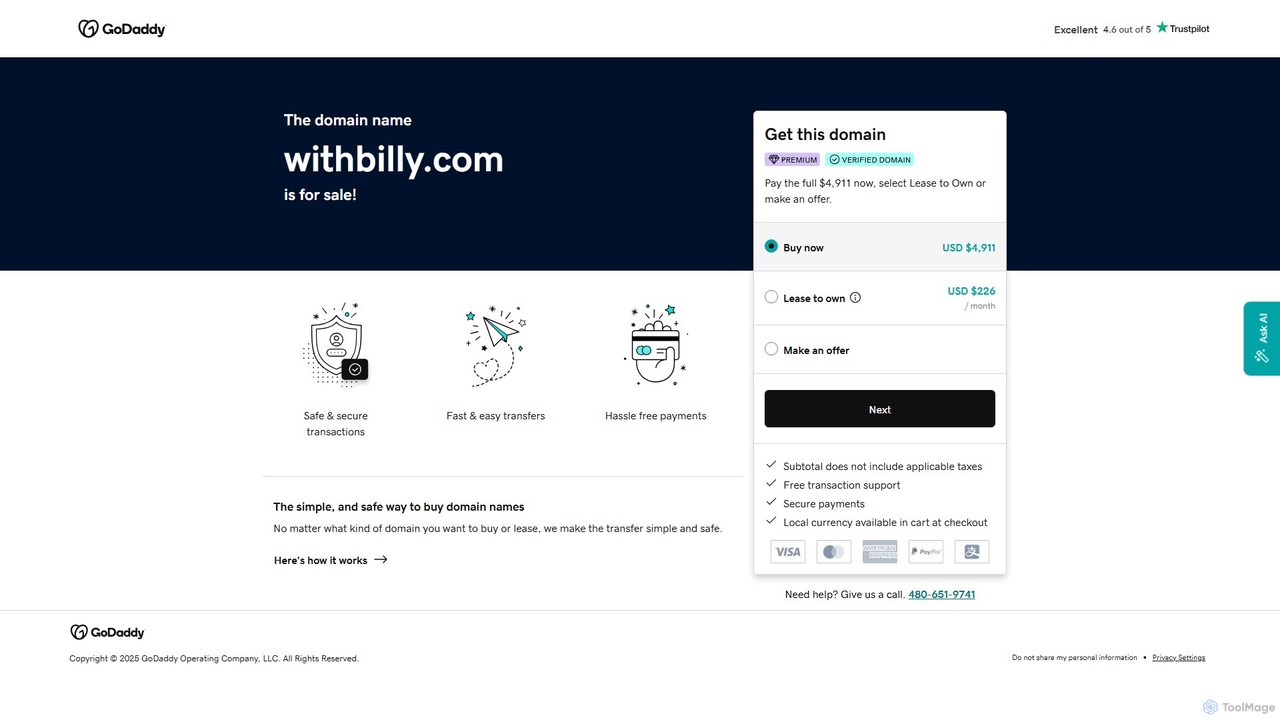
withbilly is an AI-powered financial assistant designed for freelancers and small businesses. It automates invoicing, expense tracking, and …

2.6K
ReceiptsAI

ReceiptsAI

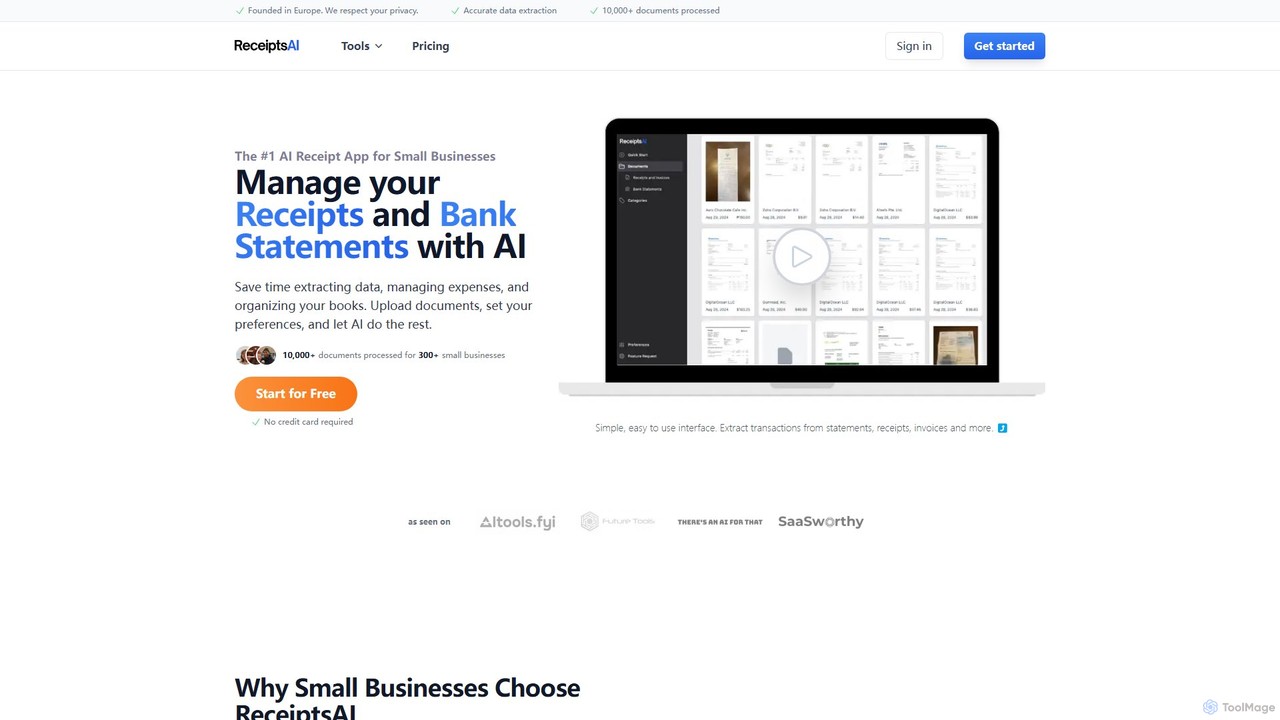
ReceiptsAI is an AI-powered expense management and bookkeeping platform designed for small businesses and freelancers. It automates data …

17.2K
Snap2List

Snap2List

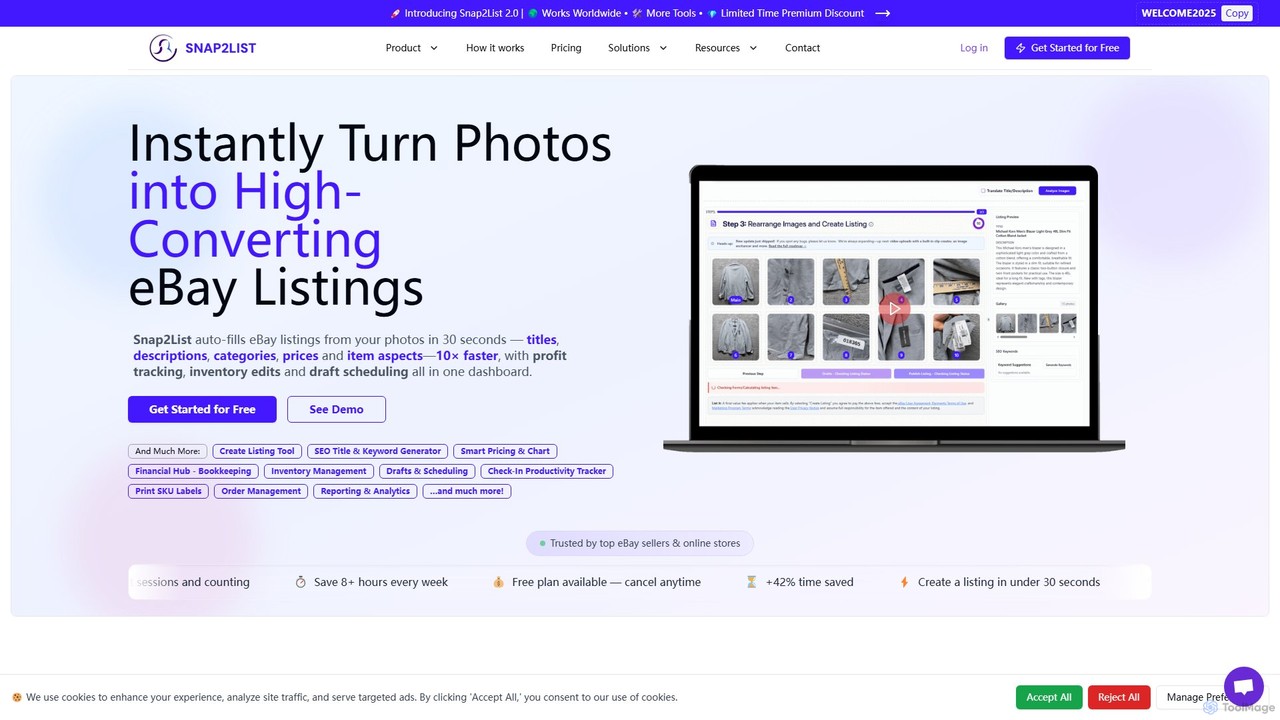
Snap2List is an AI-powered platform designed for eBay sellers. It automates listing creation by turning product photos into …

23.0K
Kick

Kick

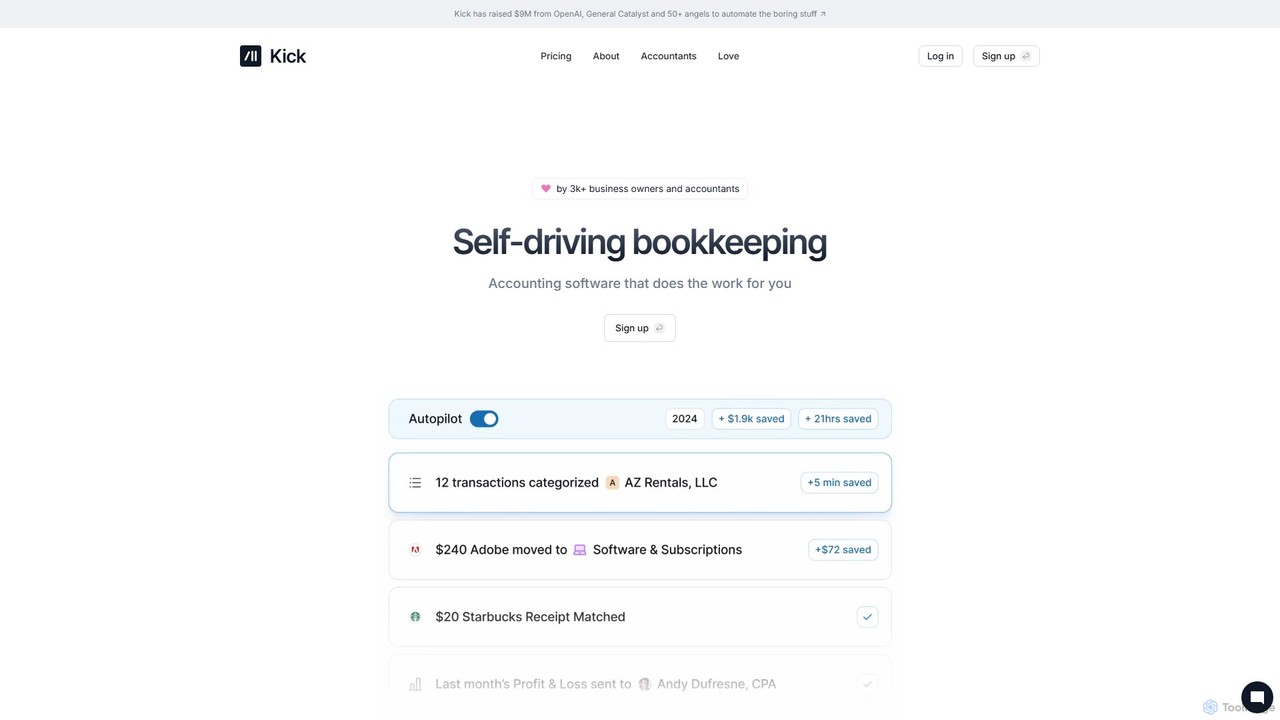
Kick is an AI-powered, "self-driving" bookkeeping platform designed for modern business owners and entrepreneurs. It automates financial tasks …

114.6K
Clemta

Clemta

Clemta is an AI-powered, all-in-one platform for global entrepreneurs to start, manage, and grow a US business. It …

96.9K

About Bookkeeping

AI Bookkeeping tools are intelligent software solutions that leverage artificial intelligence to automate and streamline the process of recording financial transactions. These tools utilize machine learning and natural language processing to accurately categorize income and expenses, reconcile accounts, and generate comprehensive financial reports. They significantly reduce manual data entry, minimize human error, and provide real-time, actionable insights into a business's financial health, transforming traditional accounting practices into a more efficient and data-driven operation.

Core Features

  • Automated Transaction Categorization: AI algorithms automatically classify bank and credit card transactions into appropriate ledger accounts, learning from past entries to improve accuracy.
  • Intelligent Data Entry & OCR: Extracts relevant financial data from receipts, invoices, and statements using optical character recognition, reducing manual input and improving data integrity.
  • Bank Reconciliation Automation: Matches bank statements with internal records, automatically identifying and flagging discrepancies for quick review and resolution.
  • Expense Management: Tracks and categorizes business expenses, often integrating with receipt scanning, approval workflows, and employee reimbursement processes.
  • Financial Reporting & Analysis: Generates accurate and timely profit & loss statements, balance sheets, cash flow reports, and customizable dashboards for deeper financial analysis.

Applicable Scenarios

AI bookkeeping tools are invaluable for a wide range of users, from small to medium-sized businesses seeking to automate their daily financial record-keeping and ensure compliance, to individual freelancers and consultants managing diverse income streams and expenses. Accounting firms also leverage these tools to enhance efficiency and accuracy across multiple client ledgers, freeing up their professionals for more strategic advisory roles. They are particularly useful for businesses with high transaction volumes, those operating across multiple currencies, or entities needing real-time financial visibility for rapid decision-making.

How to Choose

When selecting an AI bookkeeping tool, consider its seamless integration capabilities with your existing accounting software, banking platforms, and other business applications to ensure a unified financial ecosystem. Evaluate the accuracy and learning capabilities of its AI for transaction categorization and optical character recognition (OCR), as well as its scalability to efficiently handle your current and future transaction volume. Additionally, assess its comprehensive reporting features, robust security protocols for sensitive financial data, compliance with relevant regulations, and overall user-friendliness to ensure it meets your specific operational needs and provides tangible value.

BookkeepingUse Cases

1

Automated Expense Tracking for Small Businesses

Small business owners often spend hours manually tracking and categorizing expenses. AI bookkeeping tools allow them to simply snap photos of receipts or connect bank accounts, and the AI automatically extracts data, categorizes transactions, and prepares expense reports. This saves significant time, reduces the risk of errors, and simplifies tax preparation, ensuring accurate financial records without extensive manual effort.

2

Streamlining Client Bookkeeping for Accounting Firms

Accounting firms managing multiple clients face the challenge of processing vast amounts of financial data. AI bookkeeping solutions automate repetitive tasks like data entry, bank reconciliation, and transaction categorization across various client accounts. This enables bookkeepers to handle more clients efficiently, improve data accuracy, and dedicate more time to advisory services rather than routine data processing.

3

Real-time Cash Flow Monitoring for Startups

Startups require agile financial management to monitor cash flow closely and make informed decisions. AI bookkeeping tools provide real-time updates on income and expenditure by processing transactions instantly. Founders and CFOs can access up-to-the-minute dashboards and forecasts, allowing them to quickly identify trends, manage liquidity, and proactively address potential financial challenges, ensuring sustainable growth.

4

Invoice Processing and Accounts Payable Automation

Managing accounts payable, especially for businesses with numerous vendors, can be time-consuming and prone to errors. AI bookkeeping tools automate the entire invoice processing workflow. They use OCR to extract data from incoming invoices, match them against purchase orders, route them for approval, and even schedule payments. This reduces manual intervention, minimizes late payment penalties, and improves vendor relationships.

5

Fraud Detection and Anomaly Flagging

Maintaining financial integrity is crucial for any business. AI bookkeeping tools continuously analyze transaction patterns and financial data to identify unusual activities or potential discrepancies that might indicate fraud or errors. By flagging transactions that deviate from established norms, these tools provide early warnings, allowing financial controllers to investigate and mitigate risks promptly, enhancing overall financial security.

6

Automated Payroll Expense Allocation

Accurately allocating payroll expenses to specific departments, projects, or cost centers is vital for precise budget management and cost analysis. AI bookkeeping tools integrate with payroll systems to automatically categorize and distribute payroll costs based on predefined rules or learned patterns. This ensures that labor costs are correctly assigned, providing clearer insights into departmental profitability and project expenditures.

BookkeepingFrequently Asked Questions