ToolMage
Sign in

Best 12 Reporting AI tools for Finance

Popular Reporting AI tools in Finance include Syft Analytics, Rows, instafill.ai, Equals, Arria, sqor.ai, CleeAI, inkwise, DocGPT, and PDFPeer, helping you work more efficiently.

DocGPT
Freemium

DocGPT

DocGPT is an AI-powered tool that transforms your static PDF documents into dynamic conversations. Upload single or multiple PDFs to ask questions, get instant summaries, extract key information, and receive answers with direct source citations. Ideal for students, researchers, and professionals.

Research
Visits 4.2KFavorites 116Likes 118
Syft Analytics
Freemium

Syft Analytics

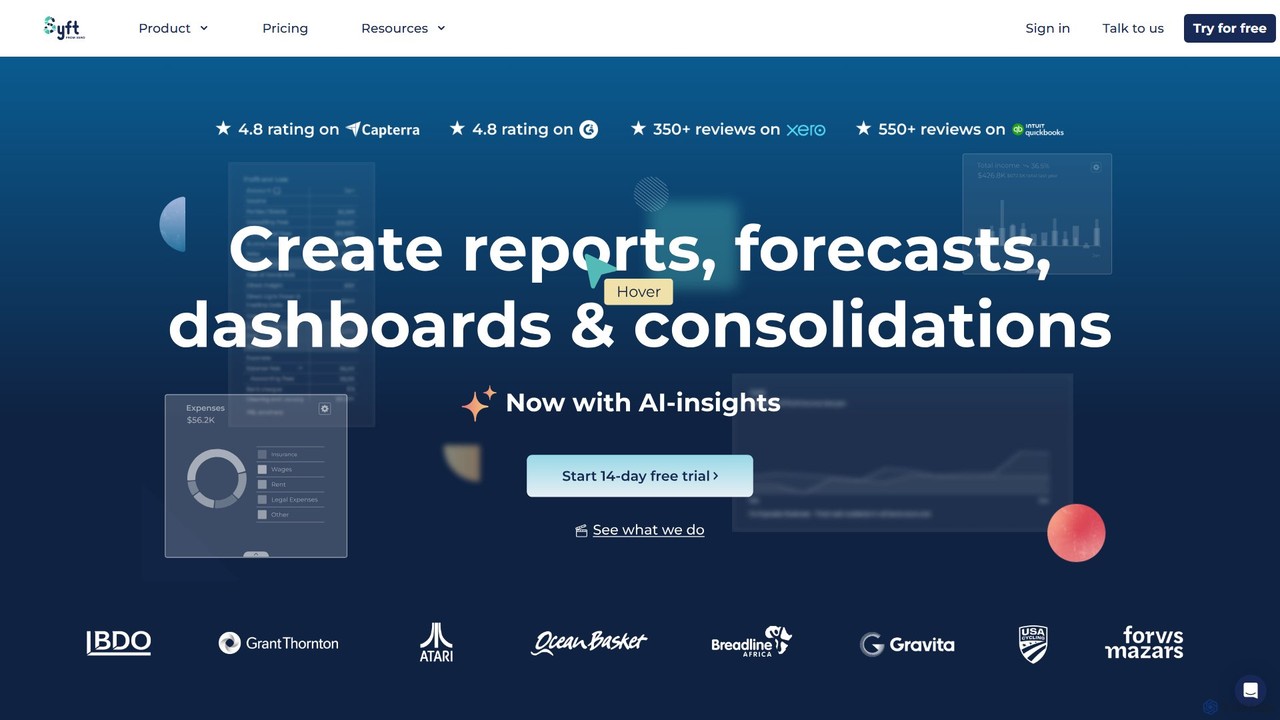
Syft Analytics is an AI-first financial reporting platform that transforms complex financial data into beautiful, insightful reports, dashboards, and forecasts. It connects with your accounting, e-commerce, and payroll software to provide a unified view of your business performance. Ideal for accountants, advisors, and businesses, Syft automates reporting, simplifies consolidations, and provides AI-driven insights to facilitate better decision-making.

Analytics
Visits 631.6KFavorites 82Likes 97
amberesg
Freemium

amberesg

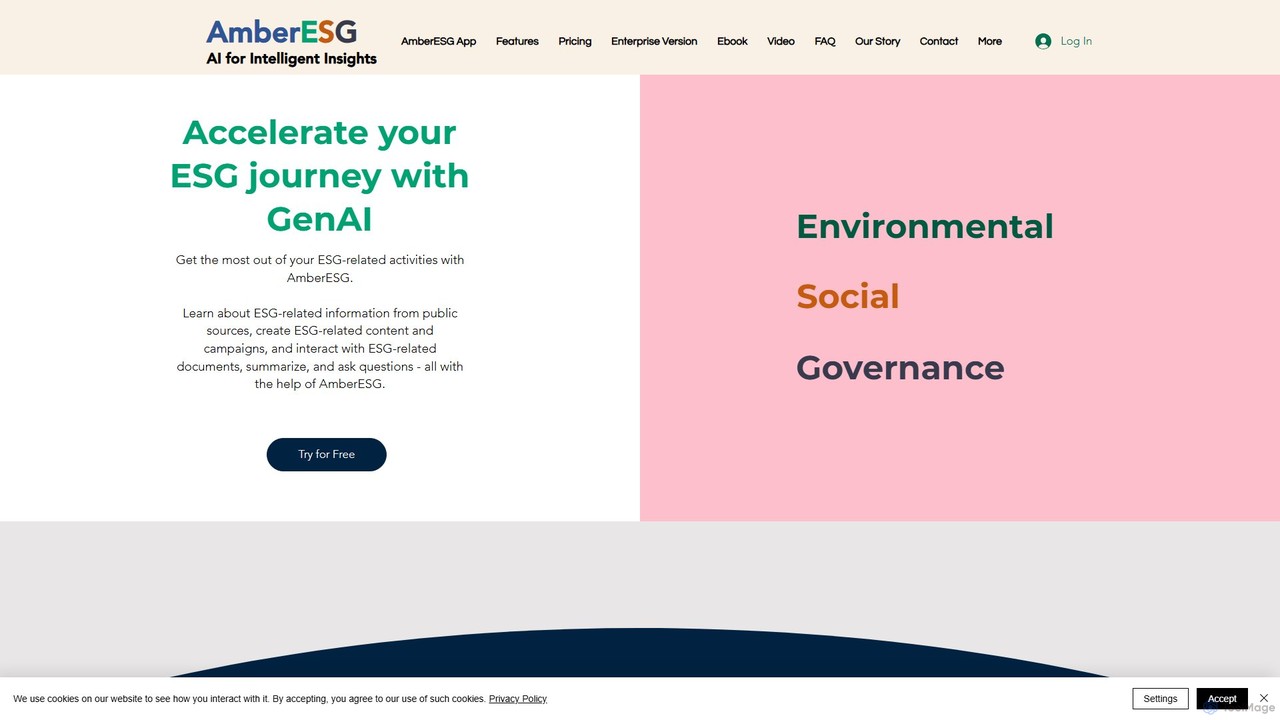
Amberesg is a specialized Generative AI platform designed for sustainability professionals. It accelerates ESG (Environmental, Social, Governance) workflows by enabling users to analyze complex documents, generate high-quality ESG content and campaigns, and retrieve critical information from public and private sources with conversational ease.

Sustainability
Visits 3.3KFavorites 89Likes 94
instafill.ai
Paid

instafill.ai

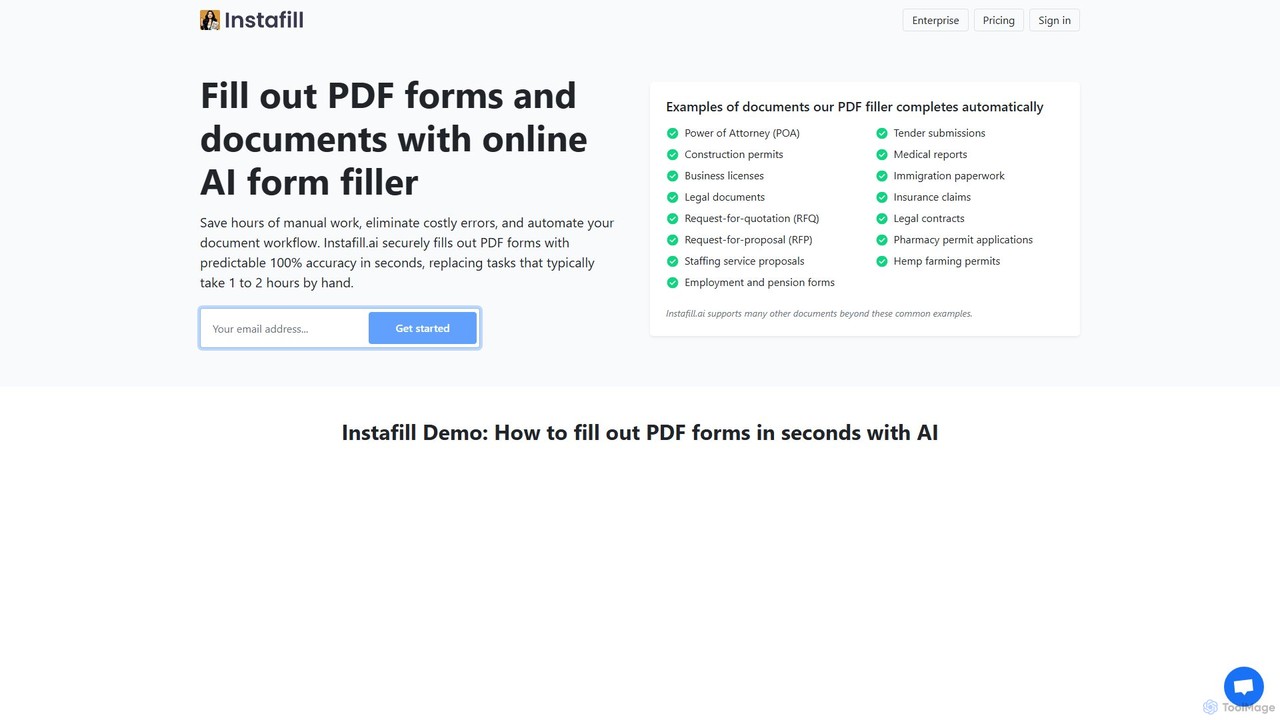
Instafill.ai is an AI-powered form filler that automates the process of completing PDF documents, saving hours of manual work. It securely fills out complex forms with 100% accuracy in seconds, supporting various formats including scanned documents, and offers features like batch processing, a Chrome extension, and high-level security compliance (HIPAA, GDPR).

Workflow Automation
Visits 53.7KFavorites 101Likes 101
CleeAI
Paid

CleeAI

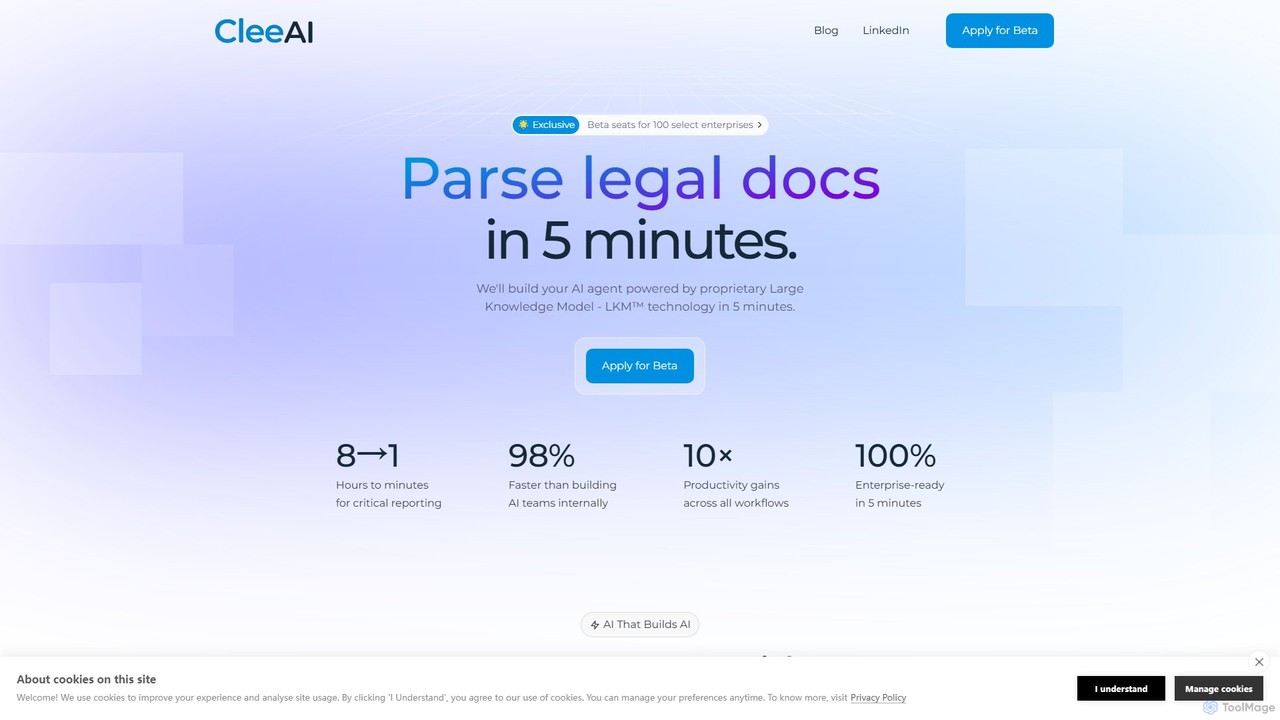
CleeAI is an enterprise AI platform that enables organizations to build and deploy custom, compliant AI agents in just 5 minutes. Powered by proprietary Large Knowledge Model (LKM™) technology, it transforms complex workflows in sales, reporting, and compliance into automated, efficient, and scalable solutions, eliminating the need for extensive internal development.

Sales Intelligence
Visits 4.4KFavorites 90Likes 99
Arria
Paid

Arria

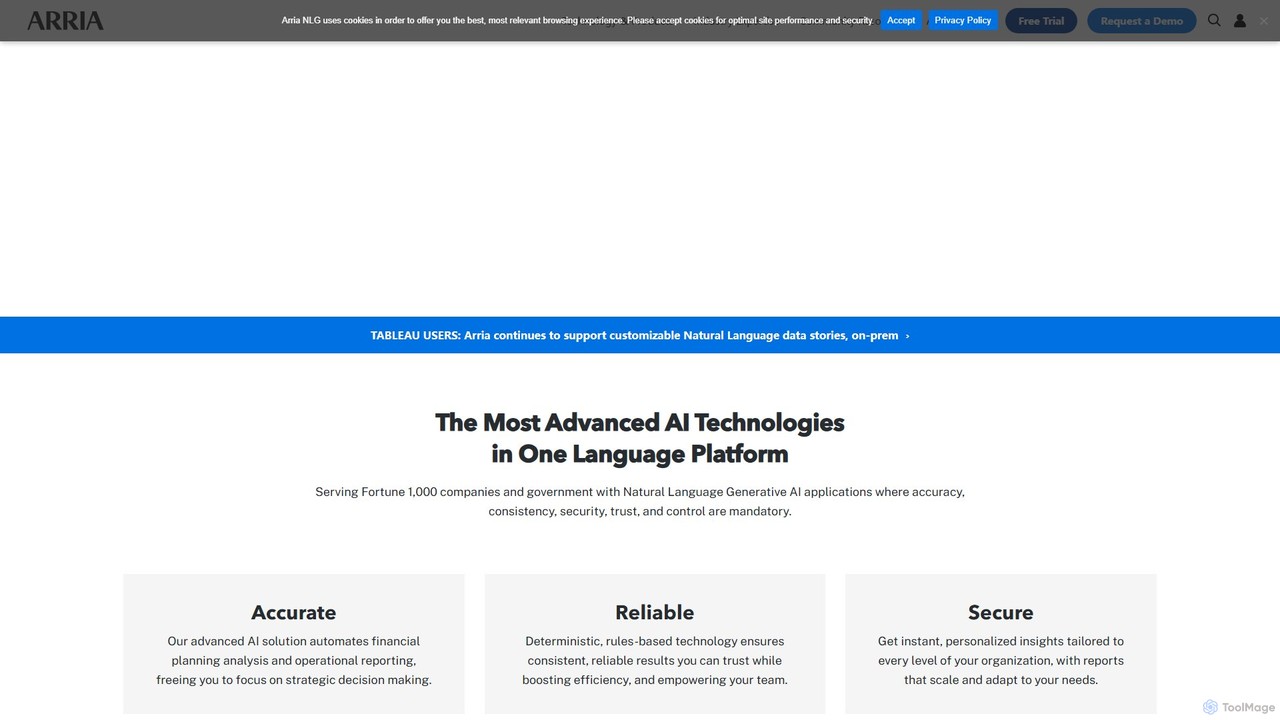
Arria is an enterprise-grade Generative AI platform specializing in Natural Language Generation (NLG). It transforms complex structured data into accurate, easy-to-understand narratives. Designed for sectors where accuracy and security are critical, Arria automates reporting, enhances business intelligence, and provides data-driven insights at scale, ensuring consistency and trust in all generated content.

Business Intelligence
Visits 9.3KFavorites 111Likes 115
PDFPeer
Freemium

PDFPeer

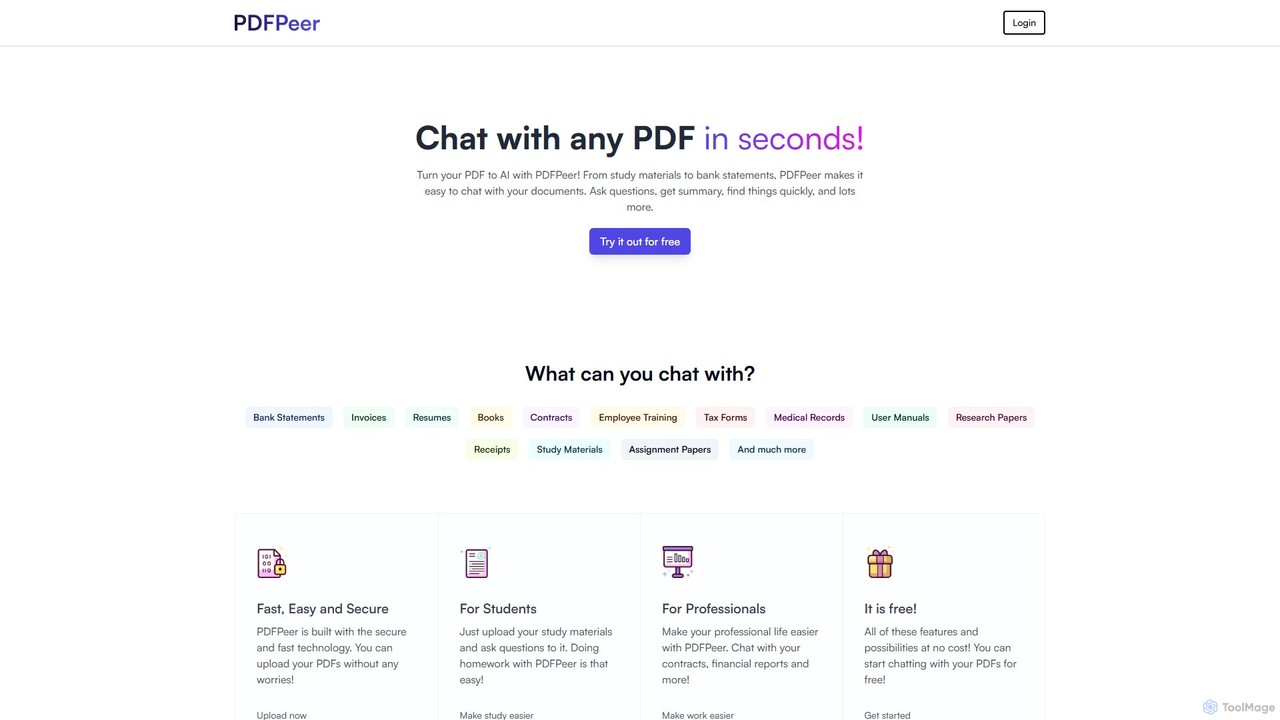
PDFPeer is a versatile AI-powered platform that lets you chat with your PDF documents to instantly get summaries, answers, and insights. It also offers a suite of free tools for PDF conversion, text extraction (including OCR), splitting, and merging. Ideal for students, professionals, and anyone handling documents, PDFPeer simplifies information retrieval and document management, making your workflow more efficient.

Document Management
Visits 3.5KFavorites 101Likes 88
Equals
Paid

Equals

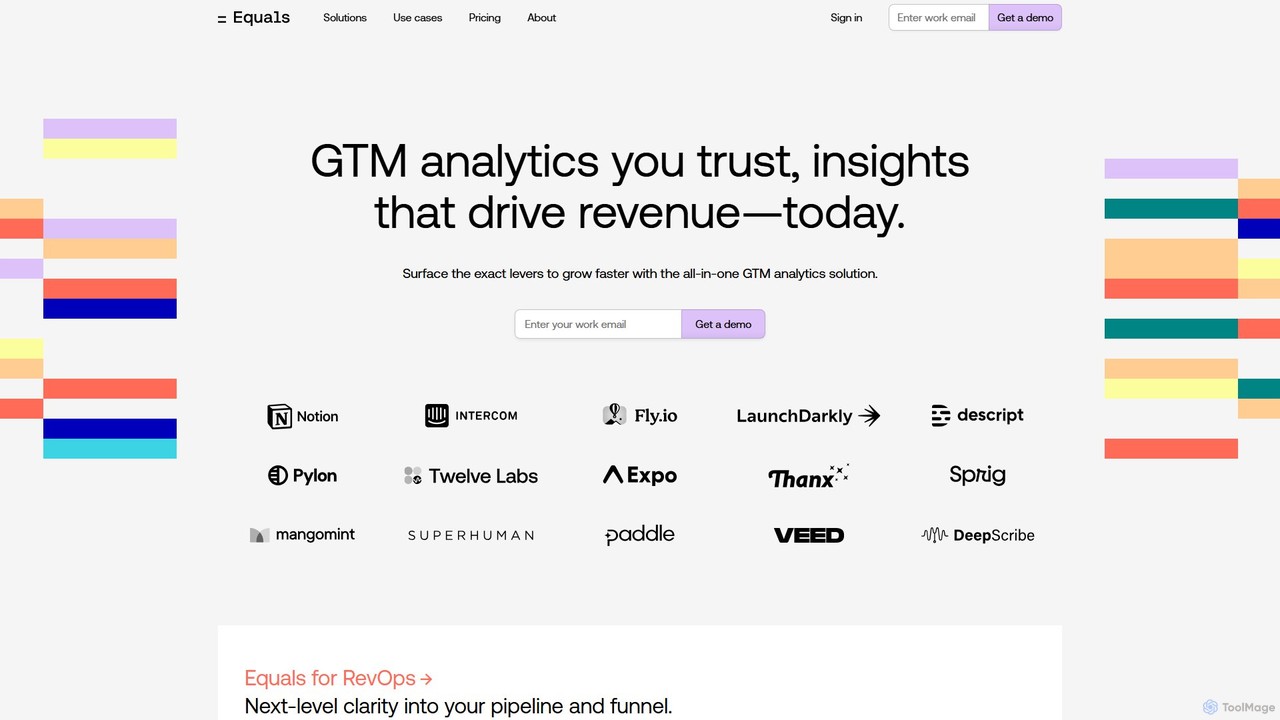
Equals is a next-generation, all-in-one GTM analytics spreadsheet that connects directly to your live data sources. It empowers RevOps, Finance, and Founders to build dynamic dashboards, analyze sales funnels, and track ARR in a familiar spreadsheet interface, driving revenue growth with real-time insights.

Analytics
Visits 52.5KFavorites 116Likes 116
inkwise
Freemium

inkwise

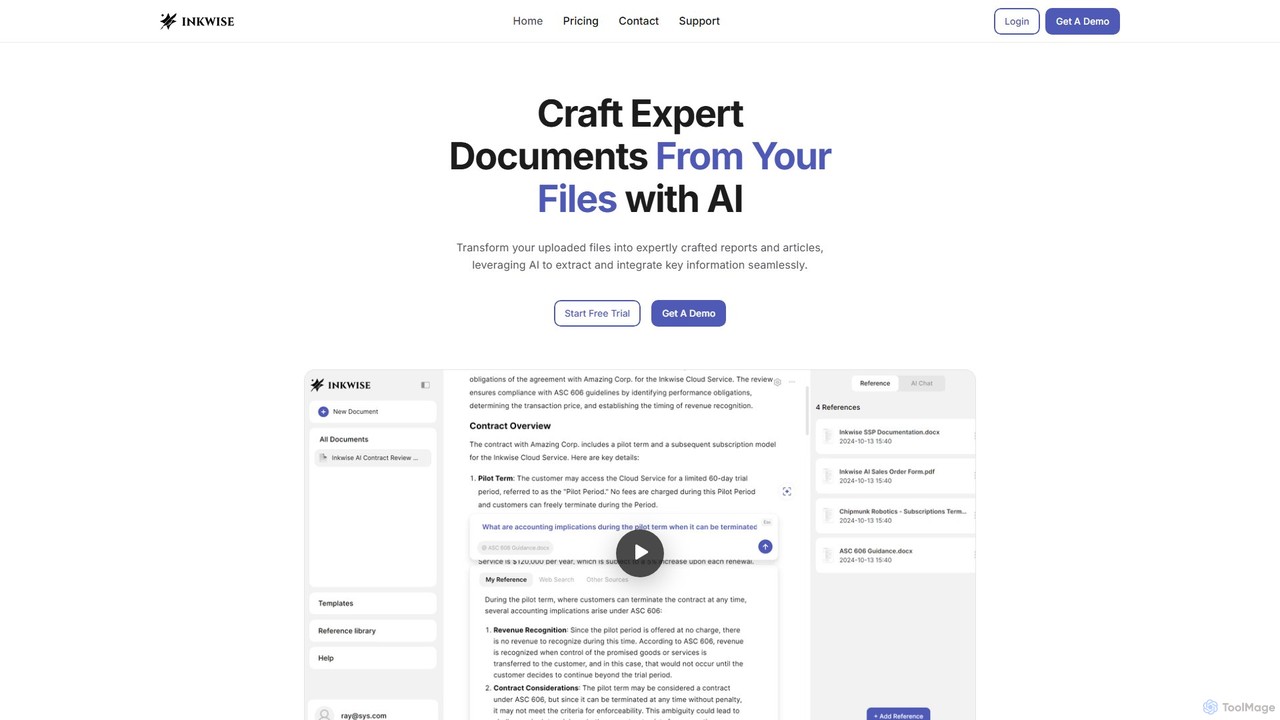
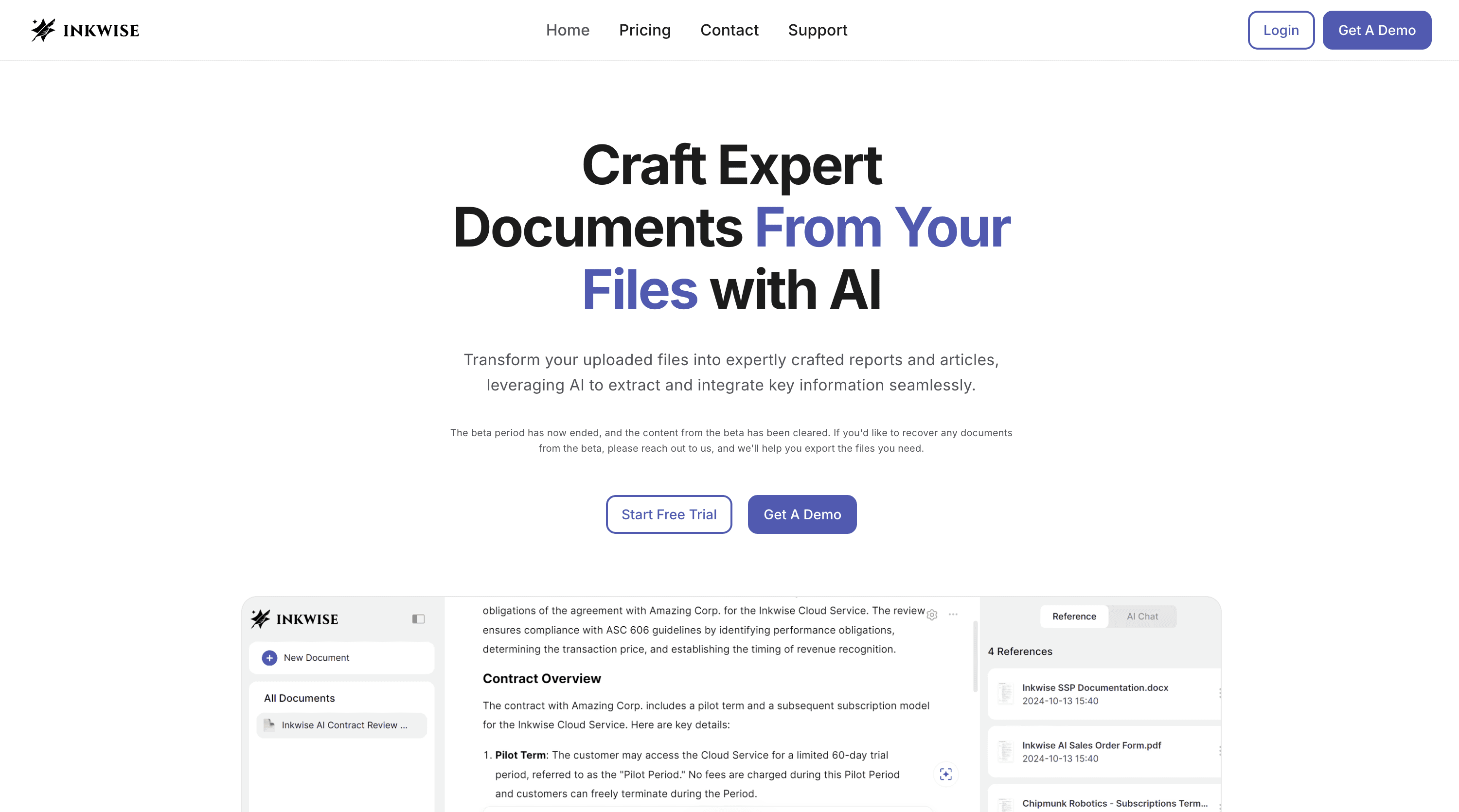
Inkwise is an AI-powered writing platform for professionals that transforms your uploaded files (PDFs, DOCX) into expertly crafted reports, articles, and legal documents. It streamlines document creation by intelligently extracting key information, managing references, and offering predictive writing assistance, significantly boosting efficiency and accuracy.

Analysis
Visits 4.3KFavorites 128Likes 131
Doculogy

Doculogy

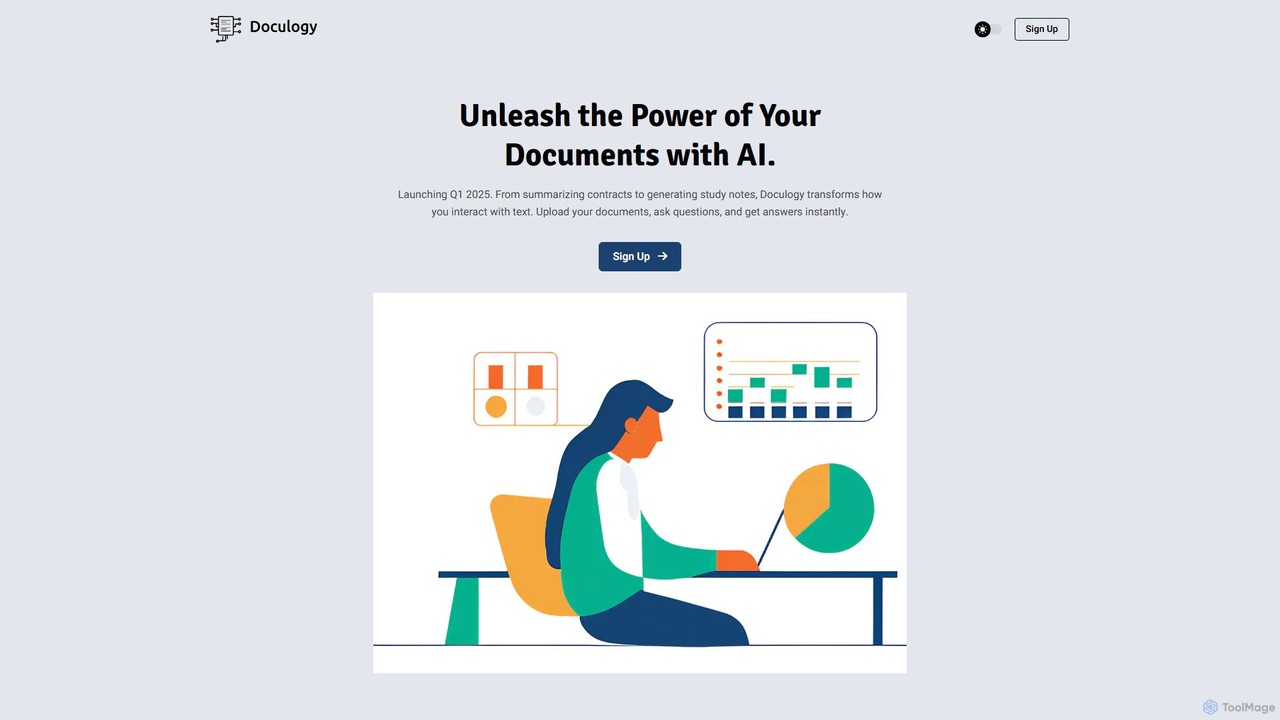
Doculogy is an AI-powered document analysis platform that transforms how you interact with text. Upload contracts, research papers, or CVs, ask questions in natural language, and receive instant, precise answers. It summarizes, analyzes multiple documents at once, and provides actionable insights, saving time and improving decision-making for professionals across various fields.

Reporting
Visits 3.4KFavorites 104Likes 114
sqor.ai
Freemium

sqor.ai

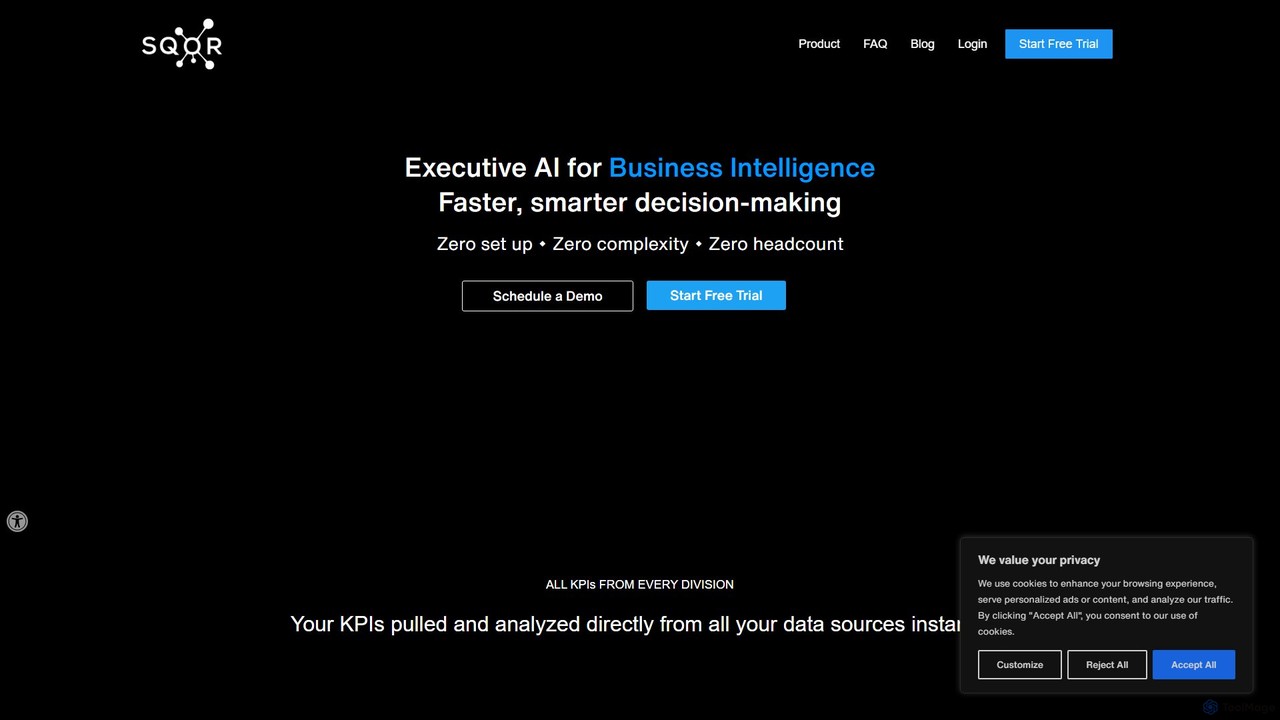
sqor.ai is a no-code, AI-powered business intelligence platform that automates KPI tracking and prediction. It integrates with your SaaS tools to centralize data, provide real-time dashboards, and generate actionable insights, enabling smarter, data-driven decisions without a dedicated data team.

Business Intelligence
Visits 5.9KFavorites 132Likes 135
Rows
Freemium

Rows

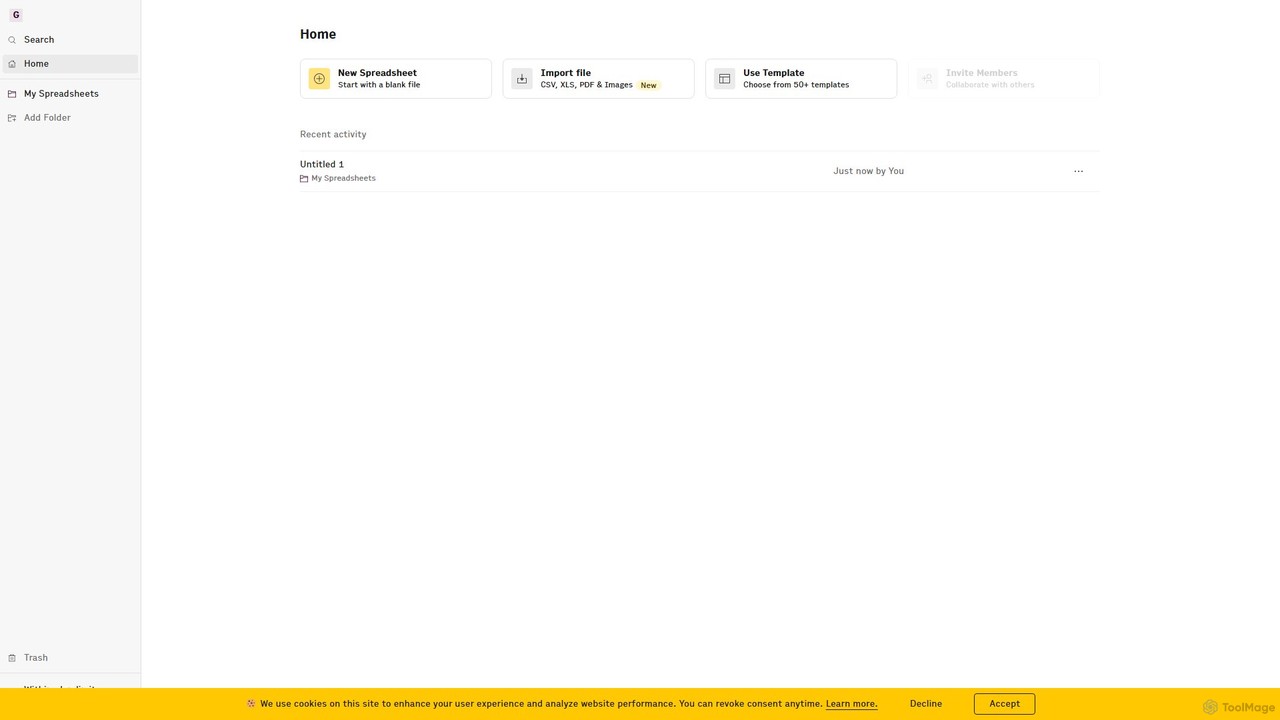
Rows is a next-generation spreadsheet that combines a familiar interface with powerful AI capabilities and seamless data integration. Connect to over 50 sources like Google Analytics, social media, and databases to automate data analysis, create live dashboards, and generate insights with an AI Analyst copilot.

Reporting
Visits 344.4KFavorites 120Likes 130

About Reporting

AI Reporting tools are specialized platforms that leverage artificial intelligence to automate and enhance the creation of financial and business reports. These tools utilize machine learning algorithms to collect, process, and analyze vast datasets, transforming raw financial information into actionable insights. They streamline the generation of performance dashboards, compliance documents, and strategic forecasts, empowering businesses to make data-driven decisions with greater speed and accuracy within the broader finance domain.

Core Features

  • Automated Data Collection: Automatically gathers financial data from various sources like ERPs, CRMs, and accounting software.
  • Intelligent Data Analysis: Employs AI to identify trends, anomalies, and key performance indicators (KPIs) within complex datasets.
  • Customizable Dashboard & Visualization: Creates interactive dashboards and visual reports tailored to specific user needs and metrics.
  • Predictive Analytics: Uses machine learning models to forecast future financial performance, risks, and opportunities.
  • Compliance & Regulatory Reporting: Generates reports that adhere to specific industry standards and regulatory requirements.

Applicable Scenarios

Financial analysts, controllers, and business leaders utilize AI reporting tools to gain deeper insights into financial health and operational efficiency. For instance, a CFO might use these tools to monitor real-time budget vs. actuals, while a compliance officer could automate the generation of quarterly regulatory filings. They are also crucial for identifying revenue growth opportunities or cost-saving measures across departments.

How to Choose

When selecting an AI reporting tool, consider its data integration capabilities with existing financial systems, the depth of its analytical features, and the flexibility of its visualization options. Evaluate its compliance features for specific industry regulations and assess the ease of customization for unique reporting needs. Scalability and user-friendliness are also important factors for long-term adoption.

Featured tool rankings

Reporting use cases

1

Automating Monthly Financial Statements

Finance teams use AI reporting tools to automatically consolidate data from various accounting systems, generate accurate profit & loss statements, balance sheets, and cash flow reports, significantly reducing manual effort and error.

2

Real-time Performance Monitoring

Business managers leverage AI-powered dashboards to track key financial KPIs like revenue, expenses, and profit margins in real-time, enabling immediate identification of performance deviations and informed decision-making.

3

Predictive Budgeting and Forecasting

Financial planners utilize AI reporting to analyze historical financial data and market trends, generating more accurate future budget projections and sales forecasts, which aids in strategic resource allocation.

4

Compliance and Regulatory Reporting

Compliance officers employ these tools to automatically generate reports that meet specific regulatory standards (e.g., GAAP, IFRS), ensuring adherence to legal requirements and minimizing audit risks.

5

Identifying Cost Optimization Opportunities

Operations managers use AI reporting to analyze spending patterns across departments, pinpointing areas of inefficiency or excessive expenditure, and suggesting potential cost-saving strategies.

6

Investor Relations Reporting

Public companies use AI reporting to create comprehensive and visually engaging reports for investors, detailing financial performance, growth metrics, and future outlook, enhancing transparency and stakeholder communication.

Reporting FAQ

What are AI Reporting tools?

AI Reporting tools are software solutions that use artificial intelligence, particularly machine learning, to automate and enhance the process of collecting, analyzing, and visualizing data for business reports. They go beyond traditional reporting by identifying complex patterns, predicting future trends, and providing actionable insights from financial and operational data.

How do AI Reporting tools differ from traditional reporting software?

Traditional reporting software primarily focuses on data aggregation and static visualization based on predefined rules. AI Reporting tools, however, leverage machine learning to perform advanced analytics, detect anomalies, offer predictive insights, and often provide natural language generation for report narratives, making them more dynamic and intelligent.

What are the key benefits of using AI Reporting in finance?

The main benefits include increased accuracy in financial data analysis, significant time savings through automation, enhanced ability to identify trends and anomalies, improved predictive capabilities for forecasting, and better compliance with regulatory standards. This leads to more informed and faster decision-making.

What types of data can AI Reporting tools analyze?

AI Reporting tools can analyze a wide range of structured and unstructured data, including financial transactions, sales figures, budget data, market trends, customer behavior data, operational metrics, and even external economic indicators. Their strength lies in integrating and making sense of diverse datasets.

How can I choose the best AI Reporting tool for my business?

To choose the best tool, evaluate its integration capabilities with your existing financial systems, the depth of its AI-powered analytics (e.g., predictive modeling, anomaly detection), the flexibility of its dashboard customization, and its compliance features. Also, consider user-friendliness, scalability, and the level of support offered.