Best of the Year 16 results Games AI Tools

Popular AI tools in the Games field include MeDo、SpotiGuess、Muzify、Human or Not?、twinpics、LingoLooper、gitori、PuzzleGenerator.ai、dictgame、SongleAI, etc., helping you quickly improve efficiency.

Free
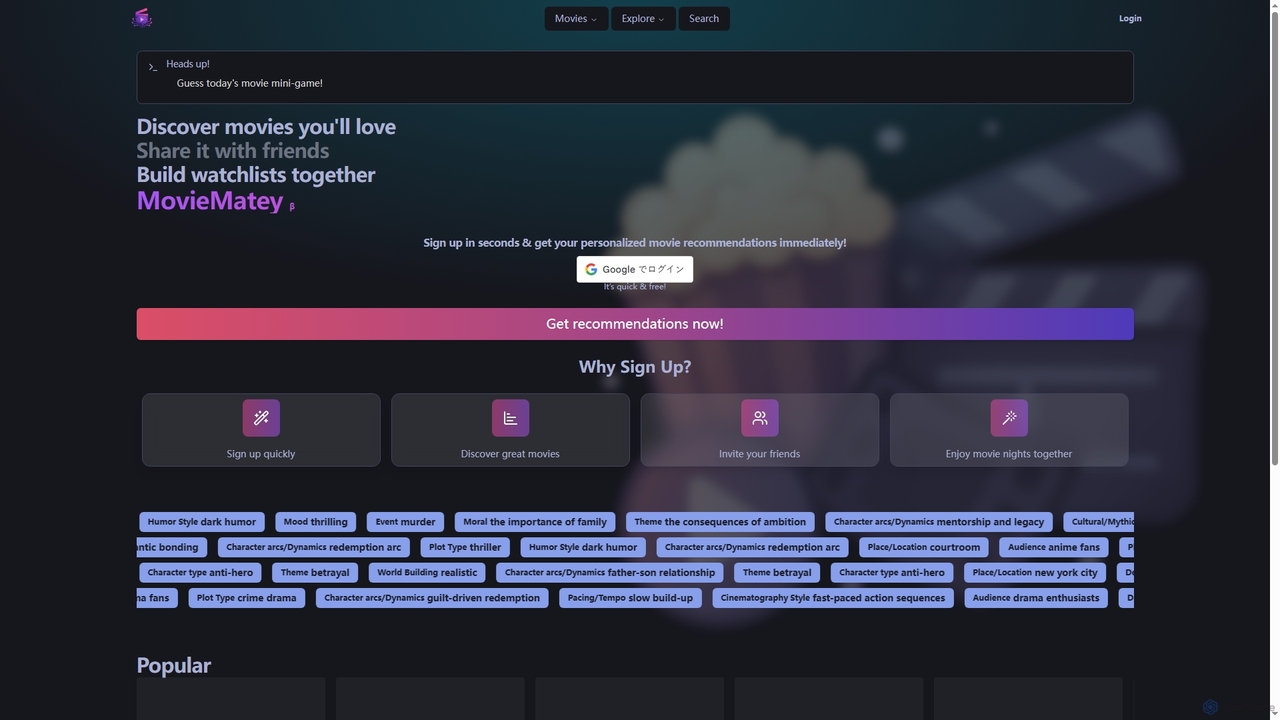
MovieMatey

MovieMatey

MovieMatey is a free movie discovery platform offering personalized recommendations. Users can find films using detailed tags, build …

2.2K
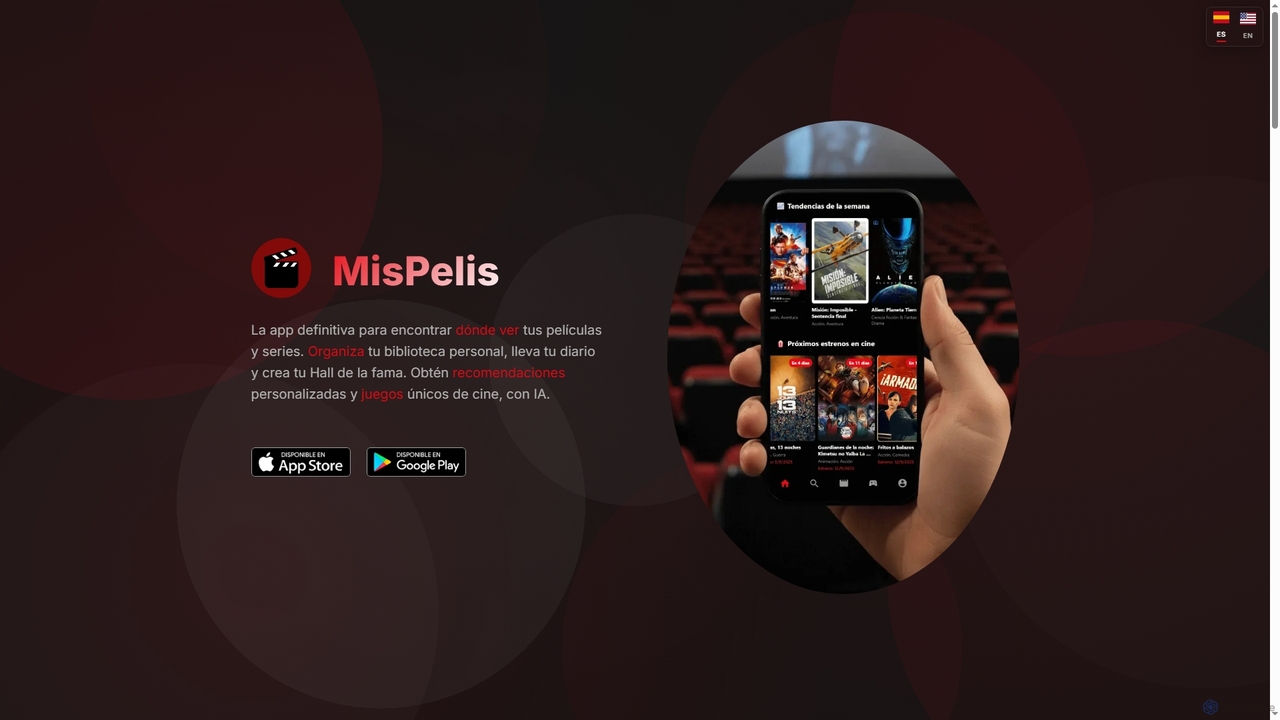
Mispelis

Mispelis

An AI-powered app for movie and series lovers. Find where to watch content, organize your personal library, get …

2.2K
MeDo

MeDo

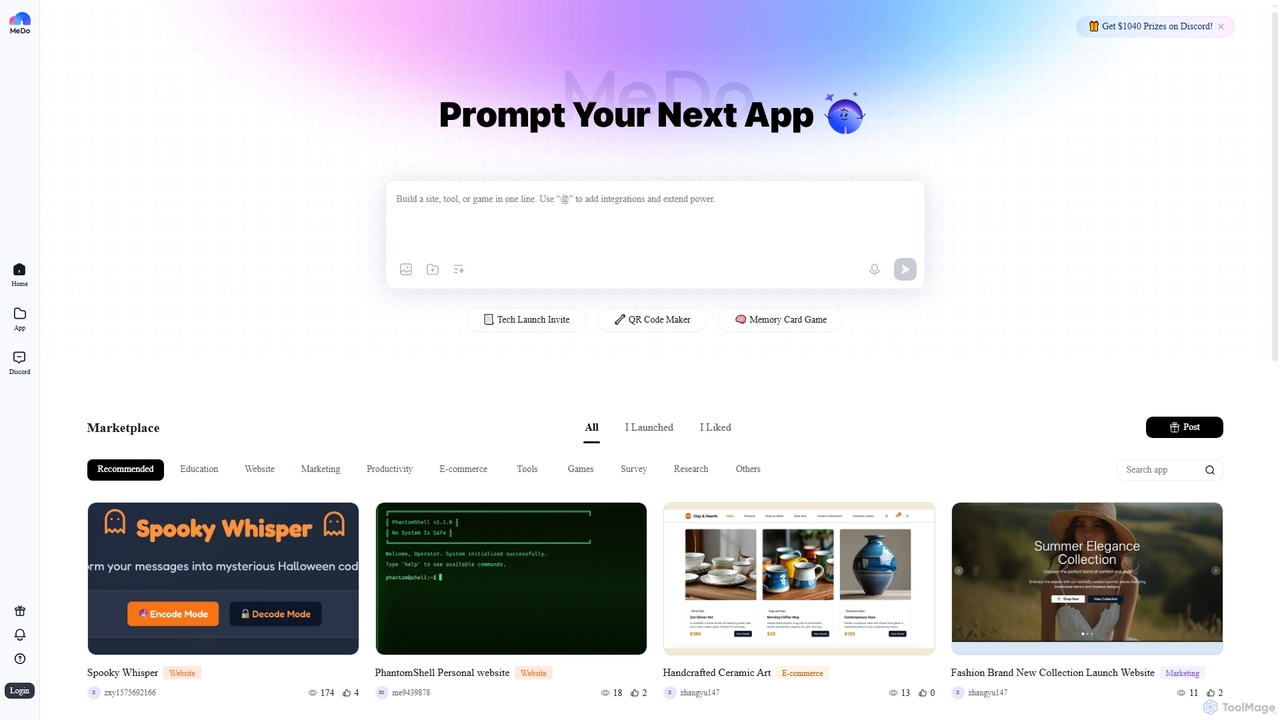
MeDo is an AI-powered platform that enables users to generate functional applications, including websites, games, and WeChat Mini …

396.6K
PuzzleGenerator.ai

PuzzleGenerator.ai

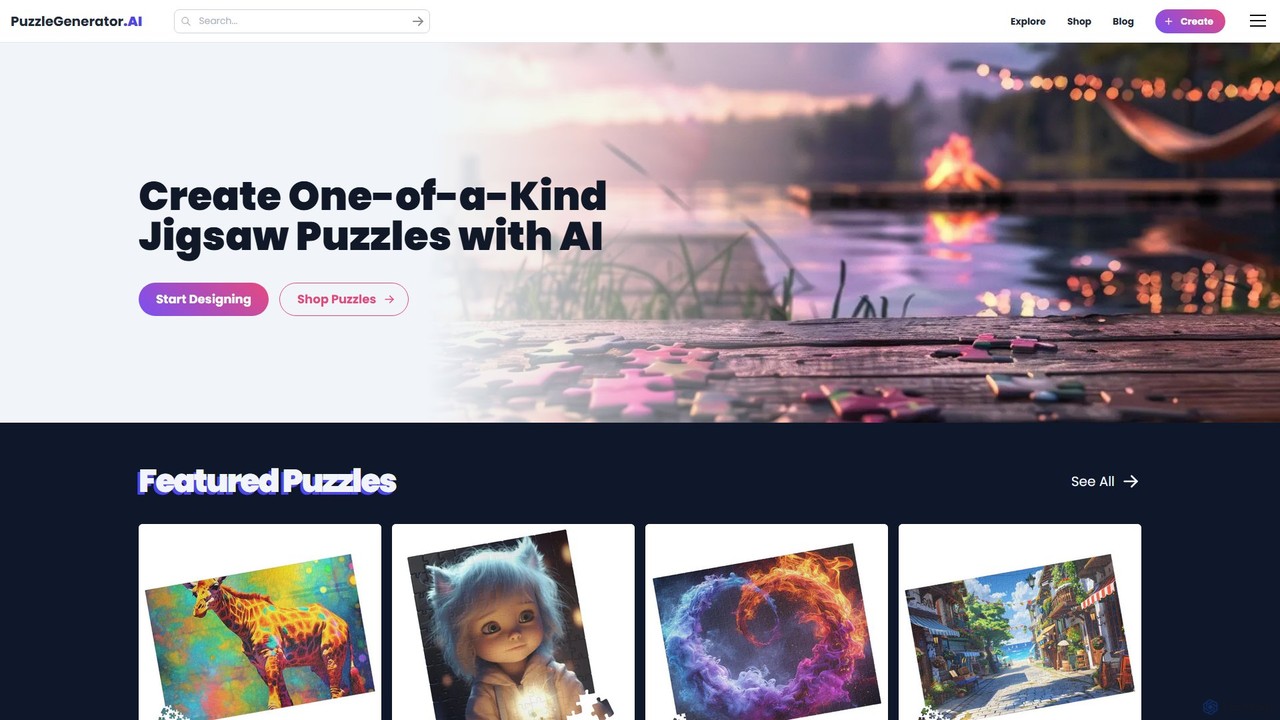
PuzzleGenerator.ai is an AI-powered platform that allows users to create unique, custom jigsaw puzzles. By simply entering a …

3.1K
cards

cards

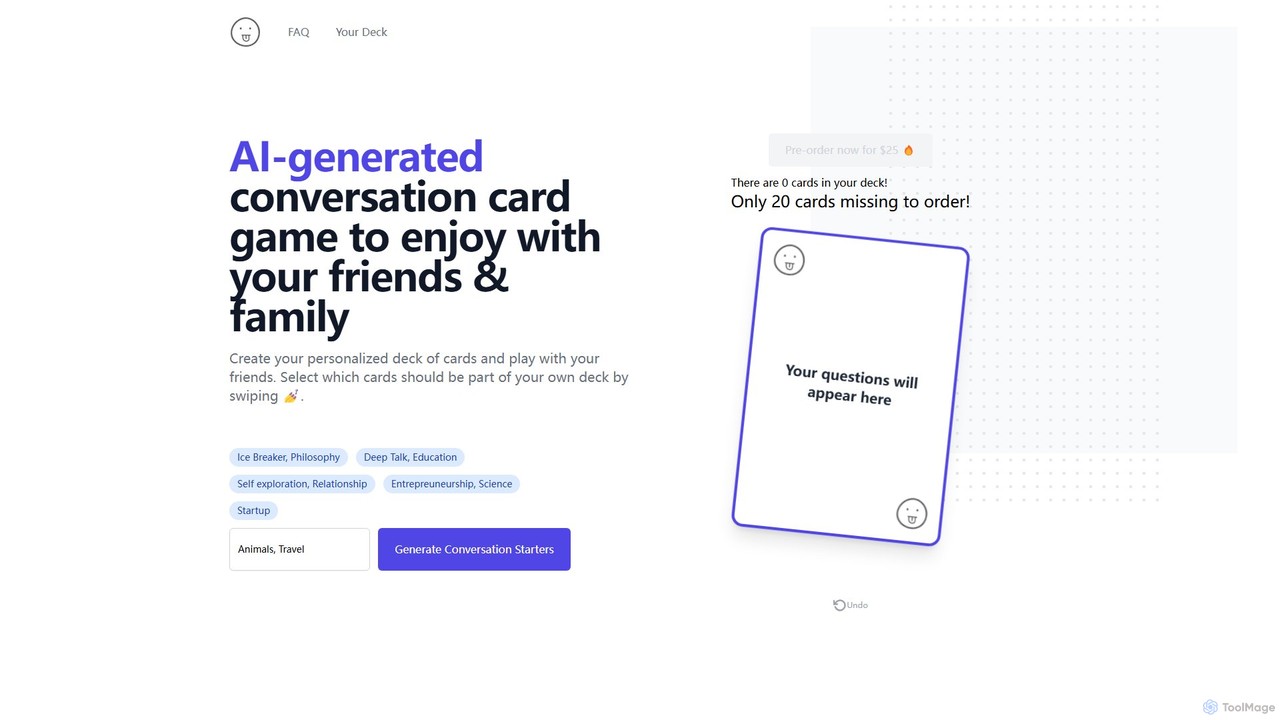
cards is an AI-powered platform for creating personalized conversation starter card games. Select from diverse categories like Ice …

2.3K
Free
Promptdle

Promptdle

A daily guessing game for AI art enthusiasts. Analyze an AI-generated image and try to guess the exact …

2.3K
Free
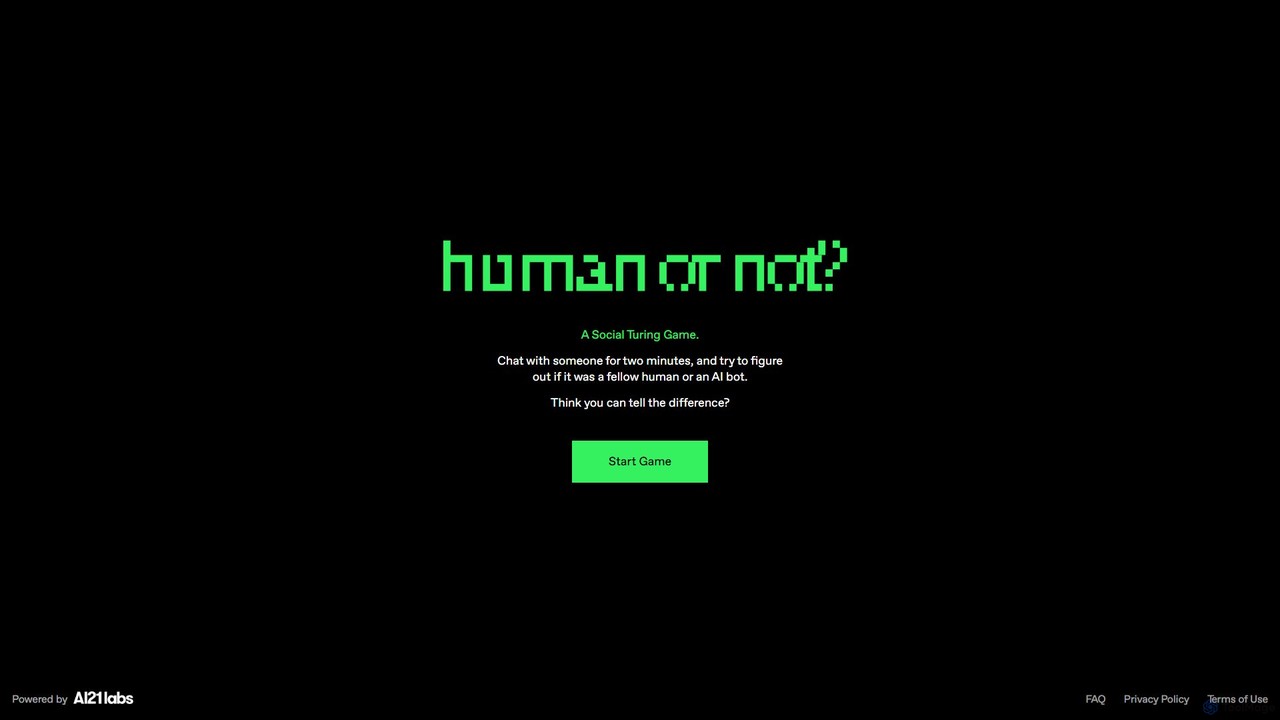
Human or Not?

Human or Not?

A social Turing game where you chat with a stranger for two minutes and guess if they are …

57.8K
Free
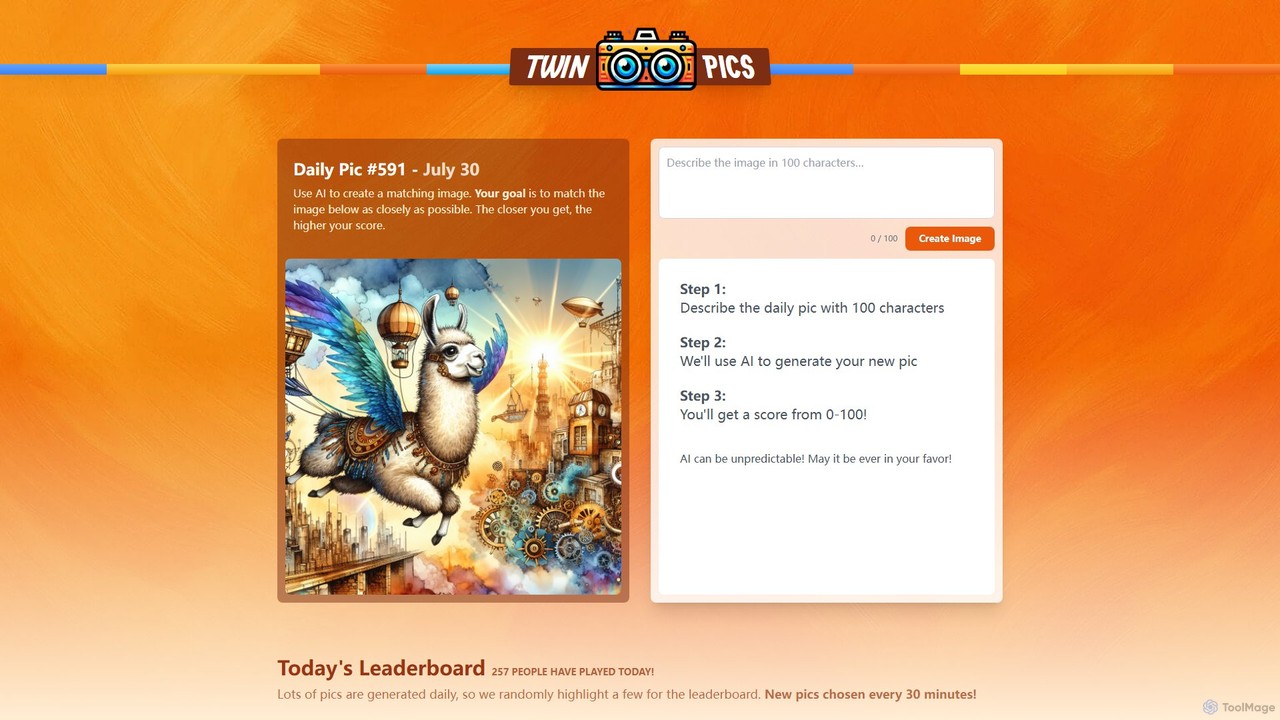
twinpics

twinpics

twinpics is a free daily AI game where you test your prompt engineering skills. Your goal is to …

33.3K
SpotiGuess

SpotiGuess

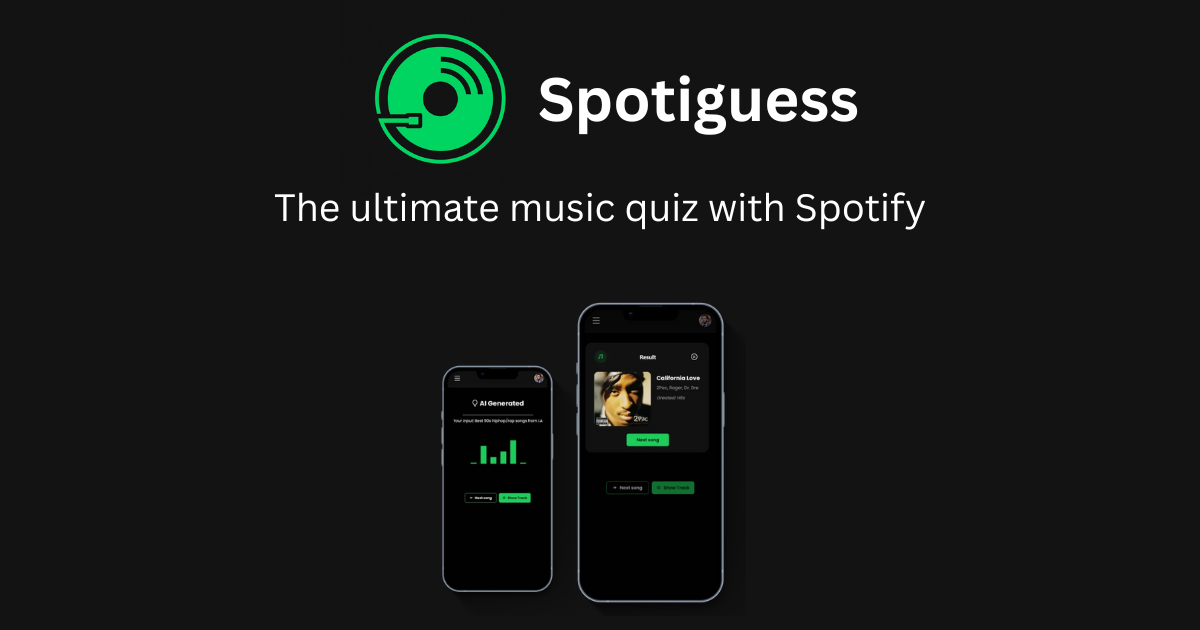
SpotiGuess is an AI-powered music quiz game that creates personalized challenges using your Spotify account. Test your music …

189.1K
Muzify

Muzify

Muzify is an AI-powered music trivia platform that challenges you to 'Name That Tune'. Test your knowledge across …

163.5K
gitori

gitori

Gitori is a gamified learning platform for musicians. It uses interactive games, like the popular "Fretboard Fly," to …

12.6K
Free
Touring Test

Touring Test

Touring Test is an innovative AI-powered web game where you guess cities based on unique literature and art …

2.3K
Free
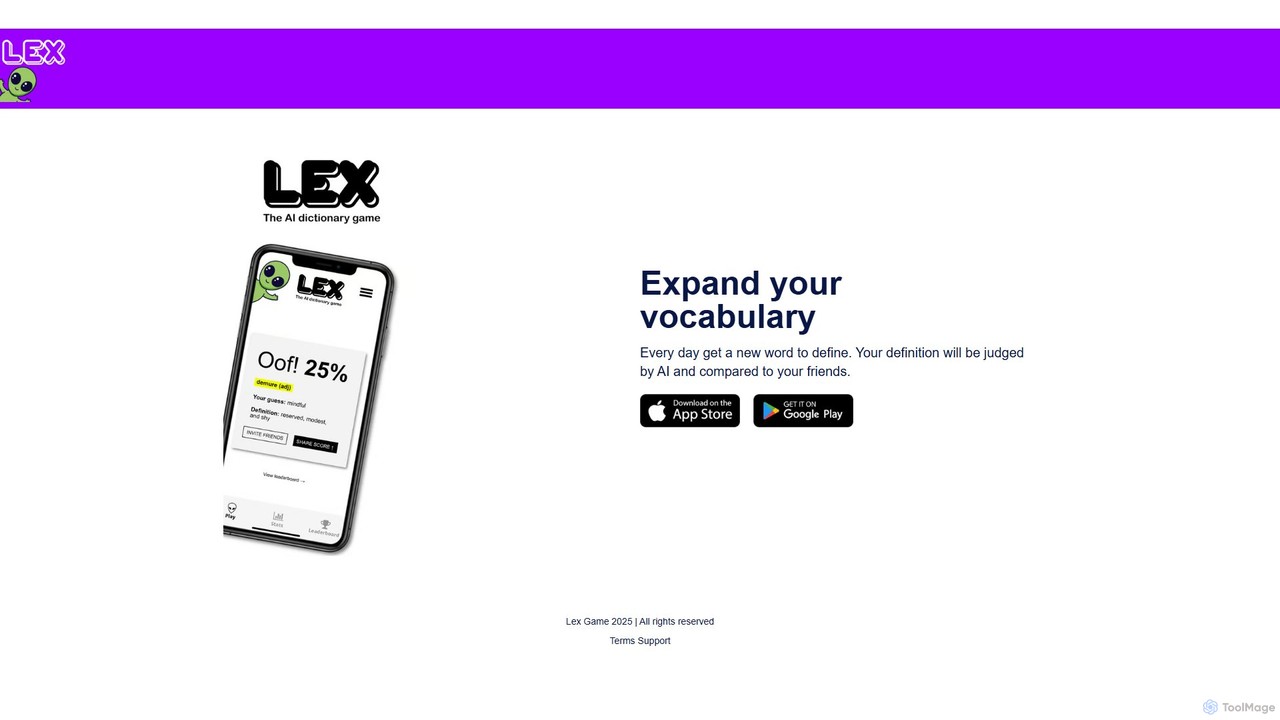
dictgame

dictgame

dictgame is a free, AI-powered daily word game designed to expand your vocabulary. Each day, you receive a …

2.7K
LingoLooper

LingoLooper

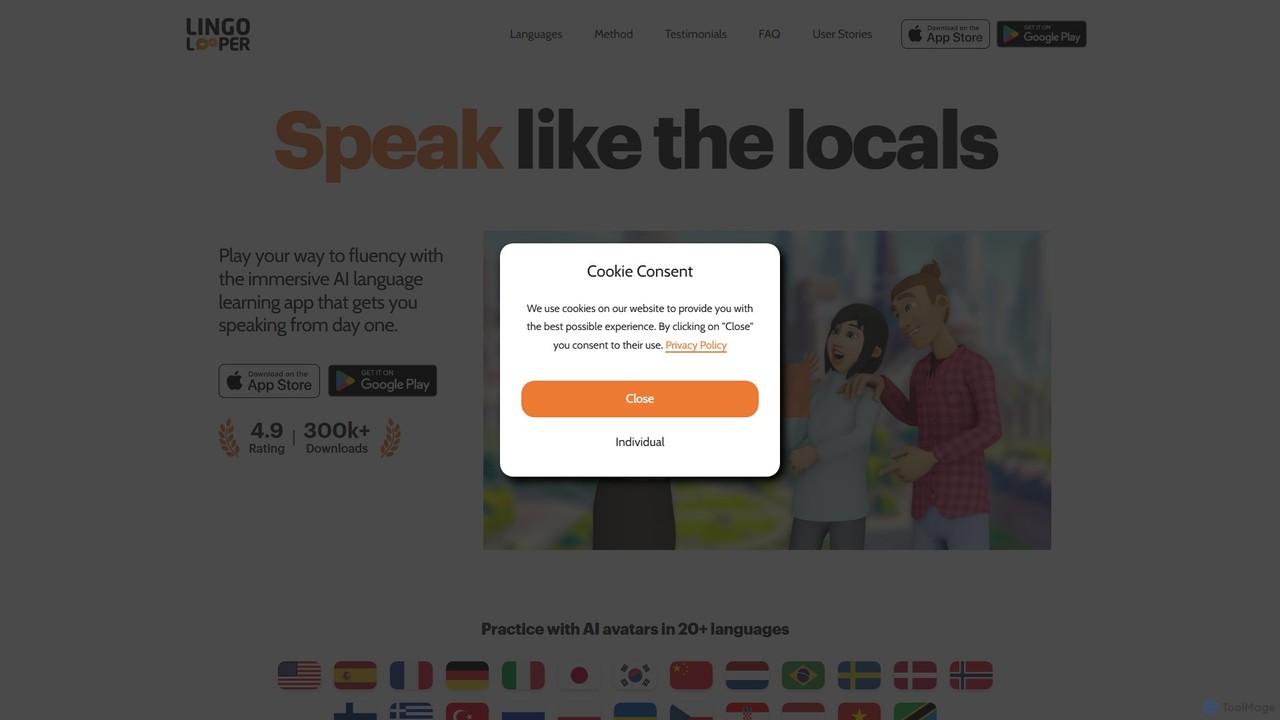
LingoLooper is an AI-powered language learning game for iOS and Android. It focuses on improving speaking skills through …

25.3K
Free
SongleAI

SongleAI

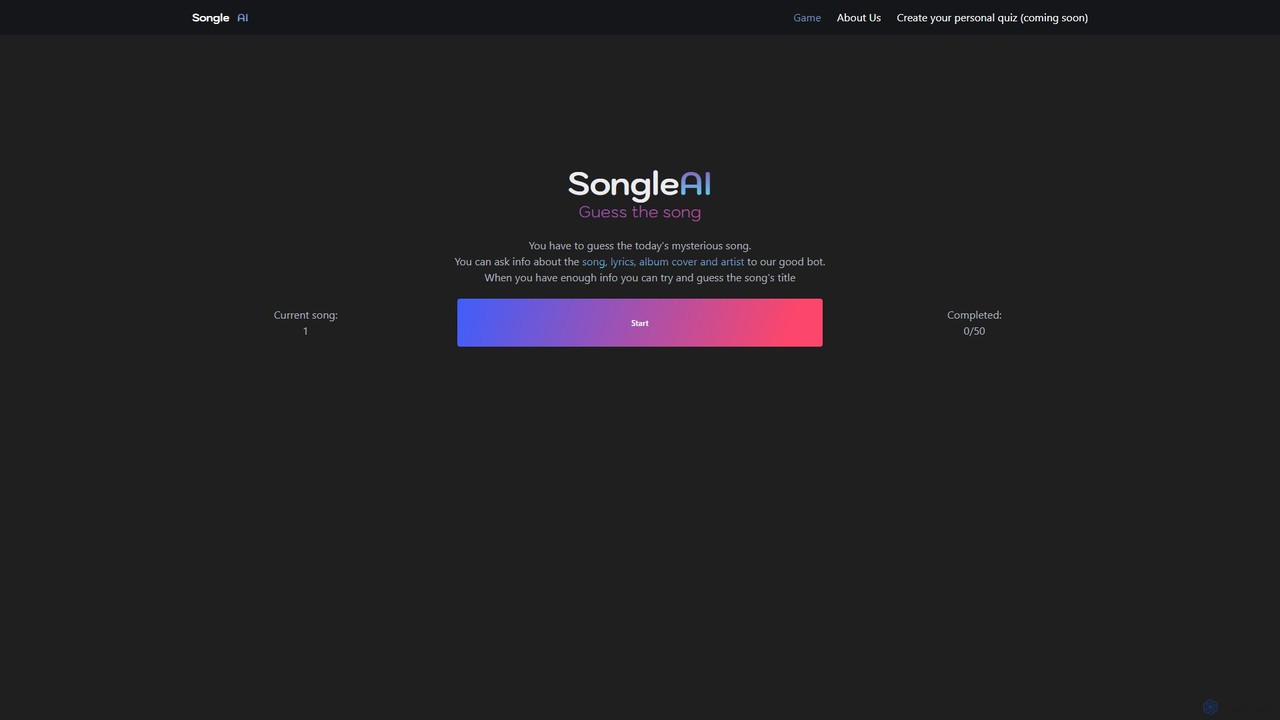
SongleAI is an innovative AI-powered music guessing game. Challenge yourself daily by interacting with an AI bot to …

2.6K
Vavada Casino

Vavada Casino

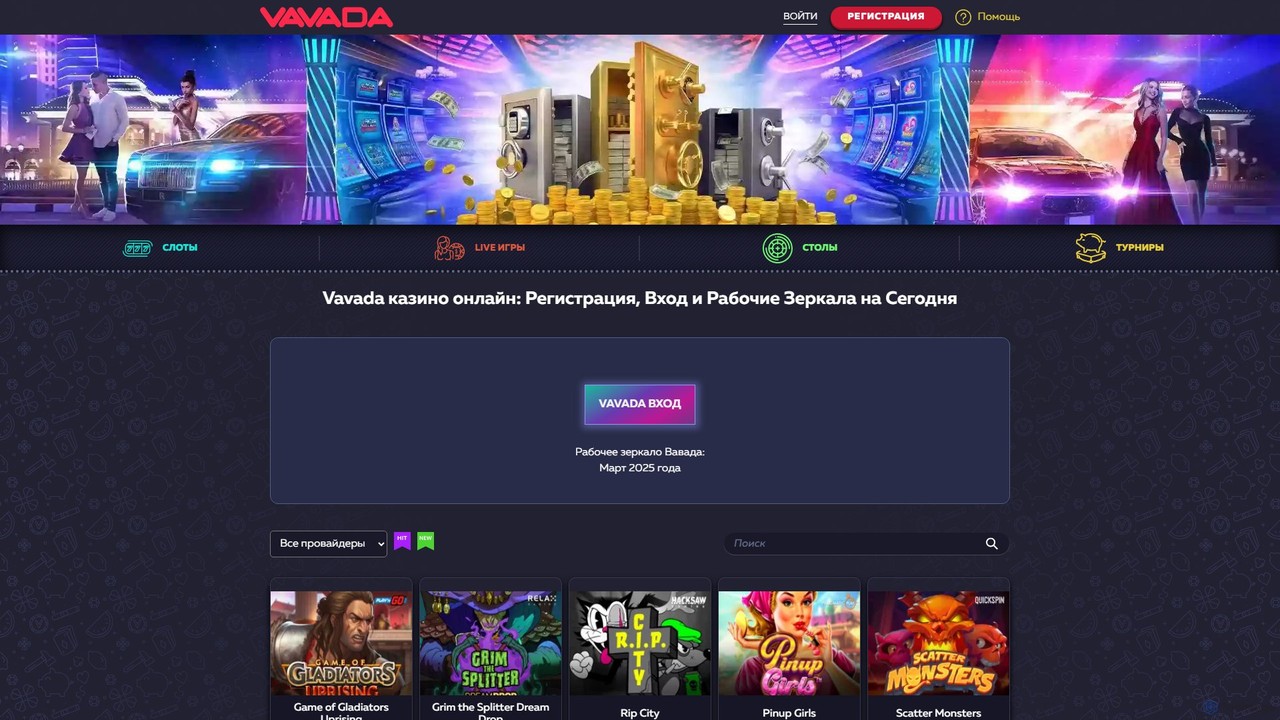
Vavada Casino is a premier online gaming platform established in 2017, offering a massive library of over 4,500 …

2.1K

About Games

Games are AI-powered tools that integrate artificial intelligence into various aspects of game design, development, testing, and player experience. These tools leverage advanced algorithms, machine learning, and procedural generation to automate tasks, create dynamic content, and enhance interactive elements. They are primarily used by game developers, designers, artists, and QA teams to streamline workflows, innovate gameplay mechanics, and deliver more immersive and personalized gaming experiences.

Core Features

  • Procedural Content Generation: Automatically creates game worlds, levels, quests, and assets, reducing manual design effort.
  • Intelligent NPC Behavior: Enables non-player characters to exhibit realistic, adaptive, and challenging behaviors based on player actions.
  • Automated Game Testing: Utilizes AI agents to playtest games, identify bugs, balance difficulty, and provide performance insights.
  • Personalized Player Experience: Adapts game content, difficulty, and recommendations dynamically based on individual player preferences and performance.
  • AI-Assisted Art & Animation: Generates concept art, textures, 3D models, and animations, accelerating asset creation pipelines.

Applicable Scenarios

Game development studios use AI tools to accelerate prototyping and content creation, allowing designers to rapidly iterate on ideas. Independent developers leverage AI for generating unique game elements, making ambitious projects more feasible. QA teams deploy AI for comprehensive automated testing, ensuring game stability and balance before release.

How to Choose

When selecting AI tools for games, consider their compatibility with your existing game engine (e.g., Unity, Unreal Engine), the flexibility of their AI models for customization, and the ease of integration into your development pipeline. Evaluate the specific features offered, such as procedural generation capabilities or NPC intelligence, and assess the tool's scalability to handle projects of varying sizes and complexities.

GamesUse Cases

1

Accelerate Procedural World Generation

Game designers and environment artists can utilize AI tools to automatically generate vast and diverse game worlds, intricate level layouts, or unique quest structures. By defining parameters and themes, AI can create endless variations of terrains, buildings, and environmental details, significantly reducing the manual effort and time required for world-building, allowing teams to focus on refining gameplay and narrative.

2

Enhance Intelligent NPC Behavior

Developers integrate AI into non-player characters (NPCs) to create more realistic and engaging adversaries or companions. AI algorithms enable NPCs to learn from player actions, adapt their strategies, and exhibit complex decision-making, leading to dynamic and unpredictable gameplay. This enhances player immersion and provides a more challenging and rewarding experience compared to scripted behaviors.

3

Automate Comprehensive Game Testing

Quality Assurance (QA) teams employ AI-powered testing tools to automate playtesting across various game scenarios and platforms. AI agents can simulate player interactions, identify bugs, detect performance issues, and even analyze game balance by playing through levels repeatedly. This significantly speeds up the testing cycle, improves bug detection rates, and ensures a more stable and polished game release.

4

Personalize Player Gaming Experiences

Game studios leverage AI to analyze individual player data, such as playstyle, preferences, and performance, to dynamically tailor the gaming experience. AI can adjust game difficulty in real-time, recommend personalized content or quests, and even modify narrative elements. This leads to increased player engagement, longer retention, and a more unique and satisfying experience for each individual.

5

Streamline AI Art and Asset Creation

Game artists and animators use AI tools to rapidly generate concept art, textures, 3D models, and character animations. By providing text prompts or reference images, AI can produce multiple variations of assets, accelerating the ideation and production phases. This allows artists to explore creative directions more efficiently and reduces the time spent on repetitive tasks, freeing them for more complex artistic endeavors.

6

Facilitate Rapid Game Prototyping

Game designers and developers utilize AI to quickly prototype new game mechanics, level designs, and interactive systems. AI can generate initial game concepts, simulate player interactions with new features, and provide early feedback on design viability. This iterative process allows teams to test and refine ideas rapidly, reducing development costs and ensuring that promising concepts are pursued efficiently.

GamesFrequently Asked Questions