ToolMage
Sign in

Best 3 Game Discovery AI tools for Gaming

Popular Game Discovery AI tools in Gaming include Apkpure, play_this, and steamsummarize, helping you work more efficiently.

Apkpure
Freemium

Apkpure

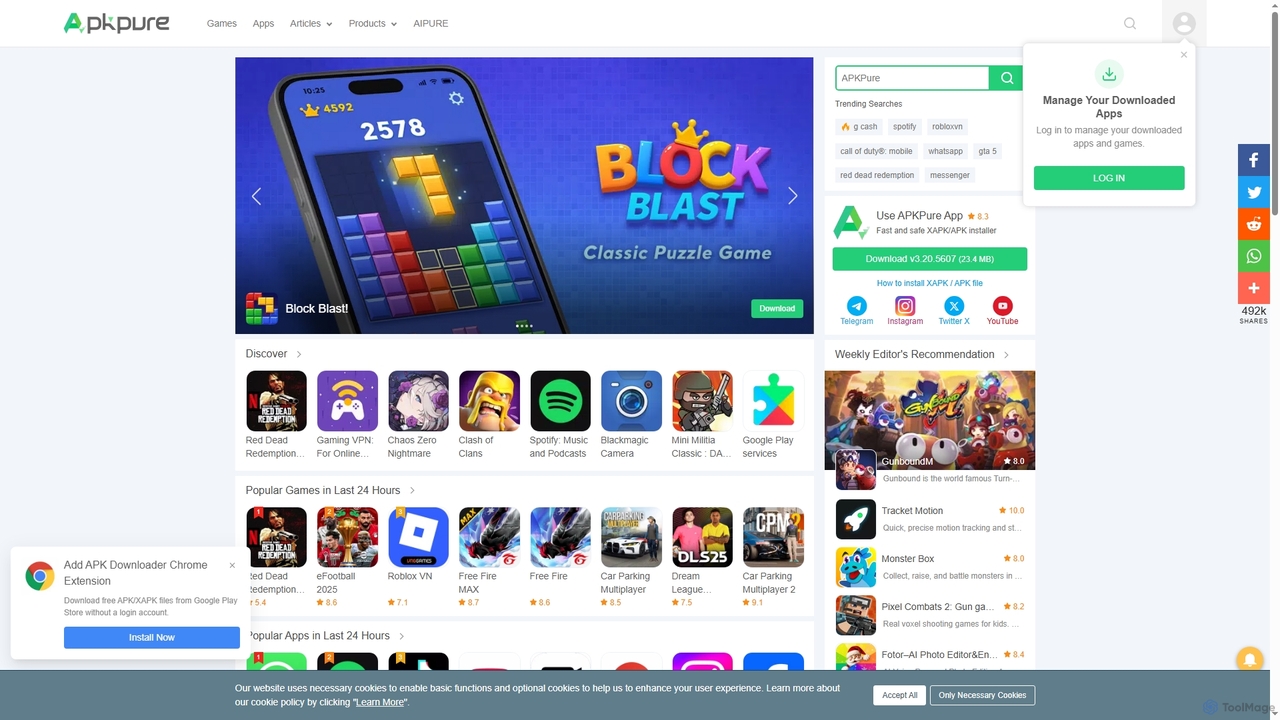
Apkpure is a multi-platform app store focused on Android, offering a vast library of apps and games for download as APK files. It provides a fast, safe, and efficient way to discover and install new applications, including region-locked or older versions not available on other platforms.

App Distribution
Visits 38MFavorites 98Likes 116
play_this
Freemium

play_this

PlayThis is an AI-powered platform for gamers to manage their game backlog and discover new titles. By integrating with Steam, it analyzes your library to provide personalized recommendations. Unique metrics like 'Quality Per Hour' and estimated completion times help you decide what to play next, ensuring you spend your gaming time on titles you'll truly enjoy.

Recommendation Engine
Visits 97.5KFavorites 148Likes 138
steamsummarize
Free

steamsummarize

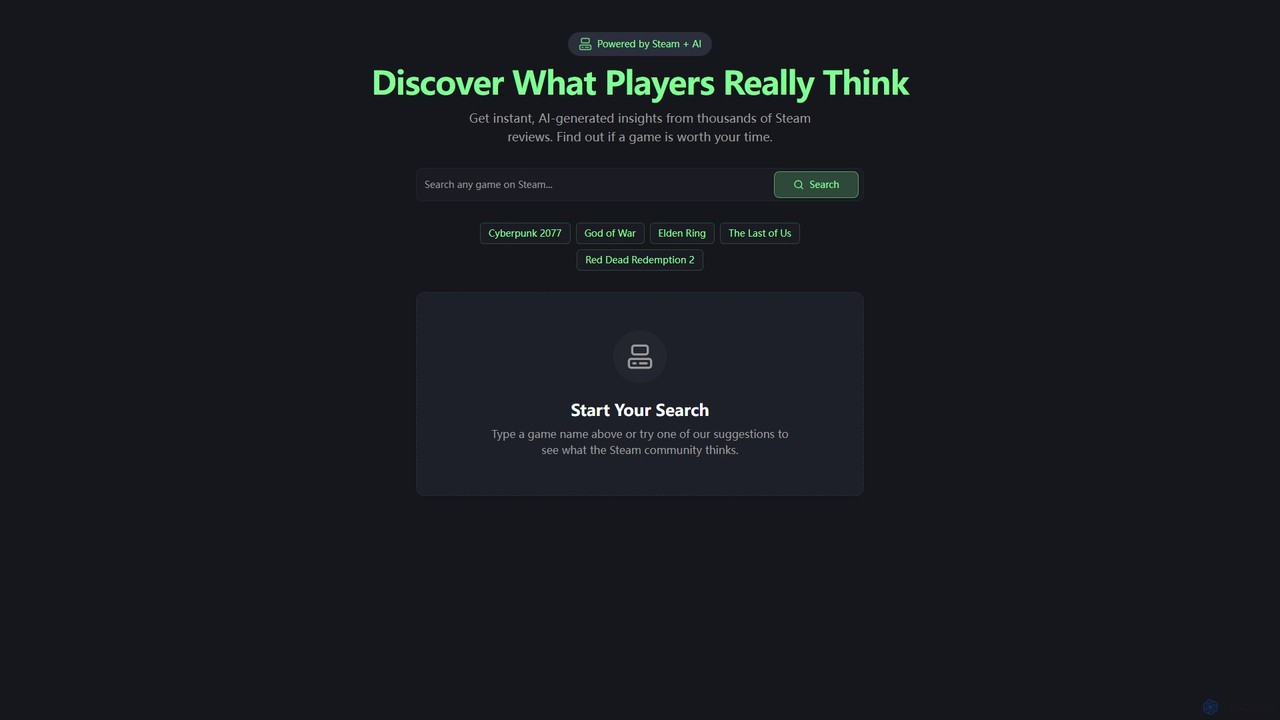
steamsummarize is a free AI tool that uses GPT-4 to instantly summarize Steam game reviews. Simply search for any game, and the tool fetches the latest reviews to provide a concise overview of community sentiment, highlighting pros and cons. It's a fast, private, and easy way for gamers to make informed purchasing decisions without reading hundreds of reviews.

Sentiment Analysis
Visits 11.2KFavorites 132Likes 139

About Game Discovery

AI Game Discovery tools are specialized platforms that use artificial intelligence to provide personalized game recommendations. They analyze vast datasets, including play history, genre preferences, and community trends, to suggest titles you're likely to enjoy. These tools go beyond simple store algorithms, helping players uncover hidden gems, niche genres, and new releases tailored specifically to their tastes. The core value lies in cutting through the noise of a crowded market to find your next favorite game more efficiently.

Core Features

  • Personalized Recommendation Engine: Analyzes user data like playtime and genre preferences to generate highly relevant game suggestions.
  • Semantic Search: Enables searching for games using natural language descriptions of gameplay, themes, or mood.
  • Similarity Mapping: Identifies games with similar mechanics, art styles, or narratives to a title you already enjoy.
  • Community Trend Analysis: Tracks discussions and ratings on platforms like Reddit or Twitch to highlight emerging fan-favorites.

Use Cases

These tools are ideal for avid gamers looking to explore new genres, content creators seeking unique games to stream, and casual players overwhelmed by the volume of options on digital storefronts. They are also valuable for groups of friends trying to find a new cooperative game that suits everyone's preferences, saving time and debate.

How to Choose

When selecting a Game Discovery tool, consider the platforms it supports (PC, console, mobile) and its ability to integrate with your gaming accounts (e.g., Steam, Xbox) for better personalization. Evaluate the depth of its filtering options and the user interface's intuitiveness. Also, check if it focuses on specific niches, like indie games or co-op titles, that align with your interests.

Game Discovery use cases

1

Find a Successor to a Favorite Game

A player has just finished a massive open-world RPG and is looking for a similar experience. Instead of manually browsing store tags, they use an AI discovery tool. By linking their game account, the tool analyzes their playtime and achievements. It then suggests games that share core mechanics like deep crafting systems or choice-driven narratives, but perhaps in a different setting like sci-fi or cyberpunk. This provides a highly targeted list of potential new favorites, saving hours of research.

2

Discover Niche and Indie Games

A gamer is tired of mainstream AAA titles and wants to explore the indie scene. They use a discovery tool's semantic search feature, typing in queries like 'cozy farming sim with a mystery story' or 'fast-paced roguelike with pixel art'. The AI interprets these natural language requests and surfaces hidden gems from platforms like itch.io or Steam that match the specific vibe and mechanics, games that would be nearly impossible to find through standard genre filters alone.

3

Find a Co-op Game for a Group

A group of friends with diverse gaming tastes wants to find a new co-op game. Instead of endless debate, they use a discovery tool that allows multiple users to input their preferences. The tool cross-references everyone's favorite genres (e.g., one likes shooters, another likes RPGs) and identifies games that blend these elements, such as a looter-shooter with RPG progression. It can also filter by player count and platform, quickly generating a shortlist of suitable games that everyone is likely to enjoy.

4

Build a Curated Wishlist

For a patient gamer who prefers to buy games on sale, an AI discovery tool can act as a smart wishlist builder. They can set criteria like 'story-rich RPGs released before 2022' or 'puzzle games with high user ratings'. The AI continuously scans for games matching these rules and adds them to a personalized list. This automates the discovery process over time, ensuring they have a well-curated backlog of interesting titles to watch for during major sales events, without needing to constantly check blogs or store pages.

5

Explore a New Genre Confidently

A player who has exclusively played first-person shooters wants to try the strategy genre but doesn't know where to start. Using a discovery tool, they can input their favorite shooters. The AI identifies transferable elements they enjoy, such as team-based tactics or resource management, and recommends strategy games that emphasize these aspects. For example, it might suggest a real-time tactics game over a complex 4X grand strategy game, providing a more accessible entry point into the new genre based on their existing preferences.

6

Content Creator's Idea Generation

A video game streamer or YouTuber needs a constant stream of fresh content. They use an AI discovery tool to identify trending but under-saturated games. The tool analyzes viewership data from platforms like Twitch and YouTube to find games with growing interest but low competition among creators. This allows the creator to be one of the first to cover a potential hit, attracting a new audience by providing content for a game that viewers are actively searching for but can't find elsewhere.

Game Discovery FAQ

What are AI Game Discovery tools?

AI Game Discovery tools are applications that use machine learning to help players find new video games. Unlike basic store filters, they analyze complex patterns in your gaming habits, preferred genres, and even specific gameplay mechanics to provide highly personalized recommendations. Their goal is to surface relevant games, including niche or indie titles, that you might otherwise miss in a crowded digital marketplace.

How do AI Game Discovery tools differ from standard store recommendations?

Standard store recommendations (like on Steam or PlayStation) often prioritize popular new releases and games similar to what many other users play. AI Game Discovery tools focus more on deep personalization. They can analyze nuanced data, such as the specific mechanics you enjoy (e.g., crafting, branching dialogue) or the mood you're looking for, to recommend lesser-known titles that are a better fit for you individually, rather than just what's popular overall.

How do I choose a good AI Game Discovery tool?

When choosing a tool, consider these factors:

  • Platform Integration: Does it connect to your gaming accounts (Steam, Xbox, PlayStation) to analyze your actual play history for better recommendations?
  • Search & Filter Depth: How specific can you get? Look for tools with semantic search or detailed tags for mechanics, art style, and themes.
  • User Interface: Is the tool easy to navigate and are the results presented clearly?
  • Community & Curation: Does it incorporate user reviews, community lists, or expert curation to add a human touch to the AI's suggestions?
What kind of data do these tools use for recommendations?

AI Game Discovery tools typically use a combination of data sources. This includes explicit data you provide, like genres you enjoy or games you rate highly. More importantly, they use implicit data, such as your playtime in specific games, achievements unlocked, and games you've wishlisted or ignored. Some advanced tools also analyze community data, like user reviews, forum discussions, and streaming trends, to understand the context and sentiment around different games.

Are Game Discovery tools only for hardcore gamers?

Not at all. While hardcore gamers can use them to find deep cuts and niche titles, these tools are also extremely useful for casual players. For someone who only plays a few games a year, a discovery tool can help make sure those choices are highly enjoyable and worth their time and money. They cut through the overwhelming number of options on digital stores, making it easier for anyone to find a game they'll love without needing to be an expert on the gaming market.