
Gaming Best in category 1 results Game Store AI Tool

Popular AI tools in the Game Store field of Gaming include Steam, etc., helping you quickly improve efficiency.

Steam

Steam

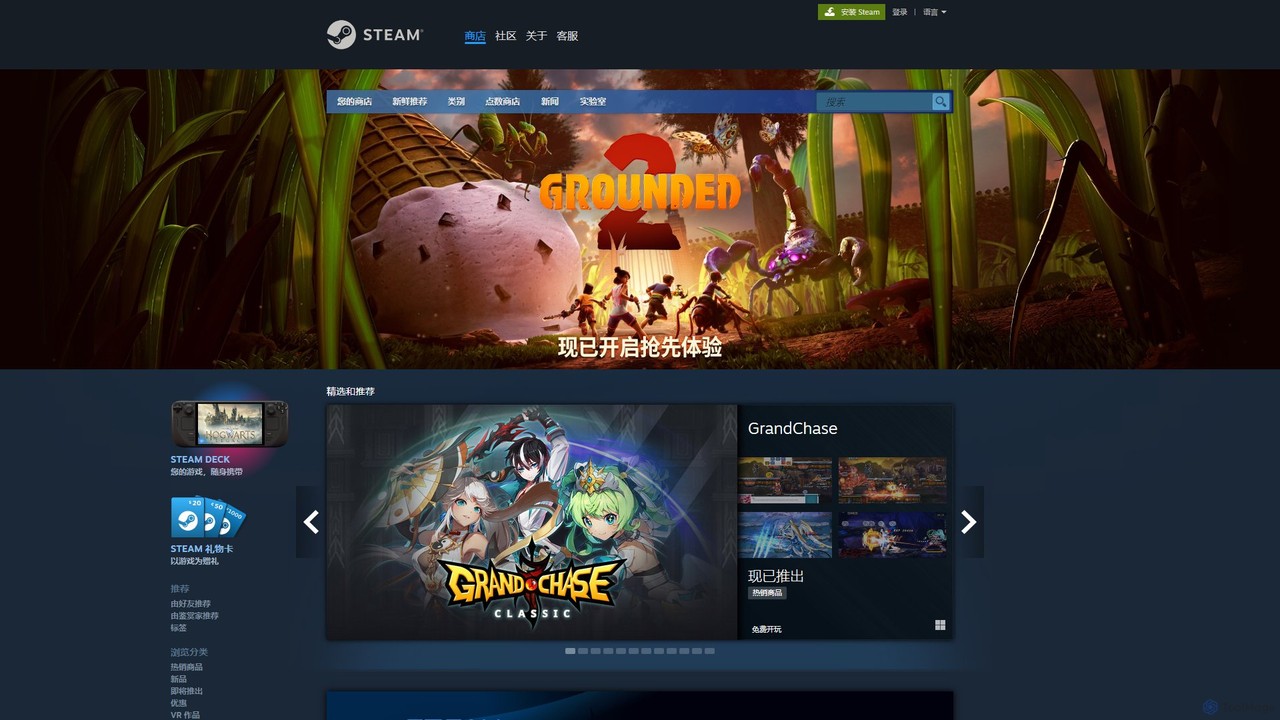
Steam is the ultimate digital distribution platform for PC gaming, developed by Valve. It offers a vast library …

212.4M

About Game Store

AI Game Store tools are specialized platforms that empower developers to create, manage, and optimize in-game shops and digital marketplaces. These tools leverage machine learning to analyze player behavior, enabling personalized recommendations and dynamic pricing for in-game items. Their primary value lies in maximizing monetization, increasing player engagement, and maintaining a balanced game economy without extensive manual intervention. This data-driven approach helps publishers and developers make smarter decisions about their virtual goods strategy.

Core Features

  • Recommendation Engine: Suggests relevant in-game items to players based on their play style and purchase history.
  • Dynamic Pricing: Automatically adjusts item prices based on demand, player segments, or in-game events to optimize revenue.
  • Player Segmentation: Groups players into distinct cohorts based on behavior, allowing for targeted offers and promotions.
  • Fraud Detection: Uses AI to identify and prevent fraudulent transactions, protecting revenue and player accounts.
  • Economic Analytics: Provides dashboards and reports on sales trends, item popularity, and the overall health of the in-game economy.

Use Cases

These tools are essential for mobile game publishers aiming to increase in-app purchase revenue, operators of MMORPGs and live-service games needing to manage complex economies, and indie developers seeking to implement a professional-grade store with limited resources. They are also valuable for Web3 game creators managing NFT marketplaces.

How to Choose

When selecting an AI Game Store tool, consider its integration capabilities with your game engine (e.g., Unity, Unreal Engine). Evaluate the depth of its analytics and the customizability of its recommendation algorithms. Also, compare pricing models—some use a revenue-sharing model, while others have a fixed subscription fee. Finally, assess the platform's scalability to ensure it can handle your game's player base as it grows.

Game StoreUse Cases

1

Optimizing In-App Purchase Revenue for Mobile Games

A mobile game publisher wants to increase revenue from their free-to-play title. Using an AI Game Store tool, their monetization manager analyzes player data to identify different spending habits. The tool automatically segments players into groups like 'high-spenders', 'occasional buyers', and 'non-spenders'. Based on this, the system delivers personalized offers: high-spenders receive exclusive high-value bundles, while occasional buyers get time-limited discounts to encourage purchases. This targeted approach significantly increases conversion rates and average revenue per user (ARPU) without alienating the player base.

2

Balancing the Economy in a Live-Service Game

An economy designer for a large MMORPG needs to prevent item inflation and maintain a healthy player-driven market. They integrate an AI Game Store tool to monitor the flow of virtual currency and items. The AI analyzes millions of transactions to detect patterns of economic imbalance, such as item hoarding or exploits. It can then suggest adjustments to item drop rates or introduce new currency sinks through the official store. For example, if a specific crafting material becomes too abundant, the AI might recommend a limited-time cosmetic item that requires a large amount of that material, thus stabilizing its value.

3

A/B Testing Promotions for a New Game Launch

A marketing team is preparing for the launch of a new competitive shooter. They use an AI Game Store platform to A/B test different 'Founder's Packs' on a segment of early access players. The system automatically creates two versions of the store: one offering a pack with exclusive weapon skins, and another offering a pack with an early character unlock and a currency boost. The AI tracks conversion rates, player engagement post-purchase, and overall spending for both groups in real-time. After a week, the data clearly shows the weapon skin pack has a 30% higher conversion rate, allowing the team to confidently feature it as the main offer for the global launch.

4

Securing a Web3 Game's NFT Marketplace

A developer of a blockchain-based game needs to ensure the integrity of their NFT marketplace. They employ an AI Game Store tool with specialized fraud detection modules for Web3. The AI monitors on-chain and in-game transactions for suspicious activities, such as wash trading (users trading with themselves to inflate prices) or the use of bots to snipe rare items. When the system flags a potentially fraudulent account, it can automatically place temporary restrictions on it and alert the moderation team. This proactive security measure helps maintain a fair market, protects the value of legitimate assets, and builds trust within the player community.

5

Personalizing Storefronts for Different Player Regions

A global game publisher manages a single game build for multiple regions with diverse cultural preferences. Their AI Game Store tool uses geolocation and player data to dynamically alter the storefront for each region. For players in Japan, the store front-loads gacha-style mystery boxes, which are culturally popular. For players in North America, it highlights direct-purchase cosmetic bundles and character skins. The AI also adjusts promotions based on regional holidays and events, such as offering special red-themed items during Lunar New Year in Asian markets. This level of personalization makes the store more relevant and appealing to a global audience, boosting sales worldwide.

6

Automating Store Content Updates for an Indie Developer

A solo indie developer manages a successful game but lacks the time for constant store management. They use an AI Game Store tool to automate content rotation. The developer uploads a large pool of cosmetic items and sets rules within the tool, such as 'feature a new rare item every Tuesday' and 'run a 24-hour flash sale on a random popular item every Friday'. The AI analyzes past sales data to select the most appealing item for the flash sale to maximize impulse buys. This automation allows the developer to keep the store feeling fresh and engaging for players, driving consistent revenue without requiring daily manual updates.

Game StoreFrequently Asked Questions