ToolMage
Sign in

Best 1 Voice Modulation AI tools for Gaming

Popular Voice Modulation AI tools in Gaming include EaseUS Multimedia, helping you work more efficiently.

EaseUS Multimedia
Freemium

EaseUS Multimedia

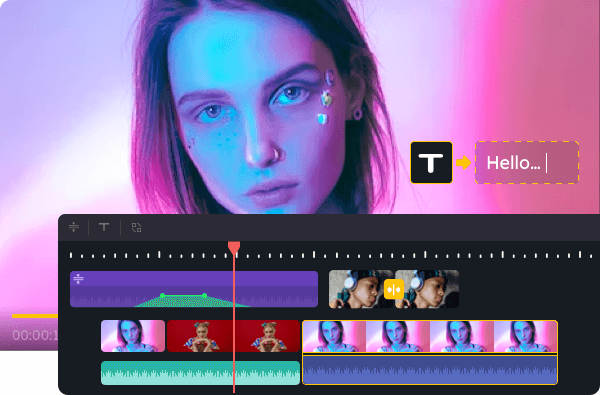
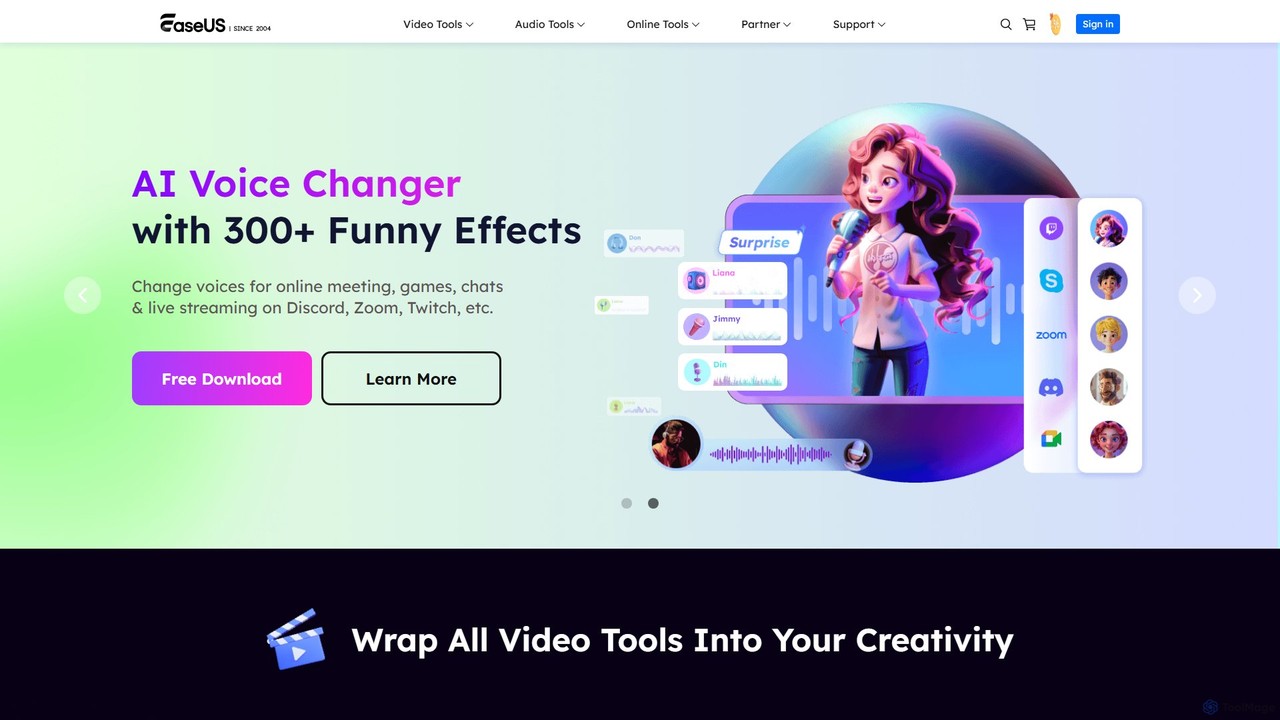
EaseUS Multimedia is an all-in-one AI-powered toolkit for video and audio processing. It includes a video converter, editor, downloader, screen recorder, and AI voice changer. Ideal for content creators, gamers, and general users, it simplifies tasks like format conversion, audio extraction, noise removal, and creating AI song covers.

Transcription
Visits 339KFavorites 134Likes 139

About Voice Modulation

Voice Modulation tools are AI-powered applications that alter a user's voice in real-time, primarily used within the gaming and content creation ecosystems. These tools leverage advanced deep learning models to modify vocal characteristics such as pitch, tone, and timbre, enabling users to sound like different characters, genders, or even specific individuals. This technology provides gamers and streamers with a powerful way to enhance role-playing immersion, protect their privacy, and create unique, engaging content. Unlike simple pitch shifters, modern AI voice modulators offer high-fidelity transformations and a wide range of creative possibilities.

Core Features

  • Real-Time Voice Changing: Instantly modifies your voice with low latency during live conversations, gaming sessions, or streams.
  • Vast Voice Library: Offers a wide selection of pre-built voice filters, from fantasy characters and robots to celebrities.
  • Custom Voice Creation: Allows users to build their own unique voice personas by adjusting various vocal parameters.
  • Soundboard Integration: Enables the playback of sound clips and audio effects directly through the microphone input for interactive entertainment.
  • Background Noise Cancellation: Utilizes AI to isolate the user's voice and remove unwanted background noise for clearer audio.

Use Cases

Voice modulation tools are widely adopted by online gamers for immersive role-playing in titles like VRChat and Dungeons & Dragons. Content creators and streamers on platforms like Twitch and YouTube use them to produce entertaining skits, character-based content, and protect their anonymity. They are also valuable for VTubers seeking to create a unique and consistent voice for their digital avatars.

How to Choose

When selecting a voice modulation tool, prioritize low latency for seamless real-time interaction. Evaluate the quality and variety of the voice library to ensure it meets your creative needs. Check for compatibility with your primary applications, such as Discord, OBS, or specific games. Finally, consider the software's CPU usage, as high resource consumption can impact gaming or streaming performance.

Featured tool rankings

Voice Modulation use cases

1

Enhance Role-Playing in Online Games

A gamer participating in an online role-playing session, such as a Dungeons & Dragons campaign on Roll20 or socializing in VRChat, uses a voice modulation tool to transform their voice. By selecting a deep, gravelly voice filter, they can fully embody their dwarven warrior character, making interactions more immersive for themselves and other players. The tool's real-time processing ensures no delay, maintaining the natural flow of conversation and enhancing the collective storytelling experience.

2

Create Engaging Content for Live Streams

A Twitch streamer builds a more dynamic and entertaining broadcast by using an AI voice modulator. During a live stream, they can instantly switch between their normal voice, a robot voice for a gaming companion character, and a high-pitched voice for comedic effect when something surprising happens. This vocal variety keeps the audience engaged, encourages viewer interaction, and helps the streamer's content stand out in a crowded market. Integrated soundboard features further allow for triggering meme sounds or custom audio clips.

3

Protect Anonymity and Reduce Harassment

An online user, particularly a female gamer, wants to participate in competitive game voice chats without revealing their gender to prevent potential harassment. They use a voice modulation tool to apply a neutral or masculine-sounding voice filter. This allows them to communicate strategically with their team and enjoy the social aspect of gaming without facing unsolicited comments or bias, creating a safer and more comfortable online environment.

4

Develop a Unique VTuber Persona

A VTuber (Virtual YouTuber) aims to create a cohesive and memorable online identity where their voice perfectly matches their digital avatar. Using a voice modulation tool, they design a custom voice by adjusting parameters like pitch, tone, and formant. This unique, AI-generated voice becomes a core part of their brand, used consistently across all streams and video content. It helps them build a stronger connection with their audience and reinforces the fantasy of their virtual character.

5

Prototype Character Voices in Game Development

A sound designer at an indie game studio needs to create placeholder audio for new characters during early development. Instead of recording temporary lines themselves, they use a voice modulation tool to generate a variety of distinct character voices from a single script. This allows the development team to test dialogue, review cutscenes, and get a better feel for the characters' personalities long before hiring and recording with professional voice actors, saving time and resources in the production pipeline.

6

Produce Comedic Skits and Parody Videos

A content creator on YouTube or TikTok specializes in animated shorts or parody videos. They use a voice modulation tool to perform all the character voices themselves. By switching between different AI voice filters—from a booming villain to a squeaky sidekick—they can efficiently produce multi-character dialogues without needing a cast of voice actors. This streamlines the creative process and gives them complete control over the vocal performance and comedic timing of their content.

Voice Modulation FAQ

What is AI Voice Modulation?

AI Voice Modulation is a technology that uses artificial intelligence to change a person's voice in real-time. Unlike simple pitch shifters, these tools analyze and reconstruct vocal characteristics like tone, timbre, and inflection to create highly realistic and diverse voice transformations. They are commonly used by gamers, streamers, and content creators to adopt different personas, protect their privacy, or enhance entertainment value.

How do I choose the right voice modulation software?

To choose the right software, consider these factors:

  • Performance: Look for low latency (delay) to ensure your voice changes in real-time without noticeable lag.
  • Voice Quality & Variety: Evaluate the realism of the voices and the size of the library. Some tools also allow for custom voice creation.
  • Compatibility: Ensure the tool works with your games and applications, such as Discord, OBS, Zoom, or specific game titles.
  • System Resources: Check how much CPU the software uses, as high usage can affect your computer's performance during gaming or streaming.
What's the difference between a pitch shifter and an AI voice modulator?

A simple pitch shifter only raises or lowers the frequency of your voice, often resulting in a robotic or unnatural "chipmunk" effect. An AI voice modulator uses complex deep learning models to transform the core characteristics of your voice, including timbre, tone, and resonance. This allows it to create much more realistic and believable voices, such as convincingly changing a voice's perceived gender or age, or mimicking a specific character style.

Can AI voice modulators be used for live streaming without delay?

Yes, most high-quality AI voice modulators are specifically designed for real-time applications like live streaming and online gaming. They are optimized for low-latency processing, meaning the change in your voice happens almost instantaneously. This ensures that your interactions with your audience or teammates remain natural and seamless, without any awkward delays between you speaking and them hearing the modulated voice.

Who are the primary users of voice modulation tools?

Voice modulation tools are primarily used by:

  • Gamers: For immersive role-playing and to enhance team communication in online games.
  • Content Creators & Streamers: To create entertaining content, perform skits with multiple characters, and engage their audience on platforms like Twitch and YouTube.
  • VTubers: To create and maintain a unique voice that matches their virtual avatar.
  • Online Users: For protecting their privacy and remaining anonymous in voice chats to avoid online harassment.