Gaming Best in category 4 results World Building AI Tool

Popular AI tools in the World Building field of Gaming include Japanese Name Generator、Lovelace Studio、Lore Sage、BackstoryAI, etc., helping you quickly improve efficiency.

BackstoryAI

BackstoryAI

BackstoryAI is an AI-powered narrative engine designed for writers, game developers, and creators. It specializes in generating rich, …

3.0K
Lore Sage

Lore Sage

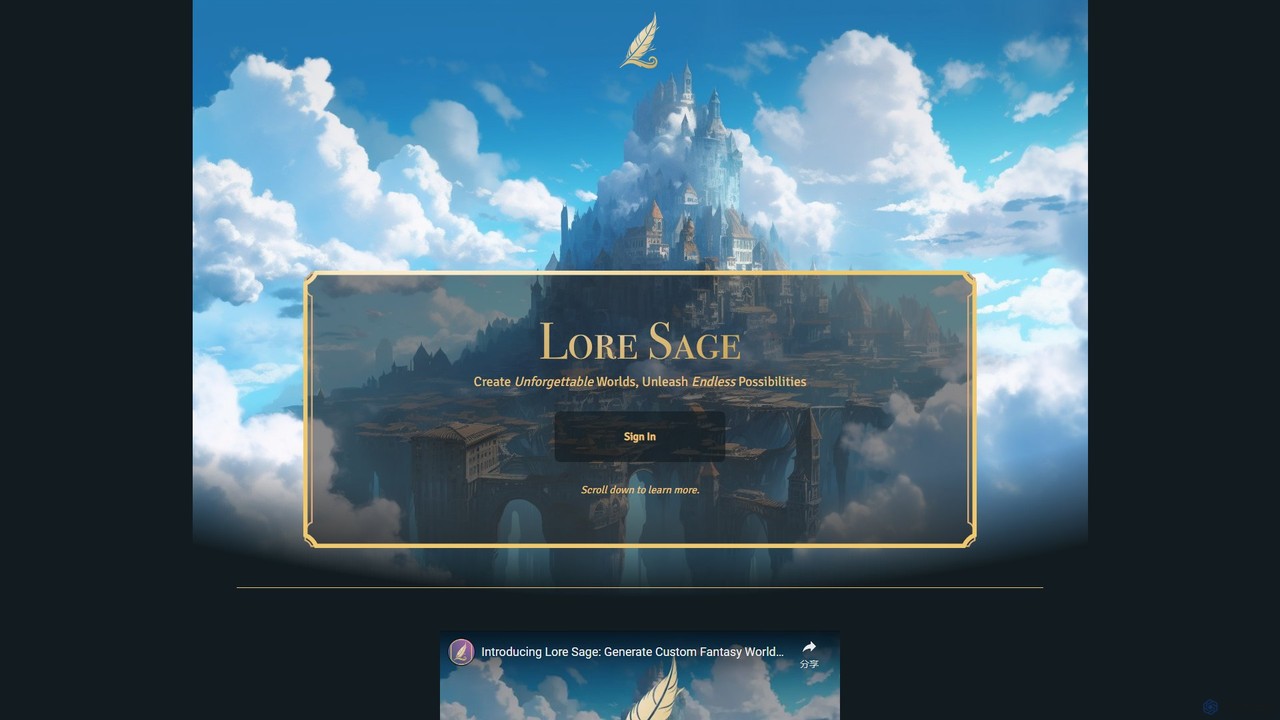
Lore Sage is an AI-powered world-building tool designed for Dungeon Masters, writers, and game developers. It transforms your …

3.9K
Lovelace Studio

Lovelace Studio

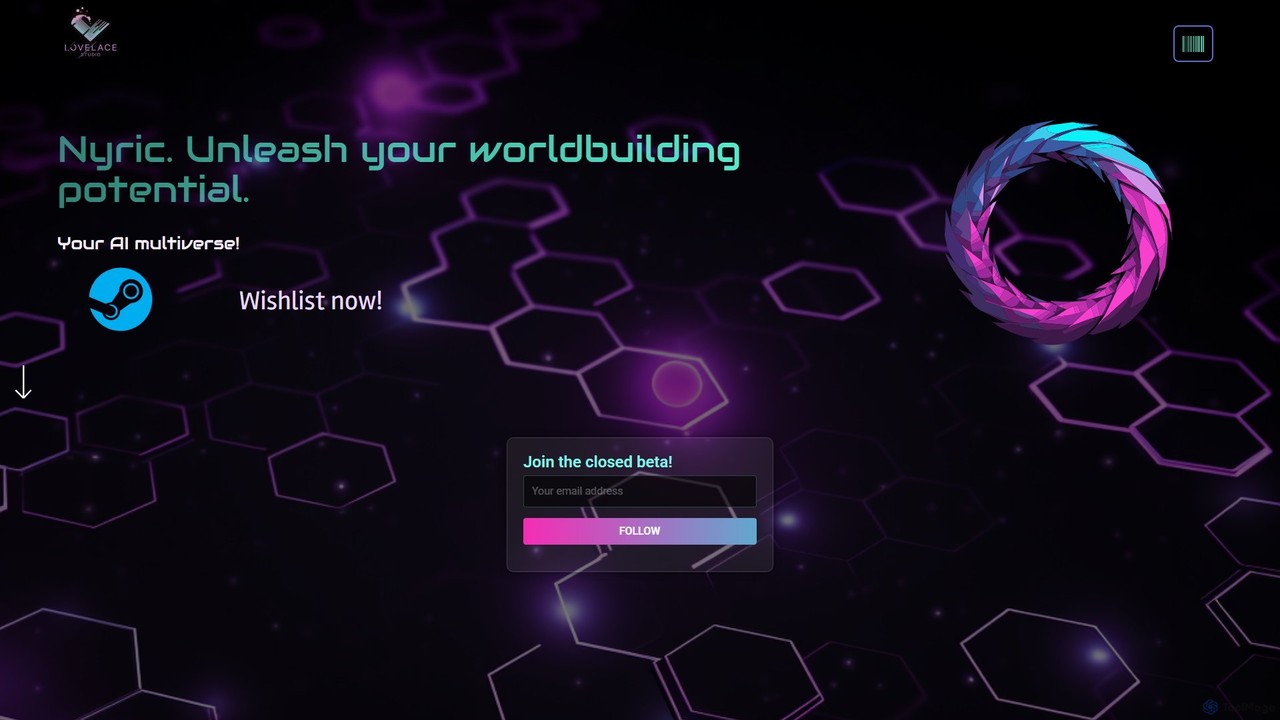
Lovelace Studio is the creator of Nyric, a revolutionary AI-powered multiplayer survival sandbox. It empowers players to generate …

4.1K
Free
Japanese Name Generator

Japanese Name Generator

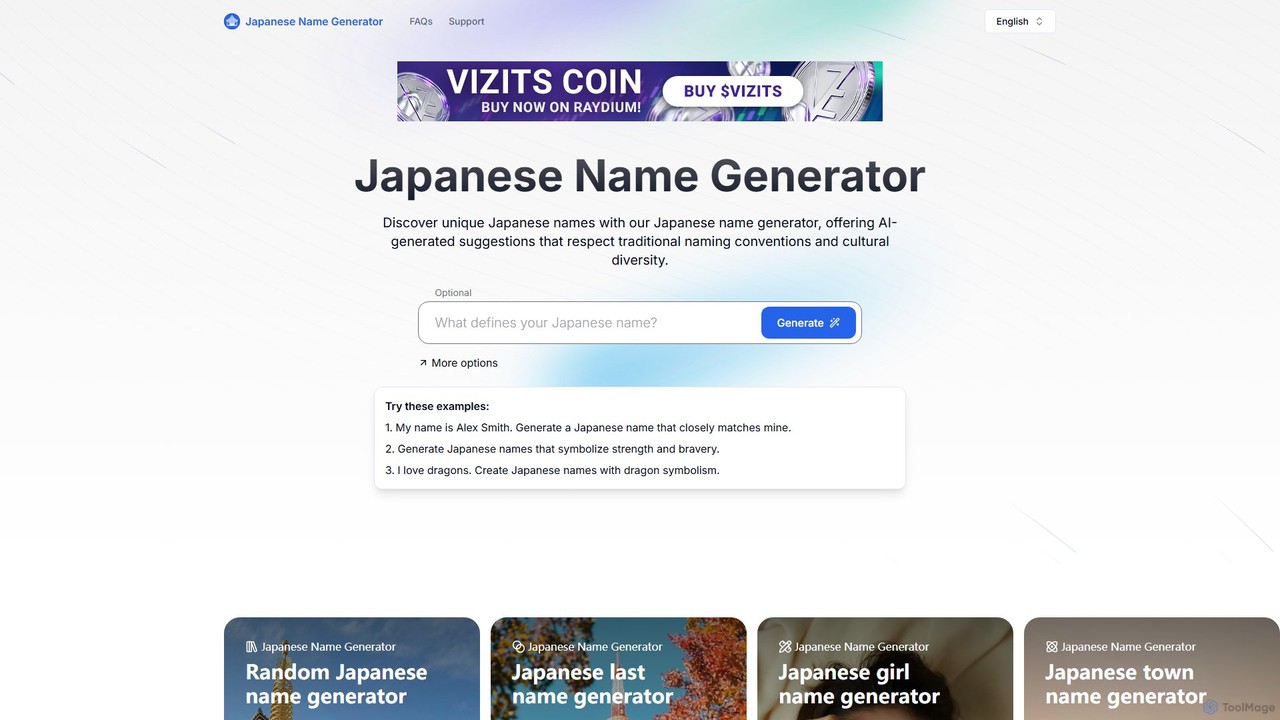
A powerful, free tool for generating authentic Japanese names for various purposes. Ideal for writers, game developers, and …

4.6K

About World Building

AI World Building tools are specialized applications designed to procedurally generate rich, detailed fictional settings for games, novels, and other creative projects. Leveraging generative AI, these tools can create everything from continental maps and historical timelines to complex cultures and character backstories. They serve as powerful creative assistants, enabling creators to rapidly prototype ideas, overcome writer's block, and ensure internal consistency within their imagined worlds. This technology automates the foundational aspects of setting creation, freeing up creators to focus on narrative and gameplay.

Core Features

  • Procedural Map Generation: Creates detailed geographical, political, or city maps with customizable parameters like climate, biomes, and points of interest.
  • Lore and History Development: Generates coherent timelines, historical events, mythologies, and creation stories for the world.
  • Culture and Faction Creation: Defines unique societies, including their governments, religions, languages, social structures, and relationships with other factions.
  • Character and Species Generation: Produces detailed character profiles with backstories, motivations, and traits, as well as unique fantasy or sci-fi species.
  • Interconnected Knowledge Base: Organizes all generated elements into a linked database, allowing users to easily navigate between related concepts like a character's hometown on the map.

Applicable Scenarios

These tools are primarily used by game developers (especially indie studios) for establishing the setting of a new game, fantasy and sci-fi authors for constructing the universe of their novels, and tabletop RPG Game Masters (GMs) for designing detailed campaign worlds. They are also valuable for screenwriters and concept artists seeking inspiration for new settings.

Selection Criteria

When choosing an AI World Building tool, consider the scope of its generation capabilities (maps, lore, characters), the level of user control and customization available, its export options (e.g., image files, text documents), and its suitability for your specific genre (e.g., fantasy, sci-fi, modern). The quality of the interconnected wiki or knowledge base is also a key factor for managing complex worlds.

World BuildingUse Cases

1

Designing a TTRPG Campaign Setting

A Game Master (GM) preparing for a new Dungeons & Dragons campaign uses an AI world building tool to generate a foundational setting. They start by creating a regional map, specifying a temperate climate with dense forests and a mountain range. The AI generates the geography, suggests names for rivers and mountains, and places several towns and ruins. The GM then uses the culture generator to create two rival kingdoms, defining their government types, core beliefs, and relationship. Finally, they generate key NPCs for the starting town, complete with motivations and secrets, providing instant plot hooks for the players. This process reduces weeks of preparation into a few hours.

2

Prototyping a World for an Indie Game

An indie game developer has an idea for a sci-fi exploration game but needs a universe to set it in. Using an AI world building tool, they generate a star system with several planets. For each planet, the tool creates key details like atmospheric conditions, native lifeforms (if any), and potential resources. The developer then focuses on one habitable planet, generating its history, detailing an ancient precursor race that left behind mysterious artifacts. This generated lore becomes the basis for the game's main questline and environmental storytelling, allowing the developer to quickly move from concept to building a playable prototype with a compelling backstory.

3

Overcoming Writer's Block for a Fantasy Novel

A fantasy author is struggling with the details of their new world. They have the main characters and plot, but the setting feels generic. They turn to an AI world building tool for inspiration. By inputting a few core concepts like 'a society powered by elemental magic' and 'a long-lost elven civilization', the tool generates a variety of unique ideas. It suggests a magic system based on seasonal attunement, creates a creation myth for the world, and designs the ruins of an elven city with specific architectural styles. This burst of structured creativity helps the author flesh out the world, making it feel more unique and lived-in, and reignites their writing process.

4

Generating Factions for a Political Strategy Game

A team developing a 4X strategy game needs to create a dozen unique, believable factions for players to choose from. Manually designing each one with a distinct history, government, and ideology is time-consuming. They use an AI world building tool to accelerate this. For each faction, they set a core ethos (e.g., 'militaristic technocracy', 'spiritual isolationists'). The AI then generates a detailed profile, including a founding story, a leadership structure, societal values, and relationships with other potential factions. The design team reviews and refines these AI-generated foundations, adding unique gameplay mechanics, which cuts the faction design time by more than half.

5

Creating Visual Prompts for Concept Art

A concept artist for a film or game is tasked with visualizing a new alien world. Instead of starting from a blank page, they use an AI world building tool to generate rich, textual descriptions. They input prompts like 'a desert planet where inhabitants live in crystalline hives' and 'a jungle moon with bioluminescent flora'. The tool outputs detailed paragraphs describing the environment, architecture, and atmosphere. The artist then uses these evocative descriptions as highly specific prompts for AI image generators or as a detailed creative brief for their own manual illustrations, ensuring their artwork is deeply rooted in a consistent and well-defined world.

6

Maintaining Consistency in a Book Series

An author writing a multi-book epic fantasy series needs to keep track of hundreds of characters, locations, historical events, and magical rules. An AI world building tool acts as their central 'source of truth'. Every time a new element is introduced in the story, it's added to the tool's knowledge base. Before writing a new chapter, the author can quickly query the system: 'What are the three moons of Eldoria and their cycles?' or 'Show me the family tree of House Valerius'. This prevents continuity errors, ensures the world's rules remain consistent across thousands of pages, and allows the author to focus on storytelling without getting lost in their own lore.

World BuildingFrequently Asked Questions