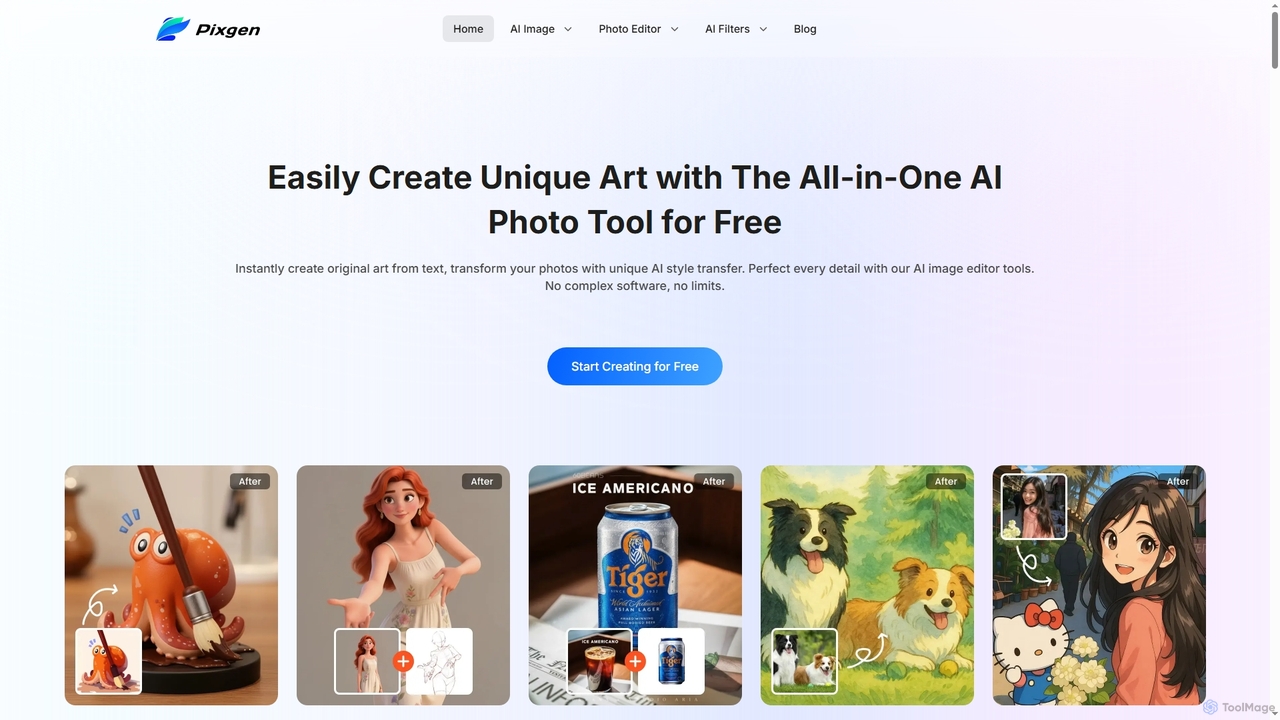
Graphic Design AI tools are AI-powered applications that automate and enhance various aspects of visual content creation. These tools leverage machine learning, computer vision, and generative AI to assist designers and non-designers in producing high-quality graphics, images, and visual assets. They significantly streamline workflows, accelerate creative processes, and enable personalized design at scale, transforming how visual content is conceived and executed.
Core Features
- AI Image Generation: Create unique images, illustrations, and concept art from text prompts or sketches.
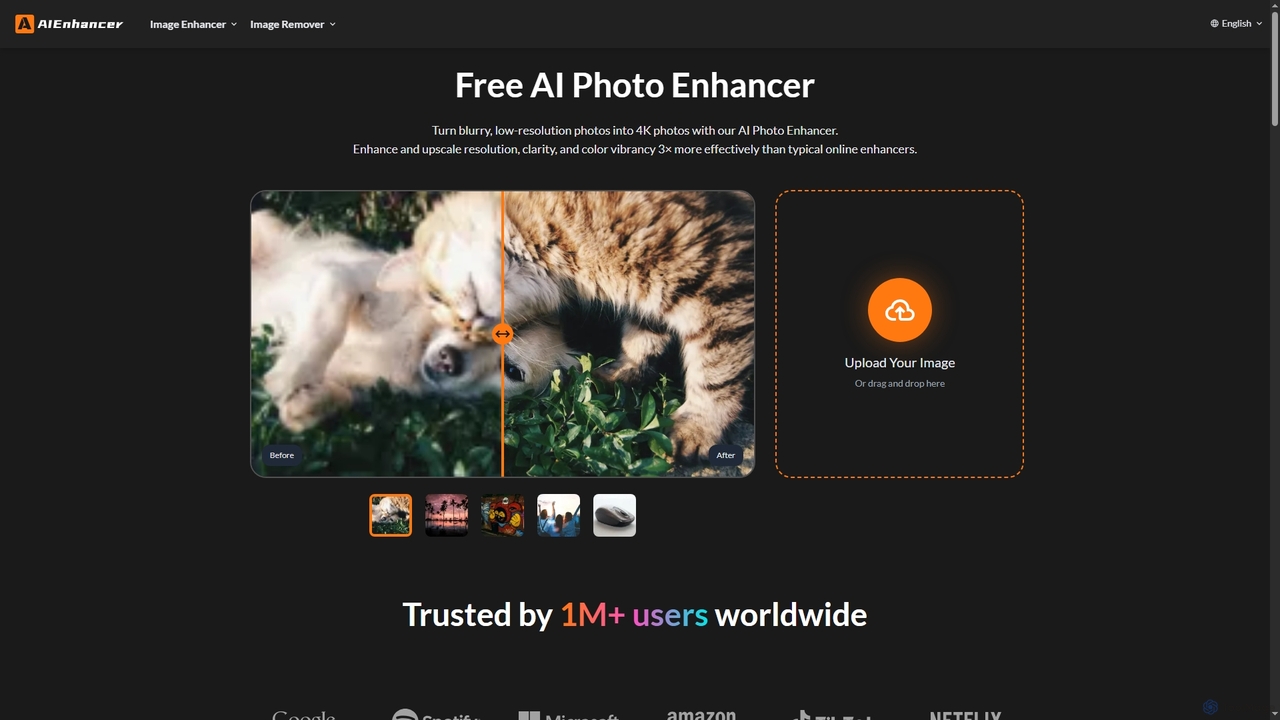
- Smart Photo Editing: Automate tasks like background removal, object manipulation, color correction, and upscaling.
- Logo & Brand Identity Design: Generate diverse logo concepts, brand guidelines, and visual assets based on input.
- Layout & Template Automation: Suggest optimal design layouts and populate templates with content automatically.
- Style Transfer & Enhancement: Apply artistic styles to images or enhance visual quality with AI algorithms.
Use Cases
AI graphic design tools are invaluable across various sectors. Marketing teams use them to rapidly generate diverse ad creatives and social media visuals, ensuring brand consistency and accelerating campaign launches. E-commerce businesses leverage AI for automated product image optimization, including background removal and consistent styling, which enhances online store aesthetics and conversion rates. Individual content creators benefit from AI in quickly producing unique illustrations, blog headers, and video thumbnails, saving significant time on repetitive design tasks.
How to Choose
When selecting an AI graphic design tool, consider its core functionalities and how they align with your specific needs, such as image generation, editing, or branding. Evaluate the quality and versatility of its AI output, looking for tools that offer customization options and diverse styles. Assess the user interface for ease of use, especially for non-designers, and check for integration capabilities with existing design software or marketing platforms. Finally, compare pricing models and ensure the tool provides sufficient support and regular updates to meet evolving design demands.