Hr Best in category 1 results Training & Development AI Tool

Popular AI tools in the Training & Development field of Hr include Percipio, etc., helping you quickly improve efficiency.

Percipio

Percipio

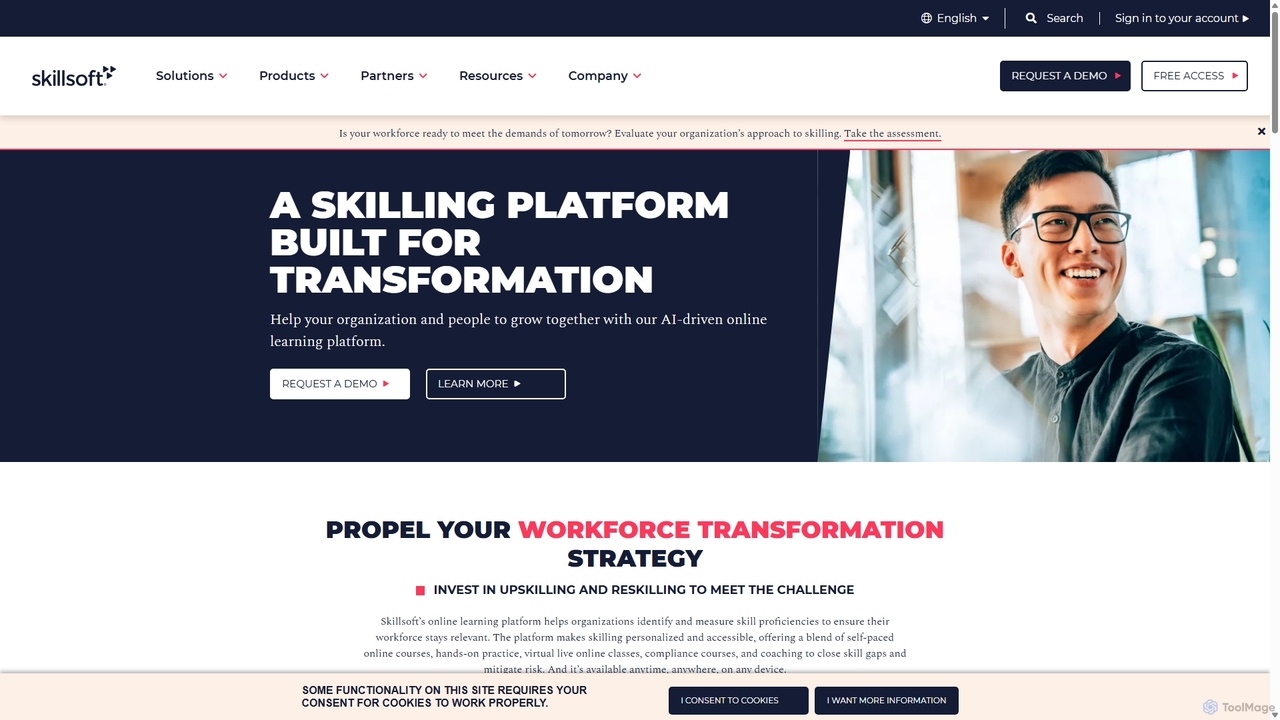
Percipio is an AI-driven immersive learning platform by Skillsoft, designed for enterprise workforce transformation. It helps organizations upskill …

1.7M

About Training & Development

AI-powered Training & Development tools are designed to enhance employee learning, skill acquisition, and career growth within organizations. These platforms leverage machine learning, natural language processing, and adaptive algorithms to personalize learning paths, automate administrative tasks, and provide data-driven insights into workforce capabilities. They empower HR departments and L&D professionals to create engaging, effective, and scalable training programs, ultimately fostering a more skilled and adaptable workforce.

Core Features

  • Personalized Learning Paths: AI analyzes individual skill gaps and learning styles to recommend tailored courses and resources.
  • Automated Content Curation: Tools automatically identify, organize, and suggest relevant learning materials from vast internal and external sources.
  • Performance Feedback & Coaching: AI-driven systems provide real-time feedback on practice exercises and offer virtual coaching for skill improvement.
  • Skill Gap Analysis: Identify current and future skill deficiencies across the organization to inform strategic training initiatives.
  • Immersive Learning Simulations: Utilize VR/AR or interactive scenarios for hands-on, risk-free training experiences.

Applicable Scenarios

These tools are invaluable for HR managers designing comprehensive onboarding programs, L&D specialists creating continuous professional development courses, and team leaders aiming to upskill their teams in new technologies. They are also used by individual employees seeking self-directed learning opportunities and by organizations needing to quickly adapt to evolving industry demands by rapidly deploying new training modules.

How to Choose

When selecting Training & Development AI tools, consider the breadth of content customization options, the integration capabilities with existing HRIS or LMS platforms, and the robustness of analytics for tracking learning progress and ROI. Evaluate the user experience for both administrators and learners, the scalability to accommodate future growth, and the level of AI personalization offered for diverse employee needs.

Training & DevelopmentUse Cases

1

Designing Personalized Onboarding Journeys

HR specialists can use AI Training & Development tools to create dynamic onboarding experiences for new hires. By analyzing a new employee's role, department, and prior experience, the AI automatically assigns relevant training modules, compliance courses, and company culture introductions. This ensures a tailored, efficient, and engaging start, reducing time-to-productivity and improving retention rates.

2

Upskilling Employees for New Technologies

Companies facing rapid technological shifts can leverage these AI tools to quickly upskill their workforce. L&D teams define target skills (e.g., AI literacy, cloud computing), and the AI identifies employees' current proficiency, then recommends specific micro-learning modules, certifications, or virtual labs. This proactive approach ensures the workforce remains competitive and adaptable without extensive manual curriculum development.

3

Automating Compliance Training & Tracking

For industries with strict regulatory requirements, AI Training & Development tools automate the delivery and tracking of mandatory compliance training. The system schedules recurring modules, sends reminders, and generates reports on completion rates and understanding. This minimizes administrative burden, ensures adherence to legal standards, and provides an auditable record of employee compliance.

4

Enhancing Sales Team Product Knowledge

Sales managers can deploy AI-driven platforms to keep their teams updated on new product features, market trends, and competitive intelligence. The AI delivers bite-sized training, quizzes, and simulated customer interactions directly to sales reps' devices, allowing them to learn on the go. This continuous learning ensures sales teams are always equipped with the latest information to effectively engage clients.

5

Developing Leadership & Soft Skills

Organizations can utilize AI tools to foster leadership qualities and critical soft skills like communication, problem-solving, and emotional intelligence. Through interactive simulations, virtual role-playing, and AI-powered feedback on recorded practice sessions, employees can refine these complex skills in a safe environment. The AI provides objective assessments and personalized coaching tips for continuous improvement.

6

Identifying & Addressing Organizational Skill Gaps

HR analytics teams employ AI Training & Development tools to conduct comprehensive skill gap analyses across the entire organization. By integrating with performance management systems and job role definitions, the AI identifies critical skills lacking or becoming obsolete. This data-driven insight informs strategic workforce planning and the development of targeted training programs to build future capabilities.

Training & DevelopmentFrequently Asked Questions