Infrastructure Best in category 4 results Smart City AI Tool

Popular AI tools in the Smart City field of Infrastructure include Rekor、Pave Robotics、Irisradgroup、Currux Vision, etc., helping you quickly improve efficiency.

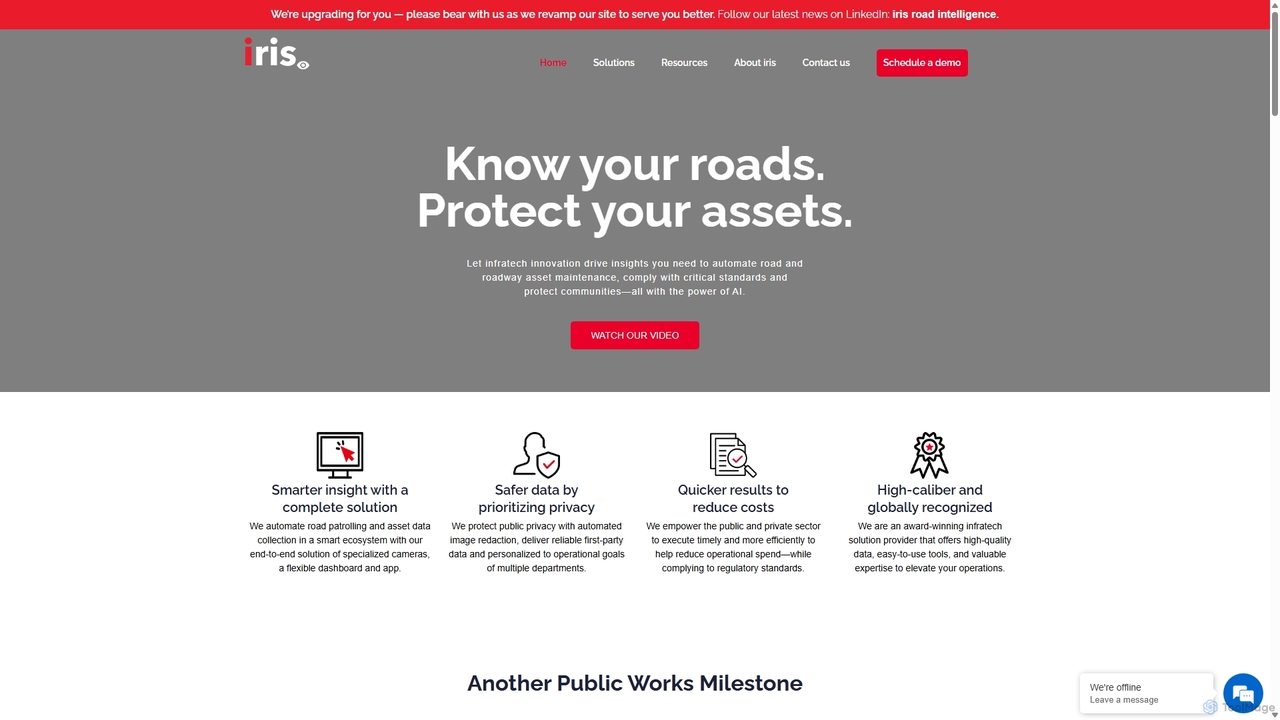
Irisradgroup

Irisradgroup

Irisradgroup is an AI-powered infratech solution that automates road and roadway asset maintenance. Using specialized cameras and an …

3.7K
Currux Vision

Currux Vision

Currux Vision provides autonomous AI systems for smart infrastructure, specializing in intelligent transportation systems (ITS). It leverages existing …

3.1K
Pave Robotics

Pave Robotics

Pave Robotics offers an autonomous robotic solution, Tracer, for asphalt crack sealing. It uses AI-powered sensing and perception …

4.7K
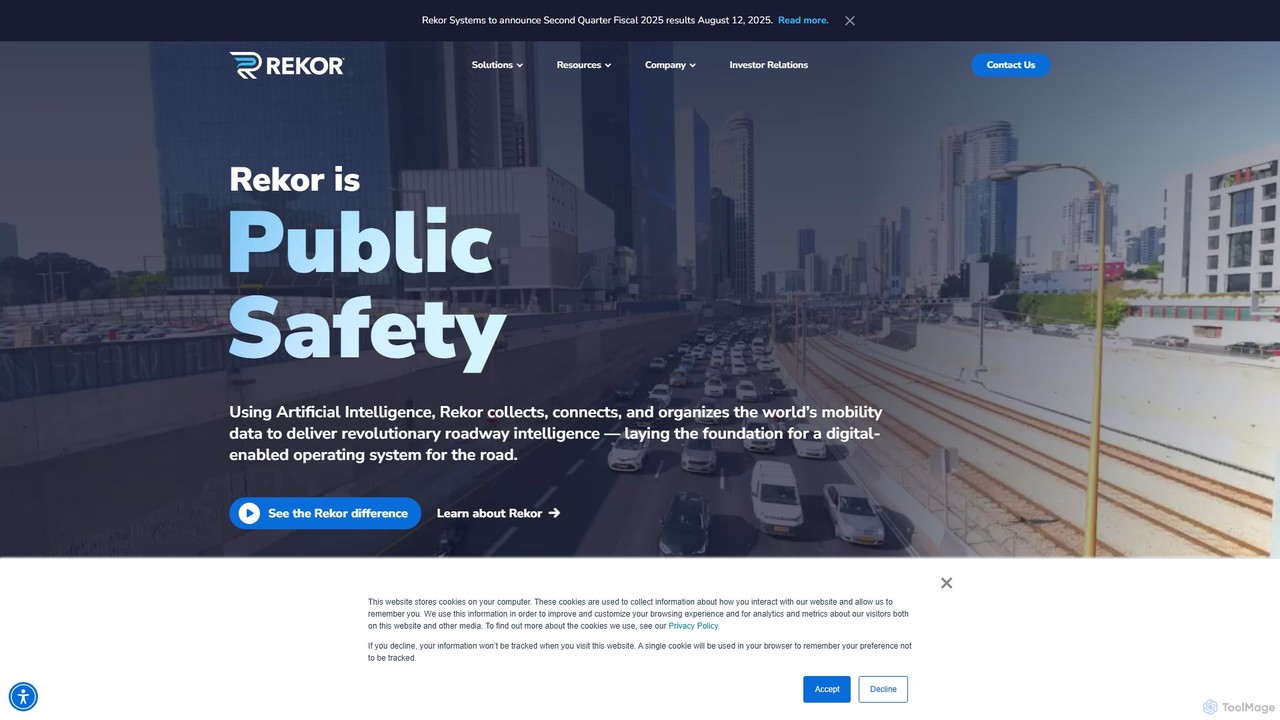
Rekor

Rekor

Rekor is an AI-powered roadway intelligence platform that collects, connects, and organizes global mobility data. It provides actionable …

21.7K

About Smart City

Smart City AI tools are a category of advanced solutions that leverage artificial intelligence, IoT, and big data to optimize urban operations and enhance the quality of life for residents. These tools integrate seamlessly into existing infrastructure, enabling real-time monitoring, predictive analytics, and automated decision-making across various municipal services. They aim to create more efficient, sustainable, and responsive urban environments, representing a critical evolution within modern infrastructure development.

Core Features

  • Intelligent Traffic Management: Optimizes traffic flow, reduces congestion, and enhances road safety through real-time data analysis and adaptive signal control.
  • Smart Energy Grids: Manages energy distribution, monitors consumption, and integrates renewable sources for greater efficiency and sustainability.
  • Public Safety & Surveillance: Utilizes AI-powered cameras and sensors for anomaly detection, predictive policing, and rapid incident response.
  • Environmental Monitoring: Tracks air and water quality, noise levels, and waste generation to inform policy and improve urban health.
  • Automated Waste Management: Optimizes collection routes and schedules based on real-time fill levels, reducing operational costs and environmental impact.

Applicable Scenarios

Urban planning departments use these tools for resource allocation and infrastructure development. Public safety agencies deploy them for proactive crime prevention and emergency response. Utility companies leverage them for optimizing energy and water distribution, while environmental agencies monitor and manage urban pollution levels effectively.

How to Choose

When selecting Smart City AI tools, consider their scalability and integration capabilities with existing urban infrastructure. Evaluate data privacy and security compliance, as well as the real-time processing power required for critical applications. Assess the level of customization offered to address specific local challenges and ensure long-term adaptability.

Smart CityUse Cases

1

Optimizing Traffic Flow with AI

City planners and traffic engineers utilize Smart City AI tools to analyze real-time traffic data from sensors and cameras. The AI predicts congestion patterns and dynamically adjusts traffic signal timings or suggests alternative routes, significantly reducing travel times and improving urban mobility for commuters and emergency services.

2

Predictive Maintenance for Public Infrastructure

Municipal engineers deploy AI to monitor sensors on critical public infrastructure like bridges, roads, and water pipes. The AI analyzes data for early signs of wear or damage, predicting potential failures before they occur. This enables proactive maintenance scheduling, extending asset lifespan and preventing costly disruptions to city services.

3

Enhancing Public Safety with Intelligent Surveillance

Law enforcement agencies utilize AI-powered cameras and sensors in public spaces for intelligent surveillance. The AI can detect unusual behaviors, identify suspicious objects, or recognize crowd formations that might indicate a potential threat. This enables faster response times for security personnel, improving overall public safety and emergency management.

4

Smart Energy Management for Buildings

Building managers in smart districts use AI to optimize energy consumption within public and commercial buildings. The AI analyzes real-time data from smart meters, occupancy sensors, and weather forecasts to intelligently control HVAC systems, lighting, and other appliances. This leads to significant reductions in energy waste, lower utility costs, and a smaller carbon footprint for the city.

5

Automated Waste Collection Route Optimization

Urban sanitation departments employ Smart City AI tools to manage waste collection more efficiently. AI processes data from smart bins (indicating fill levels) and real-time traffic conditions to dynamically optimize collection routes and schedules. This reduces fuel consumption, operational costs, and environmental impact, while ensuring timely waste removal across the city.

6

Real-time Air Quality Monitoring and Alerting

Environmental agencies utilize Smart City AI tools to process data from a network of air quality sensors across the urban landscape. The AI analyzes pollutant levels, identifies sources, and predicts potential spikes in pollution. This enables real-time mapping of air quality and the issuance of timely alerts to residents, helping protect public health and inform environmental policies.

Smart CityFrequently Asked Questions