It Best in category 3 results Cloud Management AI Tool

Popular AI tools in the Cloud Management field of It include Metomic、BlinkOps、Antimetal, etc., helping you quickly improve efficiency.

BlinkOps

BlinkOps

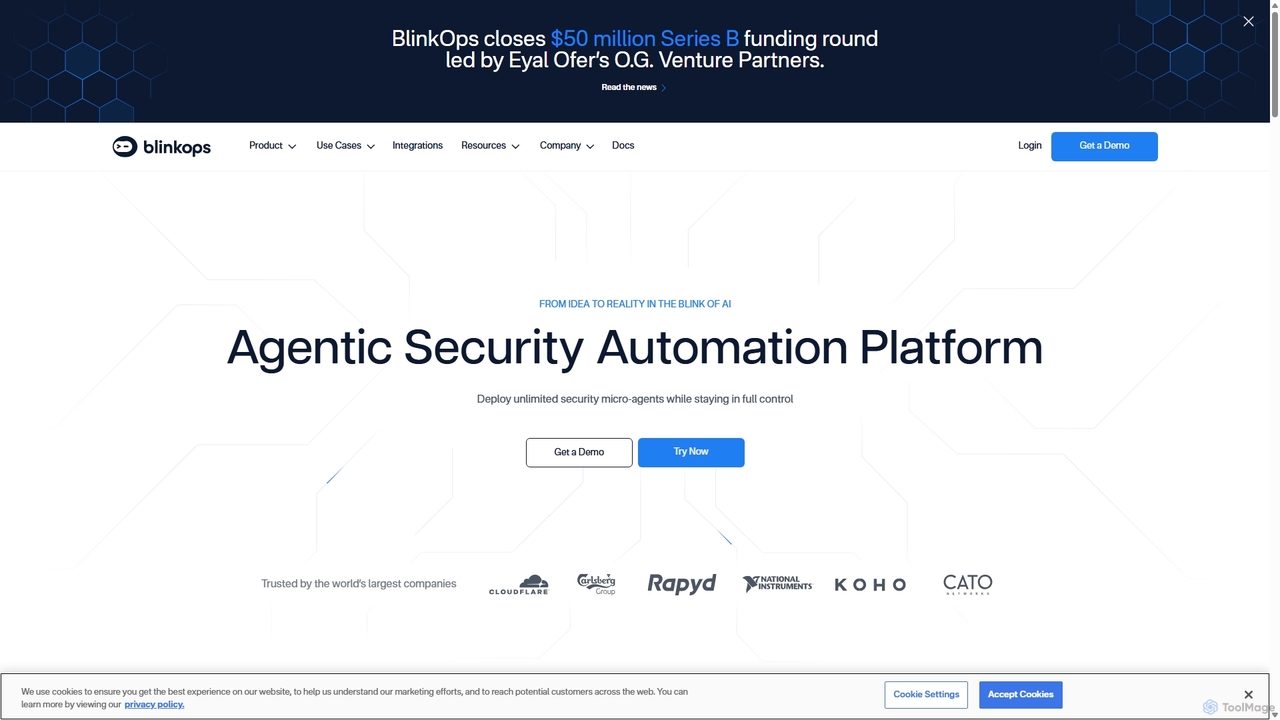
BlinkOps is an agentic security automation platform that empowers security teams to convert natural language prompts into powerful, …

33.4K
Antimetal

Antimetal

Antimetal is an AI-powered infrastructure intelligence platform designed for DevOps and SRE teams. It proactively monitors your systems, …

14.9K
Metomic

Metomic

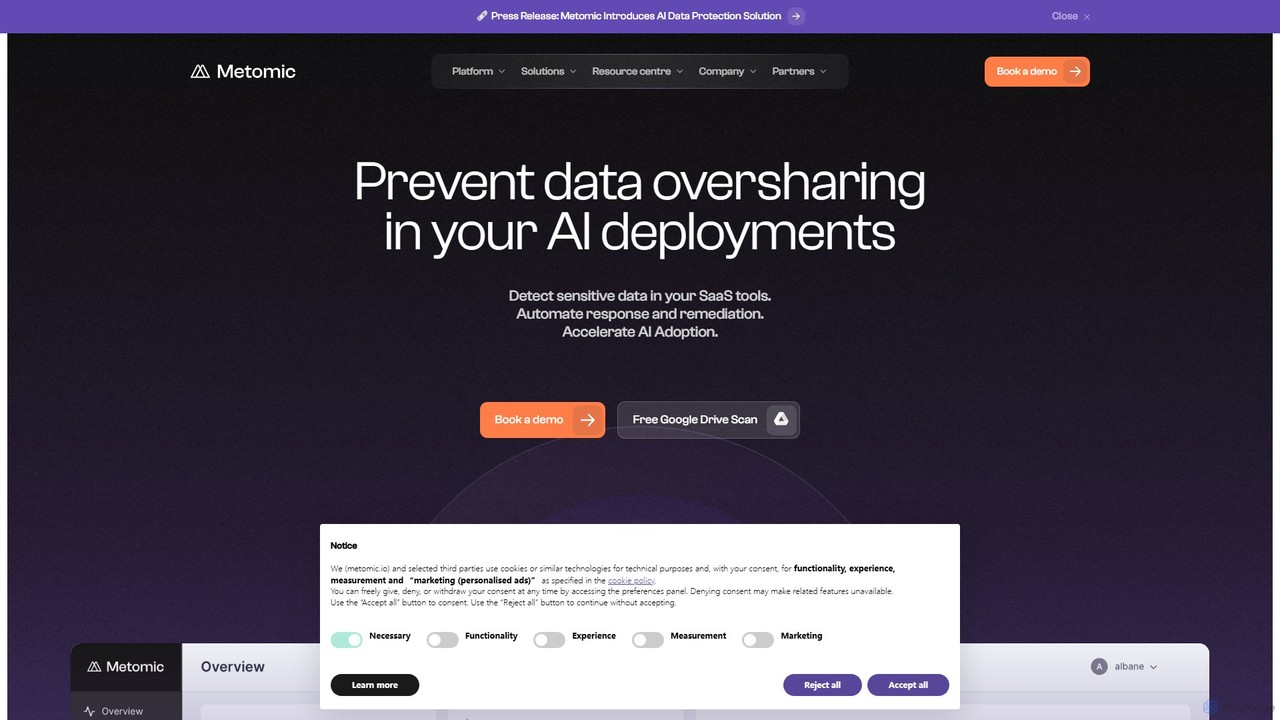
Metomic is an AI-powered data security platform for SaaS, GenAI, and cloud environments. It automatically detects and protects …

37.2K

About Cloud Management

AI Cloud Management tools are platforms that leverage artificial intelligence and machine learning to automate and optimize the administration of cloud infrastructure. These tools analyze vast amounts of operational data—such as metrics, logs, and cost reports—to provide predictive insights and trigger automated actions. They help organizations manage complexity, control spending, and enhance security across single, hybrid, or multi-cloud environments. By moving beyond manual monitoring, these platforms enable proactive management of performance, costs, and compliance.

Core Features

  • AI-Powered Cost Optimization: Automatically identifies idle resources, recommends rightsizing, and suggests optimal purchasing strategies like reserved instances to reduce cloud spend.
  • Predictive Performance Monitoring: Uses machine learning to forecast resource needs, detect performance anomalies before they impact users, and assist in root cause analysis.
  • Automated Security & Compliance: Continuously scans for security misconfigurations, policy violations, and potential threats, automating remediation and generating compliance reports.
  • Intelligent Workload Automation: Automates complex operational tasks such as resource scaling, scheduling, and patching based on predictive analytics and defined policies.

Use Cases

These tools are essential for DevOps teams, Site Reliability Engineers (SREs), and FinOps professionals in tech-driven companies. They are widely used by SaaS providers to maintain service levels, e-commerce platforms to handle traffic spikes efficiently, and large enterprises to enforce governance across multiple cloud providers like AWS, Azure, and Google Cloud.

How to Choose

When selecting an AI Cloud Management tool, consider its compatibility with your cloud providers (e.g., AWS, Azure, GCP). Evaluate the depth of its automation capabilities for cost, performance, and security management. Assess its integration with your existing toolchain, such as CI/CD pipelines and monitoring systems. Finally, analyze the pricing model to ensure it aligns with your usage patterns and budget.

Cloud ManagementUse Cases

1

Automate Cloud Cost Reduction

For a FinOps manager at a fast-growing SaaS company, cloud bills can quickly spiral out of control due to unmanaged resources and inefficient configurations. An AI Cloud Management tool continuously analyzes usage patterns across all services. It automatically identifies and terminates idle virtual machines, suggests downsizing for underutilized databases, and recommends purchasing Reserved Instances for stable workloads. This proactive approach can reduce monthly cloud expenditure by 20-40% without manual intervention, freeing up budget for core product development.

2

Predict and Prevent Application Downtime

An SRE team for a major e-commerce site needs to ensure 99.99% uptime during peak shopping seasons. Instead of relying on static alert thresholds, they use an AI Cloud Management tool that learns the normal behavior of their application. The tool detects subtle performance degradations and resource consumption anomalies that signal future problems. It can predict potential outages hours in advance, allowing the team to proactively scale resources or fix underlying issues before customers are affected, thus protecting revenue and brand reputation.

3

Enforce Continuous Security Compliance

A healthcare technology company must maintain strict HIPAA compliance across its AWS and Azure environments. An AI Cloud Management tool automates this process by continuously scanning for security vulnerabilities and configuration drifts that violate compliance policies. If a developer accidentally makes an S3 bucket public, the tool can instantly detect the violation, trigger an alert, and automatically revert the setting to a secure state. This provides an automated audit trail and ensures the organization remains compliant 24/7.

4

Optimize Multi-Cloud Resource Allocation

A large enterprise uses a multi-cloud strategy to avoid vendor lock-in, but this creates management complexity. A Cloud Center of Excellence (CCoE) team uses an AI platform to gain a unified view of all resources. The tool analyzes performance and cost data from AWS, Azure, and GCP to recommend the best placement for new workloads. It automates resource scheduling and enforces consistent tagging policies, ensuring efficient resource utilization and streamlined governance across the entire cloud estate.

5

Accelerate Incident Root Cause Analysis

When a critical microservice fails, a DevOps engineer is tasked with finding the cause amidst millions of log entries and metrics from dozens of interconnected services. An AI Cloud Management tool ingests and correlates all this data in real-time. It automatically surfaces the most likely root cause by identifying the initial anomalous event and its blast radius. This reduces the Mean Time to Resolution (MTTR) from hours to minutes, minimizing service disruption and freeing up engineering time.

6

Automate Kubernetes Cluster Management

A platform engineering team manages multiple Kubernetes clusters for various development teams. Manually configuring resource requests, limits, and autoscaling for hundreds of microservices is inefficient and error-prone. An AI Cloud Management tool analyzes the actual consumption of each container and pod. It then automatically recommends and applies optimal resource settings and HPA (Horizontal Pod Autoscaler) configurations. This prevents resource contention, reduces node costs, and ensures applications perform reliably under load.

Cloud ManagementFrequently Asked Questions