It Best in category 3 results Helpdesk AI Tool

Popular AI tools in the Helpdesk field of It include Leena AI、Apps365、DeskDay, etc., helping you quickly improve efficiency.

Apps365

Apps365

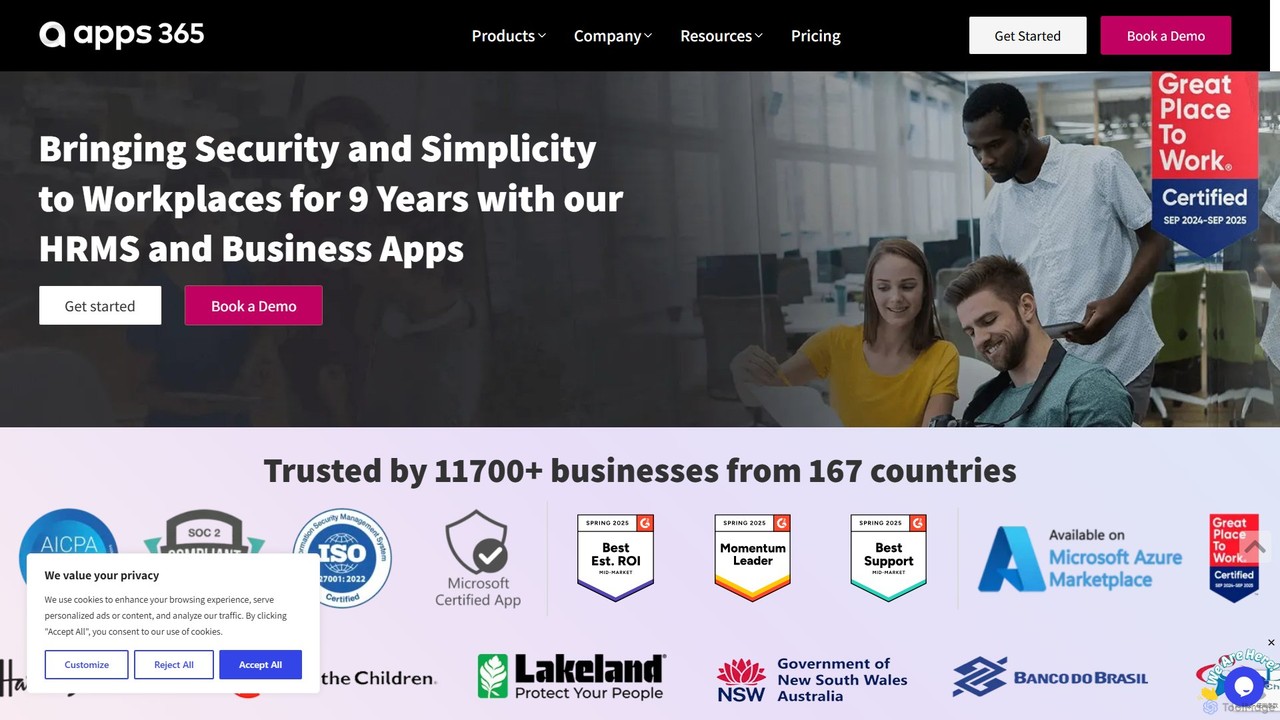
Apps365 offers a suite of AI-powered business and HR applications designed for the Microsoft 365 ecosystem. It provides …

25.9K
DeskDay

DeskDay

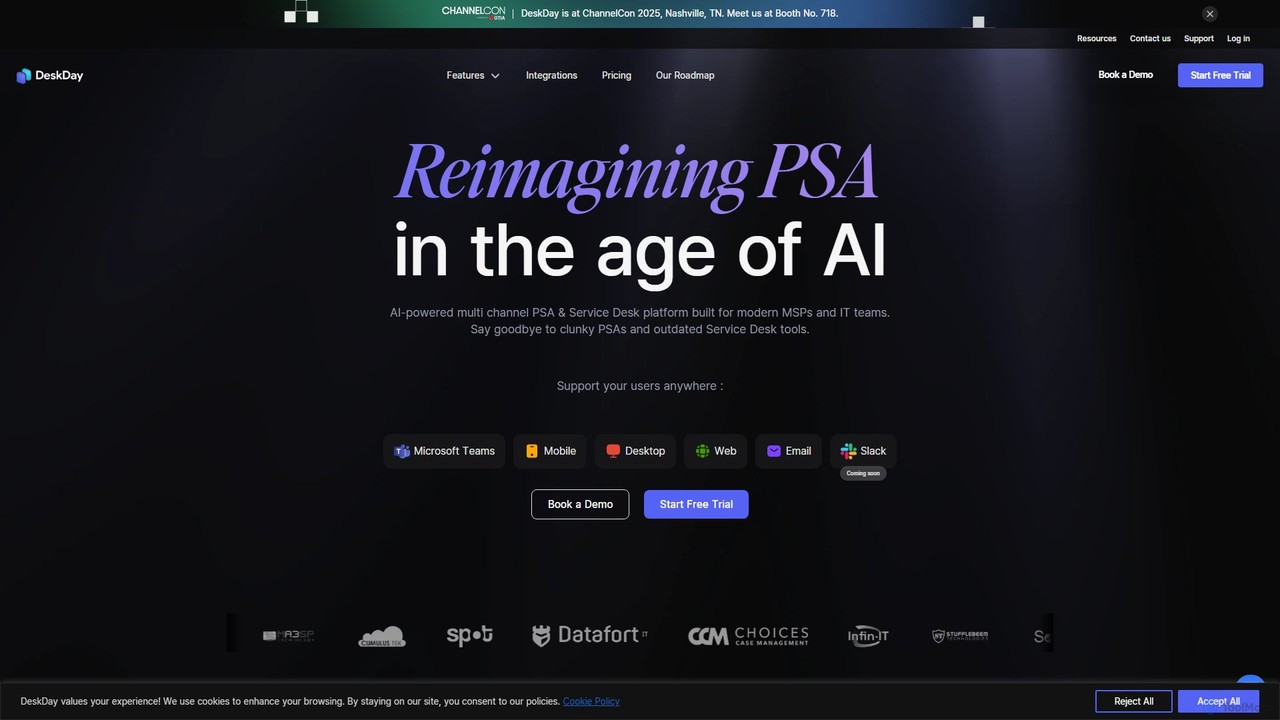
DeskDay is an AI-powered Professional Services Automation (PSA) and Service Desk platform designed for modern MSPs and IT …

17.6K
Leena AI

Leena AI

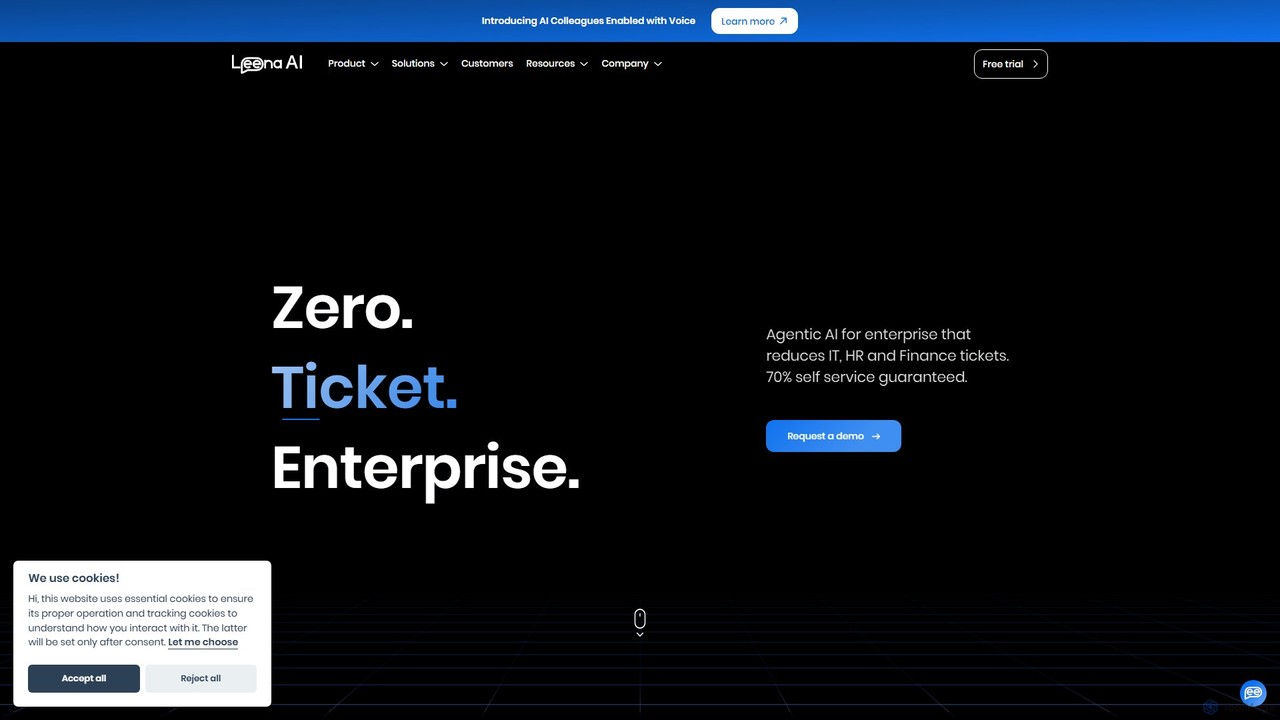
Leena AI is an advanced enterprise platform powered by Agentic AI, designed to create a "zero-ticket" environment. It …

90.4K

About Helpdesk

AI Helpdesk tools are specialized platforms that use artificial intelligence to automate and streamline customer support and IT service management. They leverage Natural Language Processing (NLP) and machine learning to understand, categorize, and route incoming requests from various channels. This enables support teams to resolve issues faster, provide 24/7 self-service options, and gain deeper insights from user interactions. The core value lies in enhancing both agent productivity and customer satisfaction through intelligent automation.

Core Features

  • AI-Powered Ticketing: Automatically categorizes, prioritizes, and assigns support tickets based on content and urgency.
  • Intelligent Knowledge Base: Suggests relevant help articles to users and agents, and helps identify knowledge gaps.
  • Automated Workflows: Creates rules to automate repetitive tasks like sending follow-ups or escalating critical issues.
  • Sentiment Analysis: Analyzes the emotional tone of customer messages to prioritize frustrated or at-risk users.
  • Chatbot Integration: Provides instant, automated responses to common questions across websites and messaging apps.

Use Cases

These tools are essential for businesses of all sizes, particularly in e-commerce, SaaS, and enterprise IT departments. They are used to manage high volumes of customer inquiries, provide internal IT support to employees, and offer proactive assistance to software users.

How to Choose

When selecting an AI Helpdesk, consider its integration capabilities with your existing CRM and communication tools. Evaluate the depth of its AI features, such as sentiment analysis and predictive suggestions. Also, assess its scalability to handle future growth and the flexibility of its workflow automation engine.

HelpdeskUse Cases

1

Automating E-commerce Customer Service

An e-commerce manager for an online apparel store handles hundreds of daily inquiries about order status, returns, and product availability. By implementing an AI Helpdesk, a chatbot on the website instantly answers common questions like "Where is my order?" using real-time data. More complex issues, such as a damaged item report, are automatically converted into tickets, categorized as "Urgent," and routed to the returns department. This reduces response times for simple queries by over 90% and allows human agents to focus on resolving complex customer problems.

2

Streamlining Internal IT Support for Employees

The IT department of a 500-person company is overwhelmed with repetitive requests for password resets, software access, and hardware troubleshooting. Using an AI Helpdesk, employees can submit requests through a central portal or a Slack integration. The AI first suggests relevant articles from the knowledge base, enabling employees to solve many issues themselves. If self-service fails, a ticket is created and automatically assigned to the correct IT specialist based on the issue's category, ensuring faster resolution and reducing the IT team's manual workload.

3

Proactive Support for SaaS Users

A SaaS company wants to reduce churn by improving its user support. Their AI Helpdesk analyzes support tickets and in-app chat logs to identify common points of confusion in their software. The system detects that many new users are asking questions about a specific feature. This insight prompts the support team to create a new tutorial video and knowledge base article, which the helpdesk's chatbot then proactively suggests to users who navigate to that feature. This proactive approach reduces support tickets related to the feature by 40%.

4

Consolidating Multi-Channel Support Communications

A digital marketing agency provides support to clients via email, a contact form on their website, and direct messages on social media. An AI Helpdesk centralizes all these conversations into a single, unified inbox. The AI identifies the client from their email or social handle, merges the conversations, and displays their entire support history to the agent. This provides the agent with full context, preventing clients from having to repeat themselves and ensuring a consistent, high-quality support experience across all channels.

5

Measuring and Improving Agent Performance

A customer support manager needs to objectively evaluate team performance and identify areas for improvement. The AI Helpdesk provides a dashboard with key metrics like first-response time, resolution time, and customer satisfaction (CSAT) scores per agent. The AI goes further by analyzing ticket content to identify trends, such as which agents excel at resolving technical issues versus billing questions. These insights allow the manager to provide targeted coaching and optimize team assignments based on individual strengths.

6

Managing Service Level Agreements (SLAs)

A B2B service provider must adhere to strict Service Level Agreements (SLAs) with its enterprise clients, guaranteeing specific response and resolution times. Their AI Helpdesk is configured with these SLA policies. The system automatically prioritizes tickets from high-value clients and monitors the time elapsed on each ticket. If a ticket is approaching its SLA deadline, the system automatically escalates it to a senior agent or manager and sends notifications, ensuring contractual obligations are met and preventing financial penalties.

HelpdeskFrequently Asked Questions