It Best in category 1 results Performance Monitoring AI Tool

Popular AI tools in the Performance Monitoring field of It include eversql, etc., helping you quickly improve efficiency.

eversql

eversql

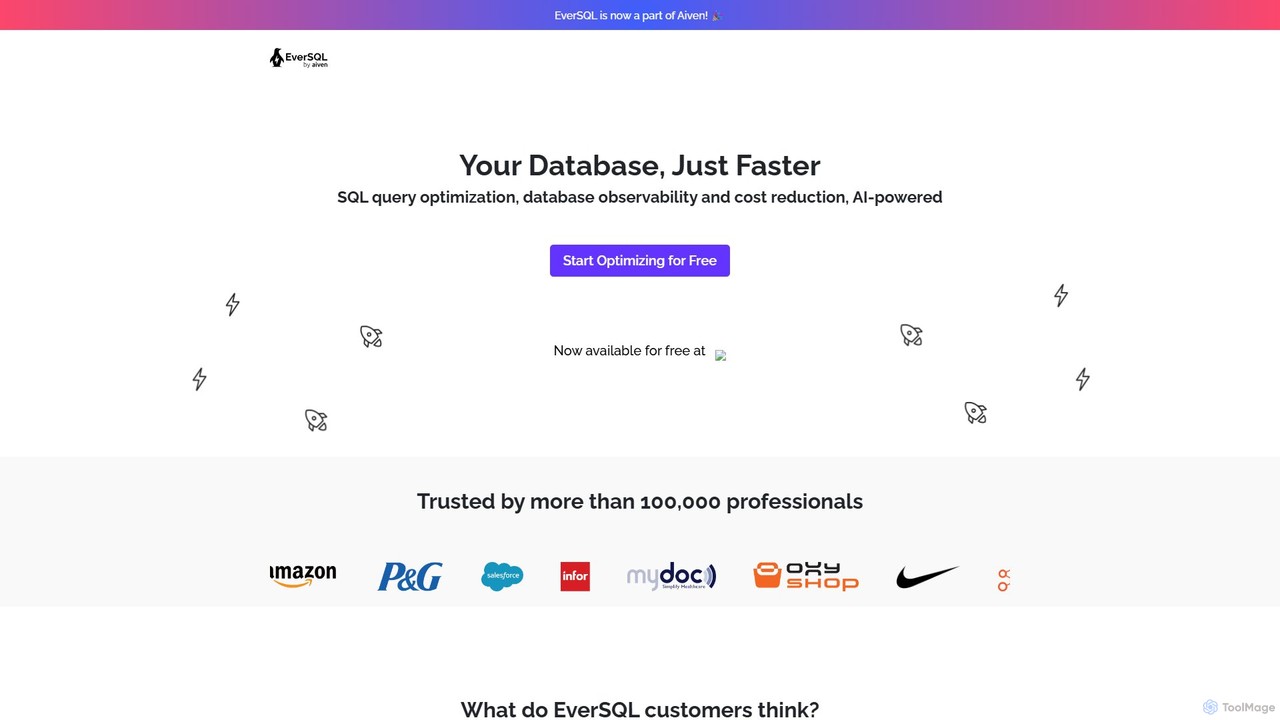
eversql is an AI-powered SQL optimization platform for PostgreSQL and MySQL. It automatically rewrites slow queries, suggests intelligent …

6.2K

About Performance Monitoring

Performance Monitoring tools are AI-powered solutions designed to continuously observe, analyze, and report on the health, speed, and efficiency of IT systems, applications, and infrastructure. Leveraging machine learning algorithms, these tools automatically detect anomalies, predict potential issues, and provide deep insights into system behavior. They are crucial for maintaining optimal operational performance, ensuring high availability, and delivering superior user experiences across complex digital environments. By providing real-time visibility and intelligent insights, they empower teams to proactively manage system health and prevent costly downtime.

Core Features

  • Real-time Data Collection: Gathers metrics, logs, and traces from various sources in real-time for immediate analysis.
  • Anomaly Detection: Uses AI to identify unusual patterns or deviations from normal behavior, often before they impact users.
  • Predictive Analytics: Forecasts future performance issues or resource needs based on historical data and trends.
  • Root Cause Analysis: Helps pinpoint the exact source of performance problems by correlating events across different system components.
  • Customizable Dashboards & Alerts: Provides tailored views of key metrics and notifies teams of critical events through various channels.

Applicable Scenarios

Performance Monitoring tools are indispensable for IT operations teams, DevOps engineers, and site reliability engineers (SREs) managing critical applications and infrastructure. They are used in scenarios requiring high availability, such as e-commerce platforms during peak seasons, financial trading systems, and large-scale cloud deployments, to proactively identify and resolve performance bottlenecks.

How to Choose

When selecting a Performance Monitoring tool, consider its scope (application, infrastructure, network), integration capabilities with existing IT ecosystems, the granularity and types of data it collects, and its AI-driven analytics features like anomaly detection and predictive insights. Evaluate scalability, ease of deployment, reporting capabilities, and the clarity of its alerting system to ensure it meets your specific operational needs and budget.

Performance MonitoringUse Cases

1

Proactive Anomaly Detection in Web Applications

For DevOps teams managing high-traffic web applications, AI performance monitoring tools continuously analyze user response times, server loads, and error rates. They automatically flag unusual spikes or drops in metrics, such as a sudden increase in database query latency or a decrease in API response speed, allowing engineers to investigate and resolve issues before they escalate into outages or significantly impact user experience.

2

Optimizing Cloud Resource Utilization

Cloud architects and finance teams use these tools to monitor resource consumption (CPU, memory, network I/O) across their cloud infrastructure. AI-driven insights identify underutilized instances for downsizing or overutilized resources requiring scaling, providing recommendations to optimize costs while maintaining performance. This ensures efficient allocation of cloud spend and prevents unexpected billing surges.

3

Predictive Maintenance for IT Infrastructure

IT operations managers leverage AI performance monitoring to predict hardware failures or capacity bottlenecks in servers, storage, and network devices. By analyzing historical performance data and identifying subtle degradation patterns, the tools can alert teams to potential issues days or weeks in advance, enabling scheduled maintenance and upgrades, thereby minimizing unplanned downtime and service disruptions.

4

Ensuring SLA Compliance for Critical Services

Service owners and SREs utilize these tools to continuously track key performance indicators (KPIs) against defined Service Level Agreements (SLAs) for critical business services. The AI capabilities help in understanding the root cause of any SLA breaches by correlating performance metrics with underlying infrastructure or application events, facilitating rapid resolution and preventing future violations.

5

Performance Baseline Establishment and Drift Detection

Development and QA teams use performance monitoring to establish normal operating baselines for new application releases. Post-deployment, the AI continuously compares current performance against these baselines, automatically detecting "performance drift" – subtle, gradual degradations that might otherwise go unnoticed. This helps in identifying regressions introduced by new code or configuration changes.

6

Real-time User Experience Monitoring

Product managers and marketing teams employ these tools to gain insights into actual user experience by monitoring metrics like page load times, interactive response, and geographical performance. AI can segment user groups and identify performance disparities, helping prioritize optimizations that directly impact user satisfaction and conversion rates, ensuring a smooth and engaging digital journey for all users.

Performance MonitoringFrequently Asked Questions