ToolMage
Sign in

Best 6,161 Marketing AI tools

Popular Marketing AI tools include Canva, Adobe, Shopify, Intuit, Salesforce, boundlessai, Shutterstock, Vimeo, Grammarly, and Hostinger, helping you work more efficiently.

DataSavvy.chat
Freemium

DataSavvy.chat

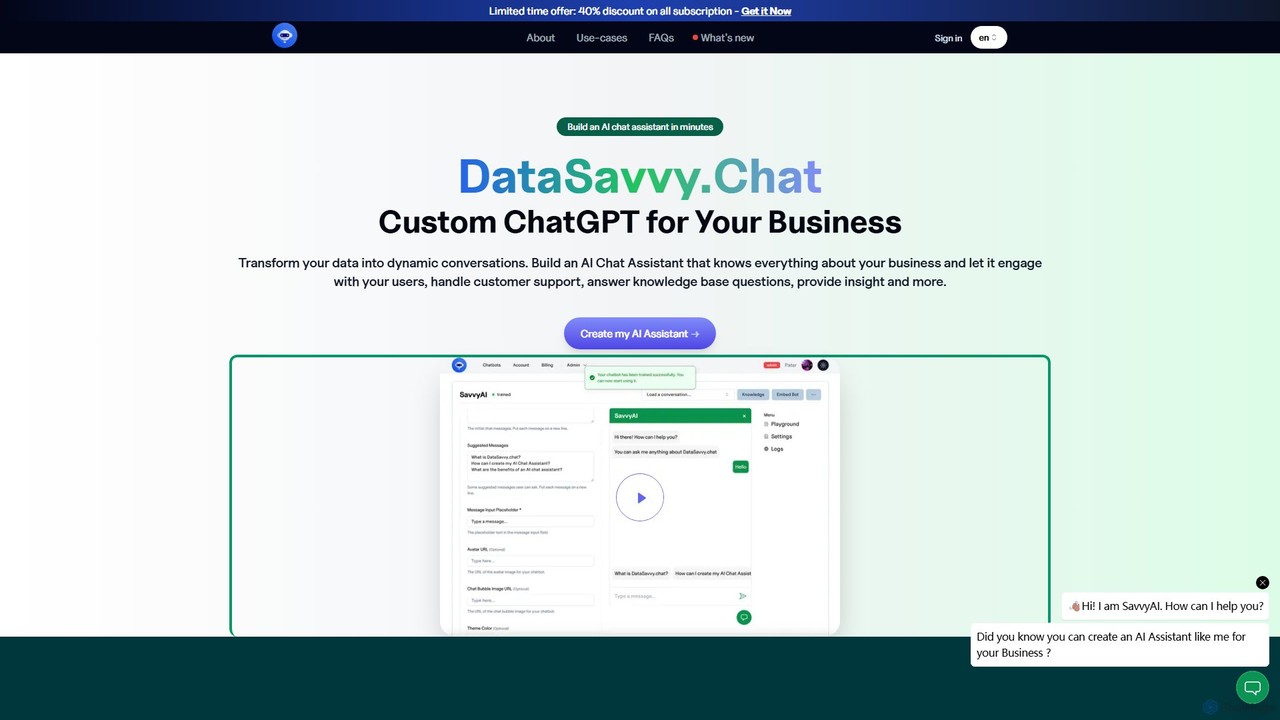
DataSavvy.chat is a no-code platform that allows businesses to create custom AI chat assistants in minutes. By training on your own data, such as documents, FAQs, and knowledge bases, you can build a chatbot that handles customer support, generates leads, provides data insights, and more. It offers multilingual support, 24/7 availability, and customizable appearances to seamlessly integrate with your website and enhance user engagement.

Chatbot
Visits 7KFavorites 155Likes 142
atomicelevator
Freemium

atomicelevator

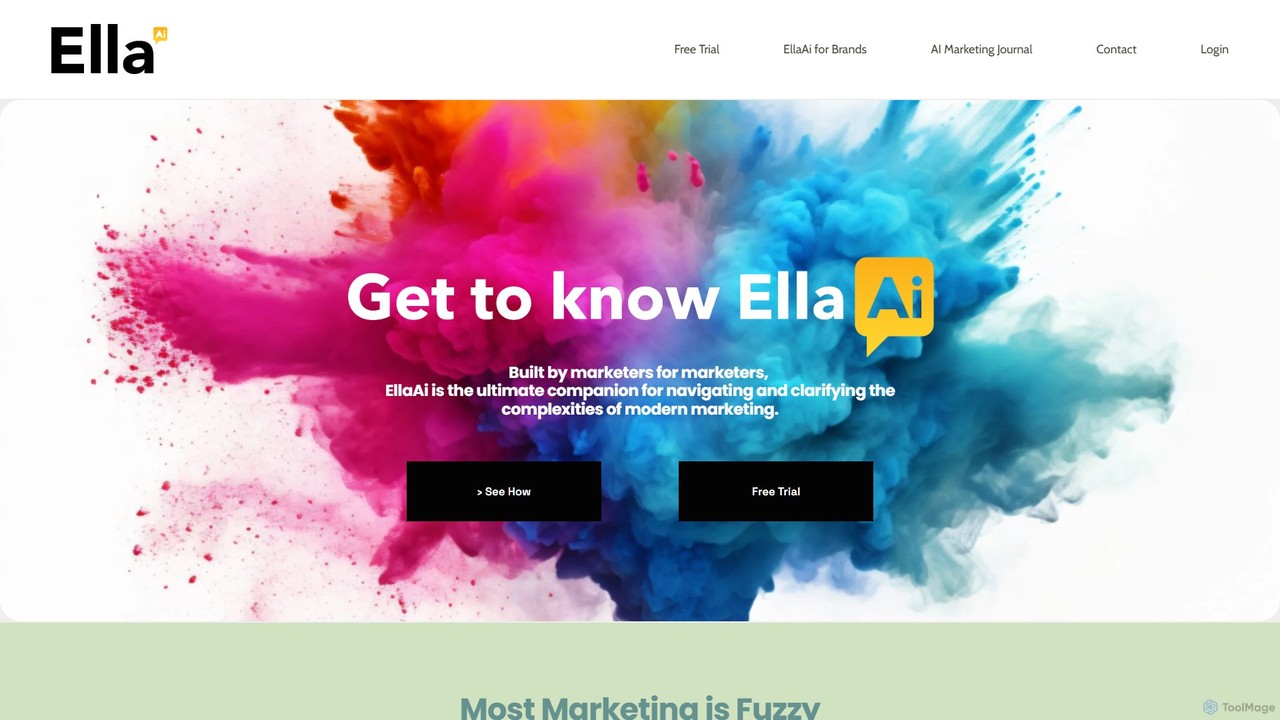
Atomic Elevator's EllaAi is an AI-powered marketing strategy platform designed for marketers, fCMOs, and agencies. It transforms fuzzy marketing into "High-Definition Marketing™" by helping you audit brands, build interconnected strategies (personas, value props), and generate precisely aligned content using expert-built playbooks and templates. Create a custom "Brand Bot" to ensure consistent, on-brand messaging across all channels.

Brand Management
Visits 6KFavorites 136Likes 134
Marketer
Paid

Marketer

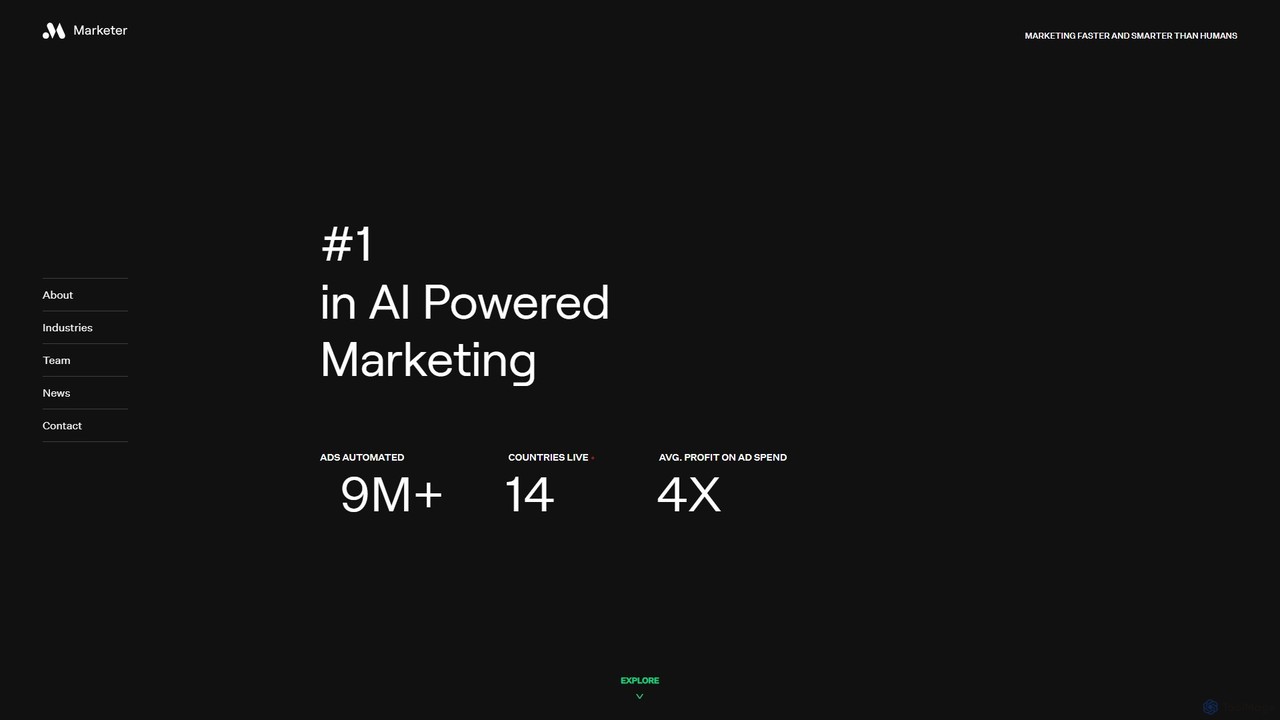
Marketer is an AI-powered marketing platform designed for the real estate and e-commerce industries. It automates digital advertising, creates stunning 3D visualizations for properties, and provides data-driven insights to optimize campaigns, boost sales, and maximize ROI on ad spend.

Advertising
Visits 33.4KFavorites 163Likes 173
ai_quizzes
Freemium

ai_quizzes

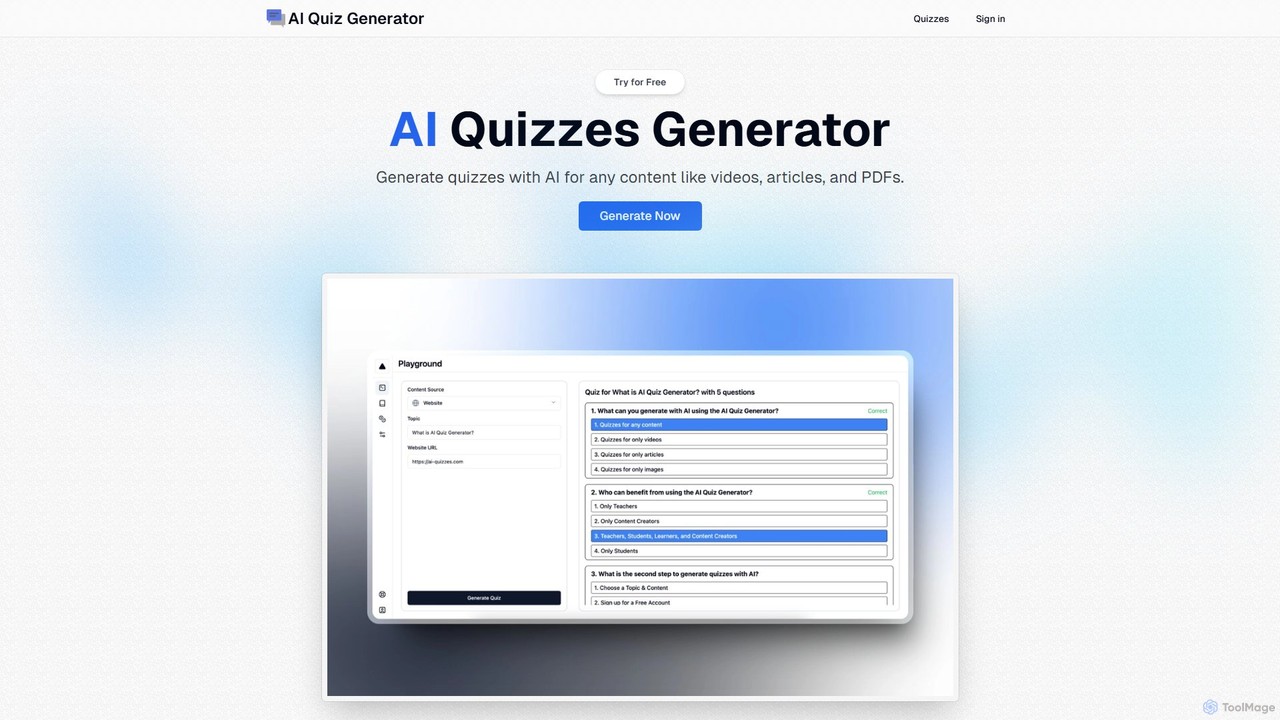
ai_quizzes is an AI-powered quiz generator that instantly creates engaging and interactive quizzes from any topic, text, or PDF file. Designed for teachers, students, content creators, and lifelong learners, it simplifies assessment creation, enhances study sessions, and boosts audience engagement in seconds.

Assessment
Visits 6KFavorites 136Likes 131
obviyo
Freemium

obviyo

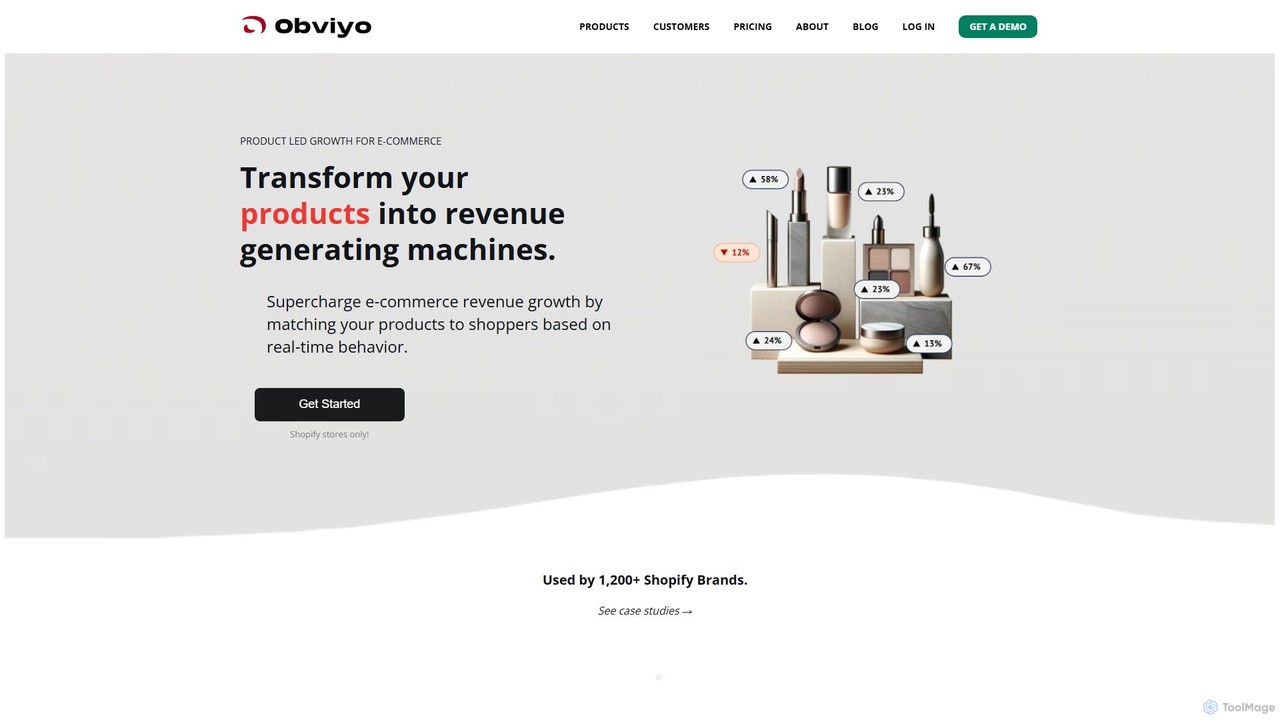
obviyo is an AI-powered Product-Led Growth platform designed exclusively for Shopify stores. It boosts e-commerce revenue by personalizing the shopping experience in real-time. Using AI 'Growth Bots', it matches products to shoppers based on their behavior, significantly increasing metrics like ROAS, revenue per visit, and customer lifetime value without requiring any coding.

Personalization
Visits 7.9KFavorites 121Likes 113
TopRatedAITools
Freemium

TopRatedAITools

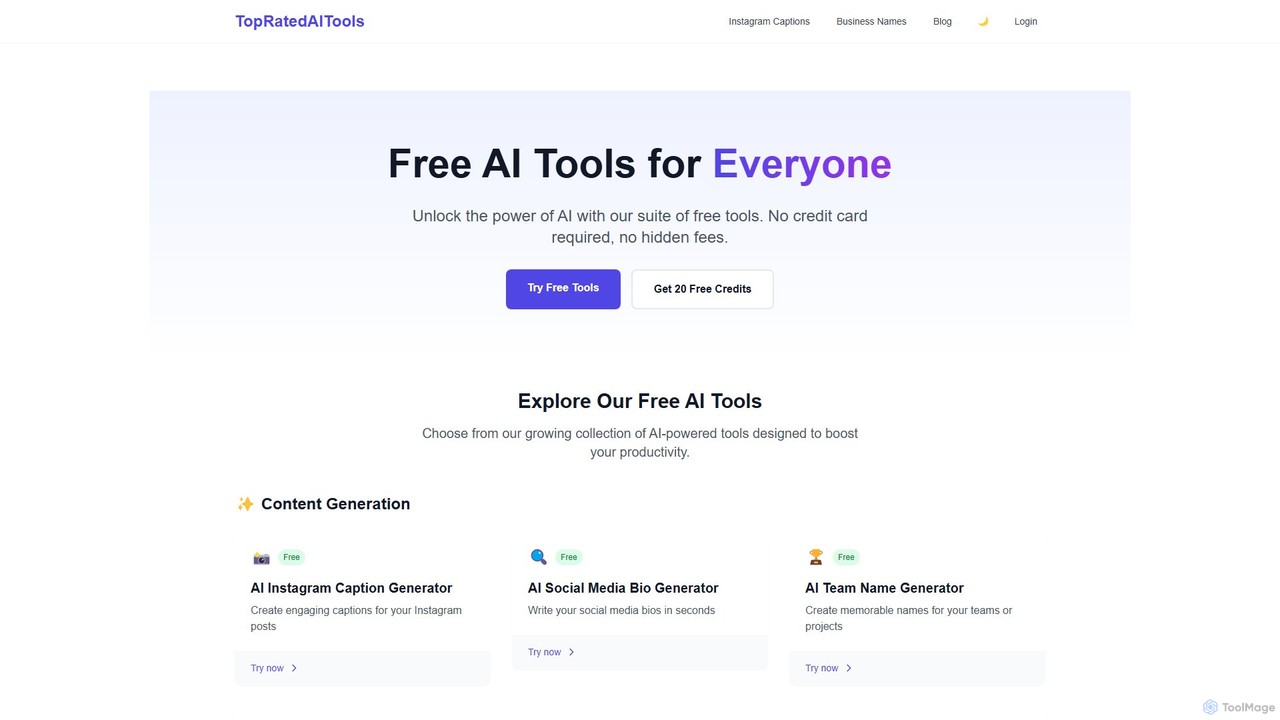
A versatile suite of free AI micro-tools designed to boost productivity and creativity. It offers a wide range of generators for content creation, business naming, creative writing, social media, and more, all accessible through a simple, user-friendly interface, with many features requiring no login.

Miscellaneous
Visits 5.9KFavorites 168Likes 174
Fast.io
Freemium

Fast.io

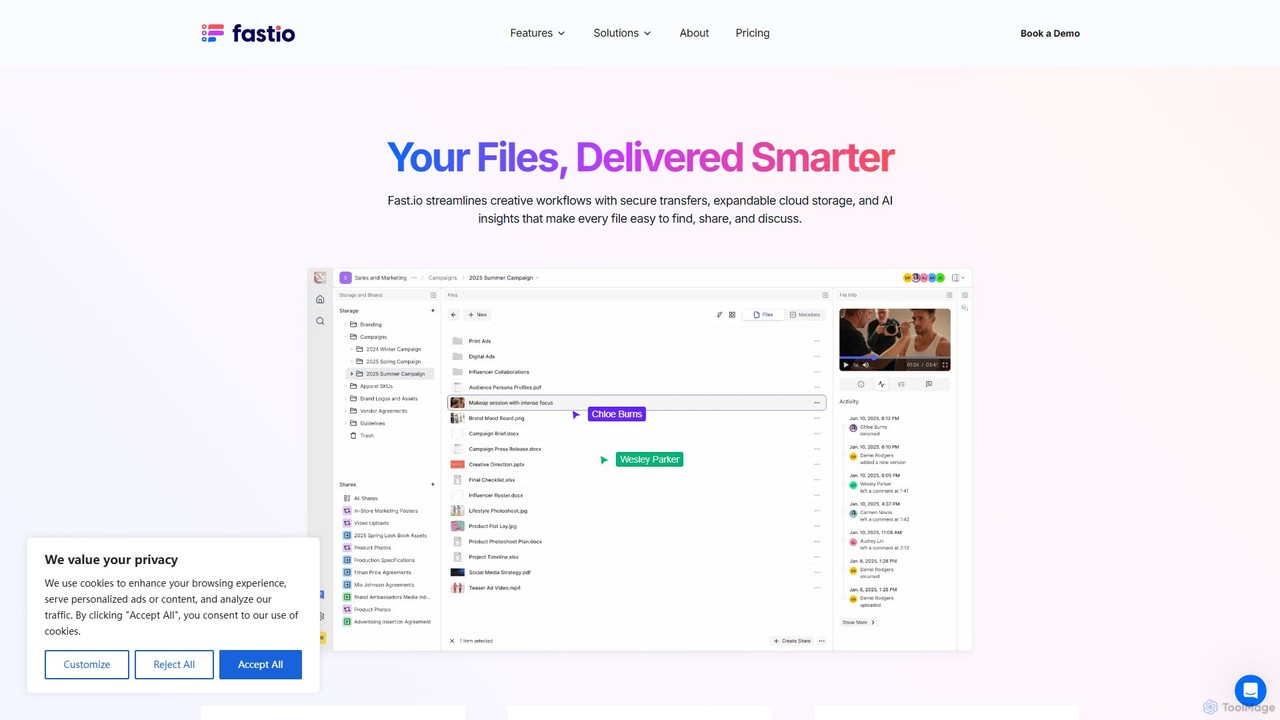
Fast.io is an intelligent file management platform that streamlines creative workflows. It offers secure file transfers, expandable cloud storage, and powerful AI insights to help teams find, share, and collaborate on digital assets effortlessly.

Digital Asset Management
Visits 177.2KFavorites 150Likes 144
FeedbackStream
Freemium

FeedbackStream

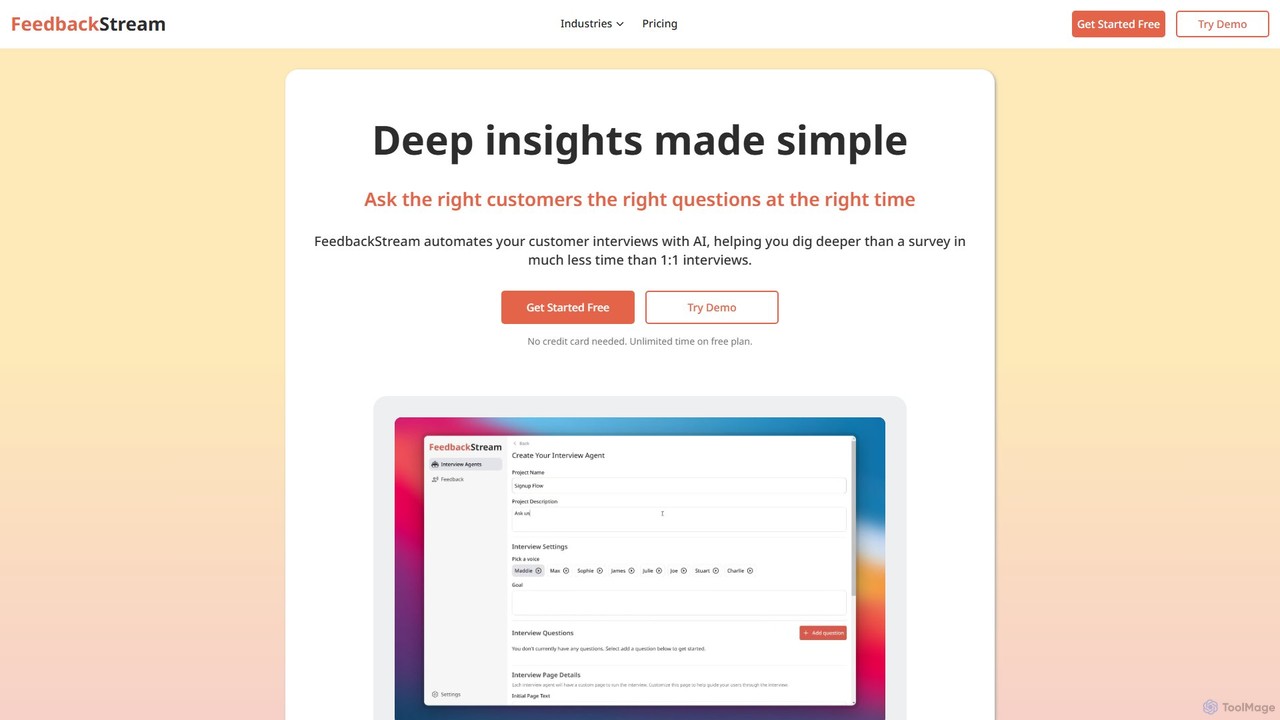
FeedbackStream is an AI-powered platform that automates customer interviews, enabling businesses to gather deep, qualitative insights at scale. It replaces time-consuming 1:1 interviews and shallow surveys with AI agents that conduct meaningful conversations with your customers anytime, anywhere. Get unbiased feedback, automated summaries, and actionable insights delivered directly to your inbox.

Feedback Collection
Visits 6.3KFavorites 146Likes 134
ScriptMe
Freemium

ScriptMe

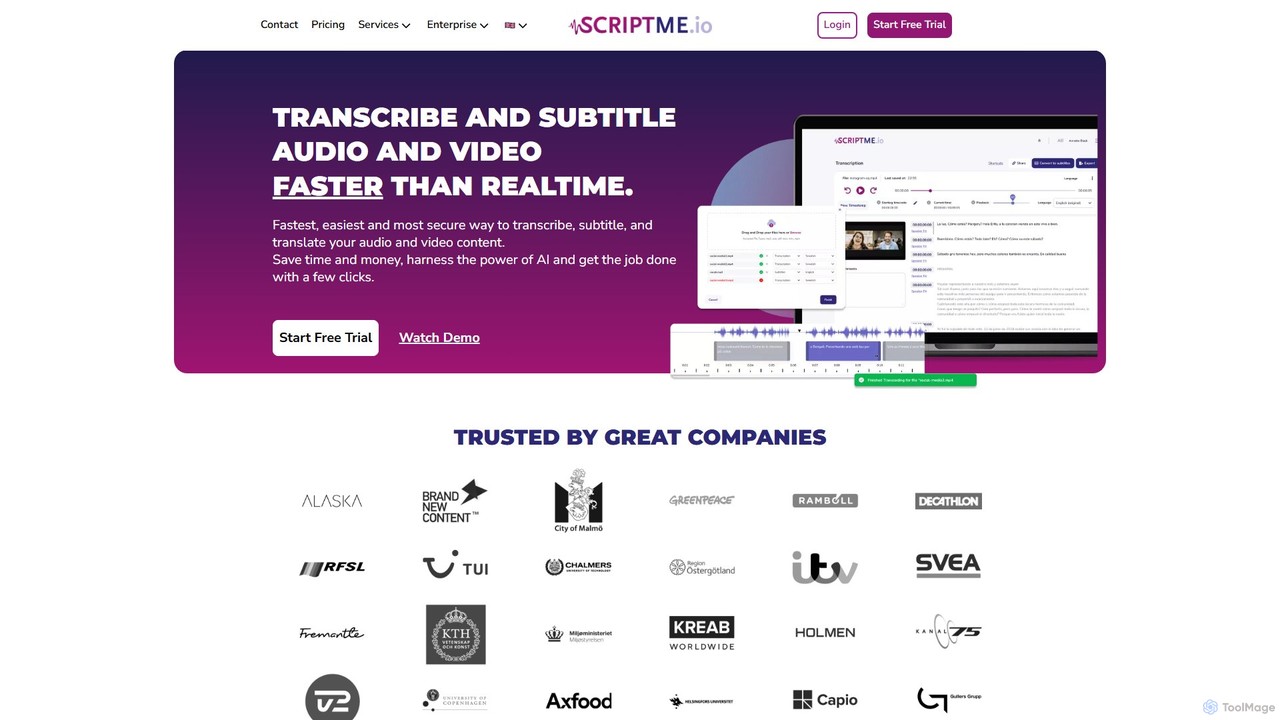
ScriptMe is an AI-powered platform for fast and accurate automatic transcription of audio and video files. It also provides tools for generating and editing subtitles, making it ideal for content creators, journalists, researchers, and media companies looking to streamline their workflow and improve content accessibility.

Transcription
Visits 177.5KFavorites 154Likes 140
Rendora
Freemium

Rendora

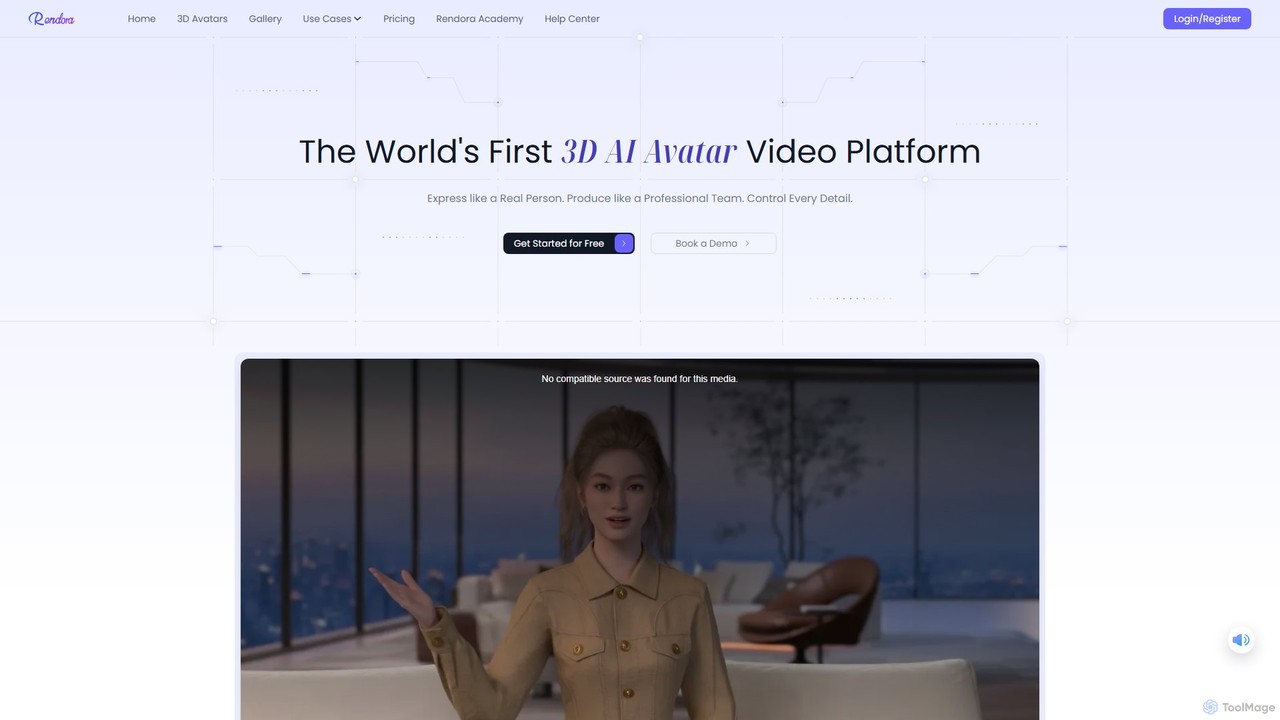
Rendora is a pioneering 3D AI avatar video generation platform that enables users to create studio-quality videos in minutes without cameras or editing. Simply input a script, and Rendora's AI engine generates a complete video with a hyper-realistic 3D avatar, lifelike animations, natural voiceovers, and dynamic camera movements. It offers over 3,000 customizable avatars and extensive templates, making professional video production accessible for marketing, education, and news.

E Learning
Visits 12.5KFavorites 102Likes 119
my-portfolio.it
Freemium

my-portfolio.it

my-portfolio.it is an AI-powered platform that enables users to create stunning, professional online portfolios in minutes. Leveraging AI for content generation, design suggestions, and SEO optimization, it's perfect for freelancers, creatives, and job seekers to showcase their work without any coding skills.

Job Search
Visits 5.8KFavorites 166Likes 151
pandalyst
Freemium

pandalyst

Pandalyst is an AI-powered data analysis platform that transforms how you interact with data. Ask questions in natural language and receive instant visualizations, insights, and reports. It automates complex data tasks, making business intelligence accessible to everyone, from analysts to business leaders, without writing a single line of code.

Low Code No Code
Visits 6KFavorites 179Likes 171
Databar.ai
Freemium

Databar.ai

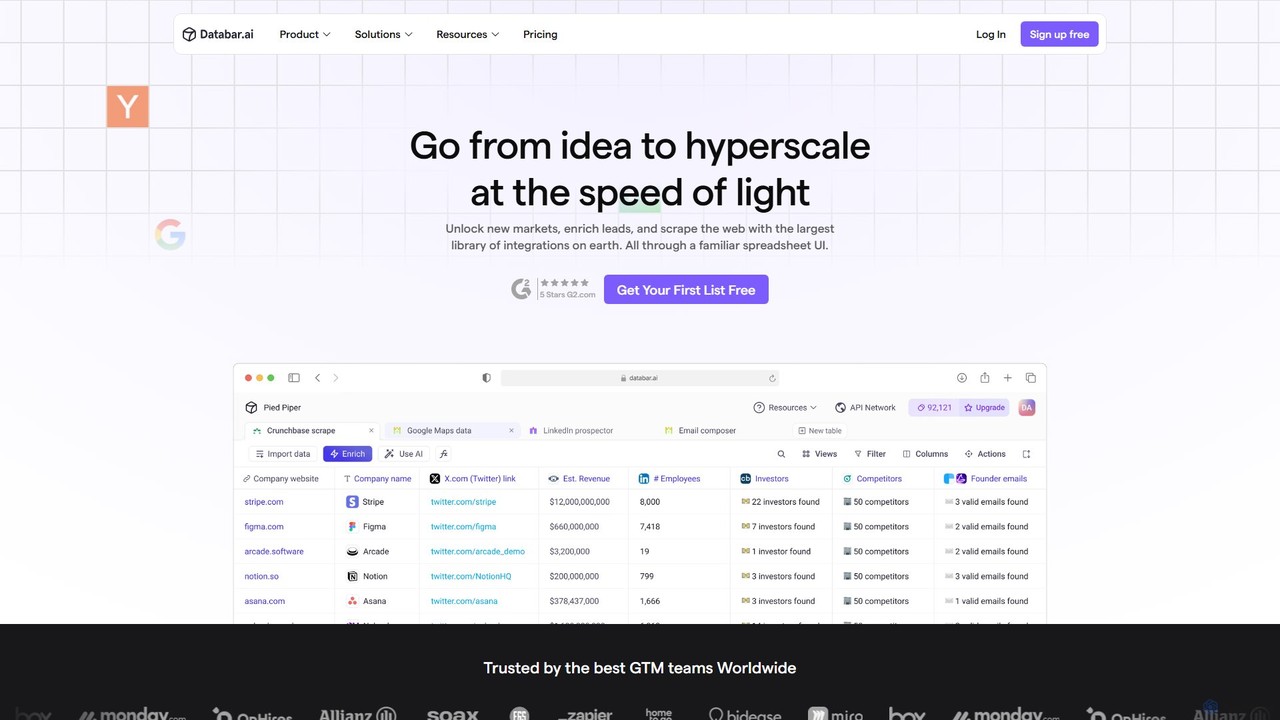
Databar.ai is a no-code data platform that empowers users to enrich data, automate research, and scrape the web by connecting to over 100 APIs through an intuitive spreadsheet interface. It's designed for sales, marketing, and GTM teams to build lead lists, personalize outreach, and conduct market research without writing any code.

Web Scraping
Visits 58.5KFavorites 123Likes 108
Tely AI
Paid

Tely AI

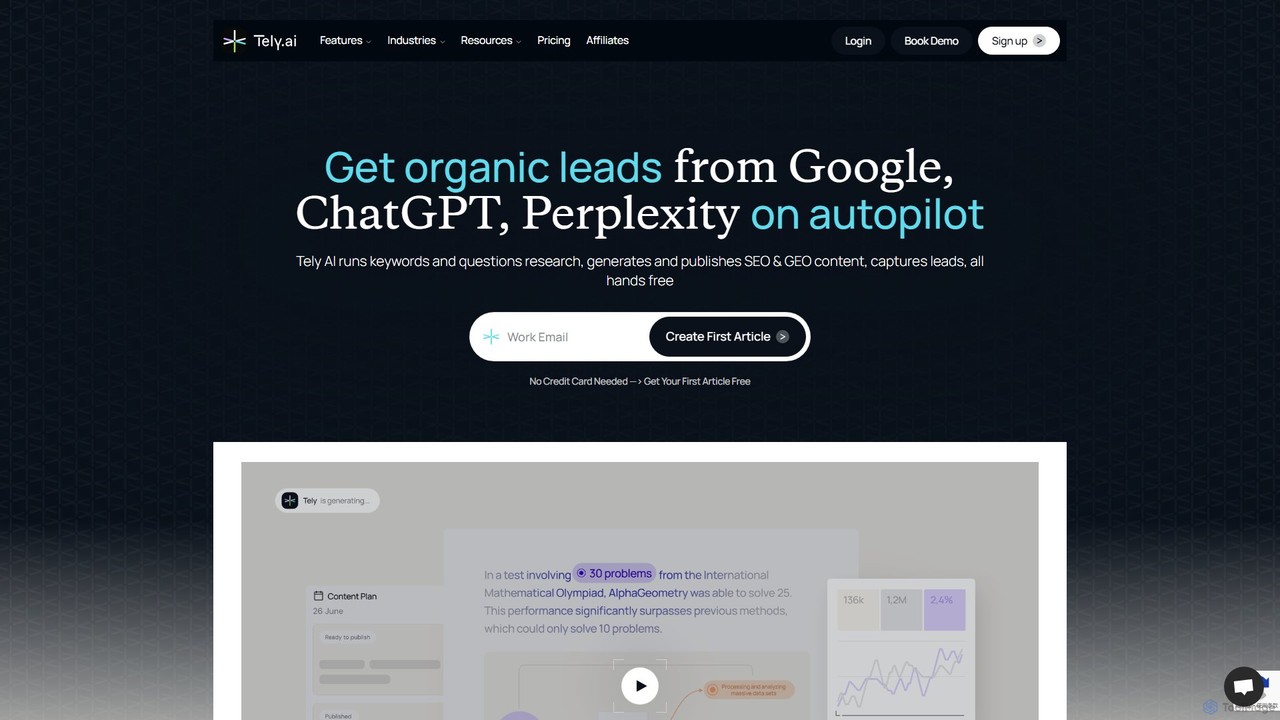
Tely AI is an autonomous AI platform that automates your entire content marketing strategy. It handles keyword research, generates expert-level SEO content, publishes articles automatically, and captures leads to drive organic growth and boost conversions, all without needing a dedicated team.

Writing
Visits 55.2KFavorites 125Likes 118
Osum
Freemium

Osum

Osum is an AI-powered market research platform that delivers deep competitive analysis and customer insights in seconds. It automates data collection and analysis to help businesses identify untapped growth opportunities, understand market trends, and make smarter strategic decisions without the need for extensive manual research.

Competitor Analysis
Visits 6KFavorites 117Likes 119
Gracker
Freemium

Gracker

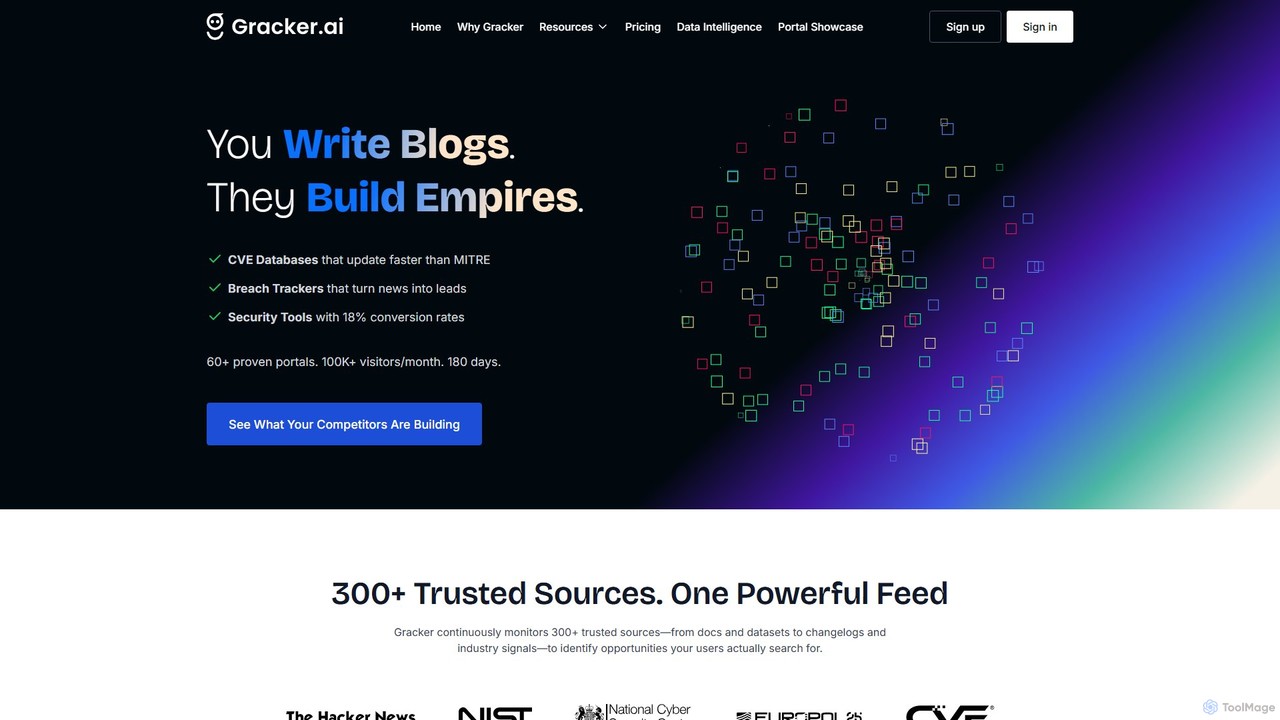
Gracker is an AI-powered programmatic SEO (pSEO) platform designed for B2B growth, especially in technical industries like cybersecurity. It automates the creation of high-utility content such as interactive tools, directories, and data-driven portals, transforming your product data into search-dominating assets. Gracker handles everything from idea generation to deployment and continuous optimization, enabling teams to scale content and drive high-intent traffic without manual writing or coding.

No Code
Visits 104.6KFavorites 124Likes 119
247.ai
Paid

247.ai

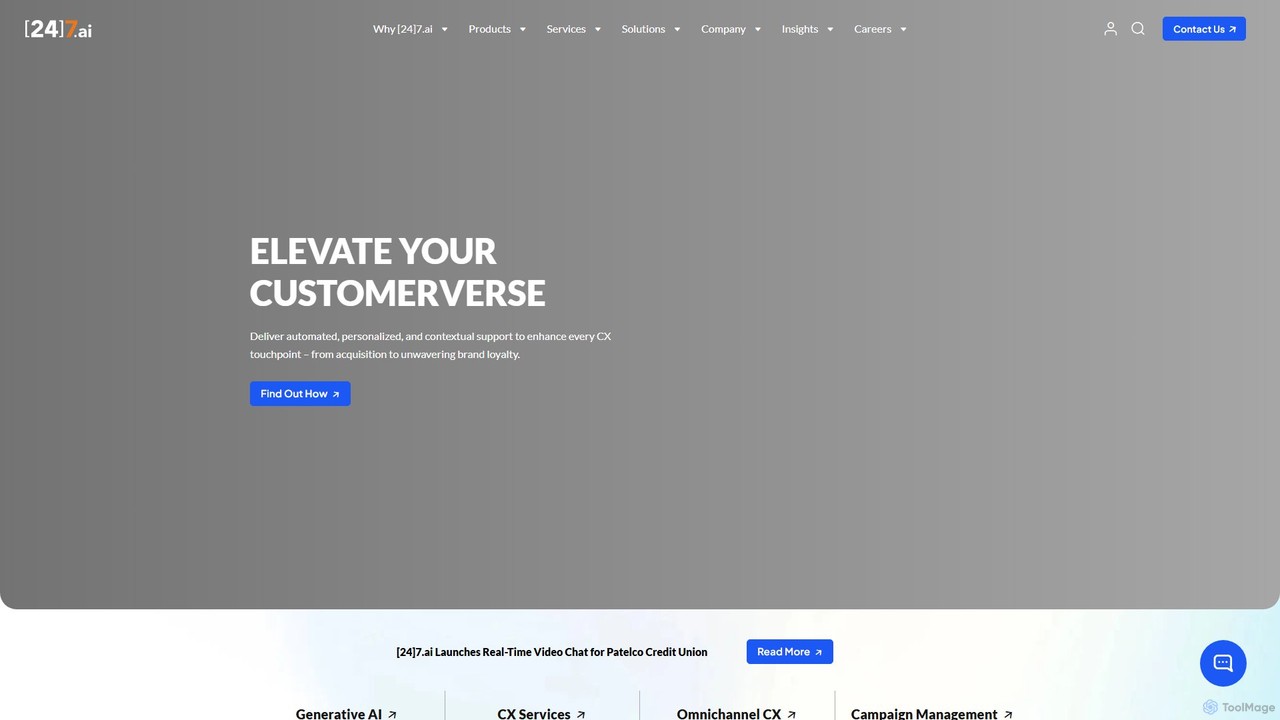
247.ai is an enterprise-grade, AI-powered Customer Experience (CX) platform designed to automate and personalize customer interactions across all channels. It combines generative AI, automation, and human agent support to enhance customer journeys, from acquisition to loyalty. The platform provides omnichannel solutions, including AI chatbots, agent assist tools, and advanced analytics to improve contact center performance and drive business growth.

Ai Chatbots
Visits 47.7KFavorites 142Likes 137
Bidmatic
Paid

Bidmatic

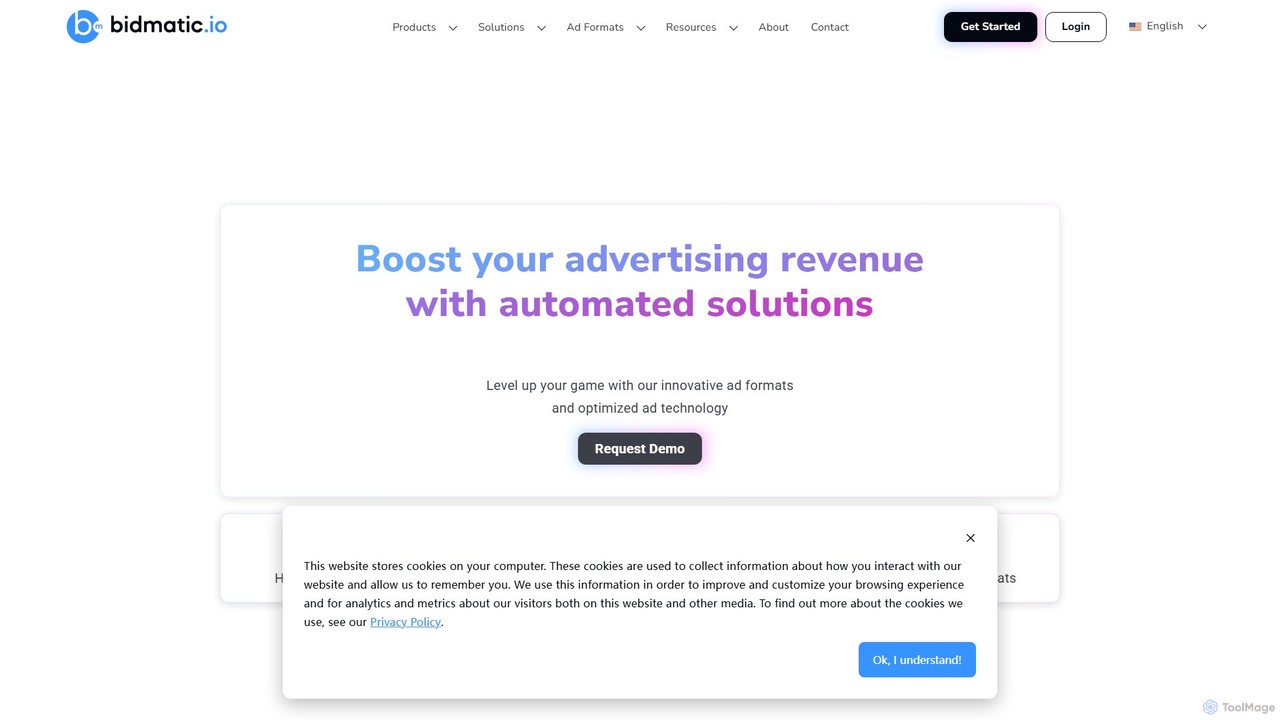
Bidmatic is an AI-powered ad monetization platform for digital publishers. It leverages advanced header bidding, automated video ad creation, and AI-driven optimization to significantly boost advertising revenue (80-300%) while maintaining high site speed and a positive user experience. It offers full-service ad management and transparent reporting.

Monetization
Visits 24KFavorites 136Likes 136
UnifiedStacks
Freemium

UnifiedStacks

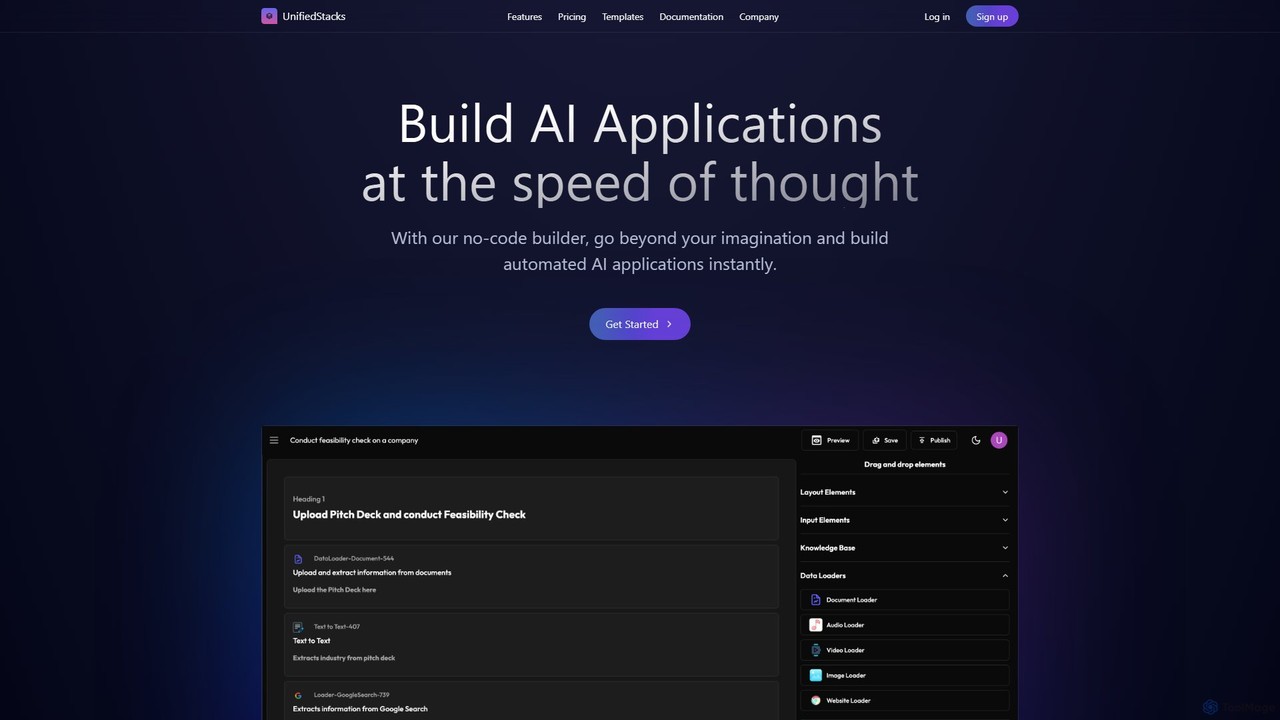
UnifiedStacks is an intuitive no-code platform that allows users to build and deploy production-ready AI applications instantly. Using a drag-and-drop builder, you can connect to internal data, access state-of-the-art AI models, and automate complex workflows across various business functions without writing a single line of code.

Ai App Builder
Visits 6.5KFavorites 141Likes 154
BravoClient
Freemium

BravoClient

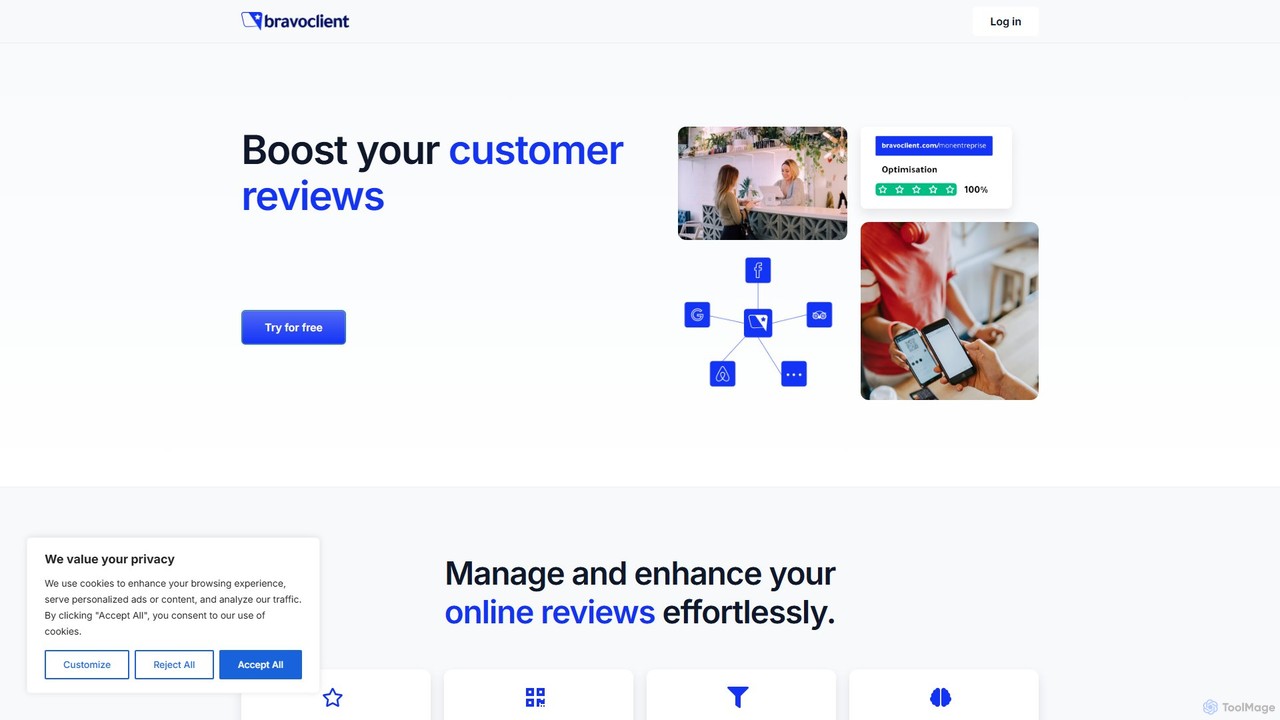
BravoClient is an AI-powered platform designed to help businesses manage their online reviews, enhance their reputation, and drive growth. It centralizes reviews from various platforms, automates responses with AI, and simplifies review collection through personalized QR codes and links. This tool is ideal for businesses of all sizes looking to improve customer trust and increase revenue by leveraging social proof.

Reputation Management
Visits 7.5KFavorites 130Likes 124
living.so
Paid

living.so

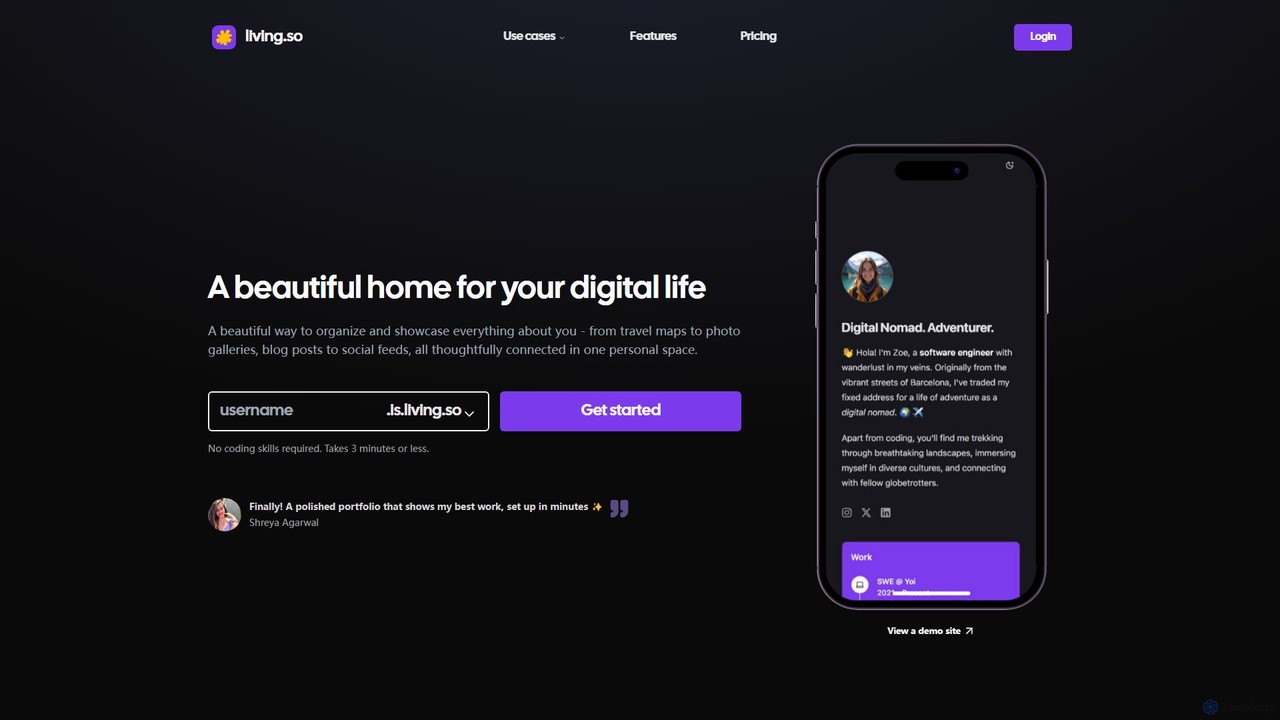
living.so is an AI-powered platform for creating a beautiful, all-in-one personal website. It combines a portfolio, blog, and link hub into a single, elegant space to showcase your digital life, from travel maps and photo galleries to social feeds and career milestones, all without any coding.

Personal Branding
Visits 8.8KFavorites 169Likes 135
pagen.so
Freemium

pagen.so

pagen.so is an AI-powered landing page builder that enables users to create high-converting, professionally designed web pages in minutes without any coding. It's designed for marketers, startups, and businesses to quickly launch campaigns, validate ideas, and generate leads with AI-driven content and design.

Content Generation
Visits 5.9KFavorites 137Likes 154
Modelia
Freemium

Modelia

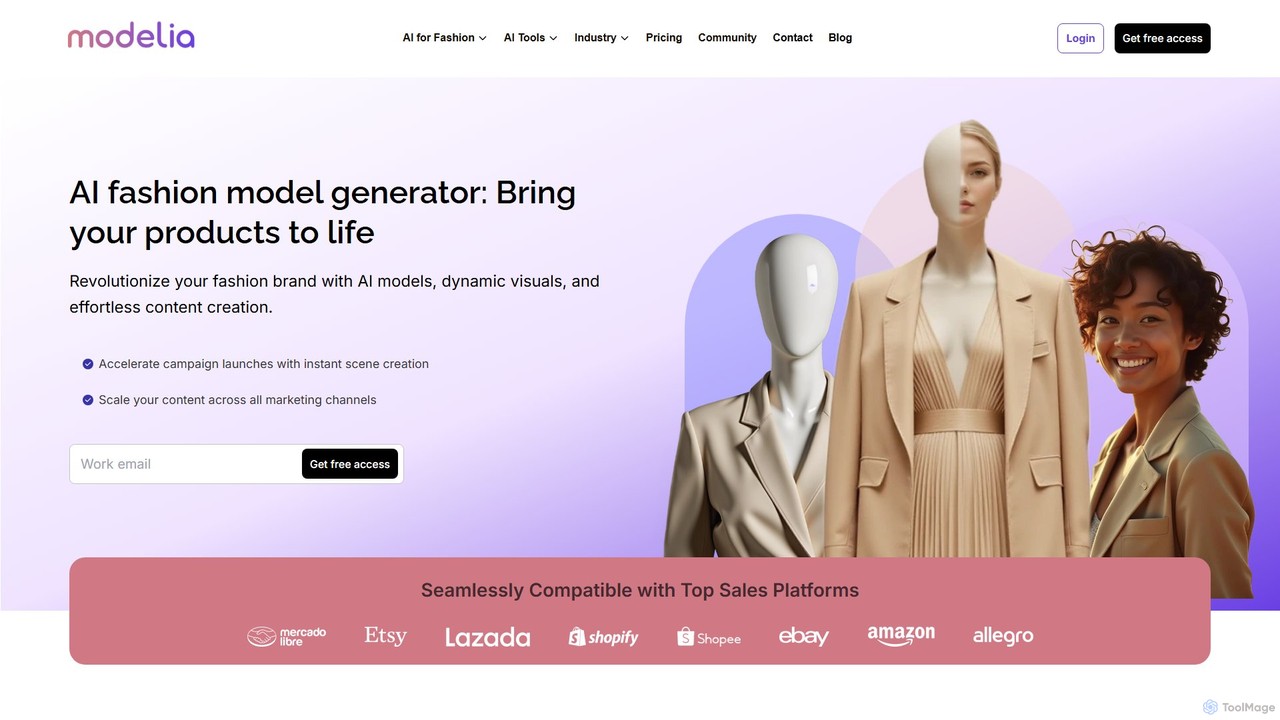
Modelia is an AI-powered fashion model generator for e-commerce brands and marketers. It creates hyper-realistic images and videos of models wearing your apparel, eliminating the need for traditional photoshoots. Upload a garment image, customize your model and background, and instantly generate high-quality, on-brand visuals. This streamlines content creation, significantly cuts production costs, and accelerates campaign launches, revolutionizing how fashion products are marketed online.

Product Images
Visits 44.8KFavorites 150Likes 135
aicado
Freemium

aicado

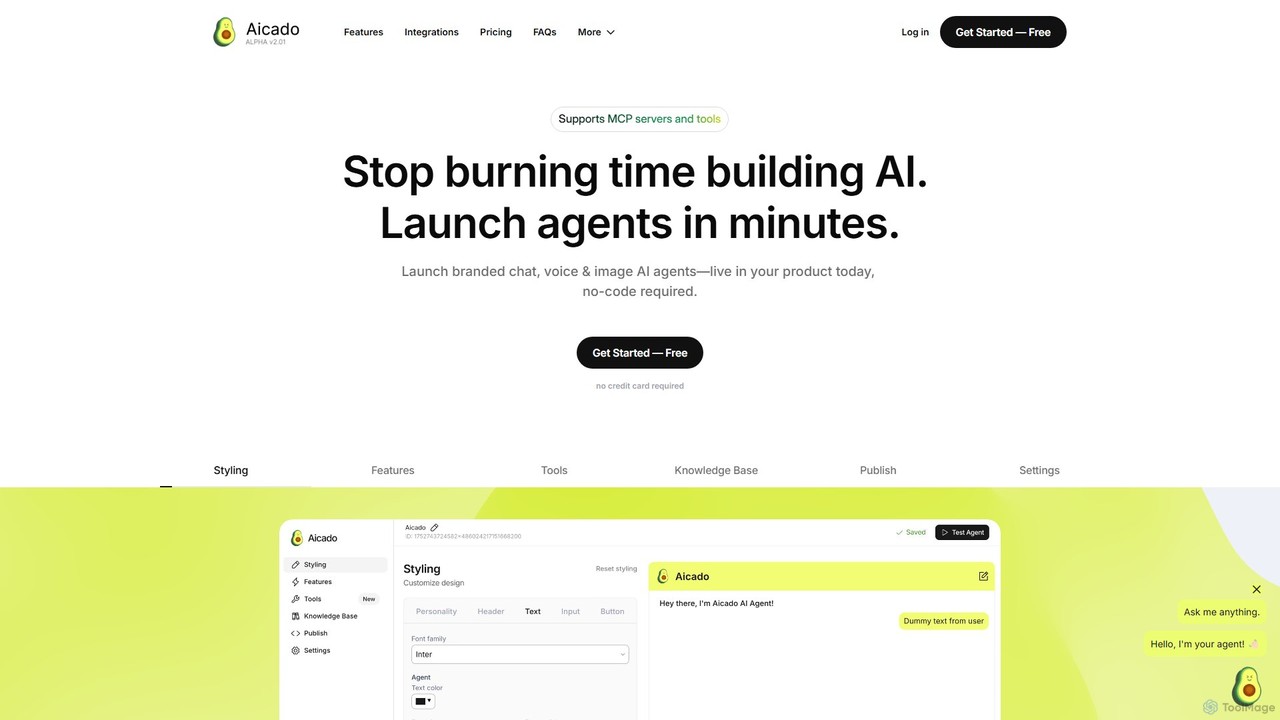
Aicado is a no-code platform that enables businesses to build and launch custom-branded AI agents for chat, voice, and image generation. Integrate AI into your product or website in minutes by training agents on your own data, connecting to external tools, and fully customizing the user interface. It's designed for simplicity, speed, and powerful integration without requiring any technical expertise.

Chatbots
Visits 31.4KFavorites 125Likes 129

About Marketing

AI Marketing tools are a class of software that leverages artificial intelligence to automate, analyze, and optimize marketing strategies. These tools utilize machine learning and natural language processing to interpret vast amounts of data, enabling predictive analytics, content personalization, and dynamic campaign adjustments. By providing data-driven insights and automating repetitive tasks, they empower marketers to improve campaign performance, enhance customer engagement, and achieve a higher return on investment (ROI). This technology allows for more precise targeting and a deeper understanding of consumer behavior.

Core Features

  • Predictive Analytics: Forecasts customer behavior, churn rates, and campaign outcomes based on historical data.
  • Content Personalization: Dynamically tailors website content, emails, and ads to individual user preferences.
  • Ad Campaign Optimization: Automates bidding, targeting, and creative testing for digital advertising platforms.
  • Customer Segmentation: Uses AI to group customers into micro-segments based on complex behavioral patterns.
  • SEO & Content Strategy: Analyzes search trends and competitor data to recommend topics and optimize content for higher rankings.

Use Cases

AI Marketing tools are widely used by digital marketing agencies, e-commerce businesses, and corporate marketing departments. They are integral for roles such as social media managers, SEO specialists, and campaign managers who need to process large datasets to make informed decisions. For instance, an e-commerce store can use AI to recommend products in real-time, while a B2B company can predict which leads are most likely to convert.

How to Choose

When selecting an AI Marketing tool, consider its integration capabilities with your existing CRM, analytics platforms, and ad networks. Evaluate the scope of its features—whether you need a comprehensive suite or a specialized tool for a specific task like SEO or email marketing. Also, assess the user interface's complexity and the level of technical expertise required. Finally, review the pricing model to ensure it aligns with your budget and scales with your business needs.

Featured tool rankings

Marketing use cases

1

Automated Social Media Content Strategy

For social media managers handling multiple accounts, AI marketing tools can automate content scheduling and analysis. Instead of manually guessing the best times to post, the AI analyzes historical engagement data for each platform (like Instagram, Twitter, or LinkedIn) to identify peak audience activity hours. The tool can then automatically schedule posts for optimal reach and interaction. Furthermore, it can analyze content performance, providing insights on which topics, formats, and hashtags resonate most with the audience, helping to refine future content strategies and save hours of manual data analysis each week.

2

Personalized Email Marketing at Scale

An e-commerce marketing manager can use AI to move beyond simple name personalization in email campaigns. The AI tool integrates with the store's customer data platform to analyze browsing history, past purchases, and cart abandonment. Based on this, it automatically populates email templates with personalized product recommendations, dynamic discount offers, or relevant blog content for thousands of subscribers. This creates a unique experience for each recipient, significantly increasing open rates, click-through rates, and ultimately, conversion rates, without requiring manual segmentation for every campaign.

3

Optimizing SEO Content with Topic Cluster Analysis

An SEO specialist aims to establish topical authority for a client's blog. Instead of manually researching keywords, they use an AI marketing tool to perform a topic cluster analysis. The tool scans top-ranking competitor content and identifies a central 'pillar' topic and numerous related 'cluster' subtopics. It provides a visual map of how these topics should interlink to build authority. The AI also suggests specific long-tail keywords, questions users are asking, and semantic terms to include in each article. This data-driven approach ensures comprehensive content coverage, improves internal linking structure, and significantly increases the chances of ranking for a broad set of related search queries.

4

Dynamic Ad Creative and Copy Generation

A performance marketer running campaigns on platforms like Google Ads or Facebook needs to constantly test ad creatives. An AI marketing tool can accelerate this process exponentially. The marketer provides a few core assets: product images, key value propositions, and a call-to-action. The AI then generates dozens or even hundreds of variations by combining these elements in different ways, writing alternative headlines and descriptions, and even suggesting different background colors or layouts. It can then push these variations directly to the ad platform for A/B testing, quickly identifying the highest-performing combinations of image, copy, and audience, thereby maximizing return on ad spend (ROAS).

5

Predicting Customer Churn for Retention Campaigns

A subscription-based business wants to proactively reduce customer churn. A marketing analyst uses an AI tool that connects to their CRM and product usage data. The AI model analyzes patterns associated with churn, such as decreased login frequency, reduced feature usage, or unanswered support tickets. It then assigns a 'churn risk score' to each customer. The marketing team can use this list to target high-risk customers with proactive retention campaigns, like personalized check-in emails, special offers, or invitations to training webinars. This allows them to focus resources on at-risk accounts before they decide to cancel, improving overall customer lifetime value.

6

Real-Time Market Trend and Competitor Analysis

A market research analyst needs to stay ahead of industry trends and monitor competitors. They use an AI marketing tool to continuously scan the web, including news sites, social media, forums, and competitor websites. The AI identifies emerging topics, shifts in consumer sentiment, and new marketing campaigns launched by rivals. It can generate daily or weekly summary reports highlighting key insights, such as a competitor's new product feature gaining traction on Twitter or a negative sentiment spike around a particular industry issue. This provides the strategy team with timely, actionable intelligence to adapt their own marketing messages, product roadmap, or competitive positioning without extensive manual research.

Marketing FAQ

What are AI Marketing tools?

AI Marketing tools are software applications that use artificial intelligence technologies like machine learning and natural language processing to automate and enhance marketing activities. They analyze large datasets to uncover insights, predict customer behavior, personalize communications, and optimize campaign performance. Unlike traditional tools that follow pre-set rules, AI tools can learn from data and adapt their strategies in real-time to improve results such as engagement, conversions, and ROI.

How to choose the right AI Marketing tool?

Choosing the right tool depends on your specific needs. Consider these factors:

  • Functionality: Do you need an all-in-one platform or a specialized tool for a specific channel like email, social media, or SEO? List your must-have features.
  • Integration: Ensure the tool can connect seamlessly with your existing technology stack, such as your CRM, e-commerce platform, or analytics software.
  • Ease of Use: Evaluate the user interface and the technical skill required. Some tools are designed for non-technical marketers, while others may require data science expertise.
  • Scalability and Pricing: Select a tool with a pricing model that fits your current budget and can scale as your business and data volume grow.
What's the difference between AI Marketing and Marketing Automation?

The key difference lies in intelligence and adaptability. Marketing Automation tools typically operate on pre-defined, rule-based workflows (e.g., 'If a user downloads an ebook, send them a follow-up email in 3 days'). They are excellent for executing repetitive tasks. AI Marketing tools go a step further by using machine learning to make decisions. They can analyze data to determine the best time to send an email, which product to recommend, or which audience segment to target, and they can adapt their approach over time as they gather more data, without needing new rules to be manually programmed.

Can AI Marketing tools replace human marketers?

AI Marketing tools are designed to augment, not replace, human marketers. They excel at data processing, pattern recognition, and task automation at a scale humans cannot achieve. This frees up marketers from repetitive, data-intensive work to focus on higher-level tasks that require human creativity, strategic thinking, emotional intelligence, and complex problem-solving. The most effective marketing teams are those that successfully combine human strategy and creativity with the analytical power and efficiency of AI.

What are some common applications of AI in marketing?

AI is applied across many areas of marketing. Some of the most common applications include:

  • Content Creation: Generating blog post ideas, social media captions, and ad copy.
  • Personalization: Powering recommendation engines on e-commerce sites and personalizing email content.
  • Advertising: Optimizing ad spend and targeting on platforms like Google and Facebook through automated bidding.
  • SEO: Identifying keyword opportunities, analyzing competitor strategies, and suggesting content optimizations.
  • Customer Service: Using AI-powered chatbots to provide 24/7 support and answer common questions.