ToolMage
Sign in

Best 6,161 Marketing AI tools

Popular Marketing AI tools include Canva, Adobe, Shopify, Intuit, Salesforce, boundlessai, Shutterstock, Vimeo, Grammarly, and Hostinger, helping you work more efficiently.

Genially
Freemium

Genially

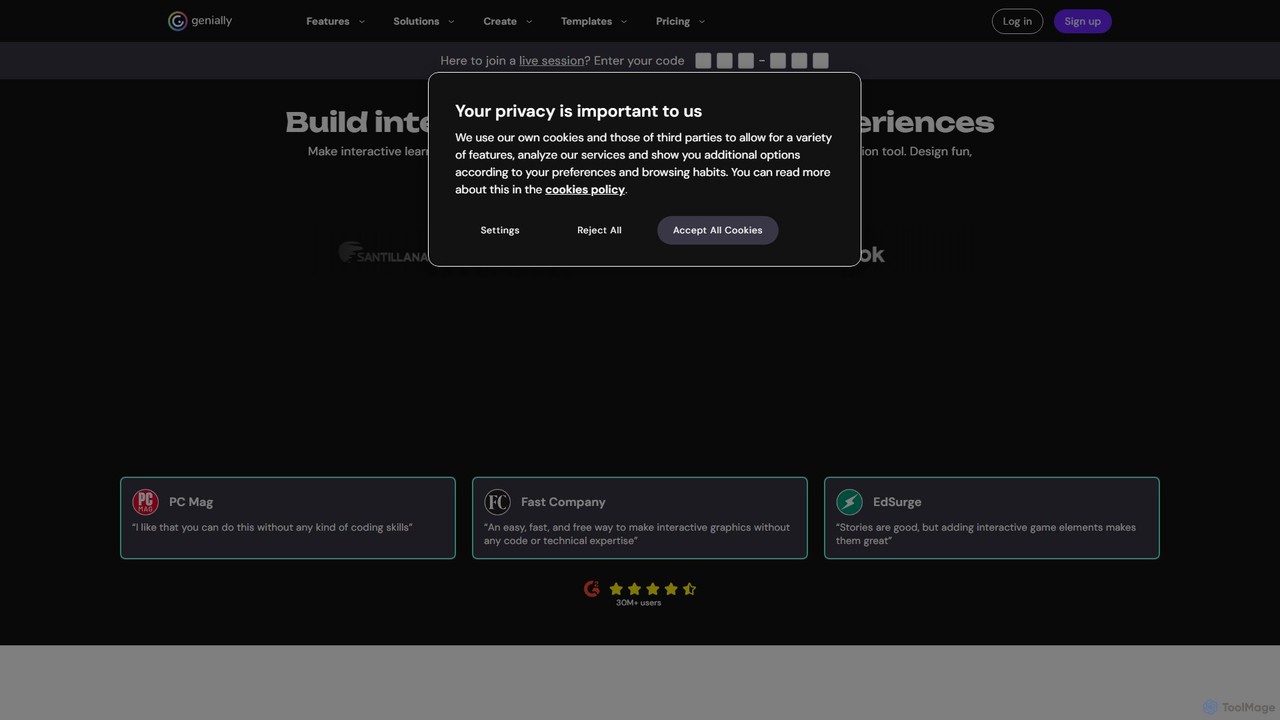
Genially is an all-in-one online tool for creating stunning interactive and animated content. Without any coding skills, users can design presentations, infographics, gamified quizzes, and eLearning materials. It leverages AI to accelerate content creation, making it ideal for educators, marketers, and corporate trainers to boost audience engagement.

Infographics
Visits 10.2MFavorites 141Likes 152
omnitrain
Paid

omnitrain

Omnitrain is an AI-powered ad creation platform that generates high-converting ad images and videos in minutes. Designed for marketers and businesses, it transforms product information into hundreds of scroll-stopping visuals and compelling copy without requiring any design skills. It focuses on performance, scalability, and rapid A/B testing to maximize campaign results.

Image Generation
Visits 8.8KFavorites 112Likes 131
Mailead
Freemium

Mailead

Mailead is an AI-powered cold email outreach platform designed for B2B sales and lead generation. It offers unlimited mailboxes, automated email warmup, A/B testing, and contact scraping to help businesses scale their outreach campaigns. The platform focuses on maximizing deliverability and automating the entire prospecting process, from finding leads to managing replies in a unified inbox.

Email Marketing
Visits 14KFavorites 191Likes 195
Redmo
Freemium

Redmo

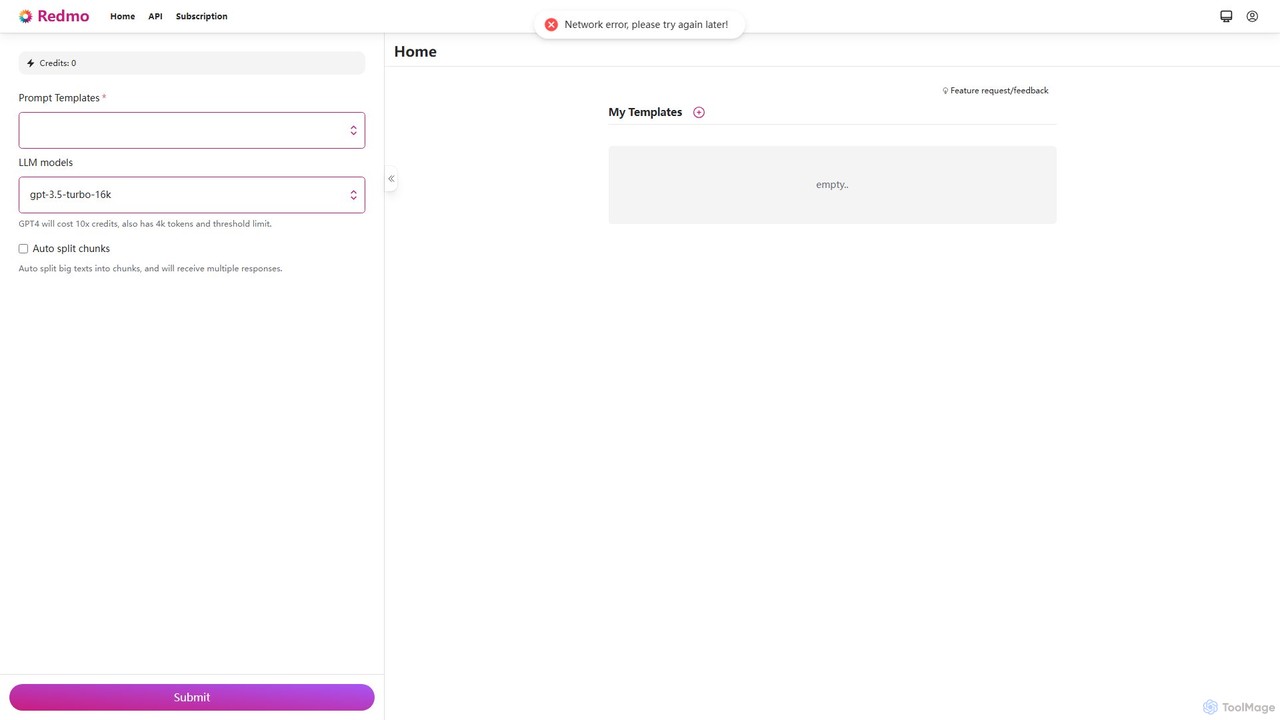
Redmo is a powerful prompt engineering platform that enables users to create, manage, and execute dynamic prompt templates with variables. It offers API support for seamless integration and features multi-LLM compatibility, including GPT-4, to streamline and scale automated content generation and workflows.

Api Management
Visits 6.1KFavorites 108Likes 84
Linked API
Paid

Linked API

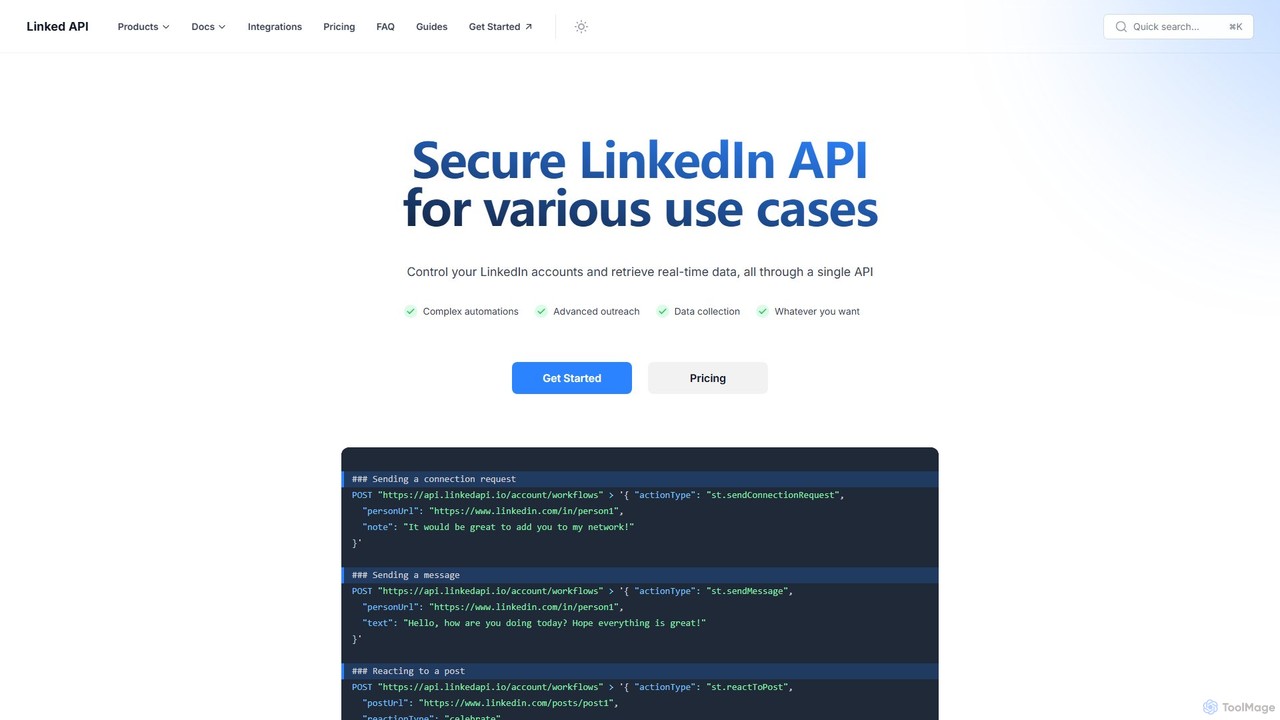
Linked API provides a secure and robust API to automate LinkedIn activities and retrieve real-time data. It's designed for developers, sales teams, and marketers to programmatically manage accounts, automate outreach, and collect valuable data for lead generation, recruitment, and market research.

Api
Visits 35.1KFavorites 130Likes 124
LIFEDATA
Paid

LIFEDATA

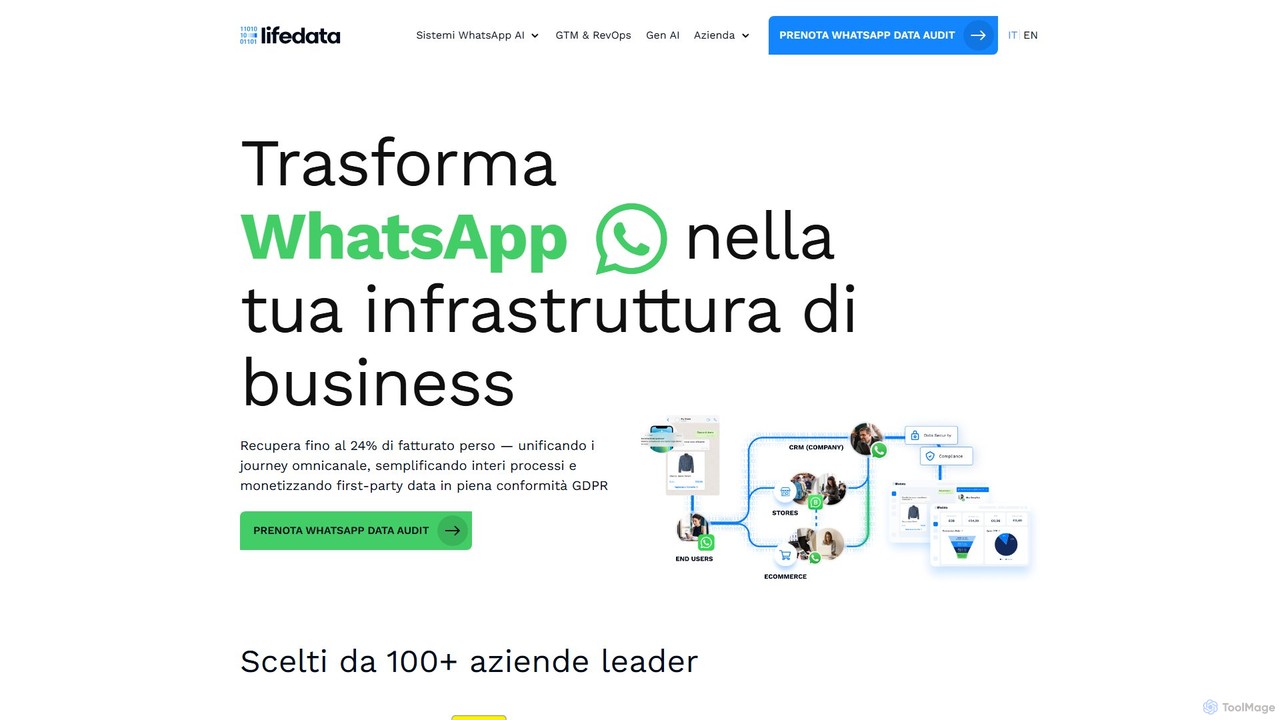
LIFEDATA is an enterprise-grade AI data platform designed to transform WhatsApp into a powerful business operations and revenue generation tool. It captures, normalizes, and analyzes WhatsApp conversations, enabling businesses to deploy generative AI agents, orchestrate omnichannel customer journeys, and manage sales, marketing, and customer service processes directly within WhatsApp. It focuses on data governance, GDPR compliance, and seamless integration with existing CRM and e-commerce systems to unlock the full potential of conversational commerce.

Conversational Commerce
Visits 6KFavorites 158Likes 164
gmbapi
Freemium

gmbapi

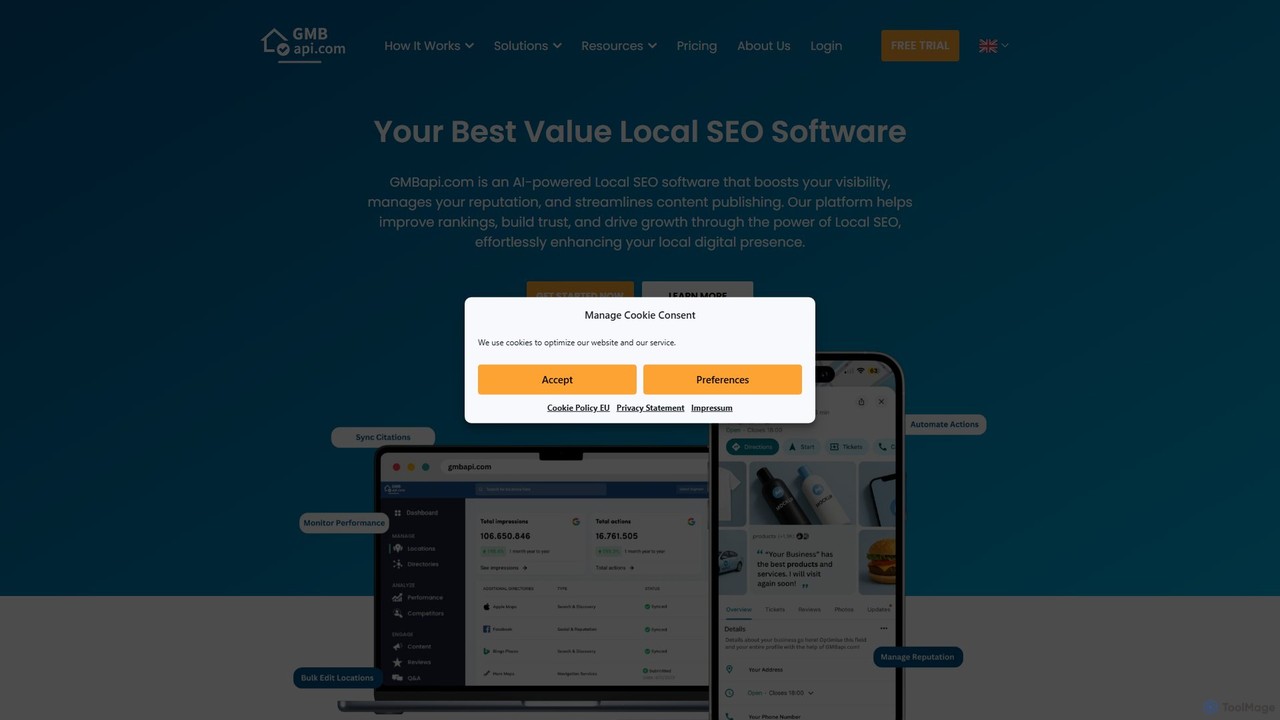
gmbapi is an AI-powered Local SEO platform designed for multi-location businesses and agencies. It streamlines Google Business Profile management, automates review responses with AI, enables bulk content publishing, and provides in-depth competitor and keyword tracking. Recognized for its value and user-friendly interface, gmbapi helps businesses enhance local visibility, manage online reputation, and drive customer growth efficiently.

Reputation Management
Visits 45.5KFavorites 154Likes 165
Bytecap
Freemium

Bytecap

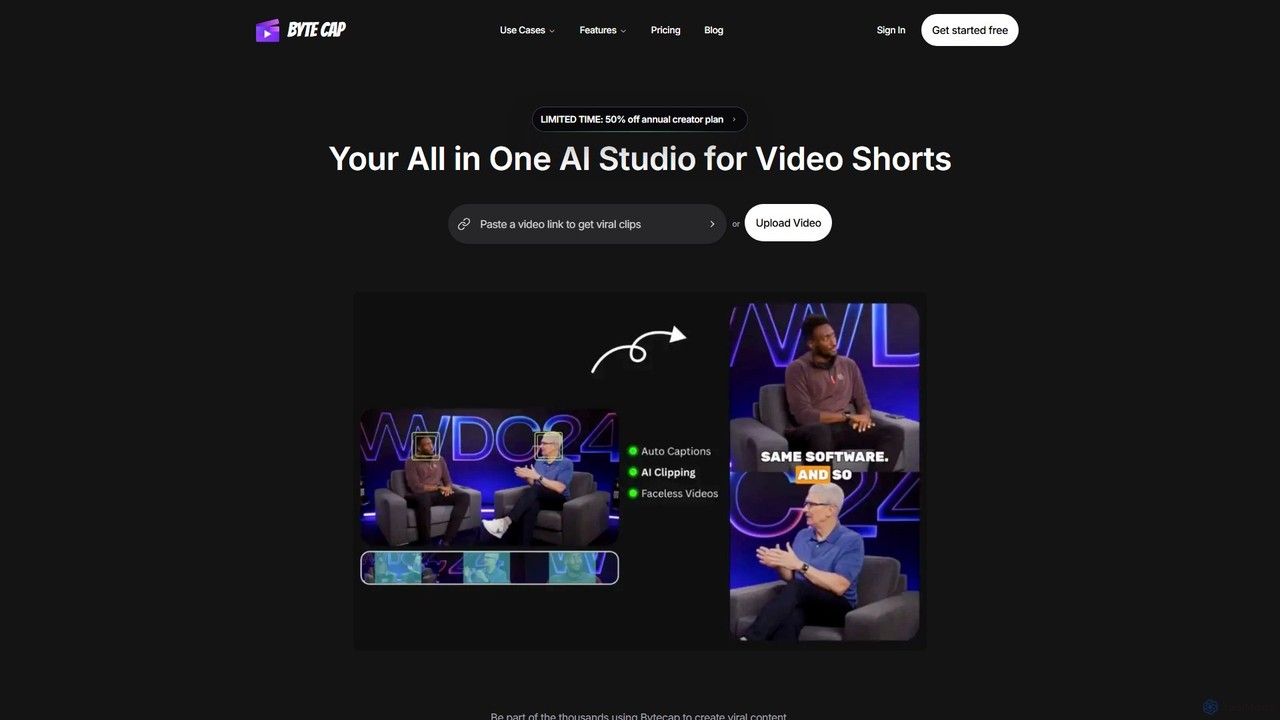
Bytecap is an all-in-one AI video studio that automates the creation of viral short videos. It uses AI to clip the best moments from long-form content, add highly accurate and customizable captions, and generate engaging faceless videos from simple text prompts. Designed for creators, marketers, and professionals, it streamlines video production for platforms like TikTok, Reels, and YouTube Shorts, requiring no prior editing skills.

Video Marketing
Visits 26.9KFavorites 156Likes 157
timgerstel
Paid

timgerstel

A suite of expertly designed, AI-enhanced Notion templates by Timothy Gerstel. These systems, like the popular 'Second Brain' and 'Creator's Companion', help users organize their lives, manage projects, and streamline content creation, all within a unified Notion workspace.

Project Management
Visits 5.9KFavorites 107Likes 111
IndexApps
Paid

IndexApps

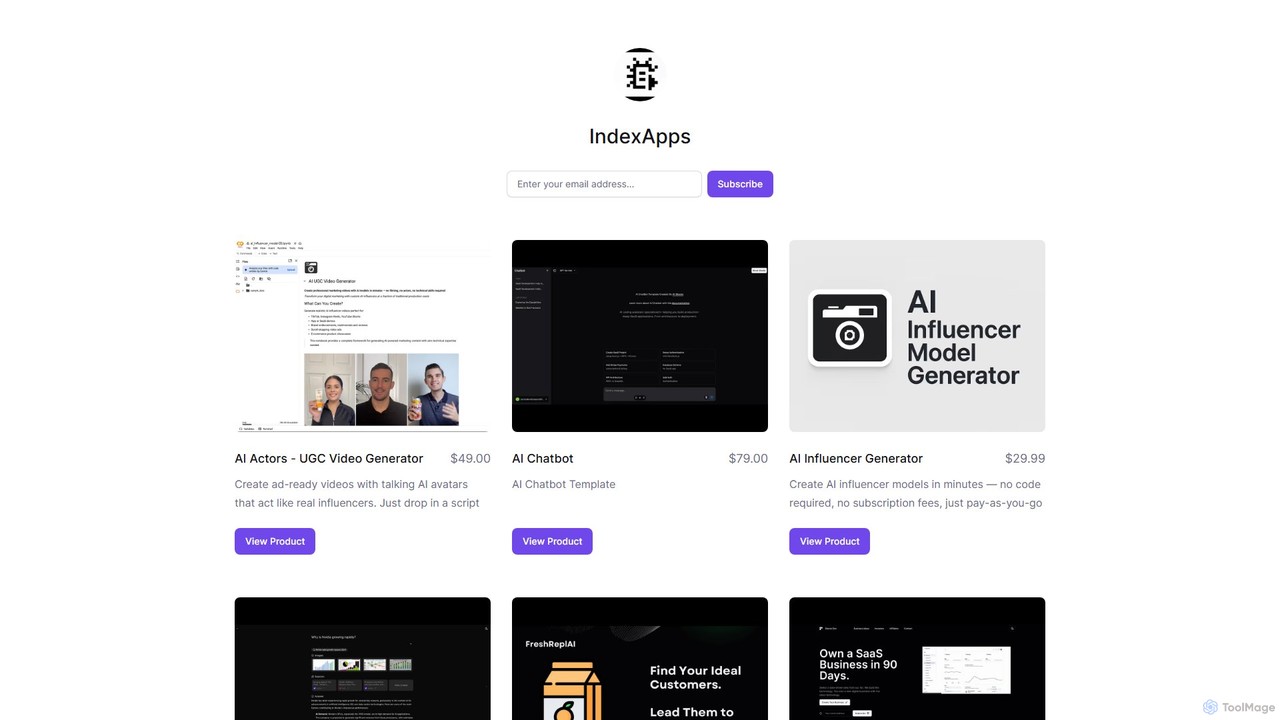
IndexApps offers a suite of AI-powered, no-code tools and templates for marketers, entrepreneurs, and developers. It provides solutions for creating UGC-style videos with AI actors, generating virtual influencers, building AI chatbots and search engines, and accessing comprehensive business growth kits.

Templates
Visits 6KFavorites 129Likes 126
RewriterPro
Freemium

RewriterPro

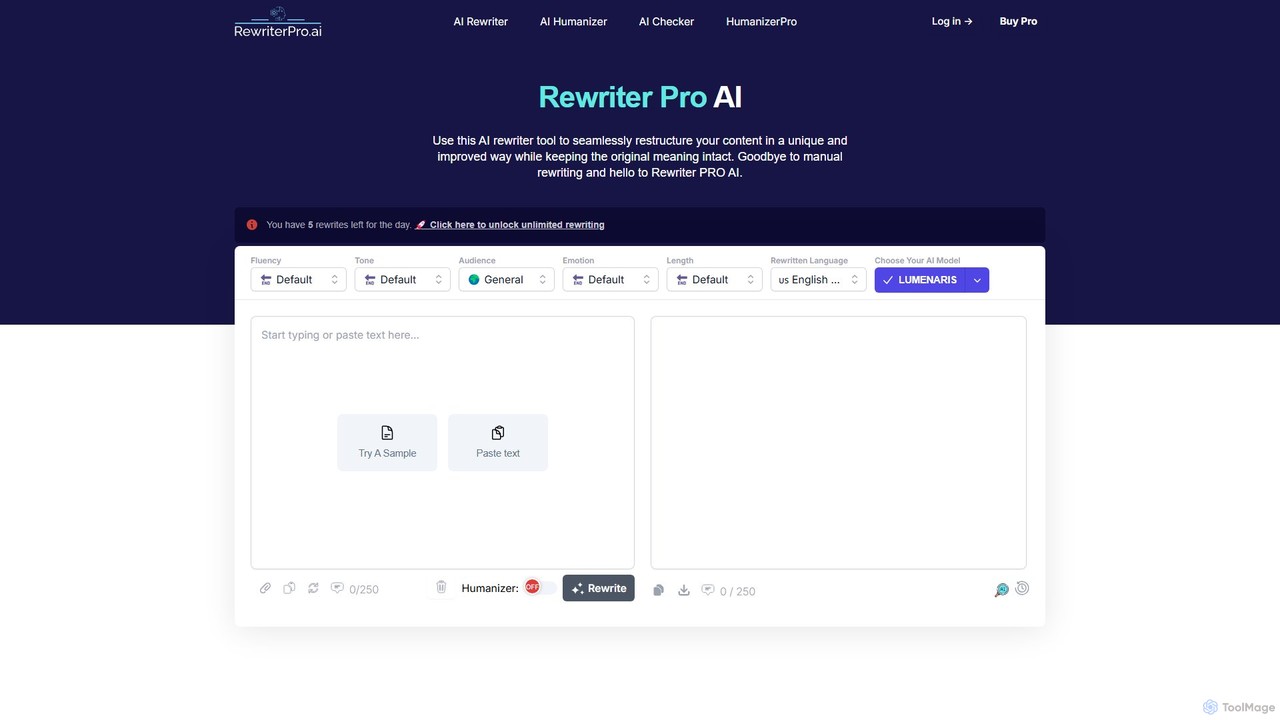
RewriterPro is an advanced AI-powered tool designed to paraphrase, rewrite, and humanize text. It helps users restructure content to be unique and engaging while preserving the original meaning. Key features include tone adjustment, fluency control, multi-language support, and a built-in AI humanizer to bypass detection.

Academic Writing
Visits 16.2KFavorites 100Likes 105
artiro
Freemium

artiro

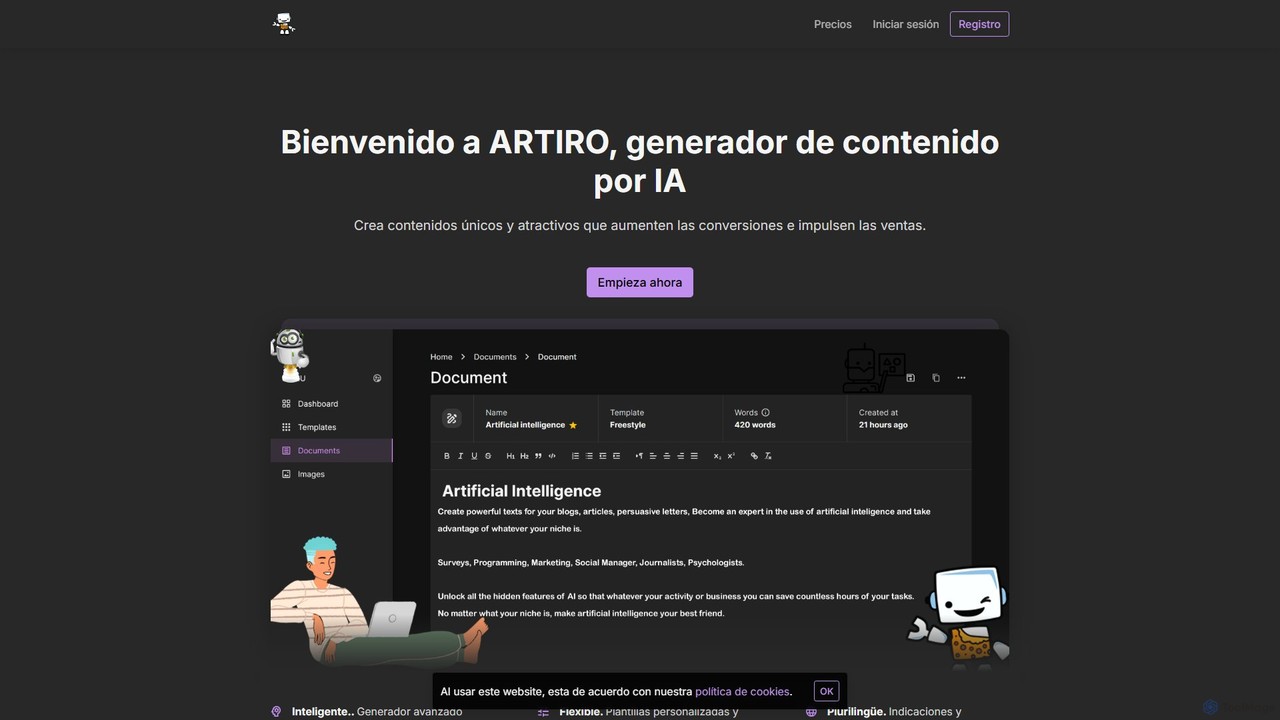
artiro is an all-in-one AI-powered platform for content creation. It generates unique text for blogs and marketing, creates stunning images in various styles, transcribes audio files into editable documents, and offers interactive AI chat. With over 50 templates and support for 30+ languages, artiro streamlines creative workflows for marketers, writers, and businesses, boosting productivity and engagement.

Transcription
Visits 6KFavorites 110Likes 109
nametly
Free

nametly

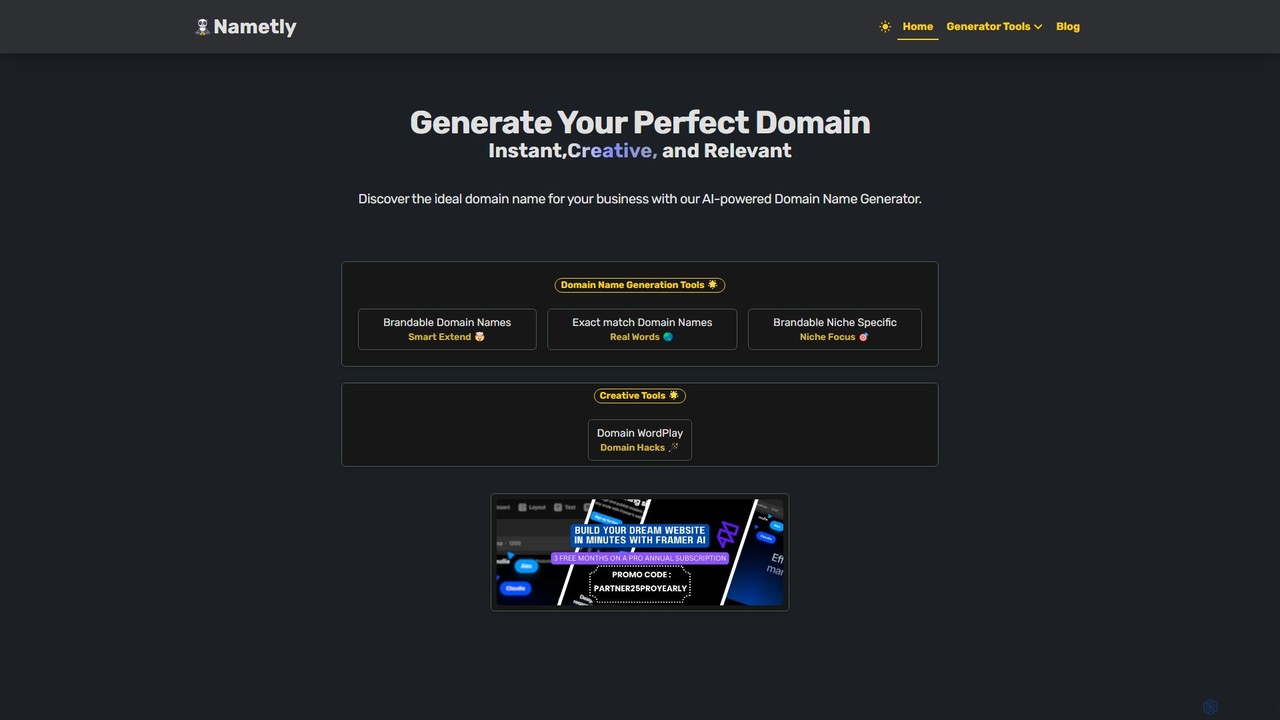
nametly is a free, AI-powered domain and business name generator designed to help startups, businesses, and creators find unique, memorable, and SEO-friendly names. By leveraging advanced AI algorithms, it provides creative suggestions based on keywords, industries, and brand identity, simplifying the process of building a strong online presence.

Branding
Visits 6.1KFavorites 147Likes 144
Uniqium
Freemium

Uniqium

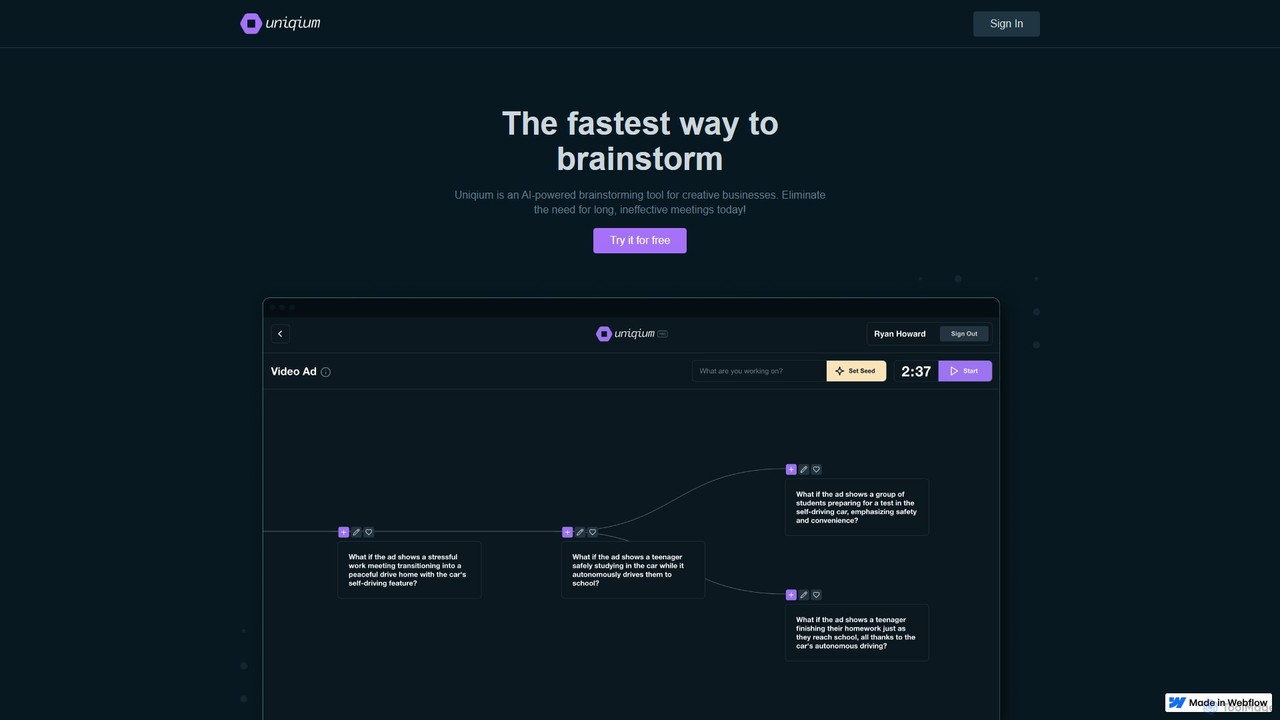
Uniqium is an AI-powered brainstorming platform designed for creative businesses. It replaces inefficient meetings with fast, focused, and individual AI-assisted sessions, helping teams generate high-quality ideas in minutes.

Collaboration
Visits 5.9KFavorites 152Likes 160
Draph
Freemium

Draph

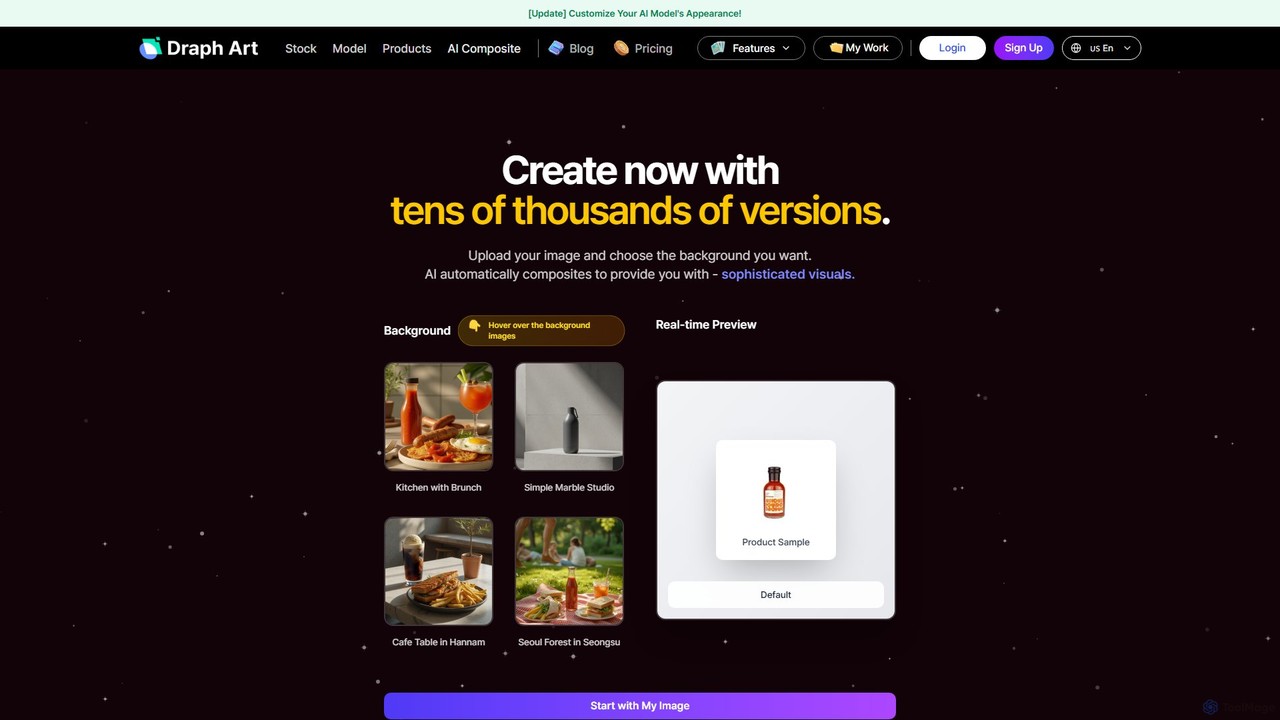
Draph is an AI-powered suite for e-commerce, offering tools for product photography, AI model generation, and marketing content creation. Instantly create stunning visuals, ad banners, and social media posts, eliminating the need for expensive photoshoots and long production times.

Product Images
Visits 66.6KFavorites 103Likes 117
invideo
Freemium

invideo

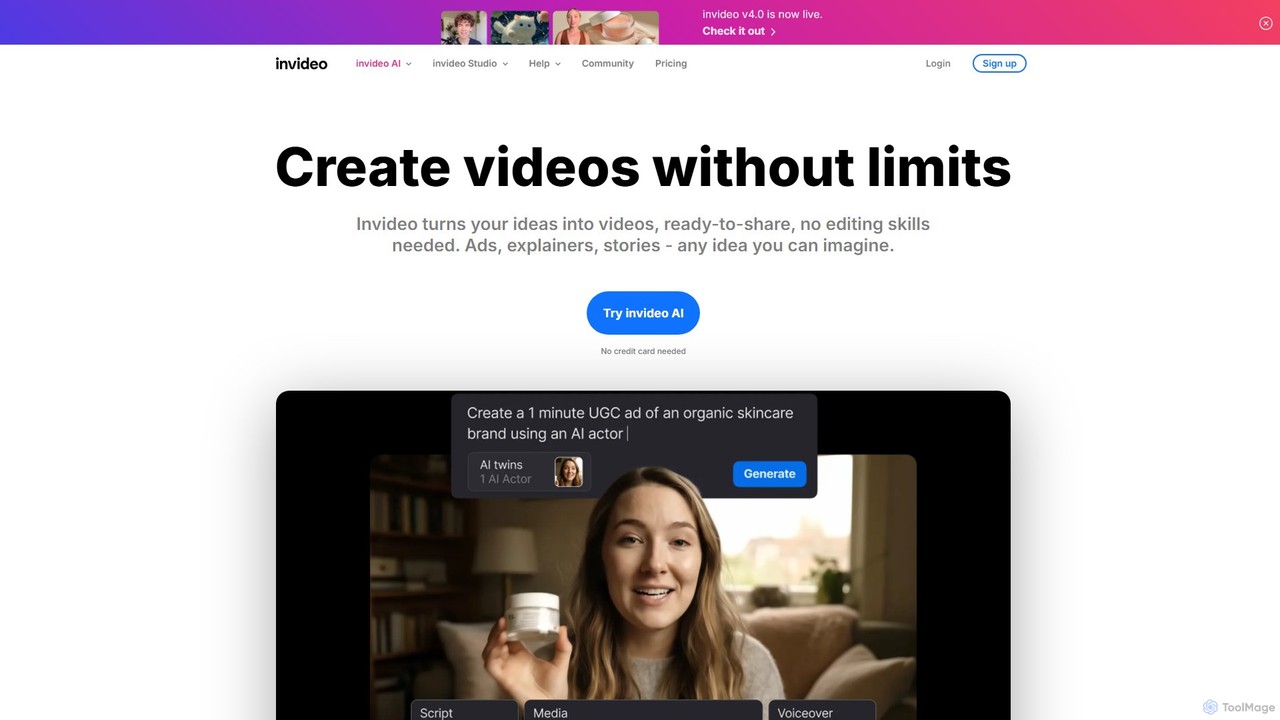
invideo is an AI-powered video creation platform that transforms text prompts, ideas, or URLs into publish-ready videos. It automates scriptwriting, visual creation, voiceovers, and editing, enabling users without technical skills to produce high-quality ads, social media content, and explainer videos in minutes.

Text To Speech
Visits 7.8MFavorites 173Likes 178
Opinion Stage
Freemium

Opinion Stage

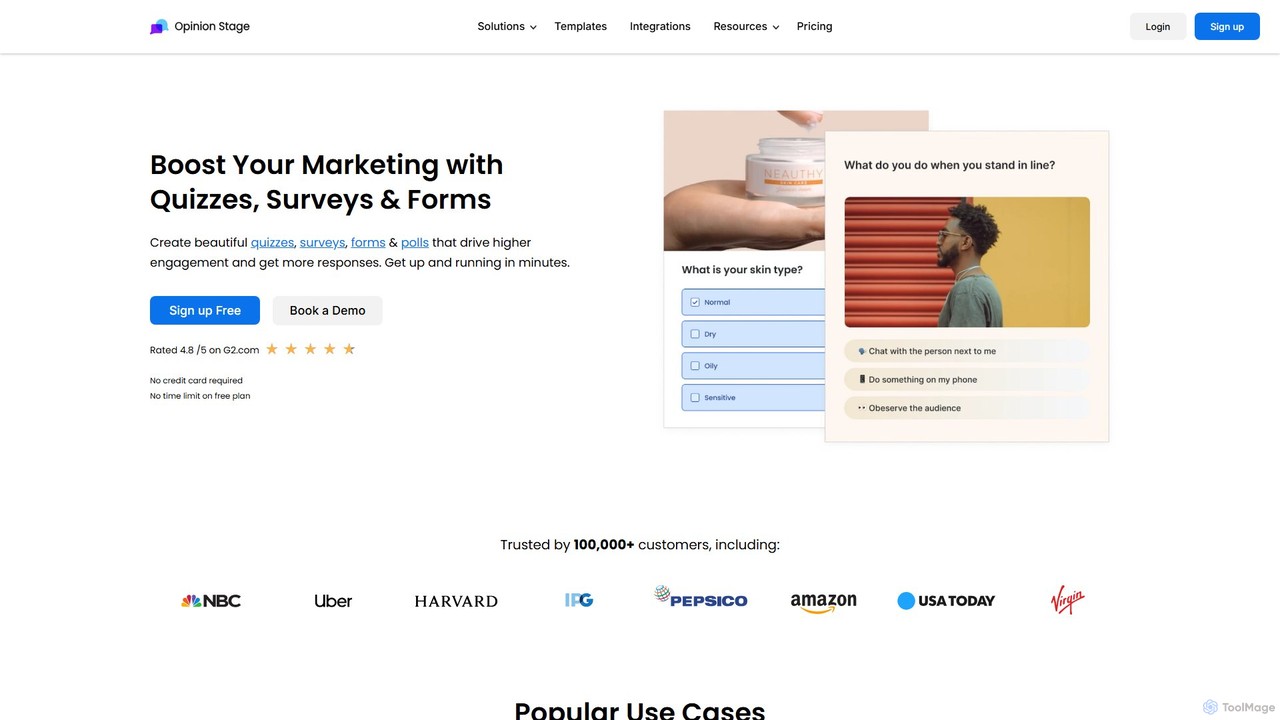
Opinion Stage is an AI-powered platform for creating engaging quizzes, surveys, forms, and polls to boost marketing efforts. It helps businesses increase audience engagement, generate up to 5x more qualified leads, and gather valuable feedback. With an intuitive builder, extensive templates, and deep customization, you can create interactive content that aligns with your brand in minutes. It's designed to turn passive audiences into active participants and drive measurable results.

Surveys & Feedback
Visits 217.4KFavorites 147Likes 143

About Marketing

AI Marketing tools are a class of software that leverages artificial intelligence to automate, analyze, and optimize marketing strategies. These tools utilize machine learning and natural language processing to interpret vast amounts of data, enabling predictive analytics, content personalization, and dynamic campaign adjustments. By providing data-driven insights and automating repetitive tasks, they empower marketers to improve campaign performance, enhance customer engagement, and achieve a higher return on investment (ROI). This technology allows for more precise targeting and a deeper understanding of consumer behavior.

Core Features

  • Predictive Analytics: Forecasts customer behavior, churn rates, and campaign outcomes based on historical data.
  • Content Personalization: Dynamically tailors website content, emails, and ads to individual user preferences.
  • Ad Campaign Optimization: Automates bidding, targeting, and creative testing for digital advertising platforms.
  • Customer Segmentation: Uses AI to group customers into micro-segments based on complex behavioral patterns.
  • SEO & Content Strategy: Analyzes search trends and competitor data to recommend topics and optimize content for higher rankings.

Use Cases

AI Marketing tools are widely used by digital marketing agencies, e-commerce businesses, and corporate marketing departments. They are integral for roles such as social media managers, SEO specialists, and campaign managers who need to process large datasets to make informed decisions. For instance, an e-commerce store can use AI to recommend products in real-time, while a B2B company can predict which leads are most likely to convert.

How to Choose

When selecting an AI Marketing tool, consider its integration capabilities with your existing CRM, analytics platforms, and ad networks. Evaluate the scope of its features—whether you need a comprehensive suite or a specialized tool for a specific task like SEO or email marketing. Also, assess the user interface's complexity and the level of technical expertise required. Finally, review the pricing model to ensure it aligns with your budget and scales with your business needs.

Featured tool rankings

Marketing use cases

1

Automated Social Media Content Strategy

For social media managers handling multiple accounts, AI marketing tools can automate content scheduling and analysis. Instead of manually guessing the best times to post, the AI analyzes historical engagement data for each platform (like Instagram, Twitter, or LinkedIn) to identify peak audience activity hours. The tool can then automatically schedule posts for optimal reach and interaction. Furthermore, it can analyze content performance, providing insights on which topics, formats, and hashtags resonate most with the audience, helping to refine future content strategies and save hours of manual data analysis each week.

2

Personalized Email Marketing at Scale

An e-commerce marketing manager can use AI to move beyond simple name personalization in email campaigns. The AI tool integrates with the store's customer data platform to analyze browsing history, past purchases, and cart abandonment. Based on this, it automatically populates email templates with personalized product recommendations, dynamic discount offers, or relevant blog content for thousands of subscribers. This creates a unique experience for each recipient, significantly increasing open rates, click-through rates, and ultimately, conversion rates, without requiring manual segmentation for every campaign.

3

Optimizing SEO Content with Topic Cluster Analysis

An SEO specialist aims to establish topical authority for a client's blog. Instead of manually researching keywords, they use an AI marketing tool to perform a topic cluster analysis. The tool scans top-ranking competitor content and identifies a central 'pillar' topic and numerous related 'cluster' subtopics. It provides a visual map of how these topics should interlink to build authority. The AI also suggests specific long-tail keywords, questions users are asking, and semantic terms to include in each article. This data-driven approach ensures comprehensive content coverage, improves internal linking structure, and significantly increases the chances of ranking for a broad set of related search queries.

4

Dynamic Ad Creative and Copy Generation

A performance marketer running campaigns on platforms like Google Ads or Facebook needs to constantly test ad creatives. An AI marketing tool can accelerate this process exponentially. The marketer provides a few core assets: product images, key value propositions, and a call-to-action. The AI then generates dozens or even hundreds of variations by combining these elements in different ways, writing alternative headlines and descriptions, and even suggesting different background colors or layouts. It can then push these variations directly to the ad platform for A/B testing, quickly identifying the highest-performing combinations of image, copy, and audience, thereby maximizing return on ad spend (ROAS).

5

Predicting Customer Churn for Retention Campaigns

A subscription-based business wants to proactively reduce customer churn. A marketing analyst uses an AI tool that connects to their CRM and product usage data. The AI model analyzes patterns associated with churn, such as decreased login frequency, reduced feature usage, or unanswered support tickets. It then assigns a 'churn risk score' to each customer. The marketing team can use this list to target high-risk customers with proactive retention campaigns, like personalized check-in emails, special offers, or invitations to training webinars. This allows them to focus resources on at-risk accounts before they decide to cancel, improving overall customer lifetime value.

6

Real-Time Market Trend and Competitor Analysis

A market research analyst needs to stay ahead of industry trends and monitor competitors. They use an AI marketing tool to continuously scan the web, including news sites, social media, forums, and competitor websites. The AI identifies emerging topics, shifts in consumer sentiment, and new marketing campaigns launched by rivals. It can generate daily or weekly summary reports highlighting key insights, such as a competitor's new product feature gaining traction on Twitter or a negative sentiment spike around a particular industry issue. This provides the strategy team with timely, actionable intelligence to adapt their own marketing messages, product roadmap, or competitive positioning without extensive manual research.

Marketing FAQ

What are AI Marketing tools?

AI Marketing tools are software applications that use artificial intelligence technologies like machine learning and natural language processing to automate and enhance marketing activities. They analyze large datasets to uncover insights, predict customer behavior, personalize communications, and optimize campaign performance. Unlike traditional tools that follow pre-set rules, AI tools can learn from data and adapt their strategies in real-time to improve results such as engagement, conversions, and ROI.

How to choose the right AI Marketing tool?

Choosing the right tool depends on your specific needs. Consider these factors:

  • Functionality: Do you need an all-in-one platform or a specialized tool for a specific channel like email, social media, or SEO? List your must-have features.
  • Integration: Ensure the tool can connect seamlessly with your existing technology stack, such as your CRM, e-commerce platform, or analytics software.
  • Ease of Use: Evaluate the user interface and the technical skill required. Some tools are designed for non-technical marketers, while others may require data science expertise.
  • Scalability and Pricing: Select a tool with a pricing model that fits your current budget and can scale as your business and data volume grow.
What's the difference between AI Marketing and Marketing Automation?

The key difference lies in intelligence and adaptability. Marketing Automation tools typically operate on pre-defined, rule-based workflows (e.g., 'If a user downloads an ebook, send them a follow-up email in 3 days'). They are excellent for executing repetitive tasks. AI Marketing tools go a step further by using machine learning to make decisions. They can analyze data to determine the best time to send an email, which product to recommend, or which audience segment to target, and they can adapt their approach over time as they gather more data, without needing new rules to be manually programmed.

Can AI Marketing tools replace human marketers?

AI Marketing tools are designed to augment, not replace, human marketers. They excel at data processing, pattern recognition, and task automation at a scale humans cannot achieve. This frees up marketers from repetitive, data-intensive work to focus on higher-level tasks that require human creativity, strategic thinking, emotional intelligence, and complex problem-solving. The most effective marketing teams are those that successfully combine human strategy and creativity with the analytical power and efficiency of AI.

What are some common applications of AI in marketing?

AI is applied across many areas of marketing. Some of the most common applications include:

  • Content Creation: Generating blog post ideas, social media captions, and ad copy.
  • Personalization: Powering recommendation engines on e-commerce sites and personalizing email content.
  • Advertising: Optimizing ad spend and targeting on platforms like Google and Facebook through automated bidding.
  • SEO: Identifying keyword opportunities, analyzing competitor strategies, and suggesting content optimizations.
  • Customer Service: Using AI-powered chatbots to provide 24/7 support and answer common questions.