
Obsidian Neural
Obsidian Neural is a revolutionary VST plugin that enables real-time AI music generation directly within your Digital Audio …
Obsidian Neural is a revolutionary VST plugin that enables real-time AI music generation directly within your Digital Audio Workstation (DAW). It allows musicians to create and trigger AI-generated samples live, integrate with MIDI controllers, and produce dynamic soundscapes for performances and studio productions.
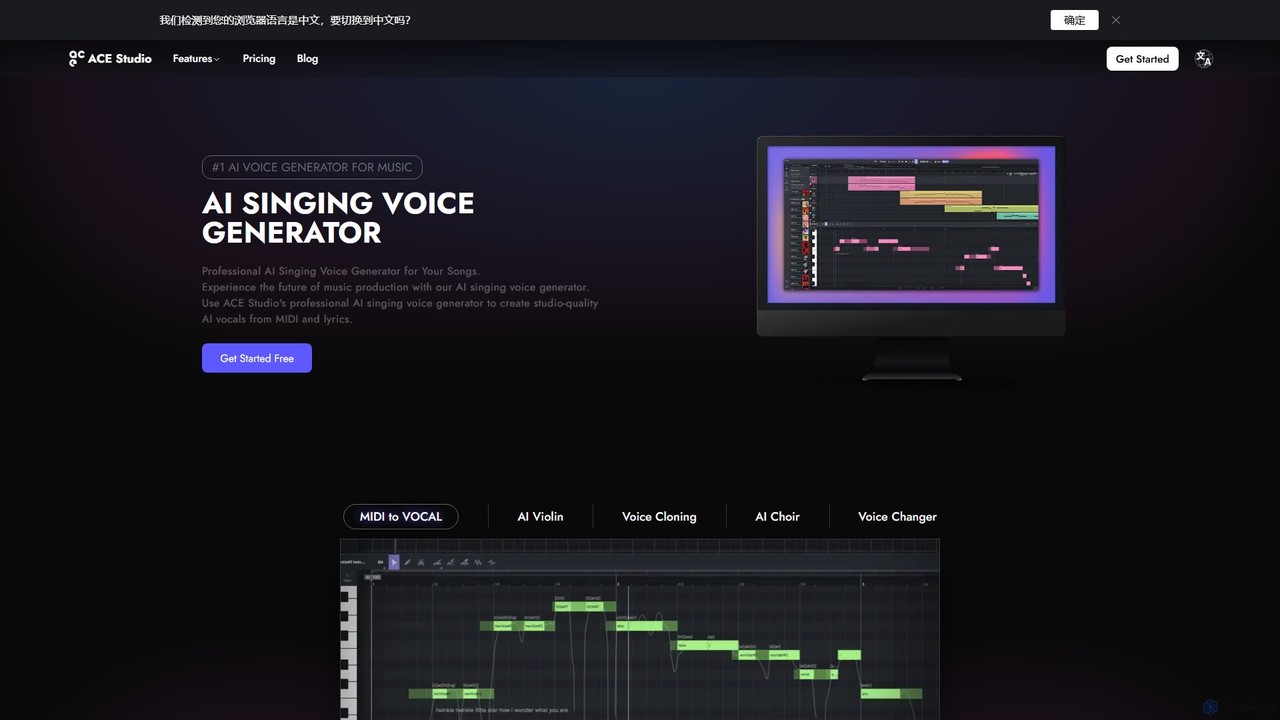
ACE Studio
ACE Studio is a professional AI singing voice generator for music production. It allows users to create studio-quality, …
ACE Studio is a professional AI singing voice generator for music production. It allows users to create studio-quality, royalty-free vocals from MIDI and lyrics using a library of over 80 AI singers or by cloning their own voice. It features advanced vocal editing, a unique voice designer, a stem splitter, and seamless integration with DAWs via VST3/AU/AAX plugins.
About Audio Generation
Audio Generation tools are AI-powered platforms that automatically create diverse audio content, ranging from music and sound effects to speech and ambient soundscapes. These tools leverage advanced machine learning models, including generative adversarial networks (GANs) and transformers, to synthesize original audio based on text prompts, MIDI inputs, or existing audio samples. They empower creators across various fields to rapidly prototype, customize, and produce high-quality sound without extensive musical or audio engineering expertise, significantly accelerating content production workflows.
Core Features
- Text-to-Audio: Generates sound effects, music, or speech from descriptive text prompts.
- Music Composition: Creates original musical pieces in various genres, styles, and moods.
- Sound Effects Synthesis: Produces custom sound effects for games, films, or multimedia projects.
- Voice Synthesis (Text-to-Speech): Transforms written text into natural-sounding spoken audio in multiple voices and languages.
- Audio Style Transfer: Applies the stylistic elements of one audio piece to another, creating unique blends.
Use Cases
Content creators, game developers, podcasters, and marketers frequently utilize audio generation tools. They are invaluable for producing background music for videos, creating unique sound effects for interactive experiences, generating consistent voiceovers for e-learning modules, and crafting distinctive audio branding elements like jingles and intros. These tools streamline the audio production process, making high-quality sound accessible for diverse projects.
How to Choose
When selecting an AI audio generation tool, consider the specific type of audio you need (music, speech, SFX), the range of customization options available (genre, mood, instruments, voice characteristics), and the quality of the output. Evaluate the ease of use, integration capabilities with your existing workflow, and the pricing model. Also, check for the diversity of available styles and voices, and the platform's ability to handle complex or nuanced prompts.
Audio GenerationUse Cases
Generating Background Music for Video Content
Video creators and marketers can input desired mood, genre, and duration to automatically generate unique, royalty-free background music. This eliminates the need for extensive music licensing or manual composition, allowing for rapid iteration and consistent audio branding across multiple video projects, saving significant time and resources.
Creating Custom Sound Effects for Games
Game developers can use AI audio generation to quickly produce a wide array of specific sound effects, such as weapon impacts, environmental ambiences, or character vocalizations. By describing the desired sound, they can generate multiple variations, accelerating the prototyping phase and ensuring a rich, immersive audio experience without relying solely on sound libraries.
Producing Voiceovers for E-learning Modules
Educational content creators and instructional designers can convert written scripts into natural-sounding voiceovers using text-to-speech capabilities. This ensures consistent narration quality, allows for easy updates to course material, and supports multiple languages and voices, making e-learning content more accessible and engaging for a global audience.
Crafting Podcast Intros, Outros, and Jingles
Podcasters and audio content producers can leverage AI to generate distinctive intro and outro music, as well as short jingles for segment transitions. By specifying a desired style or theme, they can create unique audio branding elements that enhance listener recognition and professionalism, without needing a composer or extensive audio editing skills.
Prototyping Audio for Film and Animation
Filmmakers and animators can rapidly generate placeholder music, ambient sounds, and temporary sound effects during the pre-production and editing phases. This allows them to quickly test different audio moods and timings against visuals, facilitating creative decisions and providing a more complete preview of the final product before committing to full-scale audio production.
Designing Ambient Soundscapes for Apps
Developers of meditation, productivity, or virtual reality applications can generate unique ambient soundscapes (e.g., forest sounds, city hum, futuristic environments). This provides users with immersive and customizable audio backgrounds, enhancing the user experience and offering a diverse range of auditory environments without requiring extensive field recordings or complex synthesis.