Music Best in category 7 results Generative Music AI Tool

Popular AI tools in the Generative Music field of Music include Song.do、Endel、Chillify、generatesongai、Genvibe AI、airapper.online、melodio, etc., helping you quickly improve efficiency.

melodio

melodio

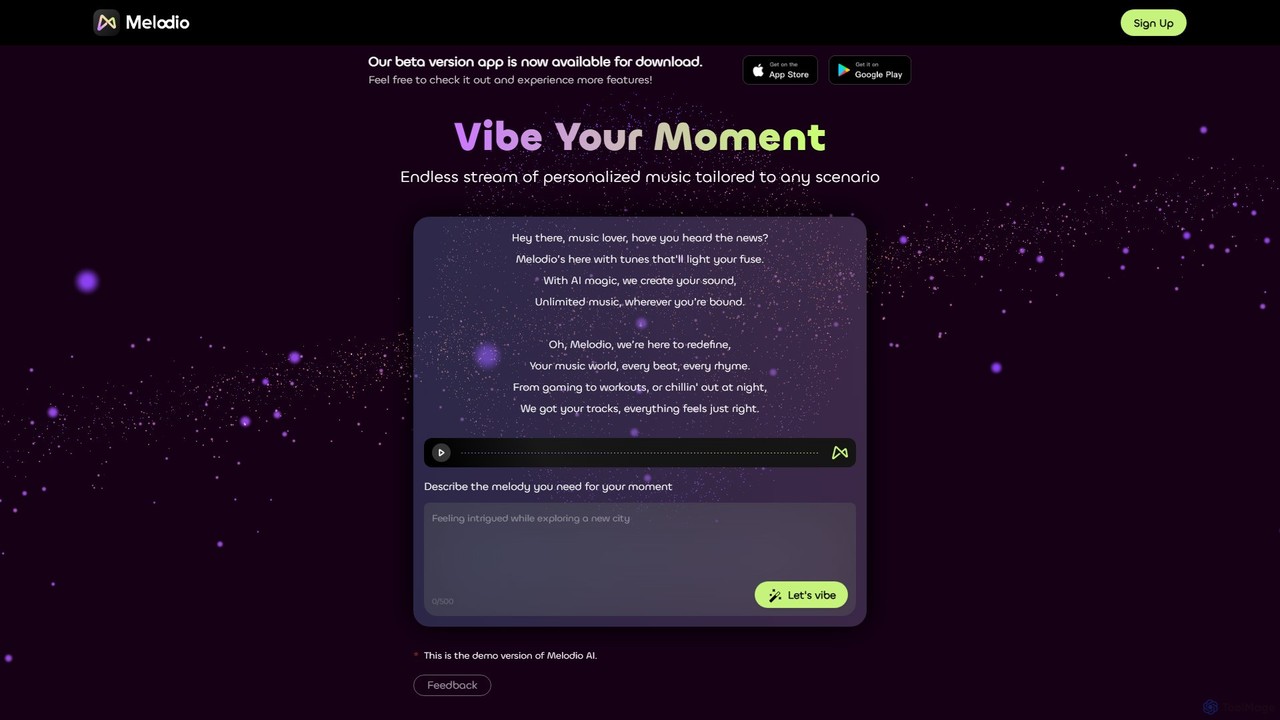
Melodio is an AI-powered music generator that creates endless streams of personalized music tailored to any mood, activity, …

16
Genvibe AI

Genvibe AI

Genvibe AI is an intuitive, AI-powered music solution designed for business spaces. It provides custom-tailored, royalty-free background music …

3.2K
airapper.online

airapper.online

airapper.online is a cutting-edge AI-powered music creation tool that specializes in generating high-quality rap songs. Users can create …

3.2K
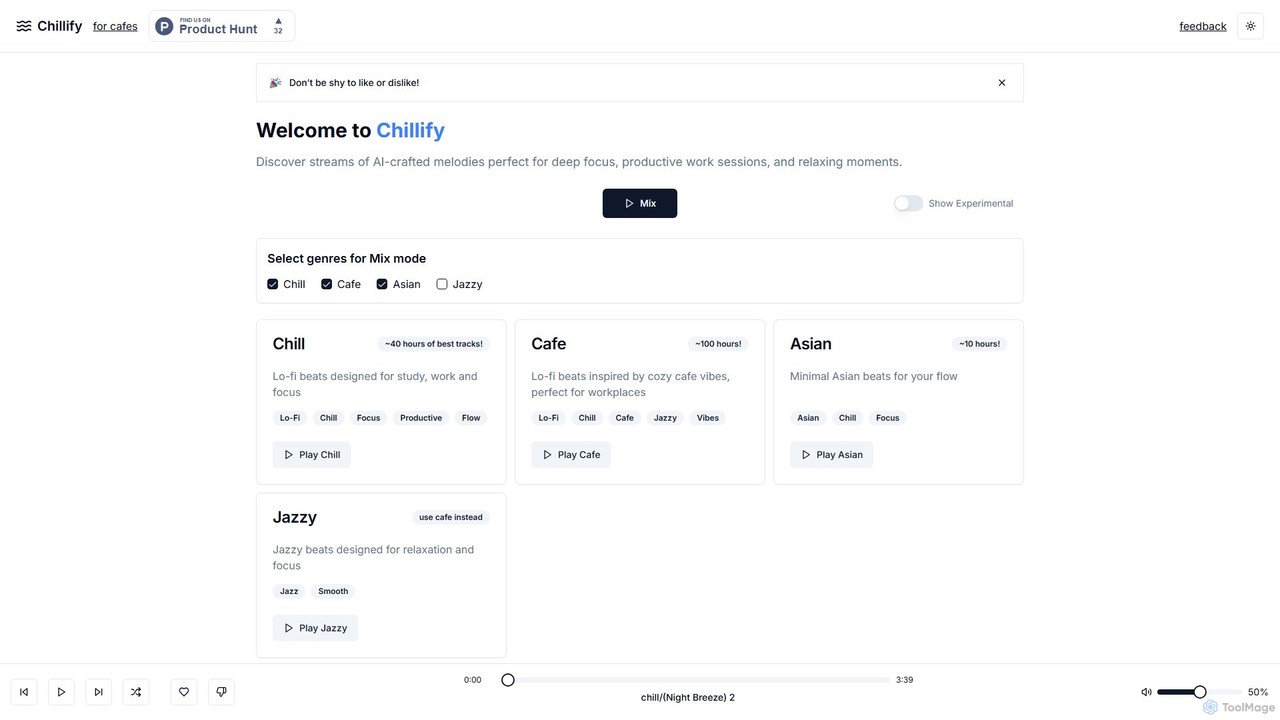
Chillify

Chillify

Chillify is an AI-powered music generator that creates endless streams of lo-fi beats. It's designed to enhance focus, …

3.9K
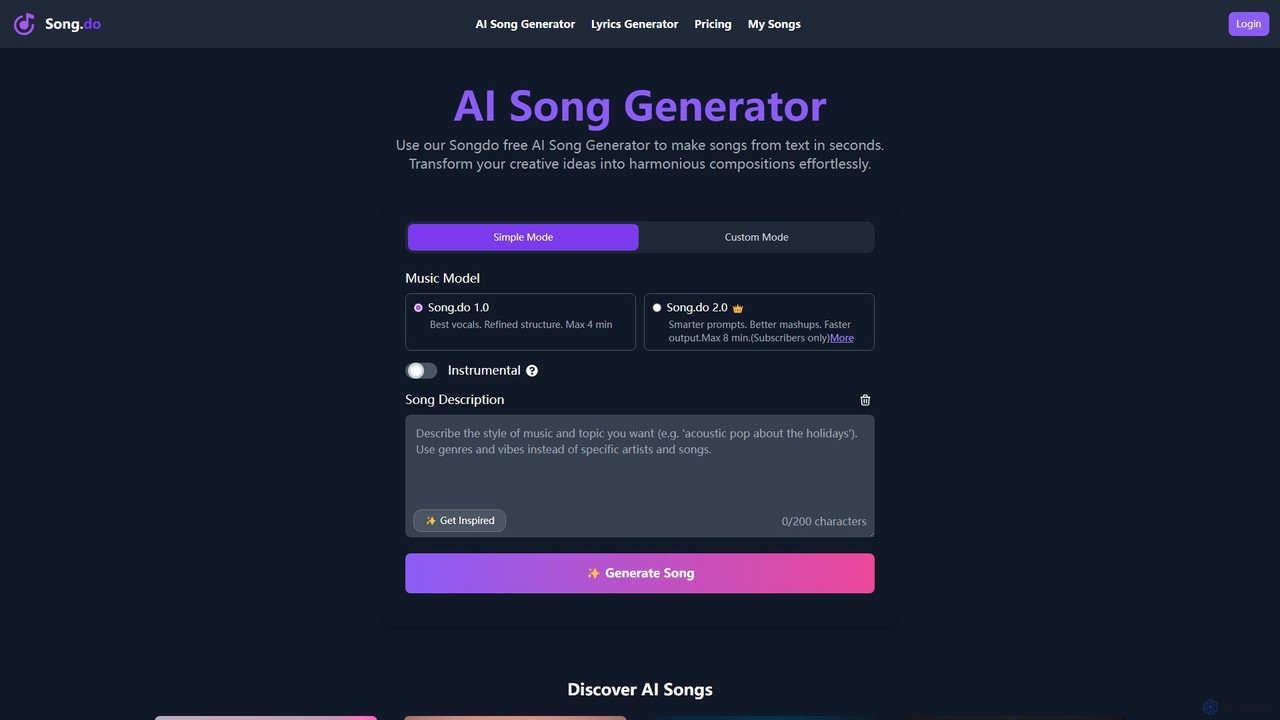
Song.do

Song.do

Song.do is a powerful AI music generator that transforms your ideas into complete songs. Simply provide text prompts …

450.1K
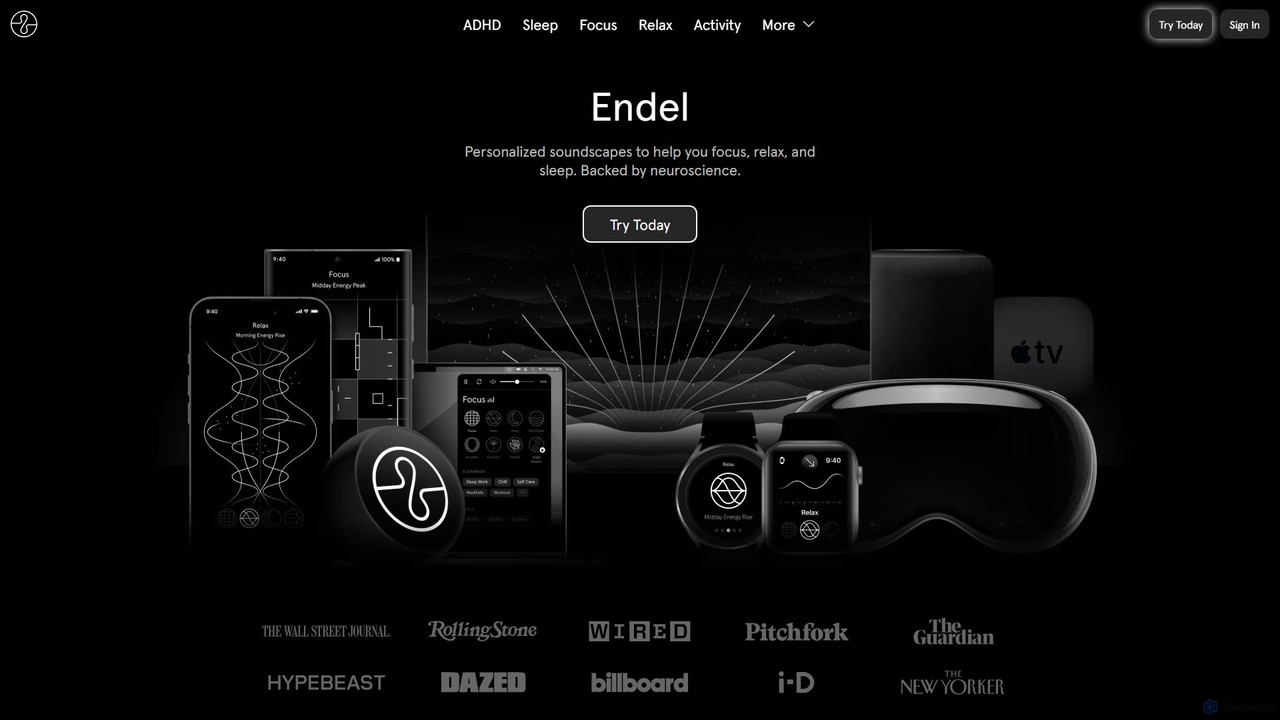
Endel

Endel

Endel is a wellness app that uses patented AI technology to create personalized, adaptive soundscapes. Backed by neuroscience, …

357.1K
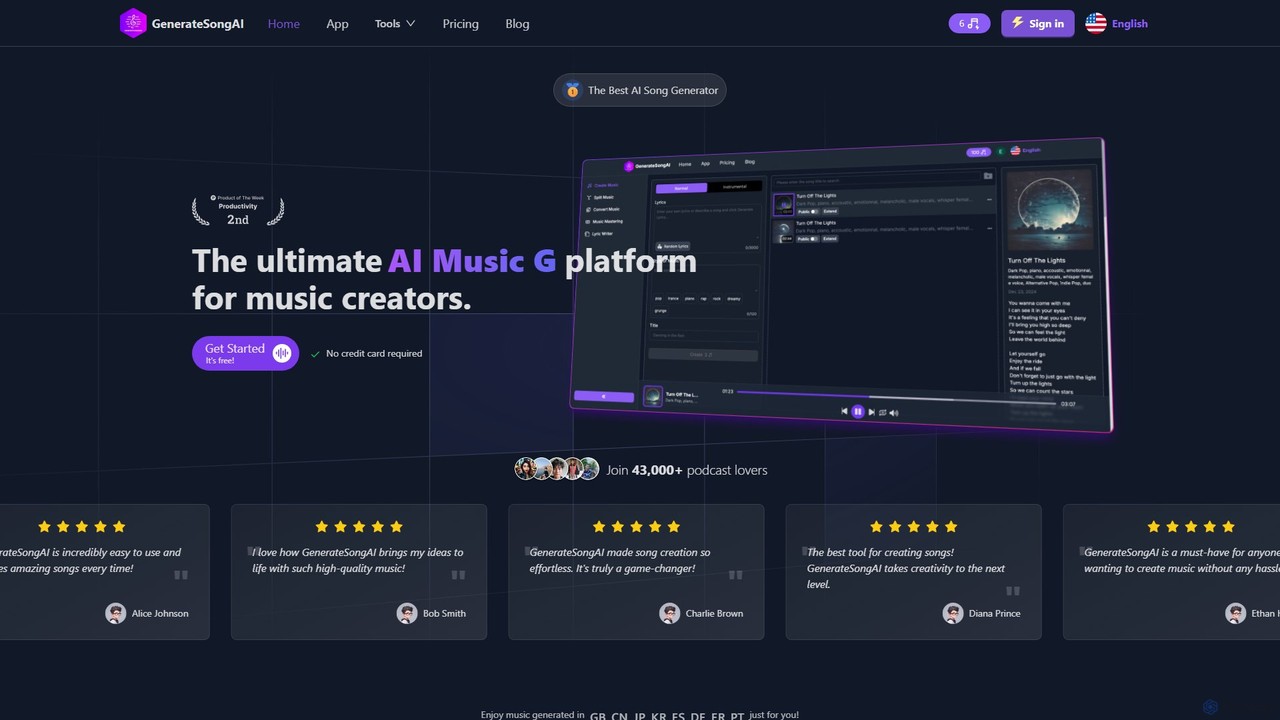
generatesongai

generatesongai

generatesongai is an advanced AI music platform that allows users to create high-quality, royalty-free songs from simple text …

3.3K

About Generative Music

Generative Music tools are a class of AI applications that compose and produce original musical pieces from user inputs. These tools leverage deep learning models to understand harmony, rhythm, and structure, allowing them to create unique tracks based on text prompts, genre selections, or mood descriptions. This provides a fast and cost-effective solution for creators needing custom background music, soundtracks, or loops without complex licensing issues. Unlike traditional stock music libraries, these platforms offer near-infinite variations and detailed control over instrumentation, tempo, and emotional tone.

Core Features

  • Text-to-Music Generation: Create musical compositions from descriptive text prompts like "sad cinematic piano".
  • Genre and Mood Customization: Select from a wide range of genres (e.g., Lo-fi, Orchestral, Electronic) and moods (e.g., Uplifting, Dramatic).
  • Instrument and Tempo Control: Specify the instruments to be included and adjust the track's beats per minute (BPM).
  • Royalty-Free Licensing: Generate music that is typically cleared for commercial and personal use, avoiding copyright claims.
  • Track Structure Variation: Define the structure of the song, such as intro, verse, and chorus, for more complex compositions.

Applicable Scenarios

Generative Music tools are widely used by content creators, including YouTubers and podcasters, for unique background scores. Indie game developers and filmmakers utilize them to quickly prototype or produce adaptive soundtracks. Marketers also employ these tools to create catchy, brand-aligned music for advertisements and social media campaigns, ensuring brand consistency and avoiding licensing fees.

Selection Criteria

When choosing a Generative Music tool, evaluate the audio quality and realism of the output. Consider the depth of customization options available, including control over genres, instruments, and song structure. It is crucial to carefully review the licensing terms to ensure they align with your intended commercial or personal use. Also, assess the platform's user interface and generation speed to ensure it fits your workflow.

Generative MusicUse Cases

1

Creating Background Music for YouTube Videos

A video creator needs unique, copyright-safe background music for a travel vlog. Instead of spending hours searching stock music sites or risking copyright strikes, they use a generative music tool. By entering a prompt like "upbeat, adventurous, acoustic guitar, tropical vibe," the AI generates a custom track that perfectly matches the video's mood. This process can be repeated for different scenes, ensuring a cohesive yet varied soundtrack. The result is a professionally scored video produced in minutes, enhancing viewer engagement without the high cost or legal risks of traditional music licensing.

2

Prototyping Game Soundtracks

An indie game developer needs to establish the musical identity for their new game during early development. Hiring a composer at this stage is costly and premature. Using a generative music tool, the developer can quickly create placeholder tracks for different game environments and scenarios. For a fantasy village, they might generate a "peaceful, orchestral, flute melody" track. For a boss battle, they could request an "epic, intense, fast-tempo, choir and drums" piece. This allows for immediate in-game testing of musical moods, helping the development team align on an artistic direction before committing significant budget to a final score.

3

Generating Music for Podcasts and Intros

A podcaster wants to establish a professional audio brand with a consistent intro, outro, and segment transition music. They use a generative music tool to create a short, memorable jingle that serves as their main theme. They can specify the mood, genre, and length to ensure it's catchy and fits the show's identity. Additionally, they generate longer, low-volume ambient tracks to play subtly in the background during interviews or monologues. This creates a polished listening experience and a recognizable brand identity without the recurring costs of licensed music or the expense of hiring a composer.

4

Composing Music for Social Media Ads

A social media marketer is creating a 15-second video ad for a new product and needs a catchy, energetic soundtrack. Using a generative music tool, they can specify the exact length (15 seconds), mood (energetic, upbeat), and genre (electronic pop). The AI can produce dozens of variations in minutes, allowing the marketer to A/B test different tracks to see which one drives the most engagement or conversions. This agile approach is far more efficient than commissioning custom music or searching through limited stock libraries, and it ensures the final ad has a unique sound that stands out in a crowded feed.

5

Finding Inspiration for Musical Compositions

A musician or producer is experiencing writer's block and needs a creative spark. They turn to a generative music tool not for a final track, but for inspiration. By inputting a specific key, chord progression, or genre like "melancholic jazz in C minor," they can generate numerous short musical loops and ideas. They can then listen to these AI-generated snippets, select a compelling melody or harmonic structure, and use it as a foundational element for a new, original song. This process transforms the AI from a simple production tool into a collaborative partner, helping artists overcome creative hurdles and explore new musical directions.

6

Creating Custom Soundscapes for Guided Meditations

A wellness app creator needs a large library of long, non-distracting ambient music for guided meditation sessions. Commissioning hours of custom music is prohibitively expensive. With a generative music tool, they can produce 30-minute or even hour-long tracks with specific parameters like "calm, ambient, nature sounds, slow pads, no drums." They can generate hundreds of unique variations to keep the app's content fresh and engaging for subscribers. This allows them to build a vast, high-quality audio library at a fraction of the cost of traditional methods, providing significant value to their users.

Generative MusicFrequently Asked Questions