ToolMage
Sign in

Best 130 Music AI tools

Popular Music AI tools include Shazam, LANDR Composer, OpenMusic, ACE Studio, djay, Muso.AI, Controlla, Concerty, Melobytes, and Song.do, helping you work more efficiently.

Swipefy
Freemium

Swipefy

Swipefy is an AI-powered music discovery app that revolutionizes how you find new songs. By connecting to your Spotify or Apple Music account, it learns your taste and presents 30-second song previews in a fun, Tinder-style interface. Swipe right to like and build playlists effortlessly.

Streaming
Visits 31KFavorites 122Likes 131
AI Hits
Free

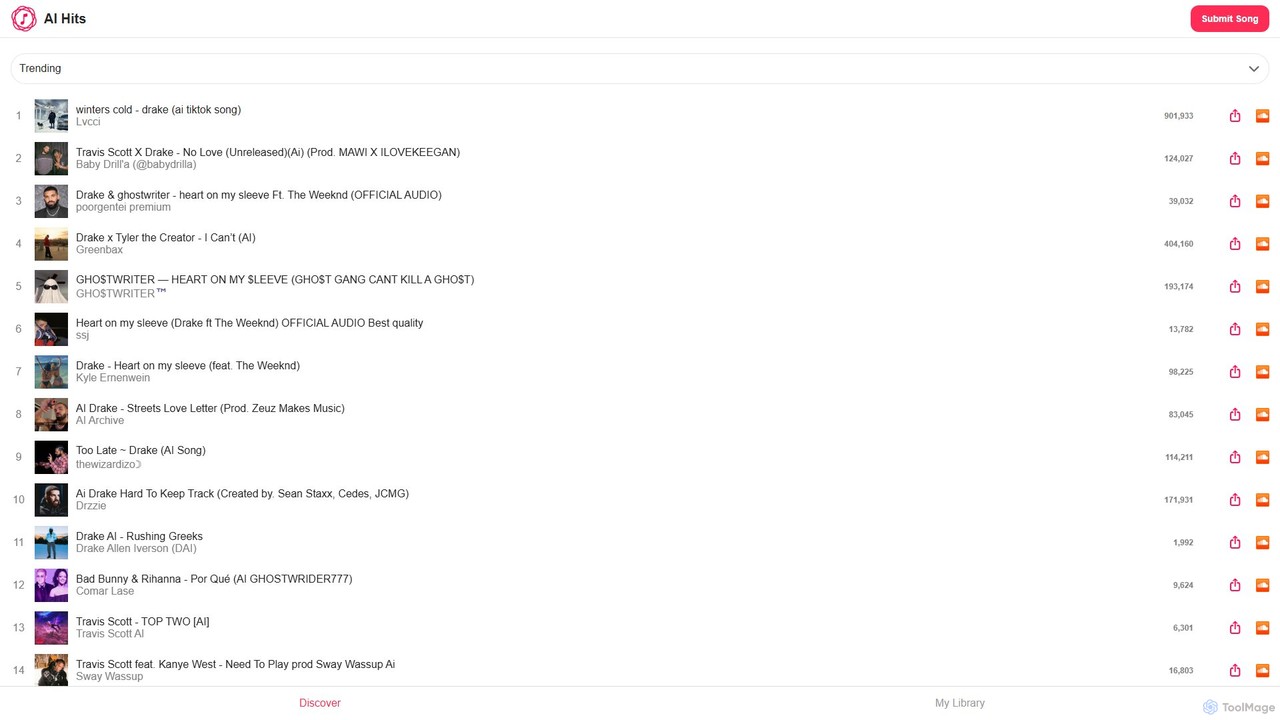
AI Hits

AI Hits is a premier charting and discovery platform dedicated to AI-generated music. It curates and ranks the most popular AI songs and covers, featuring AI-cloned voices of famous artists like Drake and The Weeknd. Explore daily, weekly, and all-time charts to stay on top of the latest trends in the rapidly evolving world of AI music.

Voice Cloning
Visits 6.2KFavorites 126Likes 144
LANDR Composer
Paid

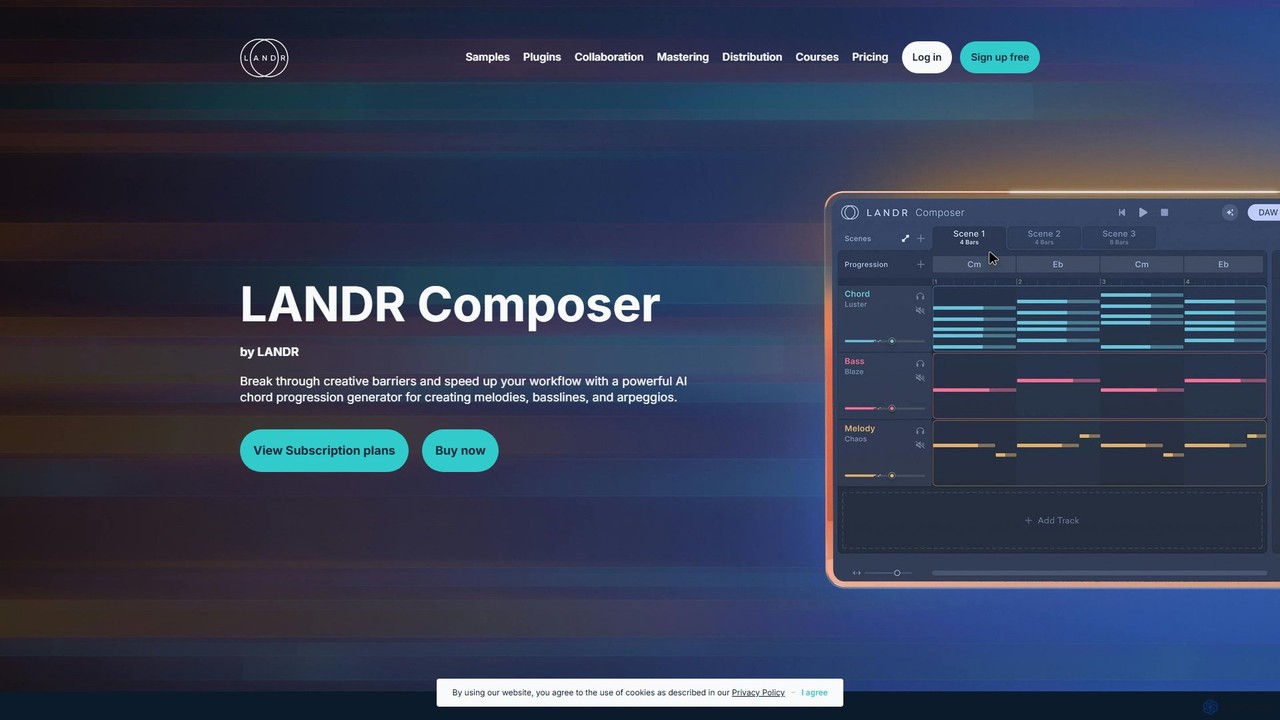
LANDR Composer

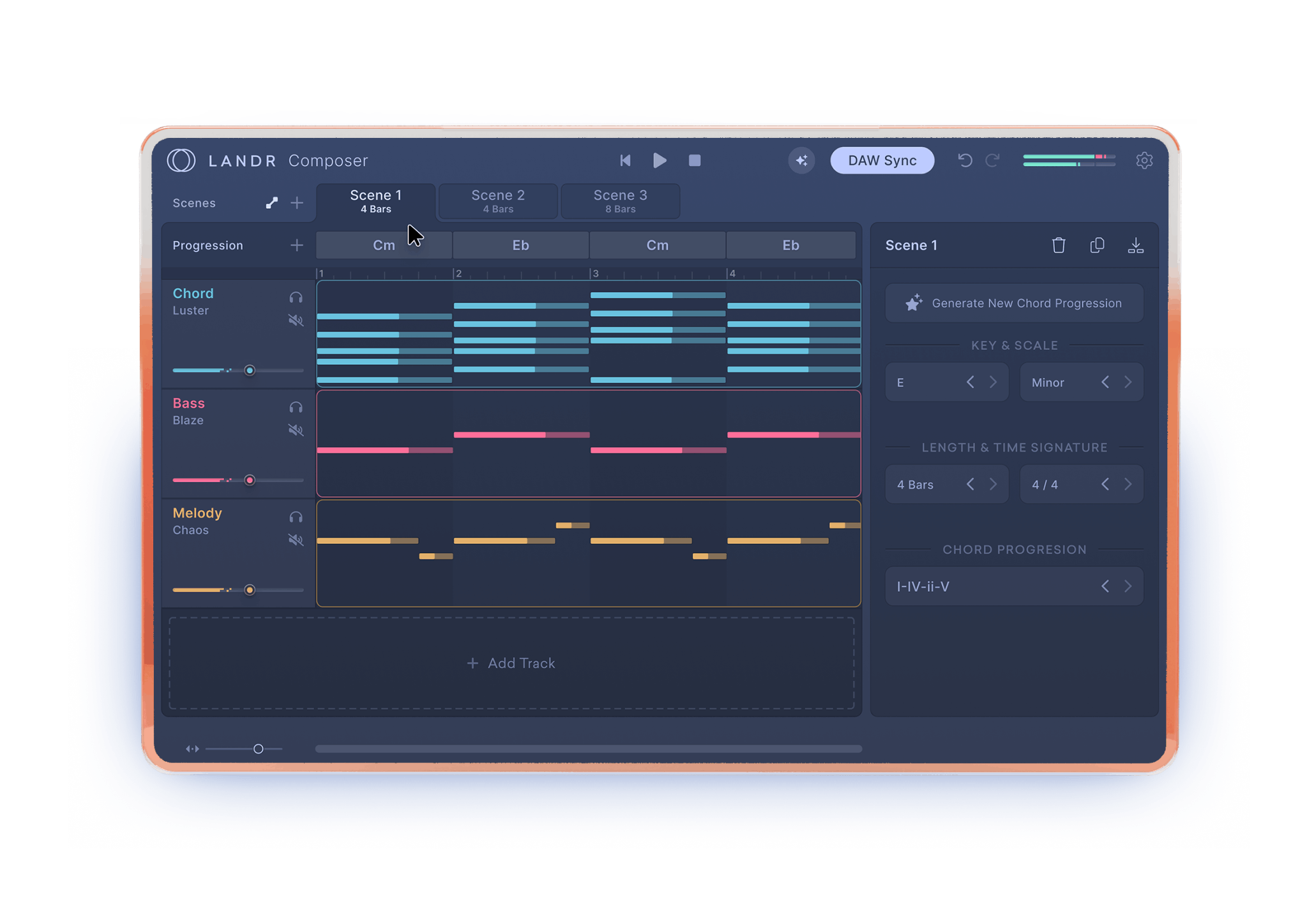
LANDR Composer is a powerful AI plugin that generates inspiring chord progressions, melodies, basslines, and arpeggios. It's designed to break through creative barriers and accelerate the music production workflow for artists of all skill levels, integrating seamlessly with any DAW.

Production
Visits 1.8MFavorites 138Likes 135
bongocat
Freemium

bongocat

An AI-powered creative tool that generates interactive, music-synced animations and rhythms. Perfect for content creators, streamers, and musicians to produce engaging visual content, interactive stream overlays, and unique meme-style videos effortlessly.

Meme Generator
Visits 7KFavorites 129Likes 140
VocalReplica
Freemium

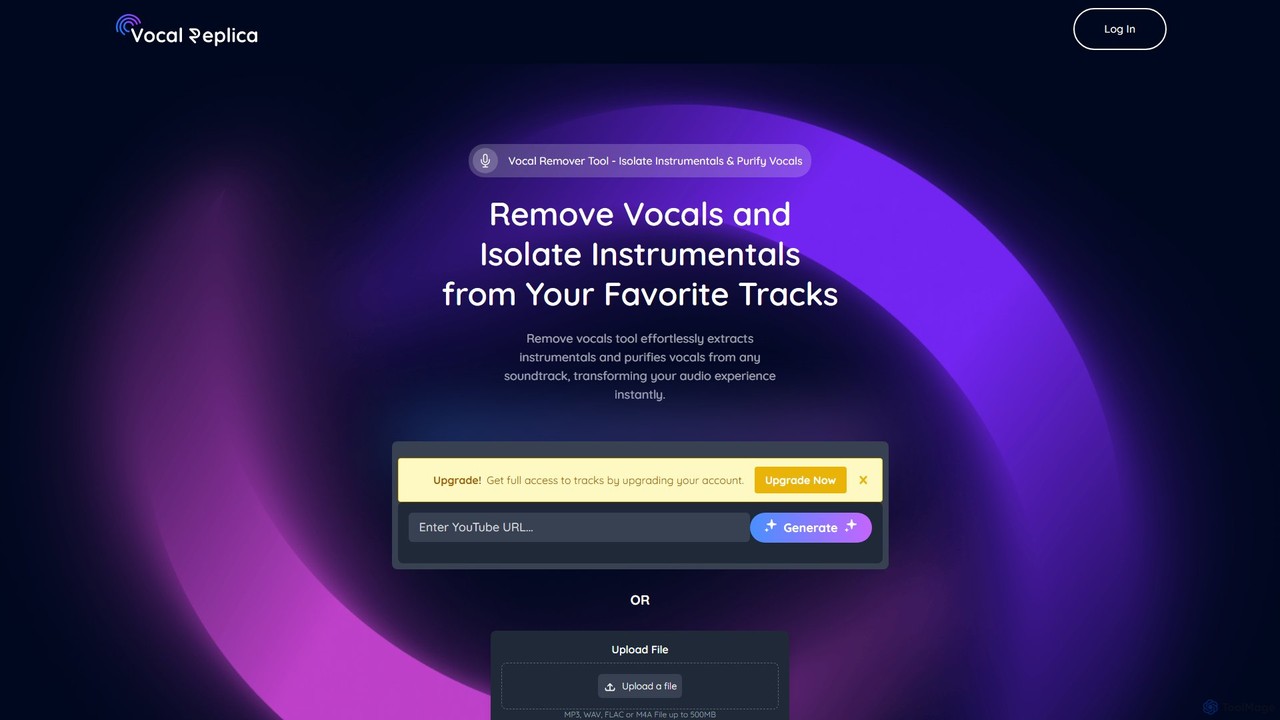
VocalReplica

VocalReplica is an advanced AI-powered tool for high-precision vocal and instrumental separation. It enables musicians, DJs, and producers to easily isolate clean vocal and instrumental tracks from any song by uploading an audio file or pasting a YouTube URL.

Audio Editing
Visits 6.5KFavorites 147Likes 155
GiftSong
Freemium

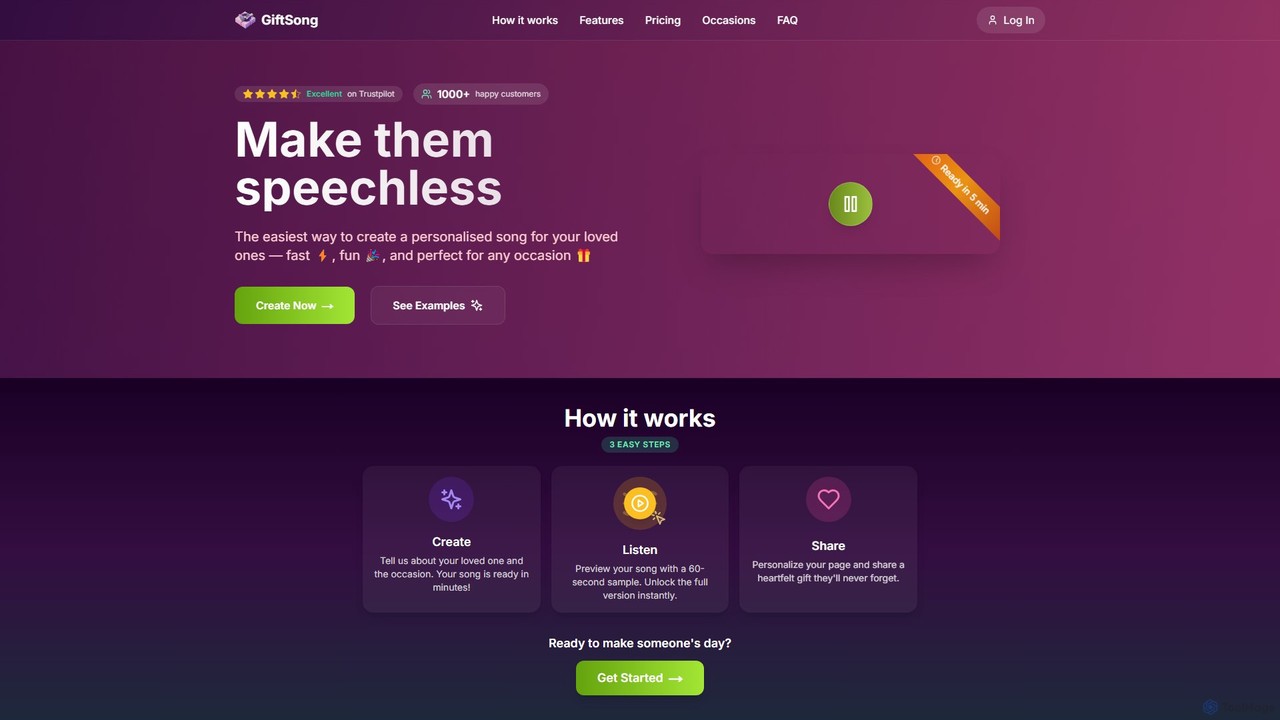
GiftSong

GiftSong is an AI-powered platform that creates personalized songs for any occasion. Simply provide details about your loved one, and in minutes, receive a unique, studio-quality song with custom lyrics. It's a fast, fun, and heartfelt way to make someone feel special and create a lasting memory.

Gifts
Visits 135.4KFavorites 125Likes 128
Melobytes
Freemium

Melobytes

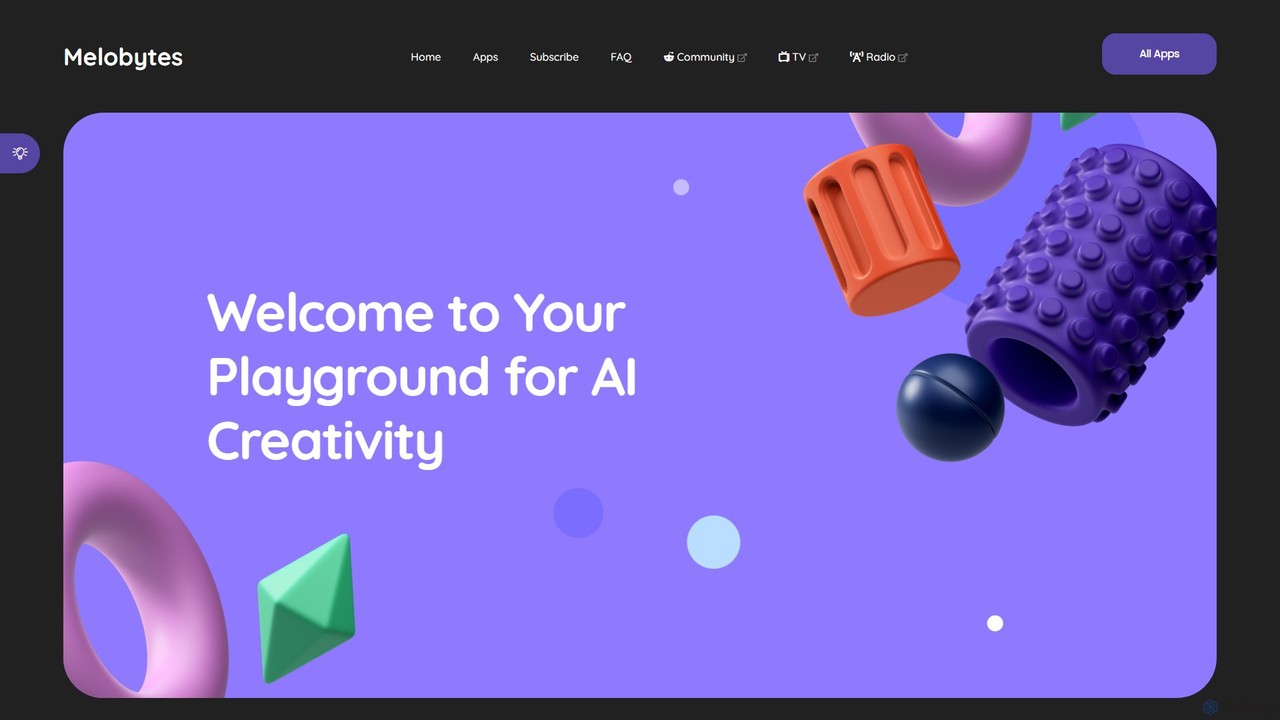
Melobytes is a comprehensive online suite of over 100 AI-powered creative tools. It serves as a digital playground for generating music from text and images, creating AI videos, editing audio, generating art, and much more, catering to both hobbyists and content creators.

Audio Editing
Visits 417.3KFavorites 117Likes 129
dicelacancion
Free

dicelacancion

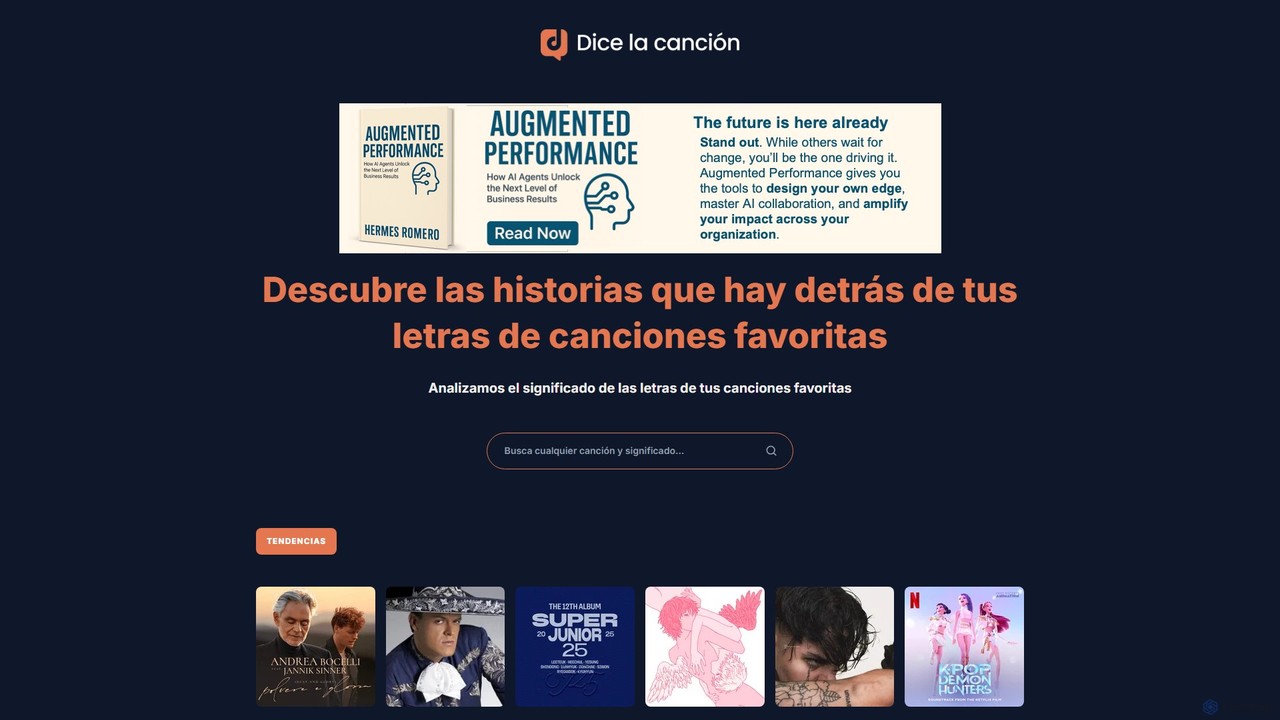
An AI-powered platform dedicated to uncovering the deeper meaning behind song lyrics. It provides a vast database of songs with detailed interpretations, translations, and thematic analyses, helping music lovers connect with their favorite artists on a new level.

Language Learning
Visits 14.7KFavorites 137Likes 138
API.box
Freemium

API.box

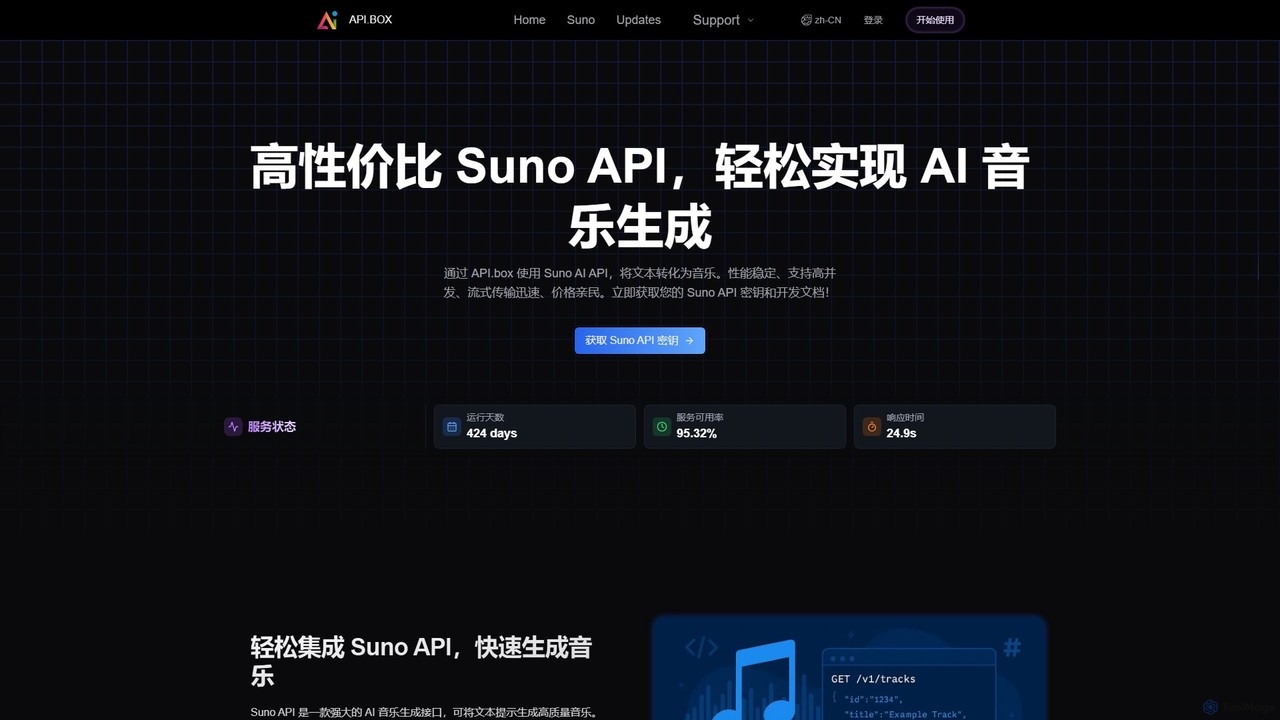
API.box provides a cost-effective, high-performance, and stable unofficial API for Suno AI, enabling developers and creators to easily integrate advanced AI music generation. It offers enhanced features like vocal removal, AI lyric generation, and watermark-free audio output.

Api
Visits 5.8KFavorites 129Likes 123
MyVocal.ai
Freemium

MyVocal.ai

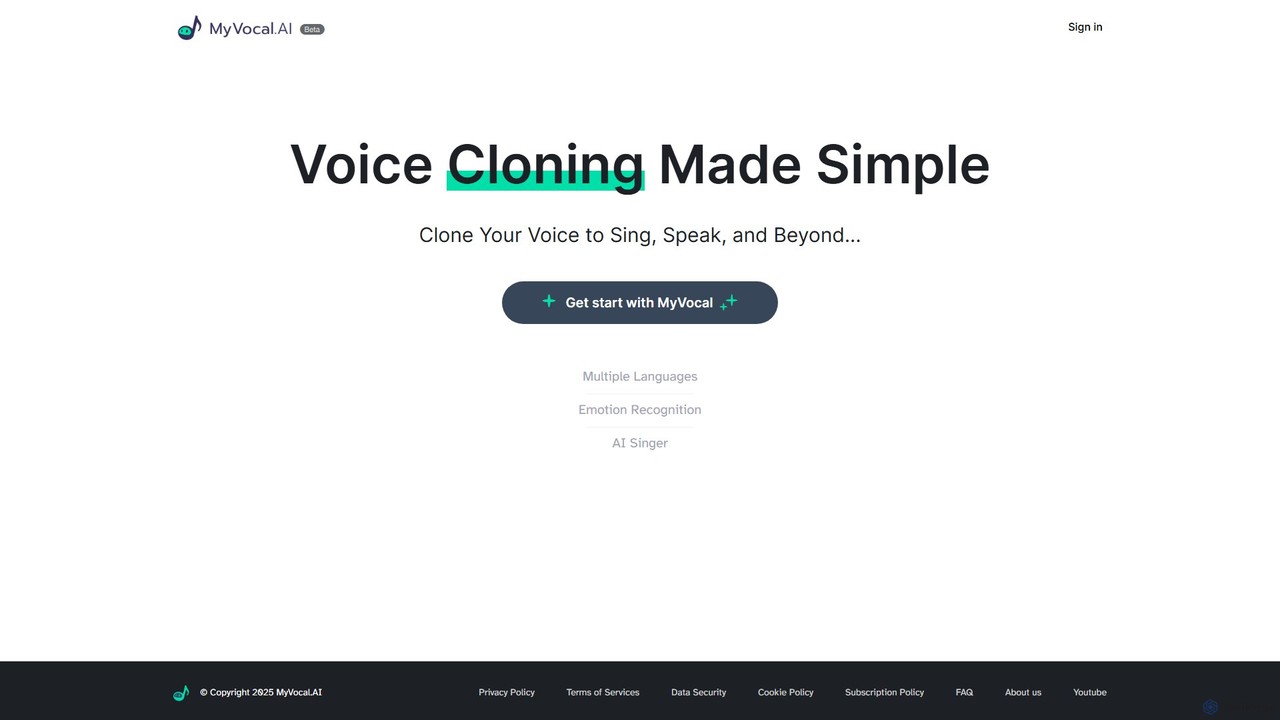
MyVocal.ai is a powerful AI voice platform for instant voice cloning, AI singing, and multi-language text-to-speech. Clone your voice in minutes to create realistic voiceovers, generate expressive song covers, and speak in multiple languages with emotional nuance.

Voice Cloning
Visits 58.1KFavorites 136Likes 130

About Music

AI Music tools are AI-powered applications that leverage artificial intelligence to assist in the creation, production, and manipulation of music. These tools utilize machine learning algorithms, deep learning, and neural networks to generate melodies, harmonies, rhythms, and even full compositions, as well as enhance audio quality and automate complex production tasks. They empower musicians, producers, content creators, and hobbyists to explore new creative avenues, streamline workflows, and achieve professional-sounding results with unprecedented ease.

Core Features

  • Generative Composition: Automatically creates original melodies, harmonies, and rhythms based on user input or stylistic preferences.
  • Audio Enhancement: Improves sound quality through AI-driven noise reduction, vocal isolation, and intelligent equalization.
  • Mixing & Mastering Automation: Intelligently balances tracks, applies effects, and optimizes audio for various playback environments.
  • Virtual Instruments & Vocals: Synthesizes realistic instrument sounds and human-like singing voices with customizable parameters.

Use Cases

These tools are widely adopted by independent artists for self-production, content creators needing royalty-free background music, and professional studios for rapid prototyping and sound design. They also serve educators demonstrating music theory concepts and game developers crafting dynamic soundtracks.

How to Choose

When selecting an AI Music tool, consider its generative capabilities (e.g., melody, harmony, full track), the range of virtual instruments and sounds available, its integration with existing Digital Audio Workstations (DAWs), and the level of control it offers over AI-generated outputs. Evaluate the pricing model, ease of use, and the community support for learning and troubleshooting.

Featured tool rankings

Music use cases

1

Generating Royalty-Free Background Music for Videos

Video creators and podcasters often need unique, copyright-free background music to enhance their content. AI Music tools allow them to input desired mood, genre, and duration, generating custom tracks instantly. This saves significant time and cost compared to licensing stock music or hiring a composer, ensuring a consistent audio brand for their channels.

2

Assisting Songwriters with Melody and Harmony Ideas

Musicians facing creative blocks can use AI Music tools to generate fresh melodic phrases, chord progressions, or counter-melodies. By providing a basic theme or style, the AI suggests variations that can spark new ideas, helping songwriters overcome writer's block and accelerate the composition process, leading to more diverse and innovative musical pieces.

3

Automating Mixing and Mastering for Independent Artists

Independent artists and home studio producers often lack the expertise or budget for professional mixing and mastering. AI Music tools can analyze raw tracks, automatically balance levels, apply intelligent compression, EQ, and reverb, and optimize the final mix for various platforms. This democratizes high-quality audio production, allowing artists to release polished tracks.

4

Creating Unique Sound Effects for Game Development

Game developers require a vast library of unique sound effects for immersive gameplay. AI Music tools can generate custom soundscapes, ambient noises, or specific effects (e.g., weapon sounds, creature vocalizations) based on textual descriptions or reference audio. This accelerates asset creation, providing developers with tailored audio elements that perfectly fit their game's aesthetic.

5

Synthesizing Realistic Vocals for Virtual Artists and Demos

Producers working with virtual artists, jingles, or song demos can utilize AI vocal synthesis to create realistic singing voices without needing a human vocalist. Users can input lyrics and choose from various vocal styles, tones, and languages. This enables rapid prototyping of vocal lines, experimentation with different vocal performances, and the creation of complete tracks with virtual singers.

6

Personalizing Music for Wellness and Relaxation Apps

Developers of wellness, meditation, or sleep apps can leverage AI Music tools to generate personalized, adaptive soundscapes. Based on user preferences, biometric data, or desired emotional states, the AI can create unique, non-repetitive ambient music or binaural beats. This offers a highly customized auditory experience, enhancing user engagement and therapeutic outcomes.

Music FAQ

What are AI Music tools?

AI Music tools are software applications that use artificial intelligence, primarily machine learning and deep learning, to create, modify, or enhance musical content. They can generate original compositions, assist with songwriting, automate mixing and mastering, and even synthesize realistic instrument and vocal sounds, transforming how music is made and consumed.

What can AI Music tools do for musicians and producers?

AI Music tools offer a wide range of capabilities for musicians and producers. They can generate new melodies, harmonies, and rhythms to inspire creativity, automate tedious tasks like mixing and mastering to save time, and provide virtual instruments or vocalists for demos or full productions. They also help in sound design, audio restoration, and exploring new sonic textures.

How do AI Music tools generate music?

AI Music tools typically generate music using various machine learning models, such as Generative Adversarial Networks (GANs) or Recurrent Neural Networks (RNNs), trained on vast datasets of existing music. These models learn patterns, structures, and stylistic elements, then apply this knowledge to create new, original pieces based on user-defined parameters like genre, mood, tempo, or specific musical inputs.

How do I choose the right AI Music tool for my needs?

To choose the right AI Music tool, consider your primary goal: are you looking for composition assistance, mixing/mastering automation, sound design, or vocal synthesis? Evaluate the tool's specific features, the quality of its output, its compatibility with your existing workflow (e.g., DAW integration), ease of use, and pricing model. Many tools offer free trials, which are excellent for testing.

Can AI Music tools replace human creativity in music production?

While AI Music tools are incredibly powerful and can generate impressive musical content, they are best viewed as collaborators and assistants rather than replacements for human creativity. They excel at automating repetitive tasks and generating ideas, but the artistic vision, emotional depth, and nuanced storytelling in music still largely stem from human input and direction. AI enhances, rather than diminishes, the creative process.