Privacy Best in category 3 results Secure Tools AI Tool

Popular AI tools in the Secure Tools field of Privacy include Kagi、Enclave AI、NeuroNemesis, etc., helping you quickly improve efficiency.

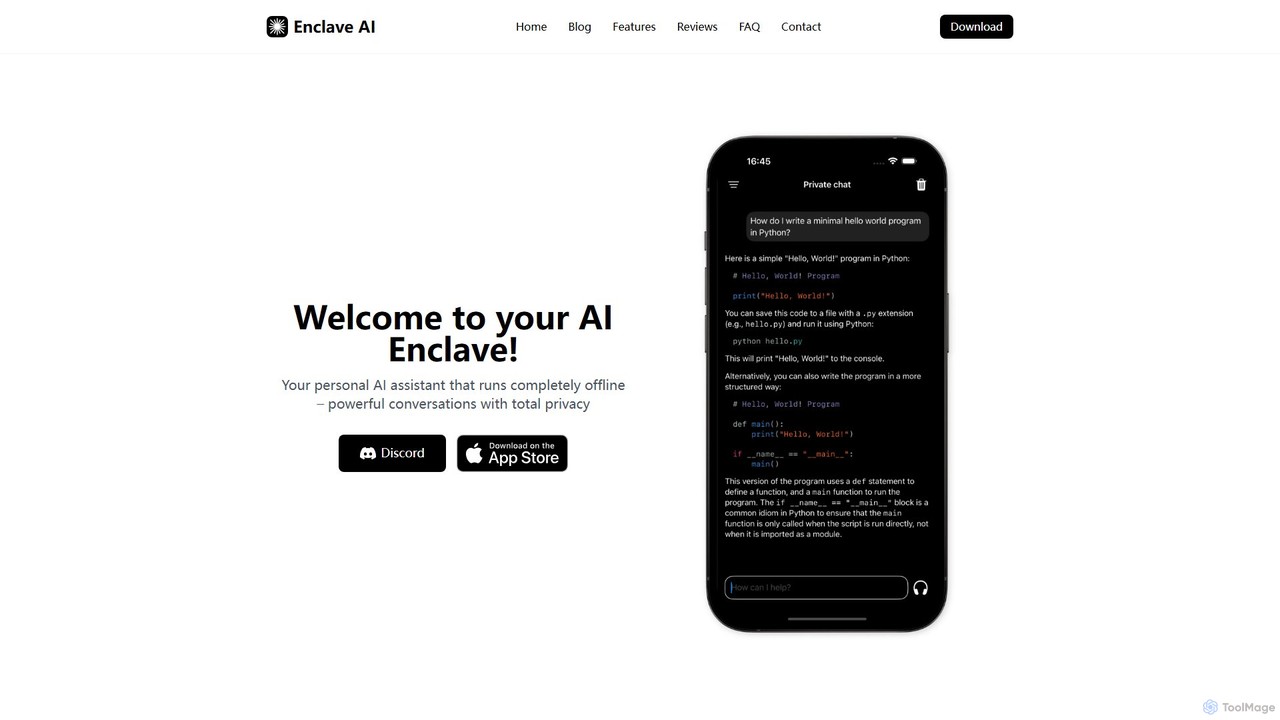
Enclave AI

Enclave AI

Enclave AI is a private, local, and offline AI assistant for macOS and iOS. It runs powerful open-source …

6.9K
Free
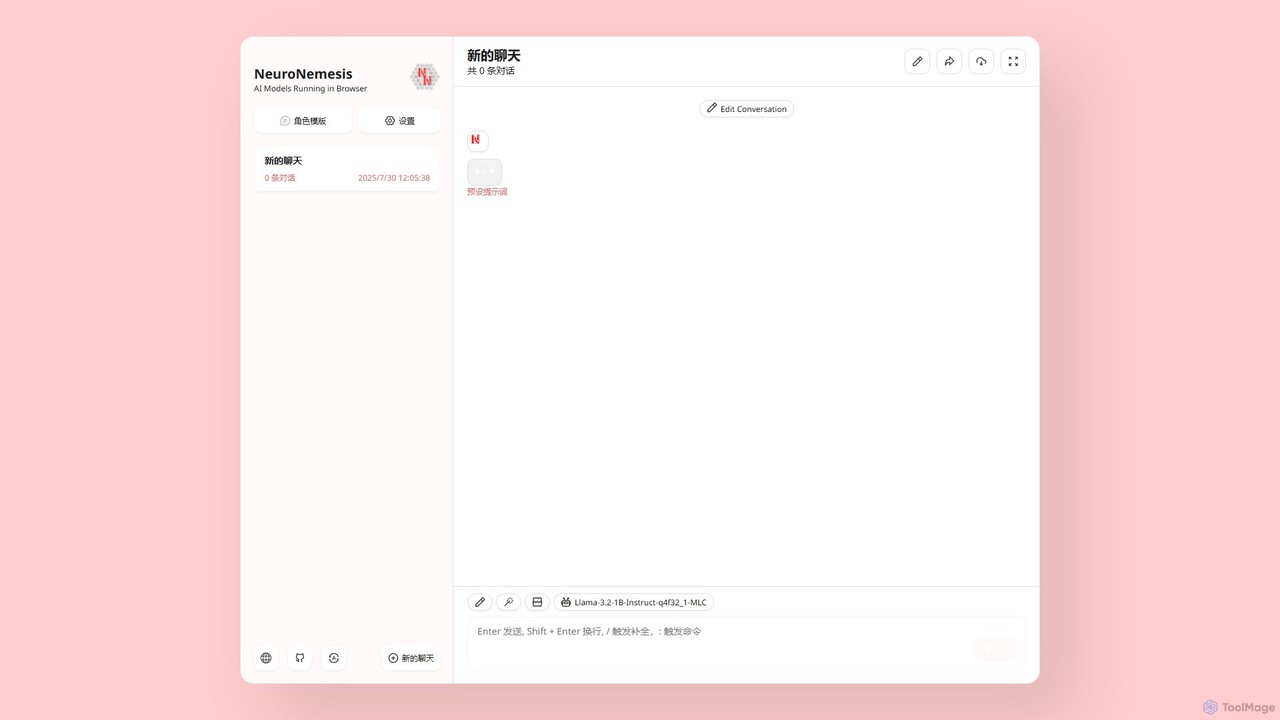
NeuroNemesis

NeuroNemesis

NeuroNemesis is a revolutionary AI chatbot that runs powerful language models directly in your browser. It offers unparalleled …

2.3K
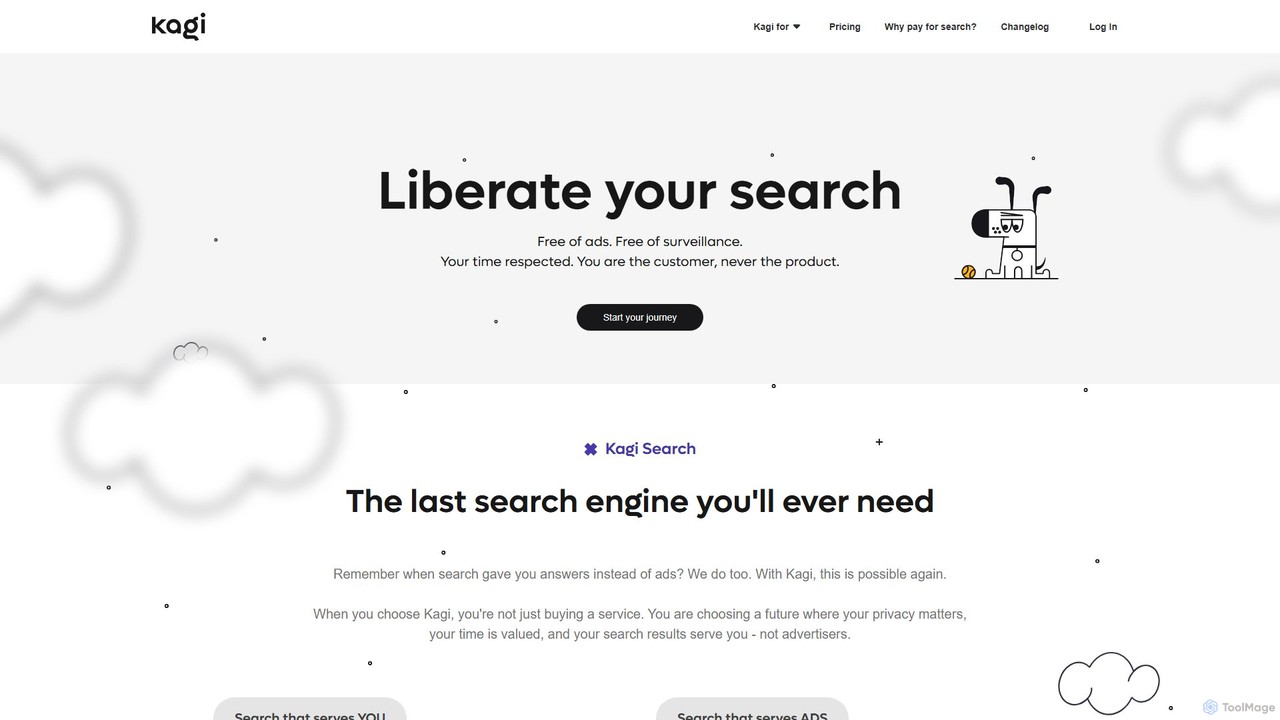
Kagi

Kagi

Kagi is a premium, user-funded search engine that provides a 100% ad-free, private, and customizable search experience. It …

5.9M

About Secure Tools

AI Secure Tools are a class of applications designed with data protection, threat prevention, and system integrity as their core principles. These tools leverage advanced security protocols like end-to-end encryption and zero-knowledge architecture to ensure that user data remains confidential and inaccessible, even to the service provider. Their primary value lies in safeguarding sensitive information, securing digital assets, and maintaining operational resilience against cyber threats. As a crucial component of the broader Privacy category, they provide the foundational technical measures necessary to enforce data privacy policies.

Core Features

  • End-to-End Encryption (E2EE): Ensures that data is encrypted at its origin and can only be decrypted by the intended recipient, preventing interception.
  • Zero-Knowledge Architecture: The service provider has no access to or knowledge of the user's data, as encryption keys are managed solely by the user.
  • AI-Powered Threat Detection: Utilizes machine learning to proactively identify, analyze, and neutralize malware, phishing attacks, and other anomalous activities in real-time.
  • Vulnerability Scanning: Automates the process of scanning code, applications, and networks to discover and report security weaknesses before they can be exploited.
  • Compliance & Auditing: Adheres to stringent data protection regulations (like GDPR, HIPAA) and often undergoes independent security audits to verify its security posture.

Use Cases

AI Secure Tools are essential for industries and roles handling confidential data. This includes software development for secure coding practices, healthcare for protecting patient records (PHI), finance for securing financial transactions, and legal services for maintaining client-attorney privilege. They are also vital for enterprises protecting intellectual property and trade secrets.

How to Choose

When selecting an AI Secure Tool, prioritize its security architecture, such as the implementation of E2EE or zero-knowledge principles. Verify its compliance with relevant industry standards (e.g., SOC 2, ISO 27001). Look for transparency in its security practices, including the availability of third-party audit reports. Also, consider its integration capabilities with your existing security stack and its data residency options.

Secure ToolsUse Cases

1

Secure Software Development Lifecycle (SSDLC)

A DevOps team integrates an AI-powered security tool directly into their CI/CD pipeline. As developers write and commit code, the tool automatically scans for vulnerabilities like SQL injection, cross-site scripting (XSS), and insecure dependencies. It provides real-time feedback and remediation suggestions within the developer's IDE. This proactive approach shifts security left, identifying and fixing potential exploits early in the development cycle, significantly reducing the risk of deploying insecure code to production and cutting down on future remediation costs.

2

Automated Threat Intelligence Analysis

A Security Operations Center (SOC) analyst is tasked with monitoring a vast corporate network. They use an AI security tool to ingest and analyze millions of data points from various sources, including logs, network traffic, and external threat feeds. The AI identifies subtle patterns and anomalies that would be invisible to human analysts, correlating disparate events to uncover sophisticated attack campaigns. It automatically generates prioritized alerts with contextual information, enabling the analyst to focus on the most critical threats and respond up to 90% faster than with manual methods.

3

Secure Communication for Legal Professionals

A law firm needs to exchange highly sensitive documents and case strategies with its clients. They adopt an AI-powered communication platform that features end-to-end encryption and zero-knowledge architecture. This ensures that all messages, calls, and file transfers are completely private and inaccessible to any third party, including the platform provider. The tool might also use AI to help organize case files securely or redact sensitive information from documents before sharing, upholding attorney-client privilege and complying with data protection regulations.

4

Protecting Patient Data in Healthcare AI

A hospital uses an AI-powered diagnostic tool to analyze medical images. To comply with HIPAA, the tool is built on a secure platform that anonymizes patient data before processing and uses robust access controls to ensure only authorized medical personnel can view the results. All data, both in transit and at rest, is encrypted using industry-standard algorithms. This secure environment allows the hospital to leverage cutting-edge AI for better patient outcomes without compromising the confidentiality and integrity of Protected Health Information (PHI).

5

Secure Financial Fraud Detection

A fintech company employs an AI system to analyze millions of daily transactions for fraudulent activity. The platform is SOC 2 compliant and operates in a secure cloud environment with strict network segmentation and intrusion detection systems. The AI models are trained on encrypted, tokenized data to prevent exposure of sensitive customer financial information. This allows the company to accurately detect and block fraudulent transactions in real-time while maintaining the highest standards of data security and regulatory compliance.

6

Private AI Chat for Corporate Strategy

A corporate strategy team uses a secure AI chat assistant to brainstorm and analyze confidential business plans. Unlike public AI models, this tool processes all prompts and data locally on the user's device or within a private, encrypted cloud instance. This zero-knowledge approach ensures that sensitive information, such as upcoming product launches, financial forecasts, or M&A discussions, is never transmitted to external servers or used for training public models. The team can leverage the power of generative AI for competitive analysis and ideation without risking their intellectual property.

Secure ToolsFrequently Asked Questions