ToolMage
Sign in

Best 1 Accountability AI tools for Productivity

Popular Accountability AI tools in Productivity include Morning Buddies, helping you work more efficiently.

Morning Buddies
Free

Morning Buddies

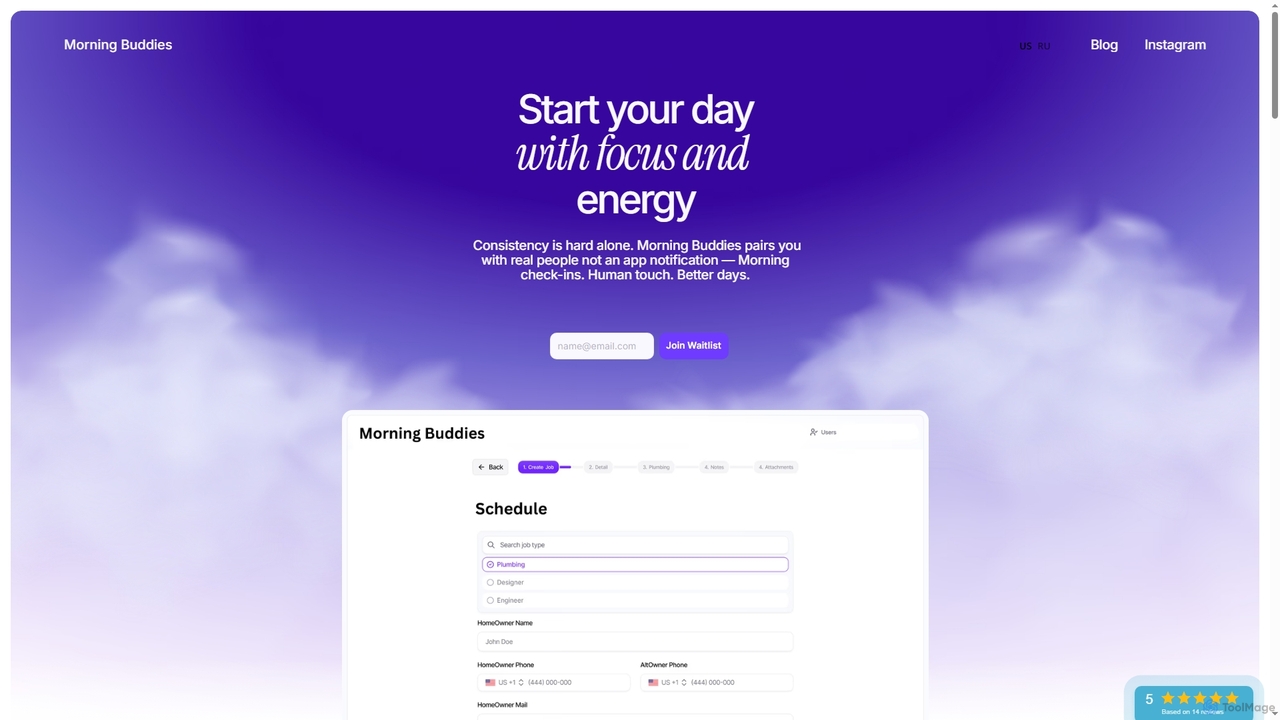
Morning Buddies is a community-driven platform offering daily 10-minute calls with an accountability partner. It helps users define tasks, cultivate a positive mindset, and stay focused to achieve their goals. Access is free via a Telegram bot, providing structured support for a productive start to the day.

Support Network
Visits 5.1KFavorites 142Likes 170

About Accountability

Accountability AI tools are designed to help individuals and teams track progress, maintain commitments, and achieve goals through intelligent monitoring and nudges. These AI-powered platforms leverage behavioral science and data analytics to provide personalized support, ensuring users stay on track with their tasks and objectives. By offering real-time feedback, performance insights, and structured reminders, they foster a culture of responsibility and consistent execution within the broader context of productivity. They are particularly effective in transforming intentions into tangible results by creating a supportive yet firm framework for adherence.

Core Features

  • Goal Setting & Tracking: Facilitates the definition of clear, measurable goals and provides intuitive interfaces for monitoring progress against these objectives.
  • Progress Monitoring & Reporting: Automatically tracks task completion, time spent, and key performance indicators, generating detailed reports on individual and team performance.
  • Automated Reminders & Nudges: Delivers timely notifications and motivational prompts to keep users engaged and focused on their commitments, preventing procrastination.
  • Peer & Team Accountability: Enables shared goal visibility and progress updates among team members, fostering mutual support and collective responsibility.
  • Behavioral Analysis & Insights: Utilizes AI to analyze user patterns, identify potential roadblocks, and offer data-driven recommendations for improving adherence and productivity.

Applicable Scenarios

These tools are invaluable for project managers overseeing complex tasks, individual professionals aiming to build consistent habits, and teams needing to ensure collective adherence to deadlines and objectives. They are also highly beneficial for coaches and mentors who guide clients through personal development or professional milestones, providing a structured way to monitor and reinforce progress.

How to Choose

When selecting an Accountability AI tool, consider its integration capabilities with existing productivity suites, the level of customization offered for goal setting and tracking, and its reporting granularity. Evaluate the user interface for ease of use and the robustness of its reminder and notification systems. Additionally, assess whether it supports individual, peer, or team-based accountability structures, aligning with your specific needs for fostering responsibility and commitment.

Accountability use cases

1

Achieving Personal Goals and Building Habits

Individuals aiming to cultivate new habits or achieve personal milestones, such as learning a new skill or maintaining a fitness routine, can leverage accountability AI tools. By setting daily or weekly targets, the tool provides automated reminders, tracks consistency, and offers motivational feedback, helping users stay committed and transform intentions into consistent actions. This structured approach significantly increases the likelihood of long-term habit formation and goal attainment.

2

Boosting Team Project Adherence and Deadlines

Project managers and team leads utilize accountability AI to ensure all team members meet their assigned tasks and project deadlines. The tools offer shared dashboards for task visibility, automated progress updates, and alerts for potential delays. This fosters collective responsibility, allows for early intervention on bottlenecks, and ensures projects remain on schedule, enhancing overall team productivity and delivery reliability.

3

Monitoring Sales Performance and Coaching

Sales managers deploy these tools to track individual and team sales targets, activity metrics (e.g., calls made, emails sent), and conversion rates. The AI provides real-time performance insights, identifies areas for improvement, and facilitates personalized coaching interventions. This ensures sales professionals are consistently working towards their quotas, improving pipeline management and overall sales effectiveness through data-driven accountability.

4

Maintaining Fitness and Wellness Program Adherence

Individuals following specific fitness or wellness plans, such as diet regimens or exercise routines, benefit from AI accountability. The tools help track daily intake, workout completion, and progress towards health goals. Through smart reminders and progress visualization, users are motivated to stick to their plans, making it easier to build healthy habits and achieve desired physical and mental well-being outcomes consistently.

5

Tracking Academic Study and Learning Progress

Students and lifelong learners can use accountability AI to manage study schedules, track course completion, and monitor progress on assignments or exam preparation. The tools provide structured study plans, remind users of upcoming deadlines, and offer insights into study patterns. This helps maintain discipline, ensures consistent learning, and improves academic performance by keeping learners accountable for their educational commitments.

6

Supporting Client Coaching and Mentorship

Coaches and mentors leverage accountability AI to support their clients in achieving personal or professional development goals. Clients can log their progress, challenges, and commitments within the tool, which then provides the coach with real-time updates and performance data. This enables coaches to offer timely, targeted feedback and support, ensuring clients remain accountable to their development plans and accelerate their growth.

Accountability FAQ

What are Accountability AI tools?

Accountability AI tools are intelligent software solutions designed to help individuals and teams maintain commitments, track progress, and achieve goals through automated monitoring and motivational support. They leverage artificial intelligence to analyze user behavior, provide personalized nudges, and offer insights into adherence patterns. These tools go beyond simple reminders by creating a structured framework that fosters responsibility and consistent action, ultimately enhancing productivity and goal attainment.

How to choose the right Accountability AI tool?

When selecting an Accountability AI tool, consider several factors. First, assess its core features: does it offer robust goal setting, progress tracking, and reporting? Second, evaluate its integration capabilities with your existing productivity apps like calendars or project management software. Third, consider the level of customization for reminders and feedback. Finally, determine if it supports individual, peer, or team-based accountability, ensuring it aligns with your specific needs for fostering commitment and achieving objectives.

What are the key benefits of using Accountability AI tools?

The primary benefits of using Accountability AI tools include enhanced goal attainment, improved consistency in habit formation, and increased overall productivity. They provide objective progress tracking, reducing the likelihood of procrastination and missed deadlines. By offering personalized insights and timely nudges, these tools help users identify and overcome behavioral roadblocks. For teams, they foster a culture of shared responsibility, improve transparency, and ensure collective adherence to project milestones, leading to more reliable outcomes.

How do Accountability AI tools differ from standard task managers?

While standard task managers primarily focus on organizing tasks and setting deadlines, Accountability AI tools go a step further by actively promoting adherence and commitment. Task managers list what needs to be done; accountability tools actively monitor if it *is* being done, providing intelligent feedback, behavioral analysis, and motivational nudges. They often incorporate elements of gamification, social accountability, and predictive analytics to help users overcome procrastination and consistently work towards their goals, making them more proactive in fostering responsibility.

Who can benefit most from Accountability AI tools?

A wide range of individuals and groups can benefit significantly from Accountability AI tools. This includes professionals seeking to improve personal productivity or career development, students managing study schedules and assignments, and anyone aiming to build new habits like fitness or mindfulness. Teams and project managers also find them invaluable for ensuring collective adherence to project timelines and shared objectives. Coaches and mentors can use them to support clients in achieving their personal and professional growth milestones, providing structured progress monitoring.