ToolMage
Sign in

Best 3 Aggregator AI tools for Productivity

Popular Aggregator AI tools in Productivity include Sup AI, AI Collective, and AI Tools Open, helping you work more efficiently.

Sup AI
Free

Sup AI

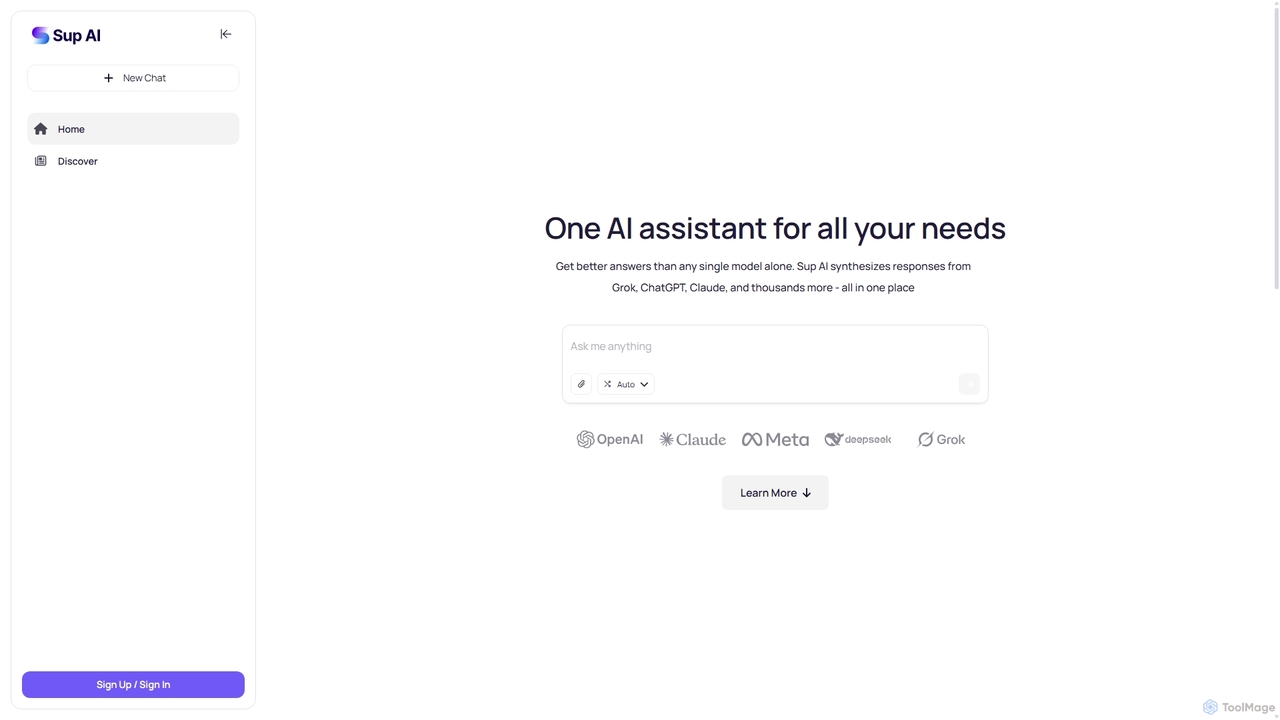
Sup AI is an advanced AI assistant that aggregates and synthesizes responses from multiple leading large language models like Grok, ChatGPT, and Claude. By intelligently routing queries to the best-suited models and combining their outputs, it delivers more accurate, comprehensive, and reliable answers than any single model can. It features a user-friendly interface for direct queries and a powerful API for developers, aiming to eliminate hallucinations and provide well-rounded, fact-checked insights for any need.

Api
Visits 20.2KFavorites 113Likes 105
AI Collective
Paid

AI Collective

AI Collective is a comprehensive platform that centralizes access to over 50 of the world's leading AI models. It offers a unified interface to interact with models from OpenAI, Google, Anthropic, Meta, and more, simplifying the process of leveraging diverse AI capabilities for tasks ranging from content creation and coding to complex reasoning and image generation.

Api
Visits 5KFavorites 138Likes 133
AI Tools Open
Free

AI Tools Open

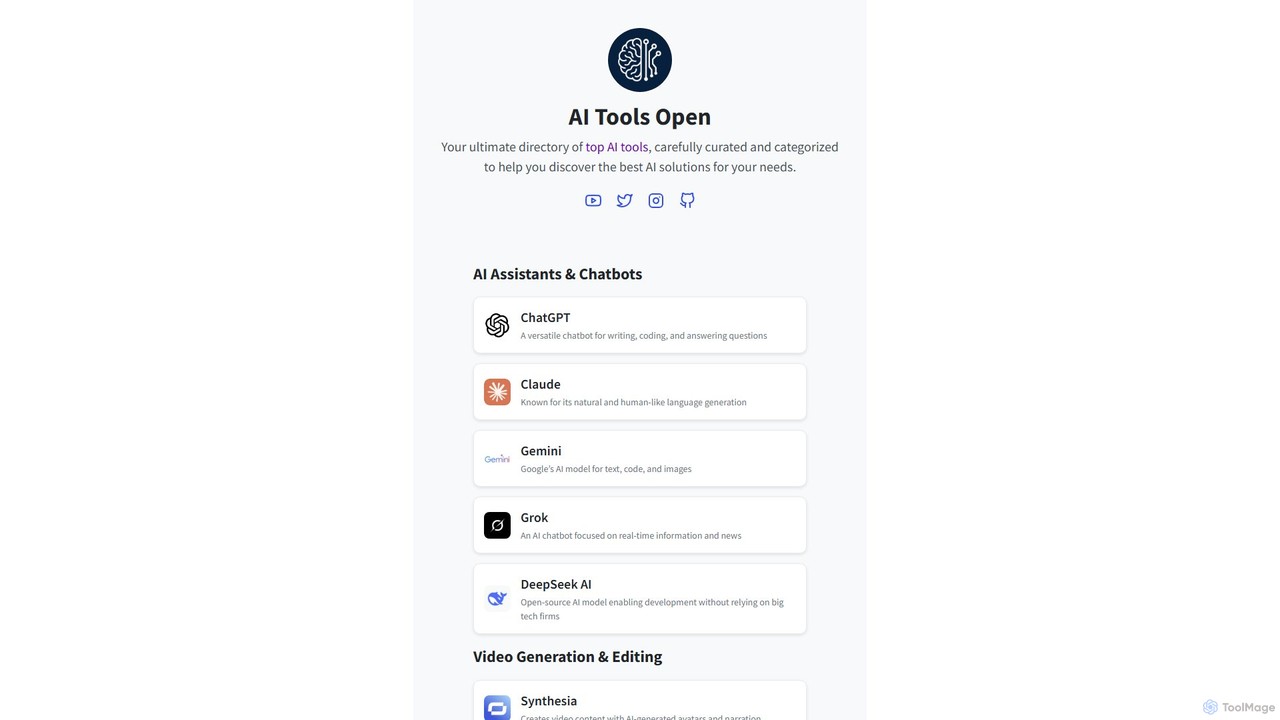
AI Tools Open is a comprehensive directory that curates and categorizes top AI tools, helping users discover the best solutions for their needs. It features detailed listings, a regularly updated blog with in-depth reviews, and a unique collection of free, specialized AI utilities for tasks like creative writing, social media, and dating profile enhancement. It's the ultimate resource for navigating the evolving world of artificial intelligence.

Generator
Visits 4.2KFavorites 121Likes 130

About Aggregator

Aggregators are AI-powered tools that centralize and organize information from diverse sources into a single, cohesive view. These tools leverage AI to intelligently filter, summarize, and personalize content, streamlining data consumption and decision-making. They significantly enhance productivity by eliminating the need to visit multiple platforms for updates and insights, making them a vital component of modern productivity workflows.

Core Features

  • Multi-Source Integration: Connects to various platforms like news feeds, social media, emails, and project management tools.
  • Intelligent Filtering & Prioritization: Uses AI to identify and highlight the most relevant information based on user preferences or predefined rules.
  • Content Summarization: Generates concise summaries of articles, reports, or discussions, saving reading time.
  • Personalized Feeds: Adapts content delivery to individual user interests and past interactions.
  • Real-time Updates: Provides immediate notifications and fresh content as it becomes available from integrated sources.

Use Cases

Professionals needing to stay updated across multiple industry news sources; teams monitoring project progress and communications from various tools; individuals managing personal information streams. These tools are invaluable for anyone overwhelmed by scattered digital information, offering a unified dashboard for critical insights.

How to Choose

When selecting an AI aggregator, evaluate the range of supported integrations, the sophistication of its AI filtering and summarization capabilities, and the customization options for personalized feeds. Consider the clarity and intuitiveness of the user interface, scalability for future data sources, and the pricing model to ensure it aligns with your specific information management needs and budget.

Featured tool rankings

Aggregator use cases

1

Centralizing Industry News & Research

A market analyst needs to stay abreast of developments across five different industry news sites, three research journals, and several expert blogs daily. An AI aggregator tool integrates these sources, intelligently filters out irrelevant articles, and provides a personalized digest of key headlines and summarized reports. This saves hours of manual browsing, ensuring the analyst is always informed about critical market shifts and emerging trends, directly impacting strategic decision-making.

2

Unified Project Progress Monitoring

A project manager oversees multiple projects, with teams using different tools like Jira for tasks, Slack for communication, and Confluence for documentation. An aggregator pulls updates from all these platforms into a single dashboard. It highlights overdue tasks, summarizes recent team discussions, and flags critical decisions, allowing the manager to quickly grasp project status, identify bottlenecks, and intervene proactively without switching between applications.

3

Streamlining Social Media Brand Monitoring

A social media marketing specialist monitors brand mentions, customer feedback, and competitor activities across Twitter, Instagram, and Reddit. An AI aggregator collects all relevant posts, comments, and sentiment data, categorizing them by topic and urgency. This enables the specialist to respond promptly to customer inquiries, identify potential PR issues, and analyze brand perception efficiently, enhancing brand reputation and engagement.

4

Personal Productivity Dashboard Creation

An individual struggles to manage personal information scattered across email inboxes, calendar apps, to-do lists, and note-taking tools. An aggregator integrates these personal data streams, presenting a unified daily briefing. It highlights upcoming appointments, urgent emails, and priority tasks, helping the user maintain focus, manage time effectively, and reduce the cognitive load of switching between multiple personal apps.

5

Automated Competitive Intelligence Gathering

A business development team needs to continuously track competitor product launches, pricing changes, and strategic announcements from their websites, press releases, and financial reports. An AI aggregator automatically scrapes and summarizes this information, identifying key changes and presenting them in a structured format. This provides timely competitive insights, enabling the team to adjust their strategies and maintain a competitive edge.

6

Content Curation for Bloggers & Creators

A content creator specializing in tech reviews needs to find trending topics, gather information from various tech news sites, YouTube channels, and forums, and organize research for new articles. An aggregator tool pulls in content from these diverse sources, filters by relevance to specific keywords, and summarizes key points. This significantly speeds up the research phase, helping the creator generate fresh, relevant content consistently.

Aggregator FAQ

What are AI Aggregators?

AI Aggregators are intelligent tools that automatically collect, process, and present information from multiple digital sources into a single, organized interface. Unlike basic data collection, they leverage artificial intelligence to filter noise, summarize content, and personalize feeds based on user preferences, making information consumption more efficient and relevant. They are designed to centralize scattered data for better insights and enhanced productivity.

How do AI Aggregators differ from traditional RSS readers?

While both collect content, AI Aggregators go beyond the basic feed collection of traditional RSS readers. AI Aggregators use machine learning to intelligently filter, prioritize, and summarize content, reducing information overload and delivering more personalized, relevant insights. RSS readers simply display all new content from subscribed feeds, requiring manual sifting, whereas AI tools actively enhance the value of the aggregated data through smart processing.

What are the key benefits of using an AI Aggregator?

The primary benefits of using an AI Aggregator include significant time savings by centralizing information, improved decision-making through personalized and prioritized insights, and reduced information overload. They help users stay updated across diverse sources without manual browsing, enhance productivity by streamlining data consumption, and ensure critical information isn't missed amidst the digital noise, leading to more informed actions.

How do I choose the best AI Aggregator for my needs?

To choose the best AI Aggregator, consider the range of sources it can integrate with (e.g., news, social media, project tools), the sophistication of its AI filtering and summarization capabilities, and the level of personalization it offers. Evaluate its user interface for ease of use, check for compatibility with your existing workflows, and compare pricing models to ensure it aligns with your budget and specific information management requirements for optimal productivity.

Can AI Aggregators integrate with my existing productivity tools?

Yes, many AI Aggregators are designed with robust integration capabilities to connect with a wide array of existing productivity tools. This often includes email clients, calendar applications, project management software (like Trello or Asana), communication platforms (like Slack), and various content management systems. Such integrations allow for a truly unified information hub, enhancing overall workflow efficiency and data synchronization across your digital ecosystem.