RepublishAI
RepublishAI is an advanced WordPress SEO plugin that automates content creation, optimization, and publishing. It uses AI agents …
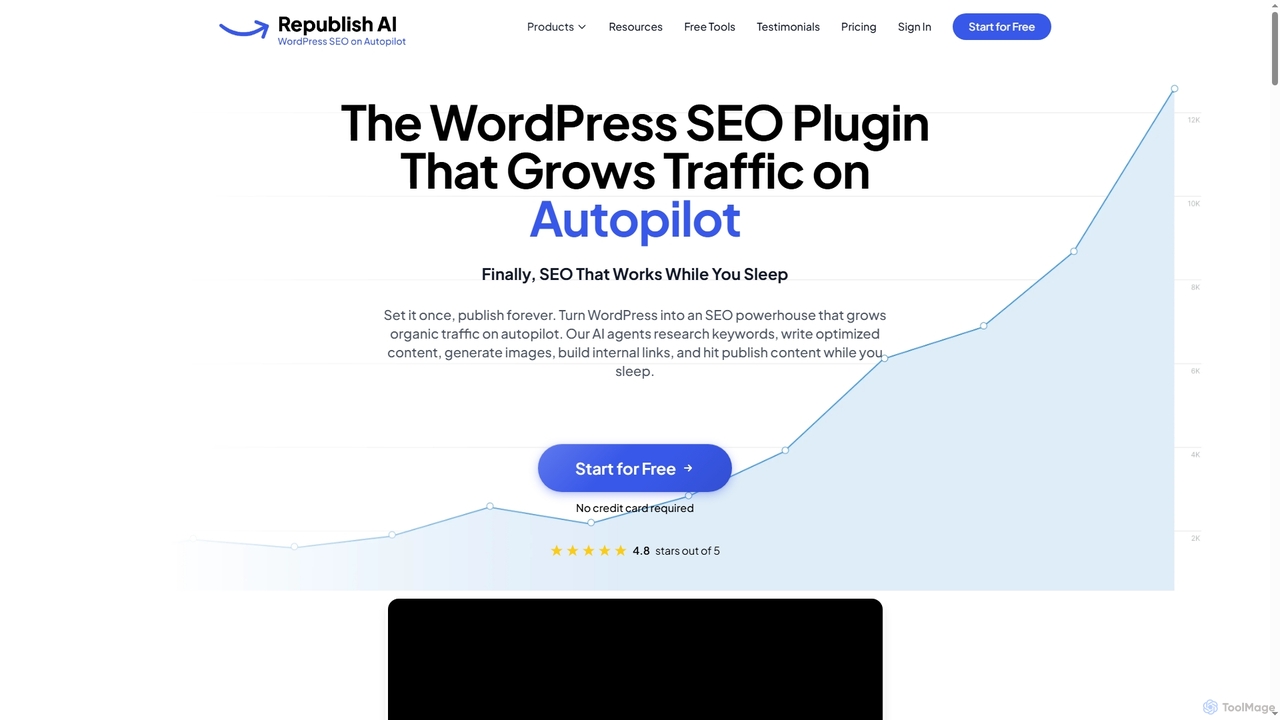
RepublishAI is an advanced WordPress SEO plugin that automates content creation, optimization, and publishing. It uses AI agents to research keywords, write comprehensive articles, generate images, build internal links, and schedule daily posts, helping WordPress blogs grow organic traffic on autopilot.
About Automated Publishing
Automated Publishing tools are AI-driven platforms that streamline the process of scheduling and distributing content across various digital channels. They leverage AI algorithms to analyze audience engagement, suggest optimal posting times, and automatically format content for each specific platform. This enables creators and marketing teams to maintain a consistent online presence, save significant time, and maximize content reach without manual intervention. As a specialized area within Productivity, these tools focus specifically on the final, crucial step of content delivery and performance analysis.
Core Features
- Multi-Channel Scheduling: Plan and automate content posts across social media, blogs, and newsletters from a single calendar.
- AI-Powered Time Optimization: Analyzes audience activity data to recommend the most effective times to publish for maximum engagement.
- Content Repurposing: Automatically adapts a single piece of content, such as a blog post, into various formats suitable for different platforms like Twitter threads or Instagram carousels.
- Unified Performance Analytics: Consolidates engagement metrics from all connected channels into a single dashboard for comprehensive performance tracking.
- Approval Workflows: Facilitates team collaboration by allowing content to be reviewed and approved before it is scheduled to go live.
Use Cases
These tools are widely used by social media managers, digital marketing agencies, content creators, and corporate communication teams. For instance, a marketing team can schedule an entire multi-platform product launch campaign in advance, while a solo blogger can maintain a consistent posting schedule without being online daily. They are essential for any entity managing multiple digital channels.
How to Choose
When selecting an Automated Publishing tool, consider the following: the range of supported platform integrations (does it connect to all your essential channels?), the sophistication of its AI features (e.g., predictive analytics, content suggestions), the depth of its analytics and reporting capabilities, and its suitability for team collaboration, including user roles and approval processes. Finally, evaluate the pricing model based on the number of accounts and users.

Automated PublishingUse Cases
Manage Multi-Channel Social Media Campaigns
A marketing team launching a new product uses an automated publishing tool to coordinate its campaign. They upload all assets—images, videos, and copy—and schedule posts across Instagram, Facebook, LinkedIn, and Twitter from a single dashboard. The AI suggests the optimal posting time for each platform to maximize visibility. It also automatically formats images to the correct aspect ratios, ensuring brand consistency and saving the team hours of manual adjustment and scheduling work.
Maintain a Consistent Blog & Newsletter Schedule
A solo content creator writes several blog posts in one session and uses an automated publishing tool to schedule them for release over the next month on their WordPress site. The tool is configured to automatically generate a summary of each new post and schedule it as a weekly newsletter through an integrated email service. This creates a consistent content pipeline that keeps their audience engaged without requiring daily manual publishing tasks.
Automate E-commerce Product Promotion
An online store owner connects their e-commerce platform (e.g., Shopify) to an automated publishing tool. The tool automatically creates and schedules social media posts for new product arrivals, special promotions, or best-selling items. It pulls product images, descriptions, and prices directly from the store's catalog, generating engaging posts that drive traffic and sales. This automation allows the owner to focus on other business aspects like inventory and customer service.
Streamline Client Account Management for Agencies
A social media marketing agency manages dozens of client accounts from a single automated publishing dashboard. For each client, they create a dedicated content calendar, schedule posts, and use the built-in approval workflow to get client sign-off before anything goes live. The tool's unified analytics allows the agency to generate comprehensive performance reports for each client quickly, demonstrating value and saving significant administrative time.
Repurpose Long-Form Content for Social Media
A B2B marketing team publishes an in-depth research report as a PDF and a blog post. Using an automated publishing tool with AI features, they upload the content. The AI analyzes the text and suggests multiple short-form posts, such as key statistics for Twitter, a professional summary for LinkedIn, and bullet points for an Instagram carousel. The team can then schedule these repurposed snippets over several weeks to maximize the report's reach and value.
Distribute Internal Corporate Communications
An HR department in a large organization uses an automated publishing tool to manage internal announcements. When a new company-wide policy is introduced, they draft the announcement once. The tool then schedules and distributes the message simultaneously across multiple internal channels like Slack, Microsoft Teams, and the company's intranet portal. This ensures all employees receive critical information in a timely and consistent manner, regardless of their preferred communication platform.