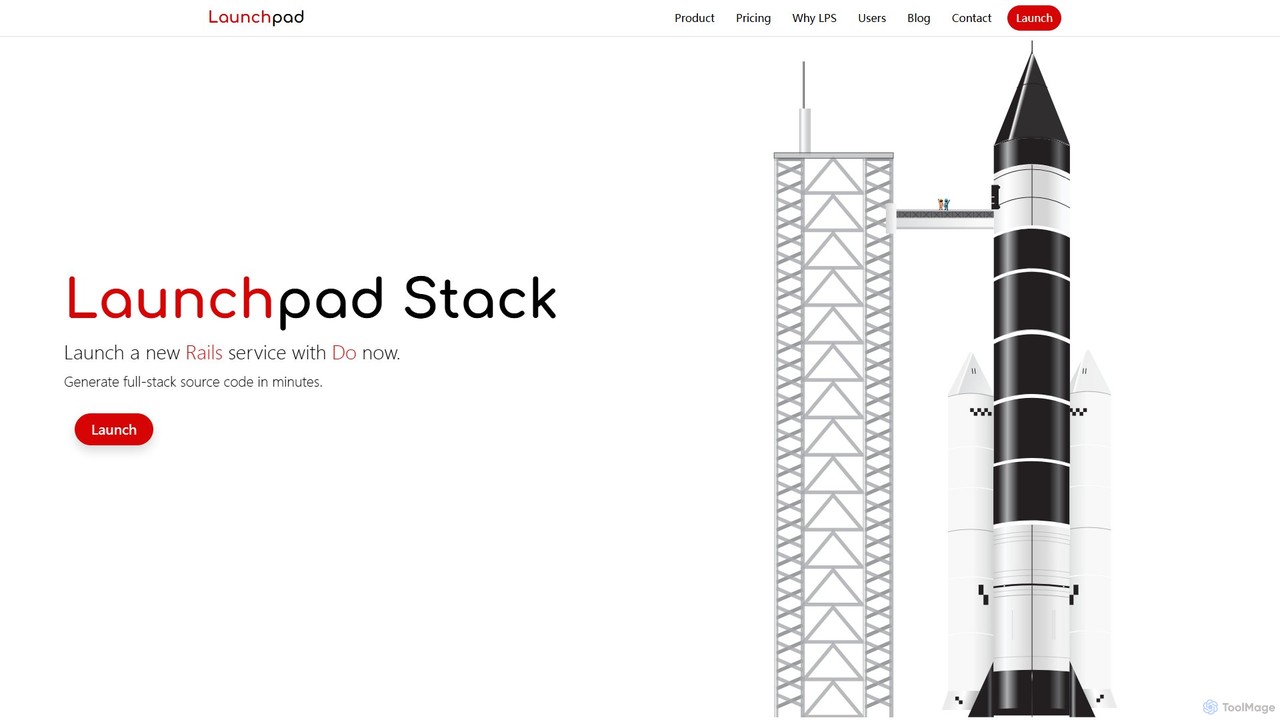
Boilerplate AI tools are specialized applications designed to automate the generation and customization of repetitive code, text, or document structures. These tools leverage artificial intelligence, often including natural language processing (NLP) and machine learning, to understand context and generate relevant, standardized content. They significantly streamline workflows by reducing manual effort in creating foundational elements, allowing users to focus on unique, high-value tasks. As a key component of productivity, AI boilerplate tools enhance consistency and accelerate project initiation across various domains.
Core Features
- Intelligent Template Generation: Automatically creates standard code snippets, document sections, or text blocks based on user input or predefined rules.
- Contextual Adaptation: AI analyzes the surrounding content or project requirements to adapt boilerplate elements, ensuring relevance and coherence.
- Customization & Personalization: Offers flexible options to modify generated content, allowing for specific project needs or branding guidelines.
- Version Control Integration: Seamlessly integrates with version control systems for managing and tracking changes to generated code or documents.
- Multi-language Support: Generates boilerplate content in various languages, catering to global teams and diverse user bases.
Applicable Scenarios
AI boilerplate tools are invaluable for professionals who frequently work with standardized content. Software developers use them to quickly scaffold new projects, create common component structures, or generate API endpoints. Legal professionals leverage these tools for drafting contracts, agreements, and legal notices with consistent clauses. Marketing teams can automate the creation of email templates, social media captions, or ad copy variations, ensuring brand consistency and accelerating campaign launches.
How to Choose
When selecting an AI boilerplate tool, consider its integration capabilities with your existing development environments or document management systems. Evaluate the level of customization offered, ensuring it can adapt to your specific project requirements and branding. Assess the sophistication of its AI model for contextual understanding and generation accuracy. Finally, review its security features, especially if handling sensitive information, and compare pricing models based on your team size and usage volume.