
ToolMage
Sign in

Best 2 Brand Management AI tools for Productivity

Popular Brand Management AI tools in Productivity include Loti AI, helping you work more efficiently.

Loti AI
Freemium

Loti AI

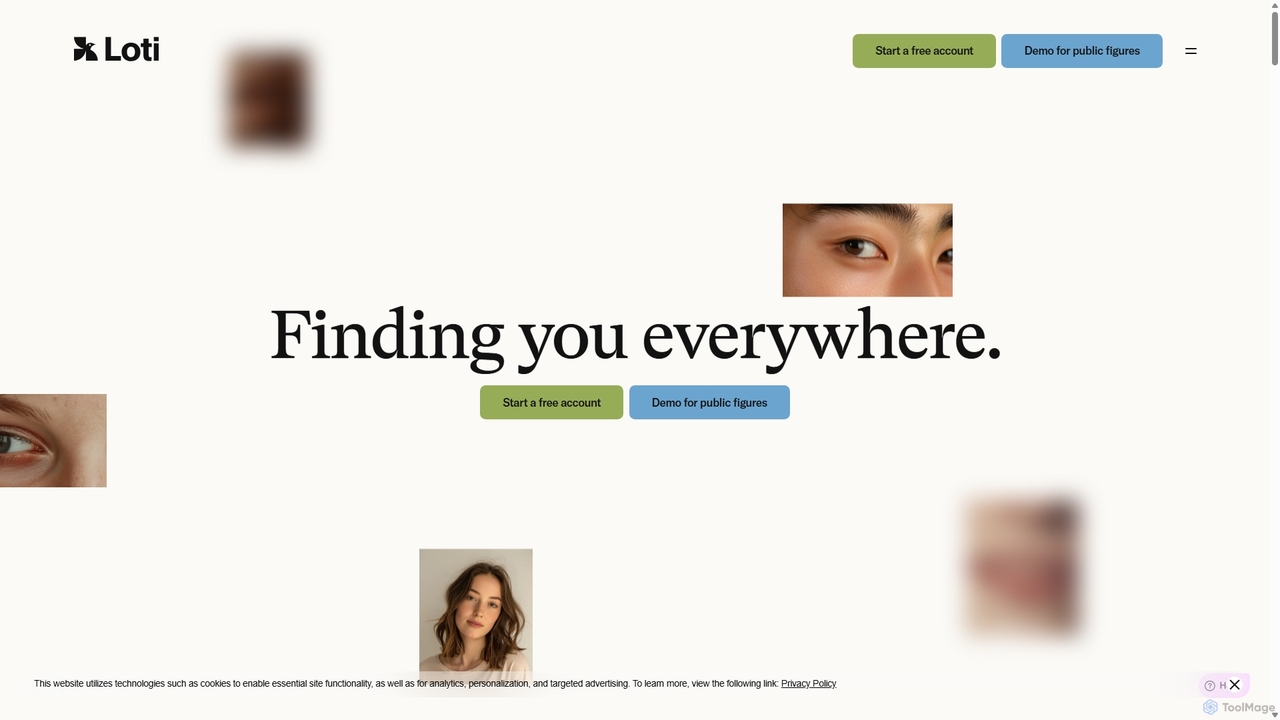
Loti AI is an AI-native digital identity protection platform that empowers individuals, public figures, and enterprises to control their online likeness. It continuously scans the internet for your face and voice, enabling you to quickly find and remove unauthorized content, deepfakes, and impersonations, ensuring your digital self remains secure and authentic.

Compliance
Visits 6.6KFavorites 100Likes 121
Loti AI
Freemium

Loti AI

Loti AI is an AI-native digital identity protection platform that scans the internet for your face and voice. It helps you find and remove unauthorized content, deepfakes, and impersonations, giving you control over your online presence. It offers plans for everyone, from the general public to high-profile celebrities and enterprises.

Content Removal
Visits 16.3KFavorites 112Likes 110

About Brand Management

AI Brand Management tools are a specialized category of productivity software designed to monitor, protect, and enhance a brand's online presence using artificial intelligence. They leverage machine learning and natural language processing (NLP) to analyze vast amounts of data from social media, news sites, and review platforms in real-time. This enables businesses to track brand mentions, gauge public sentiment, identify emerging trends, and manage potential PR crises proactively. Unlike general social media schedulers, these platforms provide deep brand health analytics and automated alerts for reputational risks.

Core Features

  • Sentiment Analysis: Automatically determines the emotional tone (positive, negative, neutral) of brand mentions online.
  • Social Listening & Mention Tracking: Continuously monitors social media, blogs, and news for keywords related to the brand, products, and competitors.
  • Visual Brand Monitoring: Uses image recognition to detect logos and products in images and videos, even without text mentions.
  • Crisis Management Alerts: Provides real-time notifications for significant spikes in negative sentiment or the spread of misinformation.
  • Competitive Intelligence: Tracks competitors' brand positioning, share of voice, and marketing campaigns.

Use Cases

These tools are essential for marketing and PR teams in mid-to-large enterprises to measure campaign effectiveness and manage public perception. Digital agencies employ them to provide comprehensive brand health reports for multiple clients. Additionally, product managers can gather unfiltered customer feedback from online conversations to inform product development strategies.

How to Choose

When selecting a tool, evaluate its data source coverage to ensure it monitors platforms relevant to your audience. Assess the analytical depth, particularly the accuracy of its sentiment analysis in understanding context and sarcasm. Check for integration capabilities with your existing CRM or team collaboration tools. Finally, consider the customizability and speed of its alerting system for effective crisis management.

Brand Management use cases

1

Proactive Public Relations Crisis Management

A PR manager for a global consumer brand receives an automated alert from their AI tool about a rapidly spreading negative story on social media. The platform identifies the source, tracks its virality across different channels, and analyzes the public sentiment in real-time. This data allows the team to quickly understand the scope of the issue and craft a targeted, informed response, mitigating reputational damage before it escalates into a major crisis.

2

Tracking Campaign ROI and Audience Sentiment

A marketing team launches a new ad campaign. Using an AI brand management tool, they monitor brand mentions and hashtags related to the campaign. The dashboard visualizes sentiment trends, showing which messages resonate positively and which receive criticism. This allows for on-the-fly adjustments to optimize campaign performance and measure true audience impact beyond simple engagement metrics like likes or shares.

3

Uncovering Unsolicited Product Feedback

A product manager for a software company wants to understand how users feel about a new feature. The AI tool scours forums like Reddit, developer communities, and review sites for mentions of the feature. It aggregates feedback, categorizes it by sentiment (positive, negative, suggestion), and identifies common pain points, providing actionable insights for the next development cycle without relying on traditional surveys.

4

Monitoring for Trademark Infringement

A legal team at a fashion brand uses an AI tool with visual recognition to scan e-commerce sites and social media for counterfeit products or unauthorized use of their logo. The system automatically flags suspicious listings and posts that use the brand's visual assets without permission. This allows the team to quickly issue takedown notices and protect the brand's intellectual property and revenue streams more efficiently than manual searches.

5

Competitive Share of Voice Analysis

A market analyst needs to understand their brand's position relative to key competitors. The AI brand management platform tracks the volume and sentiment of conversations around their brand versus competitors over time. It generates reports showing 'share of voice' in the market, highlighting competitors' successful campaigns and identifying opportunities where the brand can capture more attention from the target audience.

6

Identifying and Engaging Brand Advocates

A community manager aims to build stronger relationships with loyal customers. The AI tool identifies users who consistently post positive content about the brand and have a high engagement rate. By filtering for these high-impact advocates, the manager can reach out with exclusive offers, feature their content (with permission), and cultivate a powerful network of organic promoters, strengthening brand loyalty and reach.

Brand Management FAQ

What are AI Brand Management tools?

AI Brand Management tools are specialized software that uses artificial intelligence to automatically monitor, analyze, and protect a brand's reputation online. They go beyond simple keyword tracking by employing features like sentiment analysis, image recognition, and trend prediction to provide a comprehensive view of brand health. They are primarily used by marketing, PR, and legal teams to manage public perception and respond to opportunities or threats in real-time.

How do I choose the right AI Brand Management tool?

When choosing a tool, consider these key factors. First, Data Coverage: ensure it monitors the channels where your audience is most active (e.g., social media, forums, news sites). Second, Analytical Quality: assess the accuracy of its sentiment analysis and its ability to detect nuanced conversations. Third, Integration: check if it connects with your existing workflow tools like Slack, CRM, or BI platforms. Finally, Alerting and Reporting: evaluate how customizable and timely its alerts are for crisis management.

What's the difference between Brand Management and Social Media Management tools?

The primary difference is their focus. Social Media Management tools (like Buffer or Hootsuite) are for publishing and engagement on your owned accounts—scheduling posts and responding to comments. AI Brand Management tools are for listening and analysis across the entire web, not just your channels. They monitor conversations about your brand everywhere, analyze sentiment, and identify reputational risks, offering a much broader, analytical perspective on brand health.

What key features should I look for in an AI Brand Management platform?

Look for a platform with a robust set of features. Key functions include:

  • Real-time Social Listening: To track mentions as they happen across various platforms.
  • Advanced Sentiment Analysis: To understand the context and emotion behind mentions, not just keywords.
  • Image Recognition: To find your logo in images and videos even when your brand isn't tagged.
  • Customizable Alerts: To be notified immediately of potential crises or significant opportunities.
  • Competitive Benchmarking: To see how your share of voice and sentiment compare against rivals.
Who typically uses AI Brand Management tools?

These tools are valuable for a range of professionals. Marketing Teams use them to measure campaign impact and audience perception. Public Relations (PR) Specialists rely on them for crisis management and media monitoring. Product Managers gather unfiltered customer feedback for product improvement. Legal Departments use them to track trademark infringements. Essentially, anyone responsible for protecting and growing a brand's reputation can benefit.