Productivity Best in category 1 results Corporate Wellness AI Tool

Popular AI tools in the Corporate Wellness field of Productivity include KinesteX, etc., helping you quickly improve efficiency.

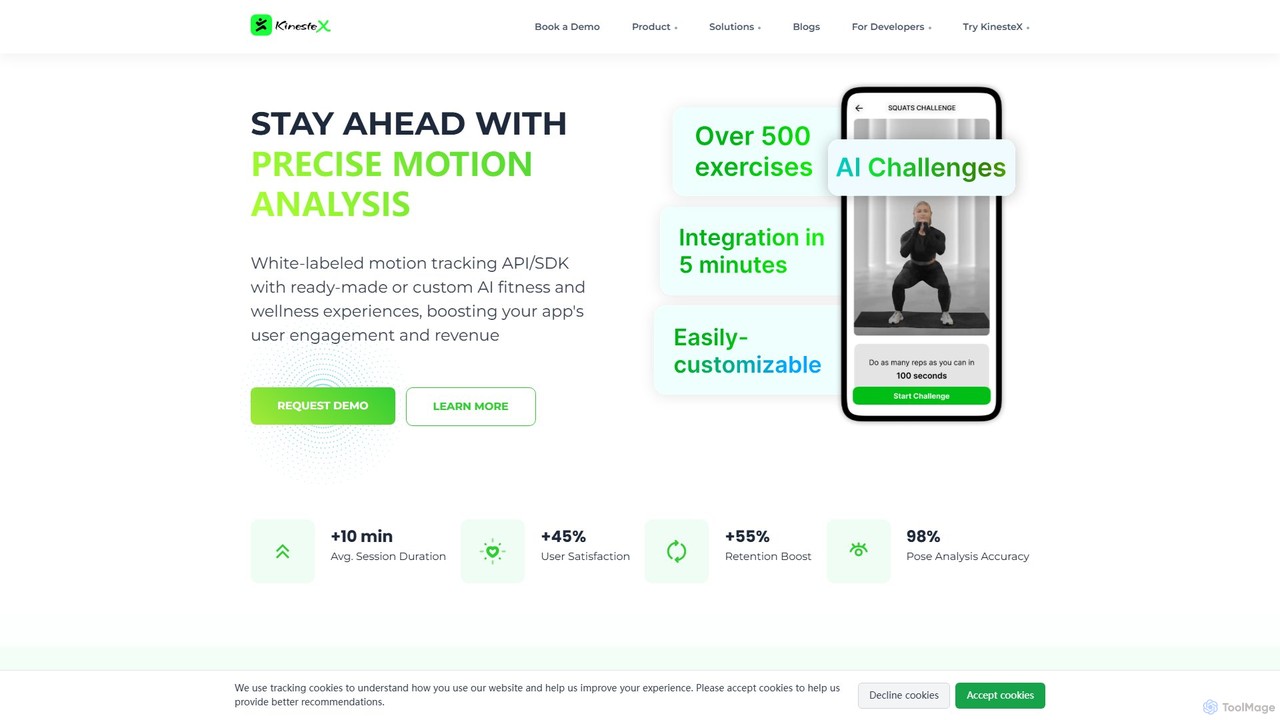
KinesteX

KinesteX

KinesteX is a white-label AI motion tracking SDK that allows developers to integrate real-time, on-device movement analysis into …

3.4K

About Corporate Wellness

AI Corporate Wellness tools are a specialized category of productivity software designed to monitor, analyze, and enhance employee well-being using artificial intelligence. These platforms leverage machine learning to process anonymized data, identifying patterns related to stress, burnout, and engagement. By providing personalized recommendations, confidential support, and actionable insights for management, they help organizations build a healthier, more resilient, and ultimately more productive workforce. This data-driven approach moves beyond traditional wellness programs by offering proactive and scalable solutions.

Core Features

  • Mental Health Chatbots: Provide confidential, 24/7 AI-driven conversational support for stress and anxiety.
  • Burnout Prediction: Analyze anonymized work patterns to identify employees or teams at high risk of burnout.
  • Personalized Wellness Plans: Generate custom fitness, nutrition, and mindfulness recommendations for each employee.
  • Sentiment Analysis: Gauge overall team morale by analyzing anonymized communication data to identify trends.
  • Resource Curation: Automatically suggest relevant articles, workshops, and professional help based on user needs.

Use Cases

These tools are particularly valuable for HR departments, people managers, and leadership teams in medium to large enterprises, especially those with remote or hybrid workforces. They are used to reduce employee turnover, improve engagement, and create data-informed wellness strategies. For instance, a tech company can use them to prevent developer burnout, while a customer service center can monitor agent stress levels in real-time.

How to Choose

When selecting an AI Corporate Wellness tool, consider the scope of its features—does it cover mental, physical, and financial well-being? Evaluate its data privacy and security protocols rigorously to ensure employee trust. Assess its integration capabilities with existing HR systems and communication platforms like Slack or Microsoft Teams. Finally, consider the user experience for both employees and administrators, ensuring the platform is accessible and easy to use.

Corporate WellnessUse Cases

1

Proactive Burnout Prevention for Tech Teams

An HR Business Partner at a fast-growing tech company uses an AI Corporate Wellness platform to monitor team health. The tool integrates with project management software and calendars, analyzing anonymized data like meeting load, after-hours work, and task completion rates. The AI flags a specific engineering team showing early signs of burnout due to a tight deadline. Instead of reacting to turnover, the HR partner proactively provides the team manager with data-backed insights and suggests interventions, such as a 'no-meeting day' or access to on-demand stress management resources, reducing burnout risk by an estimated 30%.

2

Personalized Mental Health Support for Remote Workers

A fully remote employee feels isolated and is struggling to manage work-life balance. They are hesitant to speak with their manager or HR. Using the company's AI wellness platform, they interact with a confidential AI chatbot. The chatbot helps them identify stress triggers through guided conversations and provides immediate, personalized coping strategies, such as mindfulness exercises and time management techniques. It also suggests relevant articles and anonymously connects them to a certified human coach for a session, all within the platform, providing accessible support without stigma.

3

Boosting Engagement with AI-Powered Wellness Challenges

A department manager wants to improve team cohesion and morale. Using the corporate wellness platform, they launch an AI-powered 'Mindful Month' challenge. The AI tool creates personalized daily micro-tasks for each team member, such as a 5-minute meditation, a short walk, or a gratitude journaling prompt, tracking completion through the app. The platform's dashboard visualizes team progress and fosters friendly competition. The AI also sends encouraging notifications and tips based on individual progress. At the end of the month, team engagement scores, measured by a pulse survey within the tool, show a 15% improvement.

4

Data-Driven HR Policy Making

The Head of People at a multinational corporation needs to justify a new flexible work policy. They use the AI wellness platform's analytics dashboard to analyze aggregated, anonymized data across the entire organization. The data reveals a strong correlation between high after-hours activity on communication platforms and lower self-reported well-being scores in specific regions. They present this objective data to the executive board, demonstrating a clear need for policies that encourage work-life boundaries. The policy is approved, leading to a measurable increase in employee satisfaction scores in the following quarter.

5

On-Demand Stress Management for Sales Teams

A sales representative is feeling immense pressure before a high-stakes client presentation. Instead of carrying that stress into the meeting, they open the corporate wellness app on their phone. They access a 3-minute AI-guided breathing exercise designed to reduce acute anxiety. The AI voice coach guides them through the exercise, and the app measures their heart rate variability (if using a wearable) to show a physiological calming effect. This quick, discreet intervention helps the representative enter the presentation feeling more centered and confident, improving their performance and reducing the cumulative impact of work-related stress.

6

Improving Manager Training with Sentiment Analysis

A leadership development team wants to identify which managers need more support. They use the AI wellness tool's aggregated sentiment analysis feature, which analyzes anonymized text from public channels and surveys to gauge team morale without reading individual messages. The dashboard highlights three departments with consistently lower sentiment scores. This allows the L&D team to focus their coaching resources effectively, offering targeted workshops on communication and conflict resolution to the managers of these specific teams, leading to a more positive work environment and improved team performance.

Corporate WellnessFrequently Asked Questions