Productivity Best in category 1 results Digital Assistant AI Tool

Popular AI tools in the Digital Assistant field of Productivity include BhaujAI, etc., helping you quickly improve efficiency.

BhaujAI

BhaujAI

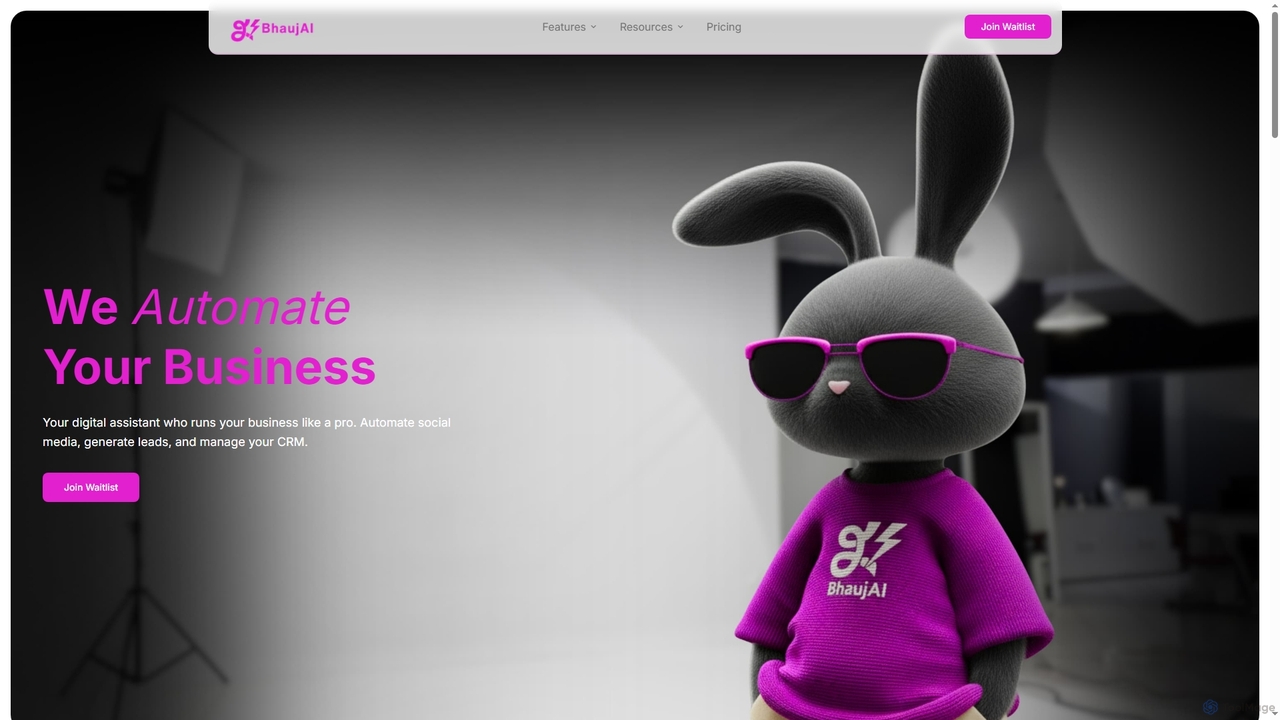
BhaujAI is India's first personalized AI digital assistant designed to automate up to 70% of business operations for …

3.5K

About Digital Assistant

Digital assistants are AI-powered software tools designed to help users automate tasks, retrieve information, and manage daily activities through natural language interaction. These intelligent agents leverage advanced natural language processing (NLP) and machine learning to understand user commands, learn preferences, and provide personalized support. Positioned within the broader productivity category, digital assistants specifically focus on intelligent automation and conversational interfaces to streamline workflows, reduce manual effort, and offer instant access to data and services, thereby significantly enhancing personal and professional efficiency.

Core Features

  • Natural Language Understanding (NLU): Interprets spoken or typed commands and questions, accurately understanding context, intent, and nuances in human language.
  • Proactive Task Automation: Executes routine and complex tasks such as scheduling meetings, sending personalized emails, setting reminders, managing to-do lists, and controlling smart home or office devices.
  • Intelligent Information Retrieval: Accesses, synthesizes, and presents relevant data from various sources, providing quick answers, summaries, real-time updates, and research assistance.
  • Personalization and Learning: Continuously learns user habits, preferences, and historical interactions to offer tailored recommendations, anticipate needs, and provide increasingly proactive and relevant assistance.
  • Seamless Multi-platform Integration: Connects effortlessly with calendars, email clients, messaging apps, CRM systems, project management tools, and other essential productivity platforms.

Use Cases

Digital assistants are invaluable across diverse personal and professional settings. Individuals utilize them for daily organization, managing smart devices, quick information lookups, and hands-free operation. In business, they automate customer service inquiries, provide instant support to internal teams with data access, streamline administrative tasks like expense reporting, and facilitate efficient communication, significantly boosting operational efficiency and freeing up human resources for more complex work.

How to Choose

Selecting the right digital assistant involves evaluating its core functionalities, such as the accuracy of its Natural Language Processing and the breadth of its task automation capabilities, against your specific needs. Crucially, consider its integration ecosystem with your existing software and hardware, the level of personalization and learning it offers, and its data privacy and security protocols. User interface design, ease of setup, and the availability of robust support are also vital for a smooth and effective adoption experience.

Digital AssistantUse Cases

1

Automating Meeting Scheduling & Management

Project managers and executive assistants often spend significant time coordinating meetings with multiple participants across different time zones. A digital assistant integrates with calendars, intelligently finds optimal meeting times based on availability, sends out invitations, and sets automated reminders. This significantly reduces the back-and-forth communication, saving hours of administrative work and minimizing scheduling conflicts, allowing teams to collaborate more efficiently.

2

Automating Meeting Scheduling

For busy professionals, a digital assistant can manage complex meeting schedules. Users simply state their availability and preferences, and the assistant automatically finds suitable times, sends invitations, and updates calendars for all participants, significantly reducing the administrative burden and preventing scheduling conflicts.

3

Rapid Information Retrieval & Content Summarization

Researchers, content creators, and analysts frequently need to quickly grasp key points from lengthy articles, reports, or web pages. A digital assistant can process vast amounts of text, extract main ideas, and provide concise summaries or answer specific questions instantly. This capability significantly accelerates research, improves comprehension, and saves valuable reading time, enabling users to make informed decisions faster.

4

Personalized Information Retrieval

Content creators or researchers can leverage digital assistants to quickly gather specific information. Instead of manually searching multiple sources, they can ask the assistant to find facts, summarize articles, or provide real-time data on a topic, accelerating research and content generation processes.

5

Personalized Task Reminders & Prioritization

Individuals and entrepreneurs managing busy to-do lists often struggle to ensure deadlines are met and to focus on high-impact tasks. A digital assistant learns user habits, provides intelligent reminders for upcoming deadlines, and suggests task prioritization based on urgency and importance. By integrating with project management tools, it helps boost personal organization, reduces missed deadlines, and improves focus on critical objectives, leading to enhanced overall productivity.

6

Streamlining Customer Service Inquiries

Businesses can deploy digital assistants as intelligent chatbots on their websites or messaging platforms. These assistants handle common customer questions, provide instant support, guide users through FAQs, and escalate complex issues to human agents, improving response times and customer satisfaction.

7

Assisting Email Drafting & Communication Optimization

Sales professionals, customer support agents, and marketing specialists often need to draft professional emails, respond to common inquiries, or personalize outreach messages efficiently. A digital assistant can generate draft emails, suggest polite and effective phrasing, correct grammar, and even personalize templates based on recipient data. This capability significantly speeds up communication, ensures a consistent and professional tone, and enhances the overall effectiveness of digital correspondence, improving customer engagement and operational efficiency.

8

Managing Smart Home/Office Devices

Individuals and office managers use digital assistants to control connected devices. From adjusting lighting and temperature to managing security systems and playing music, the assistant provides a centralized, voice-activated interface for seamless environmental control, enhancing comfort and convenience.

9

Cross-Platform Data Synchronization & File Management

Remote workers and freelancers often struggle to keep files and data organized across various cloud storage services, devices, and applications. A digital assistant can act as a central hub, intelligently synchronizing files, categorizing documents, and making them easily searchable across different platforms. This ensures centralized access to all necessary information, reduces the time spent searching for files, and improves data consistency, leading to a more cohesive and efficient digital workflow.

10

Proactive Task and Reminder Management

For individuals juggling multiple projects, a digital assistant can act as a personal organizer. It sets intelligent reminders based on location or time, helps prioritize tasks, creates to-do lists, and even suggests next steps, ensuring important deadlines are met and productivity remains high.

11

Automating Routine Administrative Tasks

Small business owners and office managers often spend considerable time on repetitive administrative duties such as expense tracking, invoice generation, or basic data entry. A digital assistant can integrate with accounting software, automate report generation, or fill out forms based on predefined rules. This significantly reduces administrative overhead, minimizes manual errors, and frees up valuable time for core business activities, contributing to greater operational efficiency and cost savings.

12

Drafting and Sending Communications

Sales professionals or marketing teams can utilize digital assistants to draft emails, compose social media posts, or generate quick responses. By providing key points, the assistant can formulate coherent messages, saving significant time in daily communication tasks and maintaining consistent brand voice.

Digital AssistantFrequently Asked Questions