Productivity Best in category 1 results Employee Onboarding AI Tool

Popular AI tools in the Employee Onboarding field of Productivity include SkillsTeq, etc., helping you quickly improve efficiency.

SkillsTeq

SkillsTeq

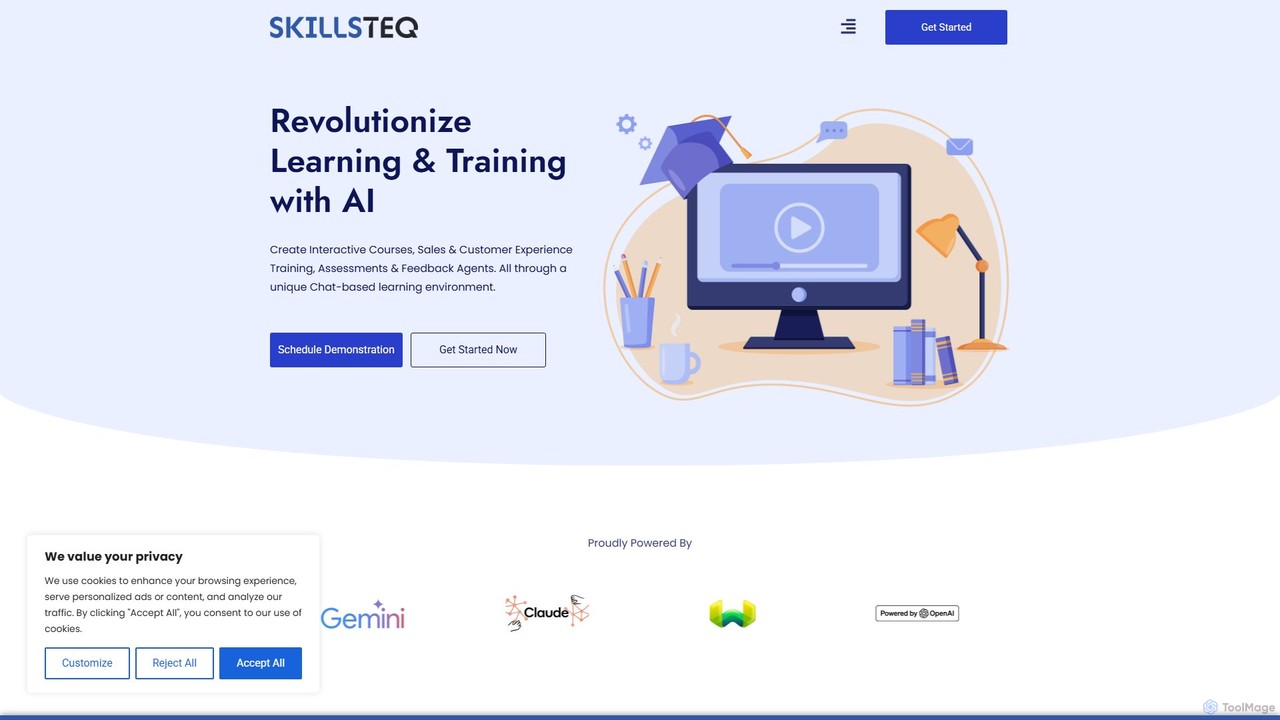
SkillsTeq is an AI-powered platform that revolutionizes corporate training through interactive, chat-based e-learning. It transforms company data into …

3.2K

About Employee Onboarding

AI Employee Onboarding tools are specialized platforms that automate and personalize the process of integrating new hires into an organization. Leveraging artificial intelligence, these systems create tailored learning paths, manage administrative tasks, and provide instant support to new employees. Their primary value lies in accelerating time-to-productivity, improving new hire engagement, and ensuring a consistent, high-quality onboarding experience. By analyzing roles and individual needs, these tools move beyond static checklists to offer a dynamic and adaptive integration process.

Core Features

  • Personalized Onboarding Paths: AI generates custom checklists and training modules based on the employee's role, department, and skill level.
  • AI-Powered Chatbots: Provides 24/7 answers to new hires' common questions about policies, benefits, and company culture.
  • Automated Task Management: Automatically assigns and tracks the completion of paperwork, IT setup, and required training.
  • Sentiment Analysis: Gathers and analyzes feedback to gauge new hire satisfaction and identify potential disengagement early.
  • Smart Buddy Matching: Recommends suitable onboarding buddies or mentors based on shared interests, roles, or skills.

Use Cases

These tools are particularly valuable for fast-growing companies needing to scale their onboarding process, large enterprises with complex departmental needs, and organizations with a significant remote workforce. HR departments, hiring managers, and Learning & Development (L&D) teams use them to ensure consistency, reduce administrative burden, and improve employee retention from day one.

How to Choose

When selecting a tool, consider its integration capabilities with your existing HRIS and communication platforms like Slack or Teams. Evaluate the level of customization available for workflows and content. Also, assess the sophistication of its AI features, such as the chatbot's natural language understanding and the personalization engine's accuracy. Finally, consider the analytics and reporting features to track onboarding effectiveness.

Employee OnboardingUse Cases

1

Automating Onboarding for a Fast-Growing Startup

A rapidly expanding tech startup uses an AI onboarding tool to manage a high volume of new hires. The platform automatically sends welcome emails, assigns role-specific tasks for engineering and sales teams, and schedules introductory meetings. An AI chatbot handles 80% of repetitive questions, freeing up the small HR team to focus on strategic initiatives. This ensures every new hire receives a consistent and thorough onboarding, reducing ramp-up time by an average of 30%.

2

Personalizing Remote Employee Onboarding

A global company with a fully remote workforce leverages an AI platform to create an engaging virtual onboarding experience. The system delivers bite-sized training content tailored to different time zones and provides a virtual 'buddy' matched by AI. It uses automated check-ins and sentiment analysis to monitor the new hire's well-being and integration into the team culture. This proactive approach helps combat the isolation remote workers can feel and significantly improves first-year retention rates.

3

Ensuring Compliance in a Large Enterprise

A financial services firm must adhere to strict regulatory compliance for all new employees. An AI onboarding tool automates the entire process, from distributing policy documents to tracking electronic signatures and verifying required certifications. The system flags any incomplete or missing items for HR follow-up, creating a complete audit trail. This reduces the risk of non-compliance and streamlines a process that previously took weeks of manual administrative work.

4

Accelerating Sales Team Ramp-Up

A B2B software company needs its new sales representatives to become productive as quickly as possible. The AI onboarding tool creates a personalized 90-day plan for each rep, including product knowledge quizzes, mock call simulations, and CRM training modules. The AI analyzes their performance on these tasks and suggests additional resources for areas where they need improvement. This data-driven approach helps sales managers provide targeted coaching and shortens the average time to close the first deal.

5

Improving New Hire Engagement and Feedback

An organization focused on employee experience uses an AI tool to gather continuous feedback during the first 90 days. The platform sends automated pulse surveys and uses sentiment analysis on chatbot conversations to identify friction points in the onboarding process. If a new hire expresses frustration or confusion, the system can alert their manager or HR partner. This allows for timely intervention, making new employees feel heard and supported, which is crucial for long-term retention.

6

Streamlining IT and Equipment Provisioning

For a large corporation, coordinating IT setup for new hires across different departments is a logistical challenge. The AI onboarding tool integrates with the IT service management system. Once a new hire is added, it automatically triggers requests for laptop provisioning, software access, and account creation based on their role and department. This eliminates manual email chains and ensures all necessary equipment and access are ready on the employee's first day.

Employee OnboardingFrequently Asked Questions