Productivity Best in category 9 results Forecasting AI Tool

Popular AI tools in the Forecasting field of Productivity include Lifesight、Nextatlas、yosoku、Focia、Aallie、Futureproof、Faim、Nextatlas Generate、FutureGPT, etc., helping you quickly improve efficiency.

Aallie

Aallie

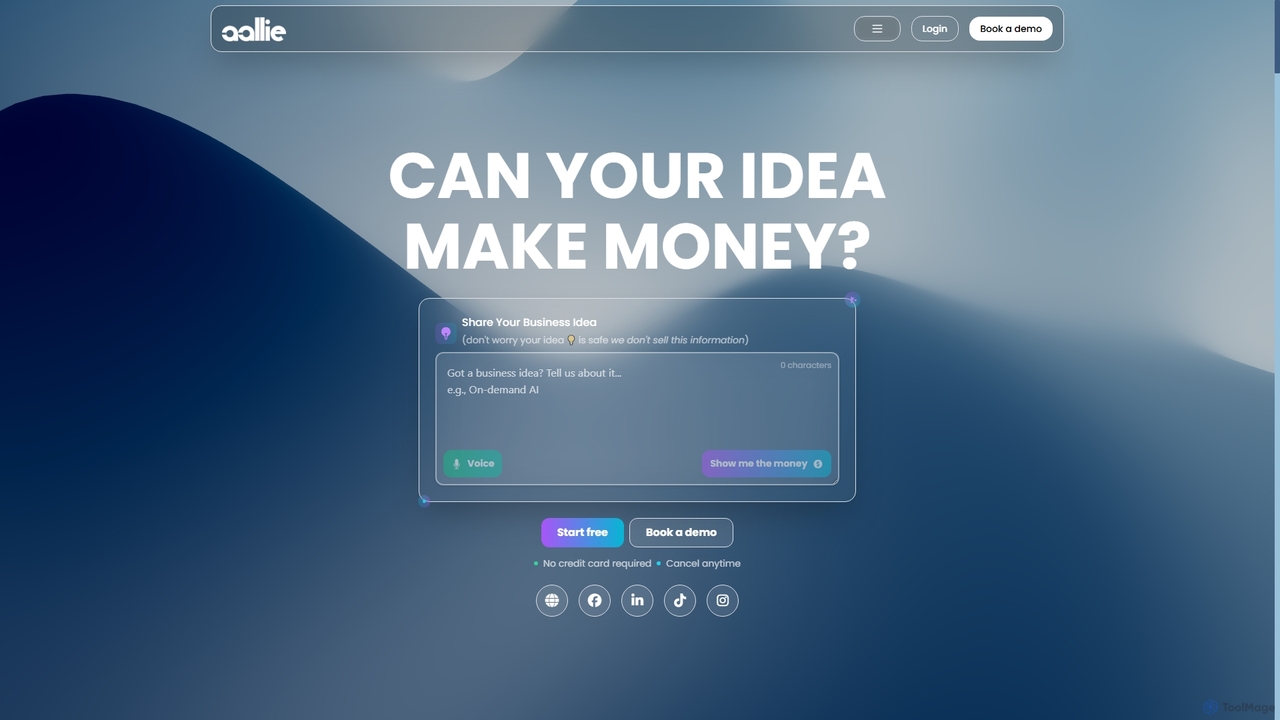
Aallie is an AI-powered financial modeling tool designed for startups and growing businesses. It helps entrepreneurs quickly assess …

2.9K
Faim

Faim

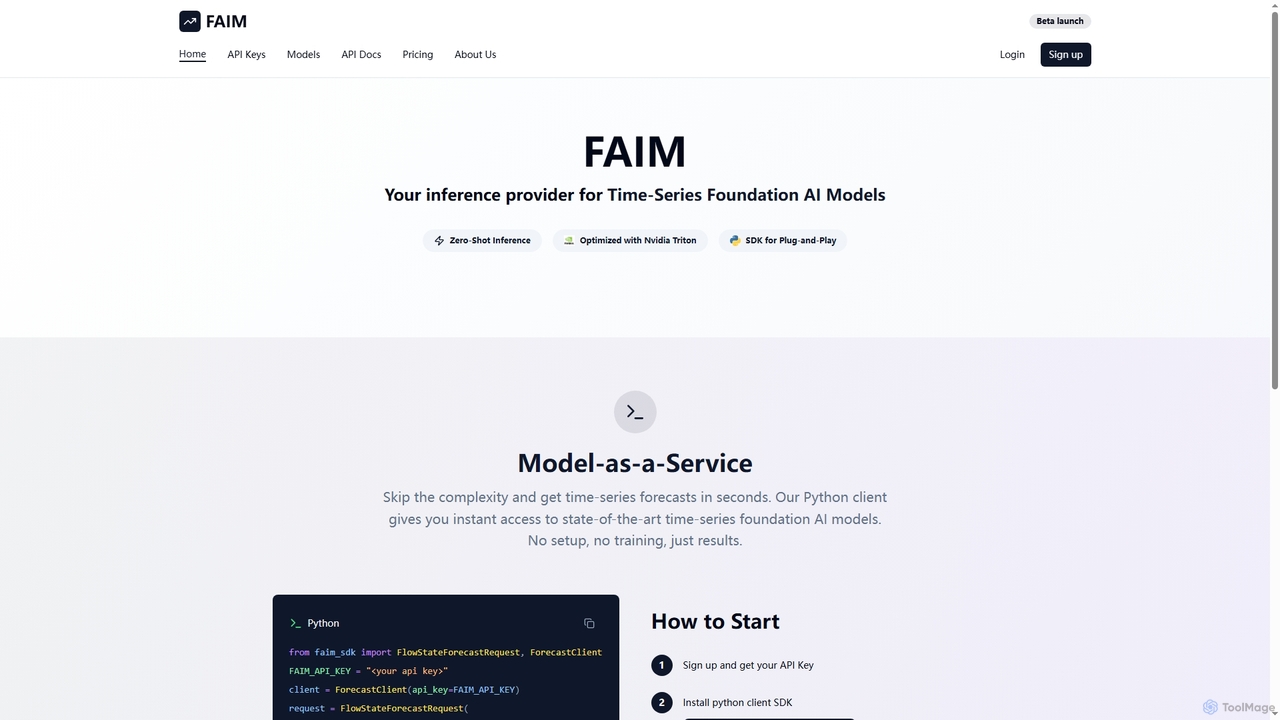
Faim is a Model-as-a-Service platform providing zero-shot inference for time-series forecasting. It offers instant access to state-of-the-art AI …

2.2K
Nextatlas Generate

Nextatlas Generate

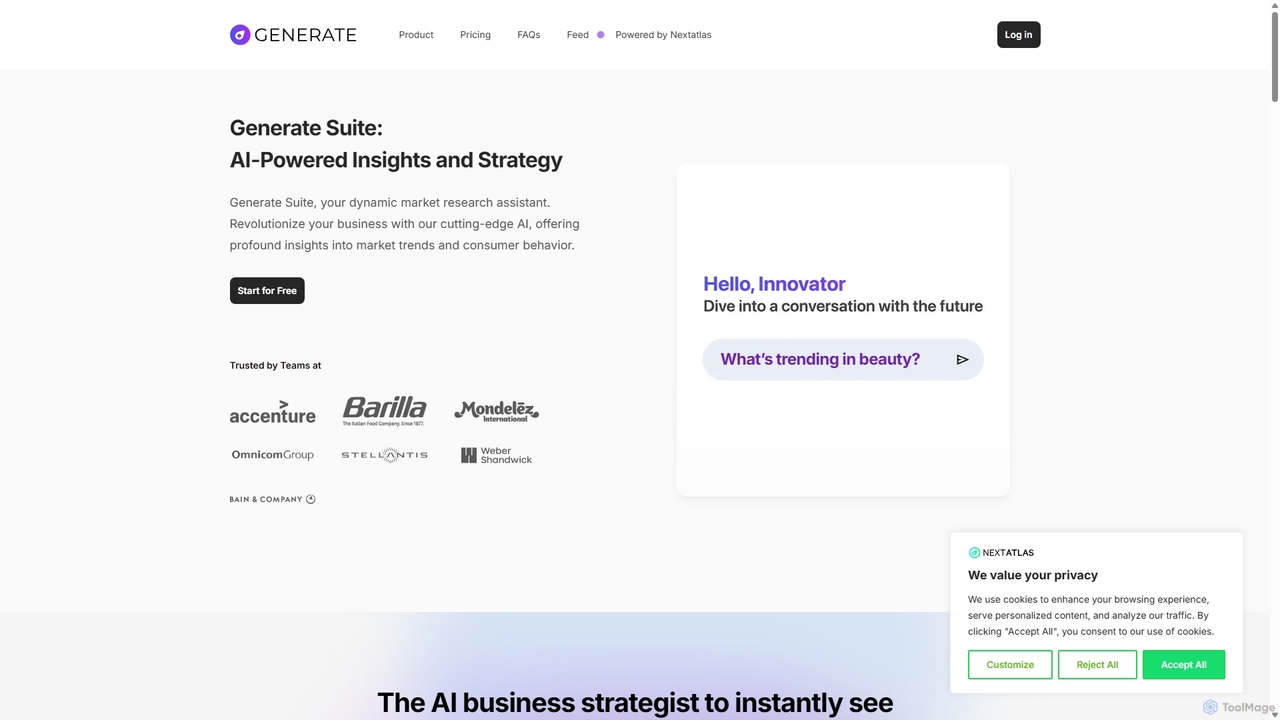
Nextatlas Generate is the world's first generative trend forecasting service. It combines a powerful, industry-trusted data engine with …

2.2K
Free
Futureproof

Futureproof

Futureproof is an AI-powered career analysis tool designed to help you understand the future impact of artificial intelligence …

2.4K
yosoku

yosoku

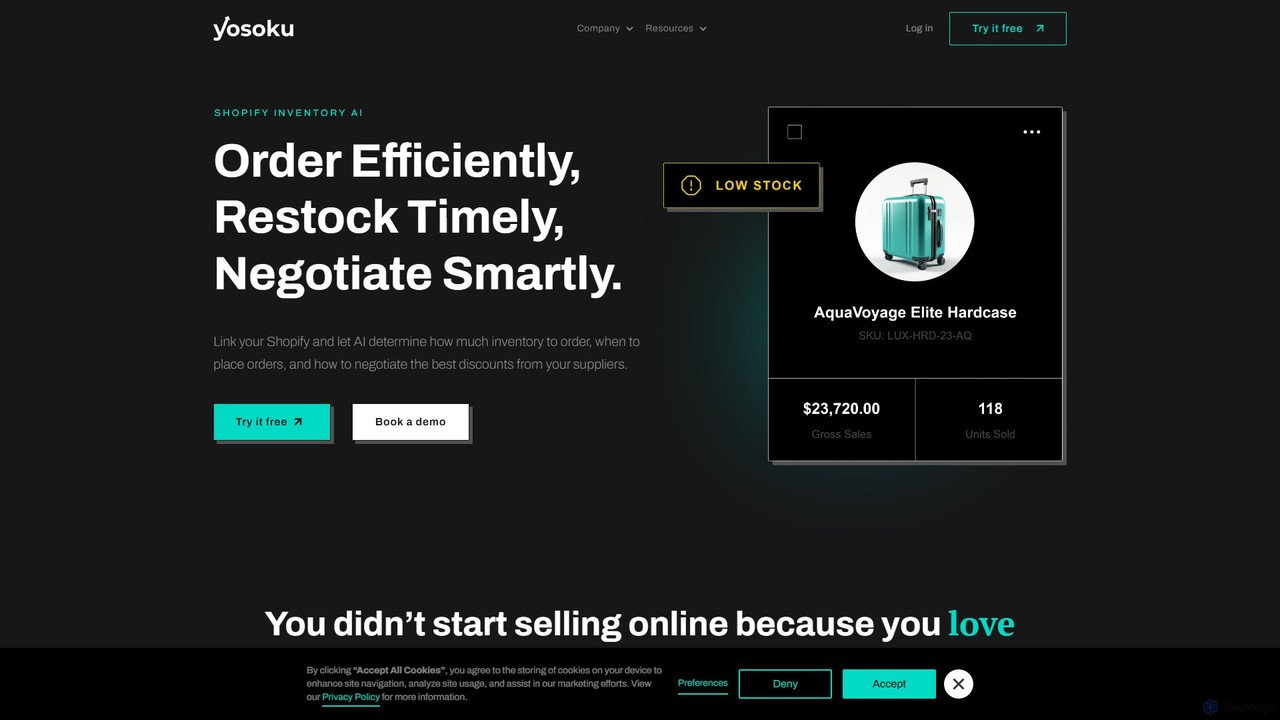
Yosoku is an AI-powered inventory management and demand forecasting platform for Shopify e-commerce businesses. It helps merchants optimize …

5.9K
Nextatlas

Nextatlas

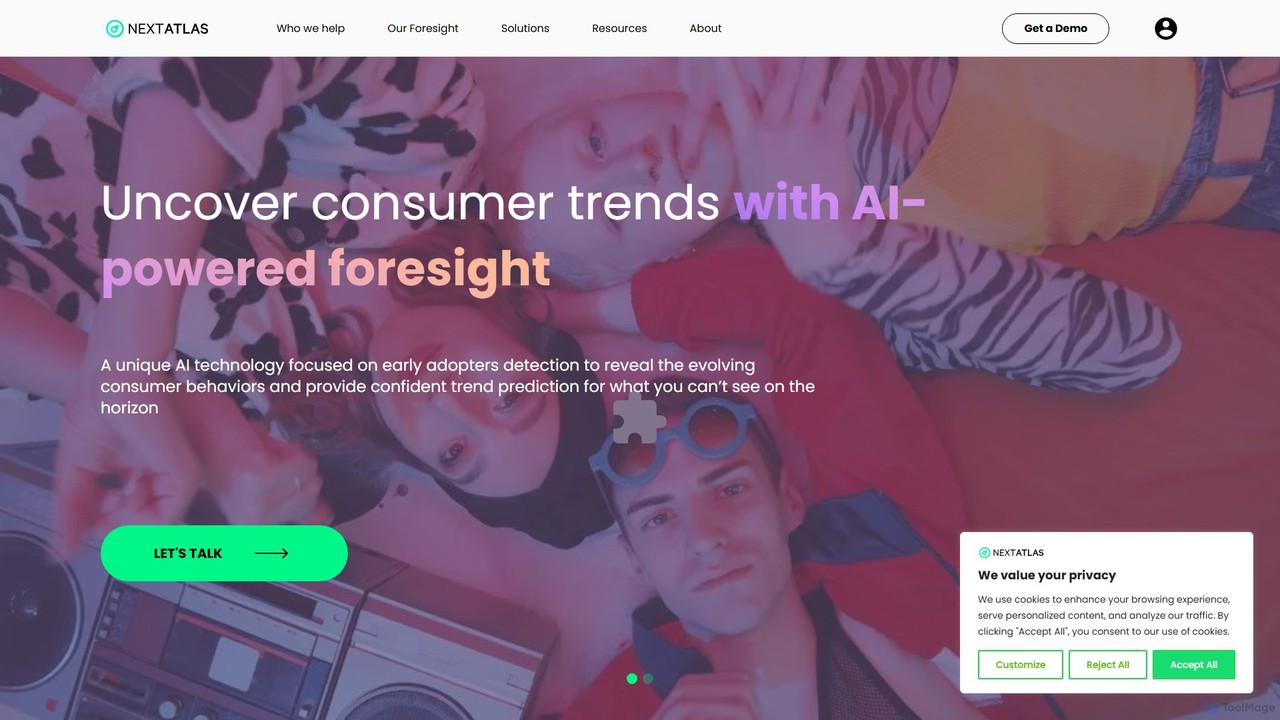
Nextatlas is an AI-powered trend forecasting and consumer insights platform. It analyzes billions of data points from social …

7.1K
Focia

Focia

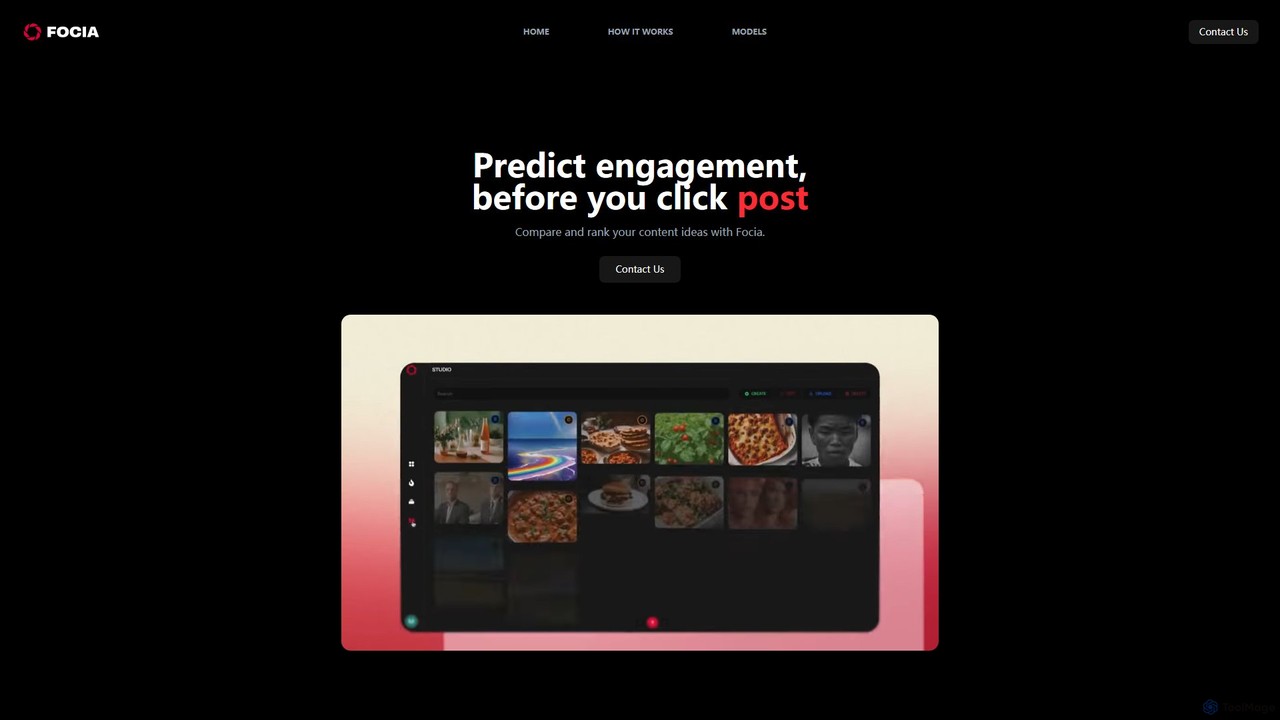
Focia is an AI-powered platform that predicts the engagement of your social media content before you post. By …

3.4K
Lifesight

Lifesight

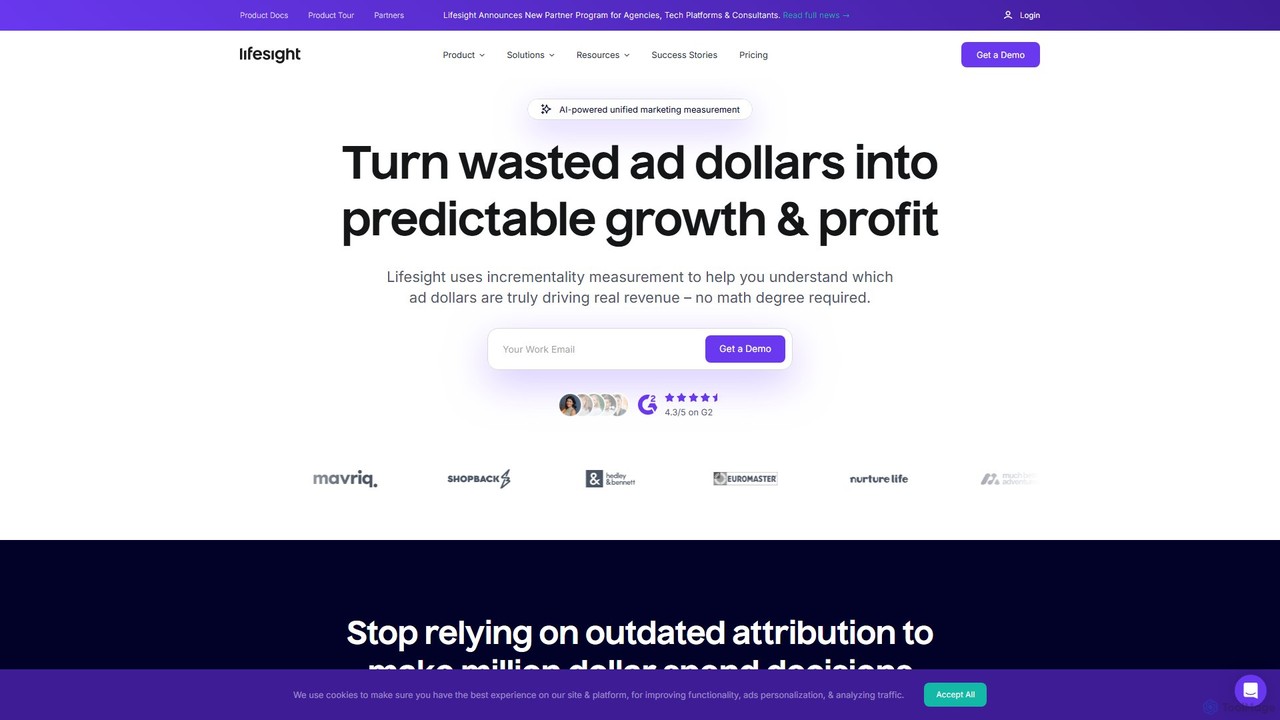
Lifesight is an AI-powered unified marketing measurement platform that helps businesses optimize ad spend and drive predictable growth. …

53.5K
FutureGPT

FutureGPT

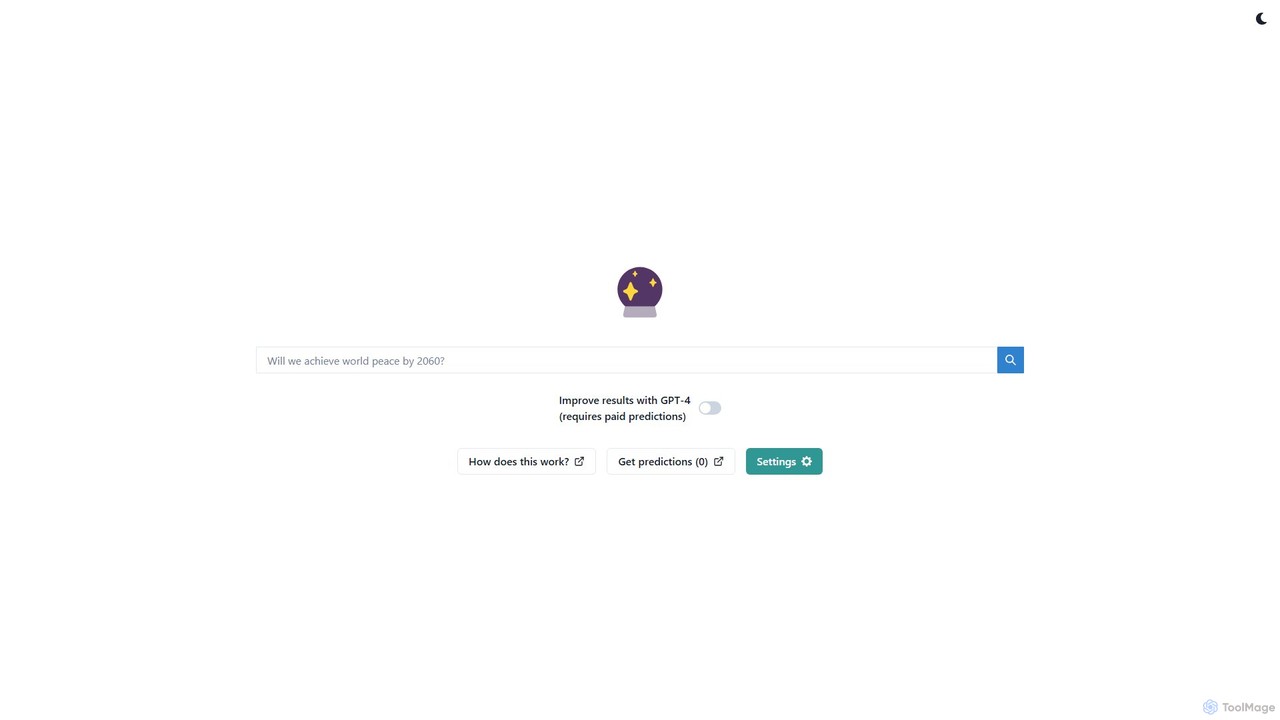
FutureGPT is an AI-powered oracle that leverages the advanced capabilities of GPT-4 to generate insightful predictions and forecasts …

2.2K

About Forecasting

AI Forecasting tools are a specialized category of productivity software that use machine learning to predict future trends and outcomes from historical data. These tools analyze time-series data, identify complex patterns, seasonality, and correlations that manual analysis might miss. By generating accurate, data-driven predictions, they empower businesses to make proactive decisions, optimize resource allocation, and mitigate risks. Unlike simple spreadsheet models, AI forecasting can automatically adapt to new data and incorporate external variables for enhanced precision.

Core Features

  • Time-Series Analysis: Automatically detects trends, seasonality, and cyclical patterns in historical data.
  • Predictive Modeling: Utilizes algorithms like ARIMA, Prophet, and neural networks to build and deploy forecasting models.
  • Scenario Simulation: Allows users to run 'what-if' analyses to understand the potential impact of different variables on future outcomes.
  • Automated Data Integration: Connects to various data sources such as ERP, CRM, and databases to continuously feed models with fresh data.
  • Explainable AI (XAI): Provides insights into the factors driving a forecast, increasing trust and interpretability.

Applicable Scenarios

These tools are widely used in industries like retail, finance, manufacturing, and logistics. For instance, a supply chain manager uses them for demand forecasting to optimize inventory levels. Financial analysts leverage them to project revenue and cash flow, while marketing teams predict campaign performance and customer lifetime value.

Selection Criteria

When choosing an AI Forecasting tool, consider the model's customizability and the level of automation it offers. Evaluate its data integration capabilities with your existing systems (e.g., Salesforce, SAP). Assess the tool's scalability to handle growing data volumes and the quality of its visualization and reporting features for clear communication of results.

ForecastingUse Cases

1

Retail Demand and Inventory Forecasting

A retail operations manager for an e-commerce brand needs to prepare for the upcoming holiday season. Using an AI forecasting tool, they upload historical sales data, promotional calendars, and website traffic logs. The tool analyzes seasonality and the impact of past marketing campaigns to predict demand for each product SKU with high accuracy. Based on these forecasts, the manager can optimize inventory orders, preventing both stockouts of popular items and overstocking of slow-movers, thereby maximizing revenue and minimizing storage costs.

2

Financial Revenue and Cash Flow Projection

A financial analyst at a SaaS company is tasked with creating the quarterly revenue forecast. Instead of relying on static spreadsheet formulas, they connect their AI forecasting tool to their CRM and billing systems. The tool automatically pulls in data on new subscriptions, churn rates, and expansion revenue. It then builds a model that projects future revenue and cash flow, allowing for scenario planning such as 'What if our churn rate increases by 5%?'. This provides the leadership team with a dynamic and more reliable financial outlook for strategic planning.

3

Predicting Website Traffic for Capacity Planning

A DevOps engineer at a fast-growing online publication needs to ensure server stability during traffic spikes. They use an AI forecasting tool integrated with their web analytics platform. The tool analyzes historical traffic data, including daily patterns, weekly trends, and the impact of major news events. It generates a forecast of expected user traffic for the next month, highlighting anticipated peaks. This allows the engineer to proactively scale server resources, perform maintenance during low-traffic periods, and prevent website crashes, ensuring a smooth user experience.

4

Optimizing Staffing Levels in Customer Service

A customer service manager for a telecommunications company wants to optimize agent scheduling. They use an AI forecasting tool to predict incoming call and ticket volumes based on historical data, marketing promotions, and known service outage schedules. The forecast provides hourly predictions for the upcoming weeks. With this information, the manager can create efficient schedules that match staffing levels to anticipated demand, reducing customer wait times and preventing agent burnout, all while controlling labor costs.

5

Forecasting Energy Consumption for Grid Management

An analyst at a utility company is responsible for balancing energy supply and demand. They employ an AI forecasting tool that processes historical consumption data, weather forecasts (temperature, cloud cover), and public holiday schedules. The model predicts electricity demand on an hourly basis for the next seven days. This allows the company to optimize power generation schedules, purchase energy from the wholesale market at better prices, and ensure grid stability, ultimately preventing blackouts and reducing operational costs.

6

Predicting Marketing Campaign ROI

A marketing strategist is planning a multi-channel campaign and needs to allocate a significant budget effectively. They use an AI forecasting tool to model the potential return on investment (ROI). By inputting data from past campaigns—such as channel spend, conversion rates, and customer acquisition cost—the tool predicts the likely outcomes for different budget allocation scenarios. This data-driven approach helps the strategist justify the budget, set realistic performance targets, and choose the most promising channel mix to maximize campaign effectiveness.

ForecastingFrequently Asked Questions